
Description
What Is Efcure 600mg Tablet?
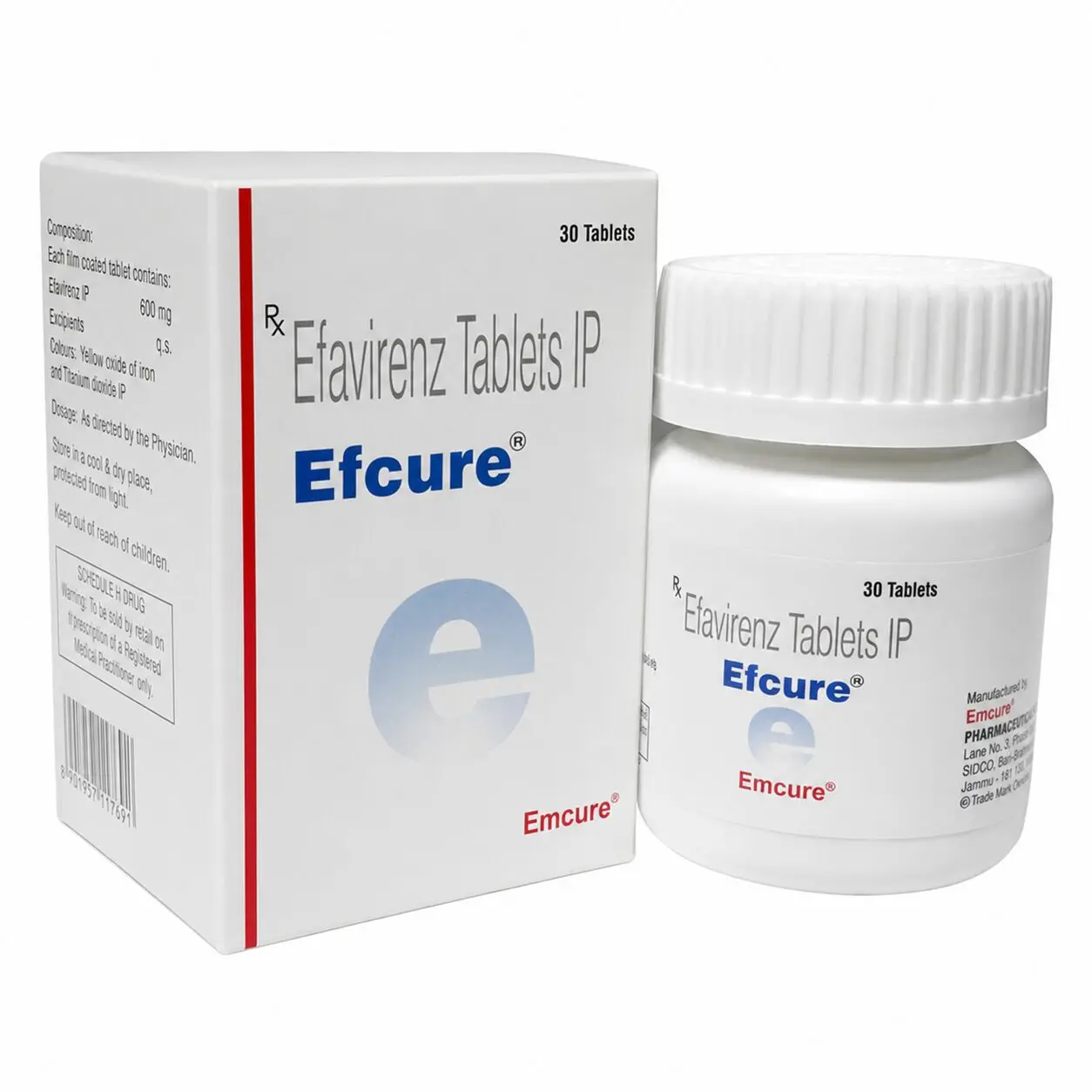
Efcure 600mg Tablet is an oral prescription antiretroviral medication manufactured by Emcure Pharmaceuticals Ltd. Each film-coated tablet contains Efavirenz 600 mg.
Efcure belongs to the pharmacological class of non-nucleoside reverse transcriptase inhibitors (NNRTIs). It is prescribed under specialist medical supervision (such as by an infectious disease specialist or HIV clinician) as part of combination antiretroviral therapy (cART) to manage Human Immunodeficiency Virus Type 1 (HIV-1) infection in adult and adolescent patients.
By directly binding to and disabling the viral reverse transcriptase enzyme, Efcure halts viral replication, reduces the amount of HIV in the bloodstream to undetectable levels, helps restore CD4+ T-cell counts, and lowers the risk of progression to AIDS and opportunistic infections.
Quick Product Fact Sheet
- Brand Name: Efcure 600mg Tablet
- Active Ingredient: Efavirenz (600 mg)
- Manufacturer: Emcure Pharmaceuticals Ltd.
- Therapeutic Class: Antiretroviral agent
- Pharmacological Class: Non-Nucleoside Reverse Transcriptase Inhibitor (NNRTI)
- Dosage Form: Film-coated oral tablet
- Standard Adult Dose: One 600mg tablet taken orally once daily at bedtime
- Dietary Rule: Take on an empty stomach (preferably with water at bedtime)
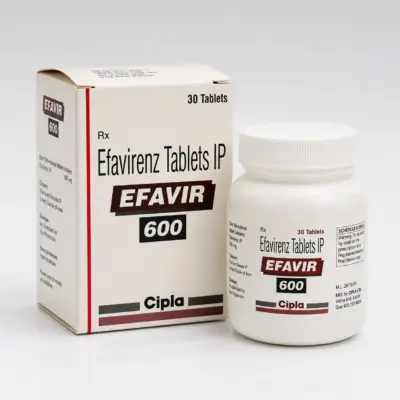
- Packaging: Bottle of 30 tablets with moisture-absorbing desiccant
How Efcure 600mg Works
To replicate and integrate into the human immune system, HIV-1 depends on its reverse transcriptase enzyme to translate viral RNA into double-stranded DNA.
Efavirenz acts via a distinct non-competitive mechanism compared to nucleoside reverse transcriptase inhibitors (NRTIs):
- Allosteric Binding: Efavirenz does not compete with natural cellular nucleotides. Instead, it binds directly and non-competitively to an adjacent, allosteric pocket near the active catalytic site of the HIV-1 reverse transcriptase enzyme.
- Conformational Disruption: Binding causes a structural, conformational change in the enzyme’s three-dimensional structure (disrupting its “palm” and “thumb” domains).
- Enzyme Inactivation: This change impairs the catalytic activity of reverse transcriptase, preventing it from converting viral RNA into viral DNA.
- Halting Replication: Without viral DNA, the virus cannot integrate into the human host cell’s chromosomes, halting replication and protecting uninfected CD4+ T-lymphocytes.
Important Note: Efavirenz is active specifically against HIV-1. It is not active against HIV-2 or other retroviruses because the HIV-2 reverse transcriptase pocket lacks the appropriate binding structure.
Approved Clinical Indications
Efcure 600mg Tablet is indicated for:
- Treatment of HIV-1 Infection: Prescribed in combination with other antiretroviral agents (typically two NRTIs, such as tenofovir disoproxil fumarate plus emtricitabine or lamivudine) in adult and adolescent patients weighing at least 40 kg.
- Used across both treatment-naive patients initiating therapy and select treatment-experienced individuals whose viral strains remain susceptible to NNRTIs.
Clinical Limitation: Efcure is not a permanent cure for HIV-1 infection. Long-term, consistent daily adherence is required to maintain viral suppression and prevent the emergence of drug-resistant viral mutations.
Standard Dosage and How to Take
Efcure must be taken strictly as prescribed by your treating doctor.
Standard Adult and Adolescent Dosage
- Standard Daily Dose: One 600mg tablet taken orally once daily.
- Weight Requirement: Approved for individuals weighing 40 kg or more.
- The Bedtime Recommendation: Take your dose at bedtime. Central nervous system side effects (such as dizziness, drowsiness, and lightheadedness) peak during the first few hours after ingestion; taking the tablet at bedtime allows you to sleep through the most intense symptoms.
The Strict Empty-Stomach Requirement
Efcure must be taken on an empty stomach:
- Take the tablet at least 1 hour before a meal, OR
- Wait at least 2 hours after a meal before taking your dose.
Why is this strict timing necessary? High-fat meals significantly increase the absorption and systemic exposure of efavirenz into your bloodstream (increasing peak concentrations by up to 50%). Elevated blood levels sharply increase the risk and severity of neuropsychiatric toxicities, dizziness, vivid nightmares, and confusion.
Administration Checkpoints
- Swallow Whole: Swallow the tablet whole with a glass of plain water. Do not chew, crush, break, or dissolve the tablet.
- Daily Consistency: Take your tablet at the same time each night to keep steady medicine levels in your bloodstream.
- Missed Dose Protocol: If you miss a dose, take it on an empty stomach as soon as you remember, unless it is close to your next scheduled dose. Never take two tablets at once to make up for a missed dose.
Potential Side Effects & Clinical Management
1. Central Nervous System (CNS) and Neuropsychiatric Effects
Neuropsychiatric side effects occur in roughly 50% of patients starting efavirenz, typically beginning within the first 1 to 3 days of therapy and resolving on their own within 2 to 4 weeks:
- Common Symptoms: Dizziness, lightheadedness, drowsiness, insomnia, impaired concentration, vivid or abnormal dreams, and mild confusion.
- Clinical Management: Bedtime dosing on an empty stomach significantly mitigates these effects. Patients should be warned against driving or operating machinery during the initial weeks of treatment.
- Serious Psychiatric Warnings (Seek Immediate Medical Care): Severe depression, suicidal thoughts or attempts, aggressive behavior, hallucinations, mania, or severe anxiety. Patients with a prior history of psychiatric disorders are at higher risk and require close clinical monitoring.
2. Dermatological Effects (Skin Rash)
Mild to moderate maculopapular skin eruptions occur in approximately 25% of patients, typically appearing within the first two weeks of treatment. Most rashes resolve within a month without stopping efavirenz.
- Severe Skin Reactions: In rare cases, severe reactions like Stevens-Johnson Syndrome (SJS), Toxic Epidermal Necrolysis (TEN), or DRESS can occur. If a rash is accompanied by blistering, fever, oral sores, conjunctivitis, or facial swelling, stop taking the medication immediately and seek emergency medical care.
3. Metabolic and Liver Effects
- Elevated Blood Lipids: Can cause significant increases in total cholesterol, LDL, and triglycerides. Fasting lipid panels should be checked periodically.
- Hepatotoxicity: Mild to moderate elevations in liver transaminases (ALT, AST). Severe liver damage is rare but possible, particularly in patients co-infected with Hepatitis B or Hepatitis C.
- Fat Redistribution (Lipodystrophy): Changes in body fat distribution, including lipoatrophy (loss of fat in the face and limbs) or central fat accumulation.
Precautions & Routine Safety Monitoring
- HIV-1 Viral Load & CD4 Count: Baseline, at 4 to 8 weeks, then every 3 to 6 months to evaluate treatment efficacy, viral suppression, and immune recovery.
- Psychiatric Evaluation: Baseline and at every clinic visit to screen for mood changes, worsening depression, or emergence of suicidal thoughts.
- Liver Function Tests (ALT, AST, Bilirubin): Baseline, then periodic checks to monitor for drug-induced liver injury, especially in HBV/HCV co-infection.
- Fasting Lipid Profile: Baseline, then every 6 to 12 months to monitor for significant increases in cholesterol and triglycerides.
- ECG (Heart Rhythm Check): Baseline (in at-risk patients) to evaluate QTc interval in patients taking other QT-prolonging medicines or with heart disease.
Drug Interactions & Substance Warnings
Efavirenz is metabolized by the liver enzymes CYP2B6 and CYP3A4, and it acts as an inducer of CYP3A4, leading to significant drug interactions:
- St. John’s Wort & Rifampin: Strongly decrease efavirenz blood levels, which can cause virologic failure and drug resistance. Avoid concurrent use.
- QT-Prolonging Medications: Efavirenz can prolong the QTc interval. Avoid combining with other medicines known to cause QT prolongation (such as methadone, azithromycin, moxifloxacin, or certain antiarrhythmics).
- Oral Contraceptives: Efavirenz reduces blood levels of hormonal contraceptives (estrogen and progestin). Women of childbearing potential must use reliable barrier methods (such as condoms) or non-hormonal contraception.
- Cholesterol Statins: Lowers blood levels of simvastatin, atorvastatin, and pravastatin due to CYP3A4 induction. Statin doses may require adjustment based on lipid response.
- Alcohol: Strictly avoid consuming alcohol with Efcure. Alcohol worsens dizziness, drowsiness, and impaired concentration, and increases liver strain.
- Grapefruit & Grapefruit Juice: Avoid consuming grapefruit products, as they can alter liver enzyme activity and unpredictably affect efavirenz blood levels.
Special Population Guidance
- Pregnancy: Historically avoided in early pregnancy due to neural tube defect concerns; modern WHO and national guidelines confirm efavirenz can be used during pregnancy if initiated or already established, but patients should consult their HIV specialist immediately if planning conception.
- Breastfeeding: In settings with access to clean water and infant formula, mothers living with HIV should avoid breastfeeding to prevent postnatal viral transmission.
- Psychiatric Conditions: Use with extreme caution in patients with a history of severe depression, psychosis, or substance abuse.
- Liver Disease: Contraindicated in patients with moderate to severe liver impairment (Child-Pugh Class B or C).
- Kidney Disease: No dosage adjustment is required for patients with kidney impairment or those on hemodialysis, as less than 1% of efavirenz is excreted unchanged in urine.
- Pediatric Use: The 600mg tablet is approved for adolescents and children weighing at least 40 kg who can swallow solid tablets.
Storage and Handling Protocols
- Store tablets at room temperature below 30°C (86°F).
- Keep in the original container, tightly closed, with the desiccant pouch inside to protect against moisture.
- Protect from excessive heat and direct sunlight.
- Keep strictly out of reach of children and pets.
Frequently Asked Questions (FAQs)
Q1: Why should Efcure 600mg be taken at bedtime?
Efavirenz commonly causes dizziness, lightheadedness, drowsiness, and vivid dreams during the first few hours after taking it. Taking your tablet right before going to bed allows you to sleep through the peak of these symptoms, making them far less noticeable.
Q2: What happens if I take Efcure 600mg after eating a fatty meal?
Fatty foods substantially increase the amount of efavirenz absorbed into your body. This sudden surge in drug levels can lead to severe morning dizziness, confusion, extreme drowsiness, and intense nightmares. Always take your dose on an empty stomach with plain water.
Q3: How long do the dizziness and unusual dreams usually last?
For the vast majority of patients, central nervous system side effects are most intense during the first week and gradually resolve within 2 to 4 weeks as your body adapts. If symptoms persist beyond a month or if you experience severe depression or suicidal thoughts, contact your doctor immediately.
Q4: Can Efcure 600mg be taken alone to treat HIV?
No. Efcure must never be taken as a single medicine. HIV quickly develops resistance to NNRTIs if taken alone. It must always be combined with at least two other anti-HIV medicines (such as tenofovir and lamivudine or emtricitabine) to maintain viral suppression.
Medical Disclaimer: This clinical guide is strictly for educational and informational purposes and should not replace professional medical advice, diagnosis, or treatment. Always consult a qualified physician, infectious disease specialist, or healthcare provider before initiating, modifying, or halting any antiretroviral therapy or prescription medication schedule.
References
- U.S. Food and Drug Administration (FDA): Sustiva (efavirenz) Tablets and Capsules Full Prescribing Information. View Source
- National Center for Biotechnology Information (NCBI): StatPearls Review: Efavirenz Pharmacology, Indications, and Adverse Reactions. View Source
- World Health Organization (WHO): Consolidated Guidelines on the Use of Antiretroviral Drugs for Treating and Preventing HIV Infection. View Source
- MedlinePlus (National Library of Medicine): Efavirenz Drug Information & Safety Guidelines. View Source



Reviews
There are no reviews yet.