Description
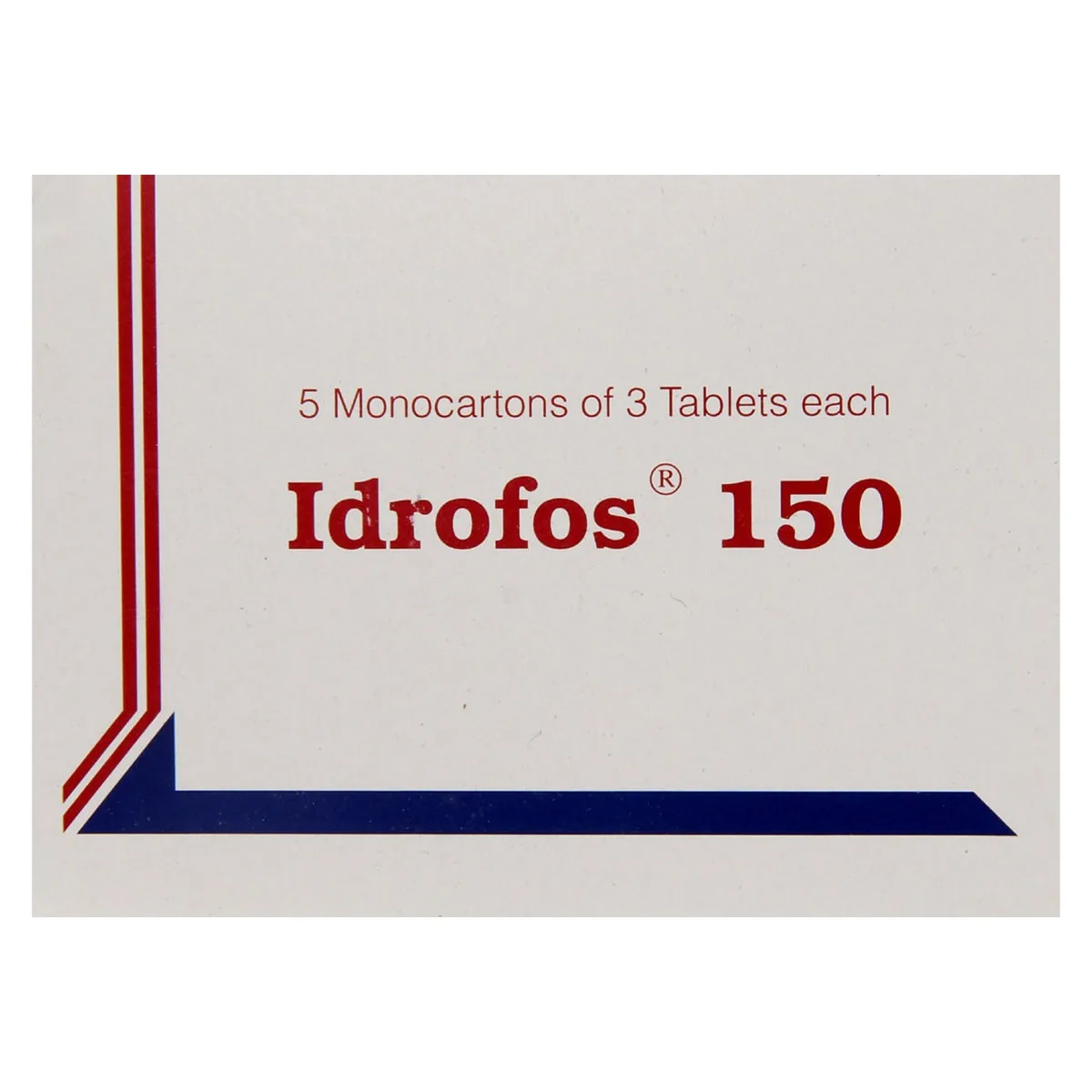
What Is Idrofos 150 mg Tablets?
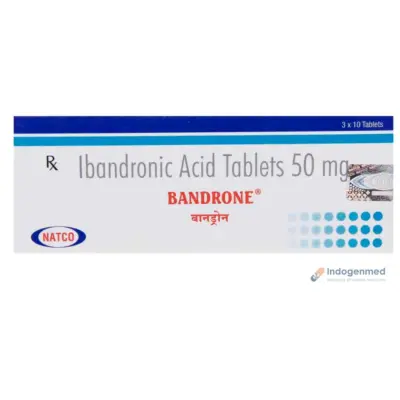
Idrofos 150 mg Tablets contains ibandronic acid (ibandronate) 150 mg, a potent nitrogen-containing bisphosphonate used for the treatment and prevention of osteoporosis in postmenopausal women. Ibandronate 150 mg is a once-monthly oral formulation designed to improve long-term adherence compared to daily or weekly bisphosphonate regimens while delivering equivalent fracture risk reduction. Bisphosphonates are the most widely prescribed class of agents for osteoporosis management globally, acting by reducing osteoclast-mediated bone resorption and thereby slowing bone loss, increasing bone mineral density (BMD), and reducing the risk of vertebral and non-vertebral fractures.
Ibandronate (ibandronic acid) is a third-generation bisphosphonate with potency substantially higher than first-generation (etidronate) and second-generation (alendronate, risedronate) agents. Unlike alendronate and risedronate, ibandronate’s clinical fracture efficacy data is primarily robust for vertebral fractures; non-vertebral fracture reduction has been demonstrated in post-hoc analyses but was not the primary endpoint of pivotal trials. The once-monthly 150 mg oral formulation was designed to be taken on the same date each month, before the first food or drink of the day, while remaining upright for at least 60 minutes — strict adherence to these conditions is essential to both drug absorption and oesophageal safety.
Mechanism of Action
Bisphosphonate Binding to Bone Mineral
Ibandronate belongs to the nitrogen-containing bisphosphonate class (also called aminobisphosphonates). After oral absorption, ibandronate is rapidly cleared from plasma and distributed preferentially to bone, where it binds with high affinity to hydroxyapatite at sites of active bone remodelling — particularly in areas of osteoclast-mediated bone resorption. The bone-binding affinity of bisphosphonates is determined by their P-C-P backbone and the R2 side chain (nitrogen-containing in ibandronate), and is so high that released drug can remain in bone for years after discontinuation.
Farnesyl Pyrophosphate Synthase Inhibition
When osteoclasts resorb bone, they endocytose the hydroxyapatite-bound ibandronate from the resorption lacuna. Intracellularly, ibandronate inhibits farnesyl pyrophosphate synthase (FPPS), a key enzyme in the mevalonate (cholesterol biosynthesis) pathway responsible for producing farnesyl pyrophosphate and geranylgeranyl pyrophosphate — isoprenoid lipids required for post-translational prenylation of small GTPase signalling proteins (Ras, Rho, Rac, Rab). Without prenylation, these GTPases cannot anchor to cell membranes and become dysfunctional. Loss of functional Rho, Rac, and Rab disrupts osteoclast cytoskeletal organisation, ruffled border formation, vesicular trafficking, and proton/enzyme secretion into the resorption lacuna — ultimately causing osteoclast apoptosis.
Net Antiresorptive Effect
By inducing osteoclast apoptosis and reducing osteoclast recruitment and activity, ibandronate shifts the balance of bone remodelling toward net bone formation — slowing bone loss, maintaining or increasing bone mineral density, and reducing bone turnover markers (serum CTX, urinary NTX). These biochemical effects are detectable within weeks of initiating therapy and correlate with fracture risk reduction over 1–3 years of treatment.
Indications
Postmenopausal Osteoporosis — Treatment
Idrofos 150 mg is indicated for the treatment of osteoporosis in postmenopausal women at increased risk of fractures (defined by low bone mineral density [T-score ≤ −2.5 at spine or hip], prevalent vertebral fractures, or other major risk factors including age, low body weight, family history of fracture, prior fragility fracture, corticosteroid use, smoking, or secondary causes). Treatment aims to reduce vertebral fracture risk (established in BONE trial) and maintain or increase BMD at spine and hip.
Postmenopausal Osteoporosis — Prevention
Ibandronate is also used to prevent bone loss in postmenopausal women with osteopenia (T-score −1.0 to −2.5) at risk of progression to osteoporosis, particularly those on long-term corticosteroid therapy or with other identified risk factors.
Corticosteroid-Induced Osteoporosis
Long-term corticosteroid therapy (prednisone ≥5 mg/day or equivalent for ≥3 months) is a leading cause of secondary osteoporosis. Bisphosphonate therapy is recommended alongside calcium and vitamin D supplementation in patients commencing long-term corticosteroid therapy.
Dosage and Administration
Standard dose: One 150 mg tablet once monthly, taken on the same day each month.
Timing (critical for absorption and GI safety): Take at least 60 minutes before the first food, drink (other than plain water), or any other oral medication or supplement. Take with a full glass (200–250 mL) of plain water only — not mineral water, coffee, tea, juice, or dairy, as these significantly reduce bioavailability (oral bioavailability is already only ~0.6% and highly dependent on fasting conditions).
Upright posture (critical for GI safety): Remain upright (sitting, standing, or walking) for at least 60 minutes after taking the tablet. Do not lie down. This prevents the tablet from refluxing into the oesophagus and causing oesophageal irritation or ulceration.
Missed dose: If the monthly dose is missed and the next scheduled day is more than 7 days away, take the tablet the next morning. If the next scheduled day is within 7 days, skip the missed dose and resume the following month. Never take two tablets to make up for a missed dose.
Supplementation: Ensure adequate calcium (1000–1200 mg/day from dietary sources and/or supplements) and vitamin D (800–1000 IU/day) intake throughout therapy. Without adequate calcium and vitamin D, bisphosphonate therapy is less effective.
Renal impairment: Contraindicated in severe renal impairment (CrCl <30 mL/min or eGFR <30 mL/min/1.73m²) due to insufficient safety data and potential ibandronate accumulation. No dose adjustment is required for mild-to-moderate renal impairment (CrCl ≥30 mL/min).
Contraindications
- Severe renal impairment (CrCl <30 mL/min or eGFR <30 mL/min/1.73m²).
- Hypocalcaemia — must be corrected before initiating ibandronate.
- Abnormalities of the oesophagus (stricture, achalasia) that delay oesophageal emptying.
- Inability to stand or sit upright for at least 60 minutes after administration.
- Known hypersensitivity to ibandronic acid or any bisphosphonate.
- Pregnancy and breastfeeding.
Warnings and Precautions
Oesophageal reactions: Bisphosphonates including ibandronate can cause local irritation of the oesophageal mucosa, potentially leading to oesophagitis, oesophageal ulcers, oesophageal erosions, and rarely oesophageal stricture or perforation. These reactions are largely preventable by strict adherence to the administration instructions (60 minutes upright, full glass of plain water). Patients must be instructed to stop ibandronate and seek medical attention if they develop dysphagia, odynophagia, retrosternal pain, or new heartburn. Ibandronate is contraindicated in oesophageal motility disorders.
Hypocalcaemia: Ibandronate suppresses bone resorption and can lower serum calcium (hypocalcaemia), particularly in patients with inadequate calcium/vitamin D intake, malabsorption, or hypoparathyroidism. Hypocalcaemia must be corrected before starting therapy. Adequate calcium and vitamin D supplementation is mandatory throughout treatment.
Osteonecrosis of the jaw (ONJ): A rare but serious adverse event characterised by exposed, necrotic bone in the jaw not healing within 8 weeks. Risk is very low with oral bisphosphonates at osteoporosis doses (much lower than the high IV doses used in cancer indications). Risk factors include invasive dental procedures (tooth extraction, dental implant placement), poor oral hygiene, dental disease, smoking, and concurrent corticosteroid or anti-angiogenic therapy. Patients should complete needed dental procedures before initiating bisphosphonate therapy and maintain good oral hygiene throughout. Inform dental practitioners of bisphosphonate use before any dental surgery.
Atypical femoral fractures: Rare, low-energy fractures of the subtrochanteric or diaphyseal femur have been reported with long-term bisphosphonate use, usually preceded by prodromal thigh or groin pain. With standard 3–5 year treatment courses for osteoporosis, the absolute risk is very low and benefits far outweigh risks; however, in patients who have been on bisphosphonates for more than 5 years, the risk-benefit ratio should be re-evaluated and a treatment holiday considered depending on individual fracture risk.
Adverse Effects
- Gastrointestinal (common): Abdominal pain, dyspepsia, nausea, diarrhoea, constipation, oesophagitis, oesophageal ulcers (risk reduced with correct administration technique).
- Musculoskeletal: Bone, joint, and muscle pain (sometimes severe — reduce if debilitating); rarely, osteonecrosis of the jaw.
- Flu-like symptoms (acute-phase reaction): Fever, fatigue, myalgia, arthralgia, chills — particularly after the first dose; usually resolve within 1–3 days and are less common with subsequent doses.
- Hypocalcaemia: Especially with inadequate calcium/vitamin D supplementation.
- Renal: Decline in renal function (monitor in patients with risk factors); renal failure has been reported with IV bisphosphonates at high doses (less relevant to oral therapy).
- Atypical femoral fractures (rare, long-term).
Drug Interactions
- Calcium supplements, antacids, and polyvalent cation products (iron, magnesium, aluminium): These form insoluble complexes with ibandronate in the GI tract, dramatically reducing absorption. Separate administration by at least 60 minutes (ibandronate first, on an empty stomach, 60 minutes before any supplements or food).
- NSAIDs (including aspirin and ibuprofen): Additive gastrointestinal mucosal irritation risk. Use with caution; PPI gastroprotection may be needed in patients on both NSAIDs and bisphosphonates.
- Corticosteroids: Corticosteroids accelerate bone loss — bisphosphonate therapy is specifically indicated to counteract this. No pharmacokinetic interaction; ensure adequate calcium and vitamin D when both are co-prescribed.
- Nephrotoxic drugs: Avoid combination with other nephrotoxic agents; renal monitoring is advised in patients on concomitant nephrotoxins.
Storage
Store below 30°C in a cool, dry place away from direct sunlight and moisture. Keep in original packaging. Keep out of reach of children. Do not use after the expiry date printed on the pack.
Related Products
For patients with osteoporosis risk related to long-term corticosteroid therapy — such as those on systemic hydrocortisone for adrenal insufficiency or inflammatory conditions — Hisone 20 mg Tablets (hydrocortisone 20 mg) is the corticosteroid agent whose use most commonly necessitates concurrent bisphosphonate bone protection. For patients with rheumatoid arthritis, lupus, or other autoimmune conditions on NSAID therapy who also carry osteoporosis risk, concurrent management with Ibugesic 200 mg Tablets (ibuprofen 200 mg) for anti-inflammatory pain relief requires attention to additive GI risk — appropriate co-prescription of a PPI is recommended. For patients with hydroxychloroquine-managed autoimmune diseases who are also on corticosteroids and develop osteoporosis risk, Hydroquin 200 mg Tablets (hydroxychloroquine 200 mg) may work synergistically to reduce the total corticosteroid burden required, indirectly protecting bone.
References
- U.S. Food and Drug Administration / DailyMed. Ibandronate Sodium Tablets 150 mg — Prescribing Information. National Library of Medicine. Available at: https://dailymed.nlm.nih.gov
- National Library of Medicine MedlinePlus. Ibandronate. Available at: https://medlineplus.gov/druginfo/meds/a605019.html
- Mayo Clinic. Ibandronate (Oral Route) — Description and Brand Names. Available at: https://www.mayoclinic.org
- Electronic Medicines Compendium (EMC). Ibandronic Acid 150 mg Film-Coated Tablets — Summary of Product Characteristics. Available at: https://www.medicines.org.uk/emc
- Chesnut CH III, et al. Effects of Oral Ibandronate Administered Daily or Intermittently on Fracture Risk in Postmenopausal Osteoporosis: The BONE Study. J Bone Miner Res. 2004;19(8):1241–1249. PubMed PMID: 15231009

Reviews
There are no reviews yet.