
Description
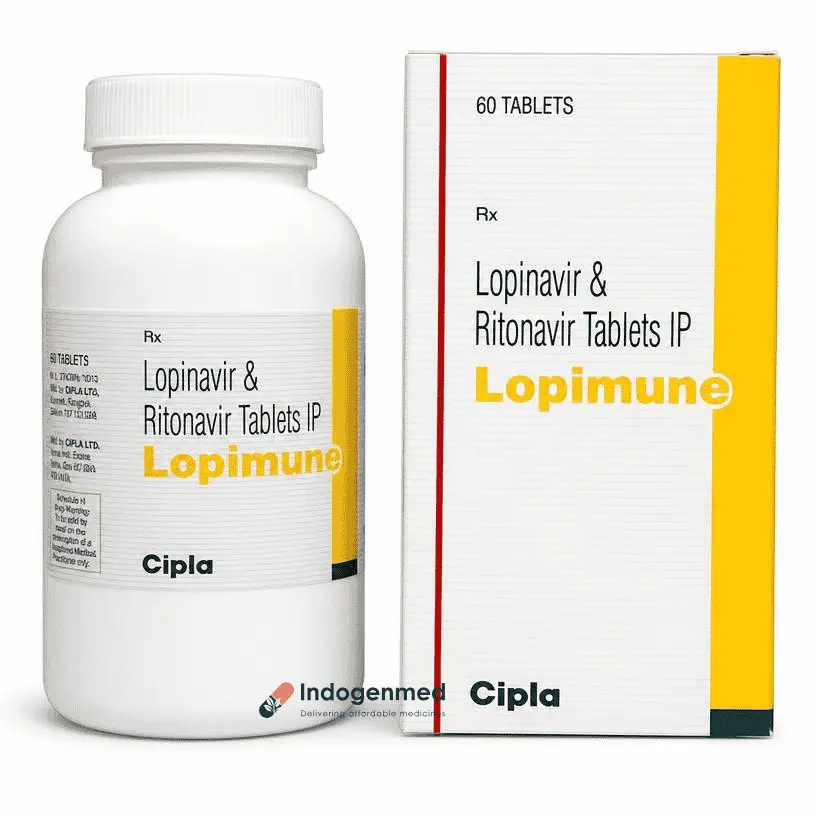
What Is Lopimune Tablet?
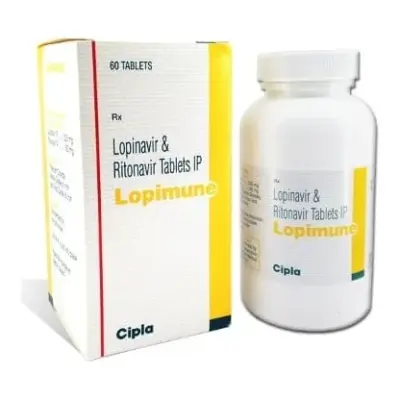
Lopimune Tablet is a fixed-dose combination prescription antiretroviral medication manufactured by Cipla Ltd. Each film-coated tablet contains two active pharmaceutical ingredients: Lopinavir 200 mg and Ritonavir 50 mg.
Lopimune belongs to the class of HIV protease inhibitors (PIs). It is prescribed under specialist medical supervision (such as an infectious disease specialist or HIV clinician) as part of combination antiretroviral therapy (cART) to manage Human Immunodeficiency Virus Type 1 (HIV-1) infection in adult and pediatric patients.
By blocking the viral protease enzyme, Lopimune stops HIV from creating mature, infectious virus particles, helping restore CD4+ T-cell counts and lowering the risk of opportunistic infections.
Quick Product Fact Sheet
- Brand Name: Lopimune Tablet
- Active Ingredients: Lopinavir (200 mg) + Ritonavir (50 mg)
- Manufacturer: Cipla Ltd.
- Therapeutic Class: Antiretroviral agent
- Pharmacological Class: Protease Inhibitors (PIs) / Pharmacokinetic Enhancers
- Dosage Form: Film-coated oral tablet
- Standard Adult Dose: Two tablets twice daily (or four tablets once daily in specific treatment-naive patients)
- Food Instruction: Can be taken with or without food (taking with food reduces nausea and stomach upset)
How Does Lopimune Work?
To replicate and spread, HIV-1 relies on three key viral enzymes: reverse transcriptase, integrase, and protease. Lopimune targets the final maturation stage of the viral life cycle through a boosted dual mechanism.
1. Lopinavir (The Antiviral Component)
Lopinavir binds directly to the active site of the HIV-1 protease enzyme. Protease is responsible for cutting long viral polyprotein chains into smaller, functional structural proteins and enzymes. By blocking this cleavage, lopinavir prevents the virus from assembling into infectious particles. The resulting immature viral particles cannot infect new healthy cells.
2. Ritonavir (The Pharmacokinetic Booster)
Lopinavir on its own is broken down very rapidly by the liver enzyme CYP3A4, leaving blood levels too low to fight the virus effectively. Ritonavir is a potent inhibitor of CYP3A4. At the low 50 mg dose in this combination, ritonavir acts as a pharmacokinetic booster: it slows the liver’s breakdown of lopinavir, maintaining high, effective concentrations of lopinavir in the blood throughout the day.
Approved Medical Uses
Lopimune Tablet is indicated for:
- Treatment of HIV-1 Infection: Prescribed in combination with other antiretroviral agents (typically two nucleoside reverse transcriptase inhibitors, or NRTIs) for adult and pediatric patients.
It is used in both treatment-naive patients (those starting HIV therapy for the first time) and treatment-experienced patients whose virus has developed resistance to other drug classes.
Important Note: Lopimune does not cure HIV-1 infection. Long-term, consistent daily therapy is required to keep the viral load suppressed to undetectable levels and maintain immune function.
Standard Dosage and How to Take
Lopimune must be taken strictly as directed by your healthcare provider.
Standard Adult Dosing Schedules
- Standard / Treatment-Experienced Adults: Two tablets twice daily (every 12 hours), totaling 800 mg lopinavir / 200 mg ritonavir per day.
- Treatment-Naive Adults (Selected Cases): Four tablets once daily (taken together at the same time every 24 hours). Once-daily dosing is not recommended for patients with reduced lopinavir susceptibility or pregnant individuals.
Administration Rules
- Swallow Whole: Swallow the tablets whole with a glass of water. Do not chew, crush, break, or dissolve the tablets.
- Meal Guidance: Tablets can be taken with or without food. Taking them with a meal or snack is often recommended to reduce nausea and stomach discomfort.
- Consistency: Take your doses at the same time every day to maintain steady blood levels.
- Missed Dose Protocol: If you miss a dose by less than 6 hours, take it right away. If it is close to your next scheduled dose, skip the missed dose and resume your regular timing. Never take a double dose to make up for a missed tablet.
Potential Side Effects & Clinical Management
Most side effects are manageable, especially after the first few weeks of therapy.
Common Side Effects
- Digestive: Diarrhea, nausea, vomiting, stomach pain, flatulence, or indigestion.
- Metabolic Shifts: Elevated cholesterol (hypercholesterolemia) and high triglycerides (hypertriglyceridemia).
- Nervous System: Headache, dizziness, fatigue, or changes in taste.
- Fat Redistribution (Lipodystrophy): Changes in body fat distribution, such as increased fat around the abdomen or back of the neck, or fat loss in the face and limbs.
Serious Warnings (Seek Immediate Medical Attention)
- Pancreatitis (Severe Pancreas Inflammation): Marked elevations in triglycerides can trigger pancreatitis. Seek urgent care for severe, persistent upper stomach pain radiating to the back, often accompanied by vomiting.
- Liver Toxicity (Hepatotoxicity): Can cause or worsen liver enzyme elevations, particularly in patients co-infected with Hepatitis B or Hepatitis C. Watch for yellowing of the skin or eyes (jaundice), dark urine, pale stools, or right-sided stomach pain.
- Heart Rhythm Changes (QT and PR Prolongation): Lopimune can alter cardiac electrical conduction. Report heart palpitations, dizziness, lightheadedness, or fainting to your doctor immediately.
- New-Onset Diabetes / High Blood Sugar: Can cause high blood sugar or worsen pre-existing diabetes, presenting as increased thirst, frequent urination, or unexplained weight loss.
- Severe Skin Reactions: Rare reports of Stevens-Johnson syndrome (SJS) or erythema multiforme. Any spreading, blistering rash requires immediate medical evaluation.
Precautions & Medical Monitoring
- HIV-1 Viral Load & CD4 Count: Baseline, then every 3 to 6 months to evaluate viral suppression and immune system recovery.
- Lipid Profile (Triglycerides & Cholesterol): Baseline, then every 3 to 6 months to monitor for significant increases in fats that raise heart and pancreas risks.
- Liver Function Tests (ALT, AST, Bilirubin): Baseline, then periodic checks to screen for liver irritation, especially in Hepatitis B or C co-infections.
- Fasting Blood Glucose / HbA1c: Baseline and periodic to monitor for new-onset insulin resistance or diabetes.
- ECG (Heart Rhythm Check): Baseline (in at-risk patients) to evaluate PR and QT intervals in patients with underlying heart conditions.
Drug Interactions & Substance Warnings
Because ritonavir is a potent inhibitor of the liver enzyme CYP3A4, Lopimune interacts with many common medications:
- Cholesterol-Lowering Statins: Simvastatin and lovastatin are strictly contraindicated with Lopimune due to the risk of severe muscle breakdown (rhabdomyolysis). Safer alternatives like atorvastatin or rosuvastatin may be used at lower starting doses under physician supervision.
- Erectile Dysfunction Drugs (PDE5 Inhibitors): Sildenafil, tadalafil, and vardenafil levels are increased significantly by Lopimune. Doses must be reduced to avoid dangerous blood pressure drops and visual changes.
- Blood Thinners (Anticoagulants): Medications such as warfarin, rivaroxaban, or apixaban require careful monitoring or dose adjustments due to altered drug clearance.
- Sedatives & Sleep Aids: Midazolam and triazolam are contraindicated due to the risk of prolonged sedation and respiratory depression.
- St. John’s Wort & Rifampin: These substances significantly reduce lopinavir and ritonavir levels in the blood, leading to treatment failure and viral resistance. They should not be combined with Lopimune.
- Oral Contraceptives: Lopimune lowers estrogen levels, reducing the effectiveness of birth control pills. Women should use additional or alternative barrier methods of contraception.
Special Population Guidance
- Pregnancy: Lopimune is widely studied and used during pregnancy to treat maternal HIV and prevent mother-to-child transmission. Twice-daily dosing should be used; once-daily dosing is not recommended during pregnancy due to lower drug concentrations in the third trimester.
- Breastfeeding: In settings with access to clean water and infant formula, mothers living with HIV are advised to avoid breastfeeding to eliminate the risk of postnatal viral transmission.
- Liver Disease: Use with caution in patients with mild to moderate liver disease. Contraindicated in patients with severe hepatic impairment.
- Kidney Disease: No dosage adjustment is needed for patients with kidney impairment or those undergoing hemodialysis, as lopinavir is cleared predominantly by the liver.
- Pediatric Use: Approved for pediatric patients 14 days of age and older. Weight-based dosing and pediatric formulations should be utilized for younger children.
Storage and Handling Protocols
- Store tablets at room temperature between 20°C and 25°C (68°F to 77°F).
- Keep tablets in their original bottle or blister packaging, tightly closed, in a dry place protected from excessive heat and moisture.
- Keep strictly out of reach of children and pets.
Frequently Asked Questions (FAQs)
Q1: Can Lopimune Tablet be taken by itself to treat HIV?
No. Lopimune must always be used as part of a combination regimen alongside other anti-HIV medicines (usually two NRTIs). Using it alone can allow the virus to mutate and develop resistance to protease inhibitors.
Q2: Why does Lopimune contain both lopinavir and ritonavir?
Lopinavir is the primary drug that attacks the virus, but the liver breaks it down very quickly. Ritonavir acts as a “booster” by blocking the liver enzyme that breaks down lopinavir, allowing lopinavir to remain at high, effective levels in the blood.
Q3: Can I drink alcohol while taking Lopimune?
It is best to avoid or strictly limit alcohol. Alcohol increases liver strain, can worsen stomach upset and diarrhea, and increases the risk of pancreatitis when combined with elevated triglyceride levels.
Q4: What should I do if I get frequent diarrhea after starting Lopimune?
Diarrhea is a known and common side effect during the first few weeks of therapy. Stay well-hydrated by drinking water and electrolyte solutions. Speak with your doctor, who may recommend dietary adjustments or temporary antidiarrheal medication (such as loperamide) until your body adapts.
Medical Disclaimer: This clinical guide is strictly for educational and informational purposes and should not replace professional medical advice, diagnosis, or treatment. Always consult a qualified physician, infectious disease specialist, or healthcare provider before starting, stopping, or modifying any antiretroviral therapy.
References
- U.S. Food and Drug Administration (FDA): Kaletra (lopinavir and ritonavir) Tablets Full Prescribing Information. View Source
- National Center for Biotechnology Information (NCBI): StatPearls: Lopinavir/Ritonavir Pharmacology and Clinical Applications. View Source
- World Health Organization (WHO): Guidelines for the Use of Antiretroviral Agents in HIV-1-Infected Adults and Adolescents. View Source
- MedlinePlus (National Library of Medicine): Lopinavir and Ritonavir Monograph. View Source






Reviews
There are no reviews yet.