Description
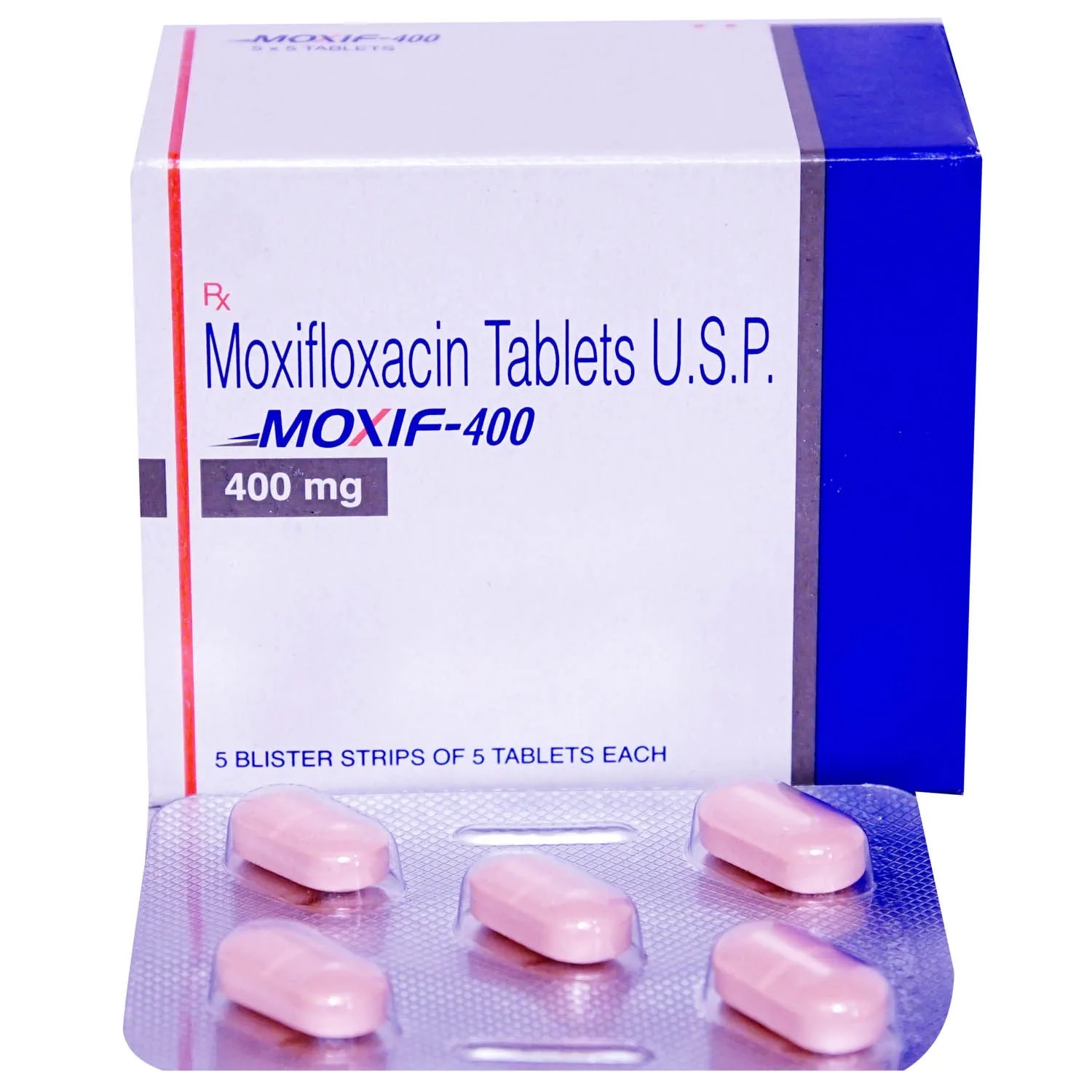
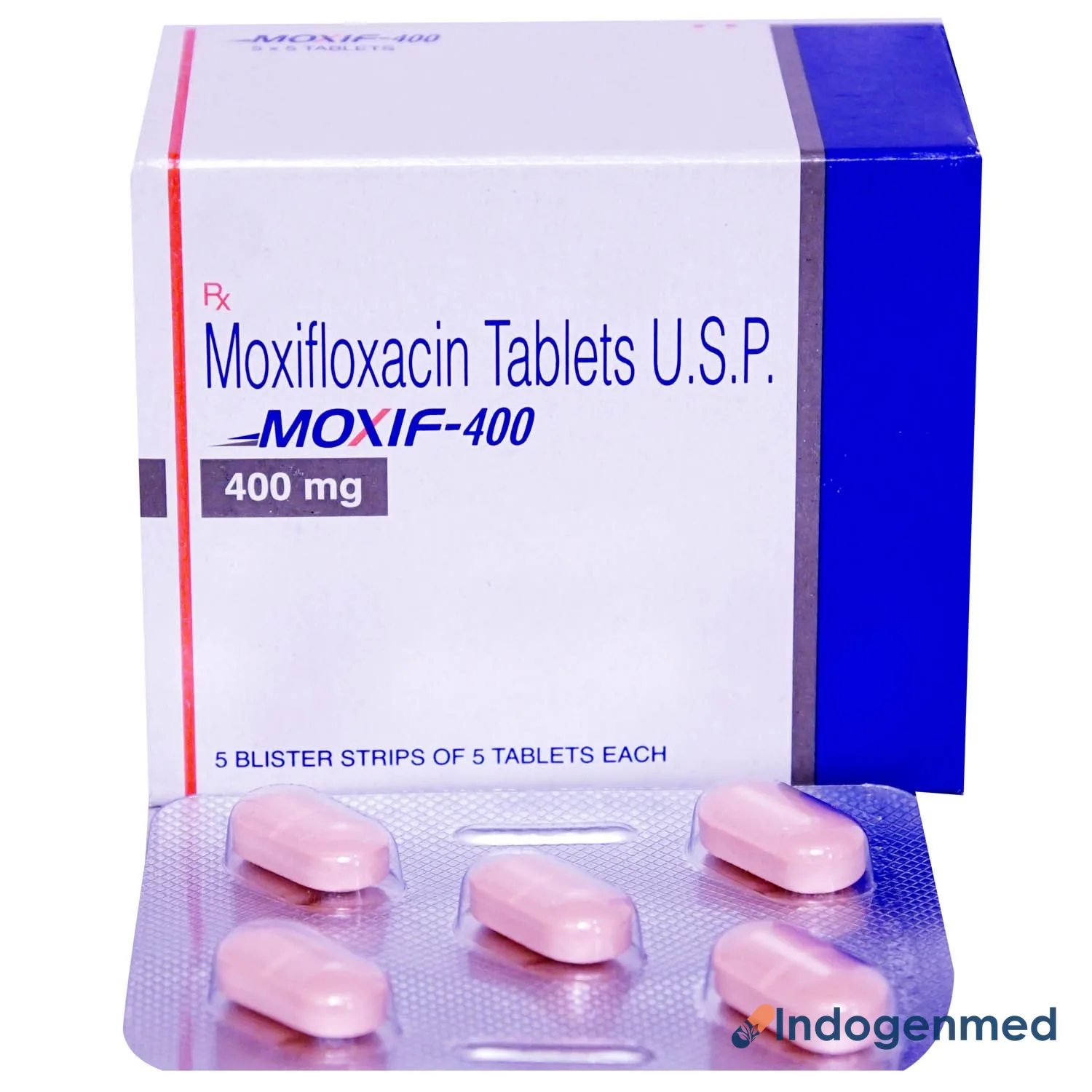
Moxif 400 Mg Tablets – Moxifloxacin Hydrochloride 400 mg
Moxif 400 Mg Tablets contain moxifloxacin hydrochloride equivalent to 400 mg moxifloxacin, a fourth-generation fluoroquinolone antibiotic with broad-spectrum bactericidal activity. Moxifloxacin offers an extended antibacterial spectrum compared with earlier fluoroquinolones, including enhanced activity against gram-positive pathogens such as Streptococcus pneumoniae, as well as atypical organisms, anaerobes, and Mycobacteria. It is prescribed once daily for the treatment of community-acquired pneumonia, acute exacerbations of chronic bronchitis, sinusitis, skin infections, and intra-abdominal infections.
The once-daily dosing regimen of moxifloxacin improves adherence compared with antibiotics requiring multiple daily doses, making Moxif 400 a clinically convenient treatment option for outpatients managing community-acquired infections.
Mechanism of Action
Moxifloxacin exerts bactericidal activity by simultaneously inhibiting two critical bacterial enzymes involved in DNA replication, transcription, and repair:
- DNA gyrase (topoisomerase II): Moxifloxacin binds to the GyrA subunit of DNA gyrase, blocking the introduction of negative supercoils ahead of the replication fork. This arrests DNA replication and transcription
- Topoisomerase IV: Simultaneously inhibited by moxifloxacin, topoisomerase IV is responsible for decatenation (separation) of daughter DNA strands during cell division. Combined inhibition of both enzymes produces potent, rapid bactericidal killing and significantly reduces the emergence of resistance mutations
The dual-target mechanism is the key reason moxifloxacin has lower rates of resistance development compared with fluoroquinolones that primarily target only one enzyme. Resistance requires simultaneous mutations at both target sites, which occurs far less frequently than a single mutation.
Moxifloxacin’s enhanced potency against gram-positive organisms compared with ciprofloxacin and levofloxacin stems from its greater affinity for topoisomerase IV in gram-positive bacteria, where this enzyme is the primary target. Its bulky C-7 side chain substituent also contributes to both enhanced penetration into respiratory epithelial cells and atypical organism coverage.
Antibacterial Spectrum
Moxifloxacin is active against a wide range of clinically important pathogens:
- Gram-positive: Streptococcus pneumoniae (including penicillin- and macrolide-resistant strains), Staphylococcus aureus (MSSA), Streptococcus pyogenes, Streptococcus agalactiae, Enterococcus faecalis
- Gram-negative: Haemophilus influenzae, Moraxella catarrhalis, Klebsiella pneumoniae, Escherichia coli
- Atypical organisms: Mycoplasma pneumoniae, Chlamydophila pneumoniae, Legionella pneumophila
- Anaerobes: Bacteroides fragilis, Prevotella spp., Fusobacterium spp., Porphyromonas spp. (relevant for intra-abdominal infections)
- Mycobacteria: Mycobacterium tuberculosis (used as a second-line agent in multidrug-resistant TB)
Indications
Moxif 400 Mg Tablets are approved for the treatment of:
- Community-acquired pneumonia (CAP) – including those caused by drug-resistant S. pneumoniae and atypical organisms
- Acute bacterial exacerbation of chronic bronchitis (ABECB)
- Acute bacterial sinusitis
- Uncomplicated skin and skin-structure infections
- Complicated skin and skin-structure infections
- Complicated intra-abdominal infections (in combination with other agents covering anaerobes and gram-negatives)
- Pelvic inflammatory disease (caused by Chlamydia trachomatis and Neisseria gonorrhoeae that are susceptible to moxifloxacin, in combination regimens)
Dosage and Administration
- Standard adult dose: 400 mg orally once daily
- Duration:
- Acute bacterial exacerbation of chronic bronchitis: 5 days
- Acute bacterial sinusitis: 10 days
- Community-acquired pneumonia: 7–14 days
- Uncomplicated skin infections: 7 days
- Complicated skin infections: 7–21 days
- Complicated intra-abdominal infections: 5–14 days
Administration notes:
- Moxifloxacin tablets may be taken with or without food
- Take at approximately the same time each day
- Swallow whole with a full glass of water
- If antacids, sucralfate, iron preparations, multivitamins with minerals, or didanosine must also be taken, separate them from moxifloxacin by at least 4 hours before or 8 hours after
- No dose adjustment is needed for renal impairment (moxifloxacin is not primarily renally cleared)
- No dose adjustment required for mild-to-moderate hepatic impairment; use with caution in severe hepatic impairment due to increased risk of QT prolongation
Pharmacokinetics
Moxifloxacin is rapidly and well absorbed after oral administration, with absolute bioavailability of approximately 91%. It is not significantly affected by food. Peak plasma concentrations are reached within 0.5–4 hours. The drug is widely distributed throughout the body, with particularly high concentrations in the lungs, bronchial mucosa, macrophages, and sinus mucosa—the target tissues for its principal clinical indications.
Protein binding is approximately 30–50%, primarily to albumin and alpha-1-acid glycoprotein. The volume of distribution is large (1.7–2.7 L/kg), reflecting extensive tissue penetration. Moxifloxacin undergoes biotransformation in the liver to sulpho and glucuronide conjugates; approximately 45% of the administered dose is excreted as unchanged drug in the faeces and approximately 20% as unchanged drug in the urine. The elimination half-life is approximately 12 hours, supporting once-daily dosing.
Contraindications
- Known hypersensitivity to moxifloxacin, any other fluoroquinolone, or any excipient
- QT prolongation: Moxifloxacin prolongs the cardiac QT interval. It is contraindicated in patients with congenital or acquired QT prolongation, uncorrected electrolyte disorders (hypokalaemia, hypomagnesaemia), or clinically significant bradycardia
- Concurrent use of drugs known to prolong the QT interval (see Drug Interactions)
- Patients with a history of symptomatic cardiac arrhythmias
- Children and adolescents under 18 years (fluoroquinolones may affect developing cartilage)
- Pregnancy and breastfeeding (fluoroquinolone use in pregnancy is generally avoided; classified as category C)
- Previous history of fluoroquinolone-associated tendinopathy or tendon rupture
Precautions and Warnings
- QT interval prolongation: Monitor ECG in patients at risk. Avoid hypokalemia and hypomagnesemia. Moxifloxacin’s QT effect is dose-dependent and additive with other QT-prolonging drugs
- Tendinopathy and tendon rupture: Fluoroquinolones are associated with an increased risk of tendinitis and tendon rupture, most commonly affecting the Achilles tendon. Risk is higher in patients over 60, those taking corticosteroids, and those with transplanted organs. Discontinue immediately if tendon pain, swelling, or rupture occurs
- Peripheral neuropathy: Serious, potentially irreversible peripheral neuropathy has been reported. Discontinue if symptoms of peripheral neuropathy develop
- CNS effects: May cause dizziness, confusion, tremors, hallucinations, or convulsions. Use with caution in patients with CNS conditions or history of seizures
- Myasthenia gravis: Fluoroquinolones can exacerbate myasthenic weakness; moxifloxacin is contraindicated or should be used only with extreme caution in patients with known myasthenia gravis
- Hepatotoxicity: Rare cases of serious hepatic reactions including fulminant hepatitis have been reported
- Photosensitivity: Avoid excessive sunlight or UV exposure during treatment
- C. difficile-associated diarrhoea has been reported with fluoroquinolone use; consider in patients with significant diarrhoea during or after treatment
Drug Interactions
- Class IA and III antiarrhythmics (e.g., amiodarone, sotalol, quinidine, procainamide): Additive QT prolongation; concomitant use is contraindicated
- Other QT-prolonging drugs (e.g., antipsychotics, tricyclic antidepressants, macrolide antibiotics, some antihistamines): Additive cardiac risk; avoid or monitor ECG closely
- Antacids, iron, zinc, sucralfate, multivitamins with minerals: Chelate moxifloxacin in the gastrointestinal tract, reducing its absorption. Separate doses by at least 4 hours before or 8 hours after
- Warfarin: Moxifloxacin may enhance the anticoagulant effect of warfarin; monitor INR closely
- NSAIDs: Concomitant use with fluoroquinolones may increase the risk of CNS stimulation and convulsions
Adverse Effects
- Gastrointestinal: Nausea (most common), diarrhoea, vomiting, abdominal pain
- Cardiovascular: QT prolongation, palpitations; ventricular arrhythmias (rare)
- Hepatic: Elevated liver enzymes; serious hepatic reactions (rare)
- CNS: Dizziness, headache, insomnia; rarely seizures, hallucinations, confusion
- Musculoskeletal: Tendinitis, tendon rupture (especially Achilles); arthralgia, myalgia
- Skin: Rash, pruritus, photosensitivity; Stevens–Johnson syndrome (very rare)
- Peripheral neuropathy (potentially irreversible)
- Hypersensitivity: Anaphylaxis (rare)
Storage Instructions
- Store below 25°C in a cool, dry place away from direct light and moisture
- Keep in the original packaging
- Keep out of reach of children
- Do not use after the expiry date on the pack
Frequently Asked Questions
What is Moxif 400 used for?
It is used to treat bacterial infections including community-acquired pneumonia, sinusitis, bronchitis exacerbations, skin infections, and complicated intra-abdominal infections caused by susceptible bacteria.
Can Moxif 400 be taken with food?
Yes. Moxifloxacin may be taken with or without food. However, avoid taking it at the same time as antacids, iron tablets, or supplements containing calcium, magnesium, or zinc, as these reduce absorption.
Why is moxifloxacin associated with QT prolongation?
Moxifloxacin blocks cardiac hERG (IKr) potassium channels, which are responsible for repolarising the heart after each beat. This prolongs the QT interval on the ECG, which can—in susceptible individuals—predispose to serious arrhythmias. This is why it is contraindicated in patients with known QT prolongation or on other QT-prolonging medicines.
How is moxifloxacin different from ciprofloxacin?
Moxifloxacin (fourth-generation) has enhanced activity against gram-positive organisms (especially S. pneumoniae) and atypical organisms compared with ciprofloxacin (second-generation). Ciprofloxacin has better gram-negative and urinary tract coverage. Moxifloxacin is preferred for respiratory infections; ciprofloxacin is preferred for UTIs and Pseudomonas infections.
References
- U.S. Food and Drug Administration. Avelox (moxifloxacin hydrochloride) tablets – prescribing information. Available at: https://www.accessdata.fda.gov/drugsatfda_docs/label/2008/021085s037lbl.pdf
- National Library of Medicine – DailyMed. Moxifloxacin hydrochloride tablet, film coated. Available at: https://dailymed.nlm.nih.gov/dailymed/search.cfm?labeltype=all&query=moxifloxacin
- MedlinePlus (U.S. National Library of Medicine). Moxifloxacin. Available at: https://medlineplus.gov/druginfo/meds/a699005.html
- Dalhoff A. Global fluoroquinolone resistance epidemiology and implications for clinical use. Interdiscip Perspect Infect Dis. 2012;2012:976273. doi:10.1155/2012/976273.
Reviews
There are no reviews yet.