Description
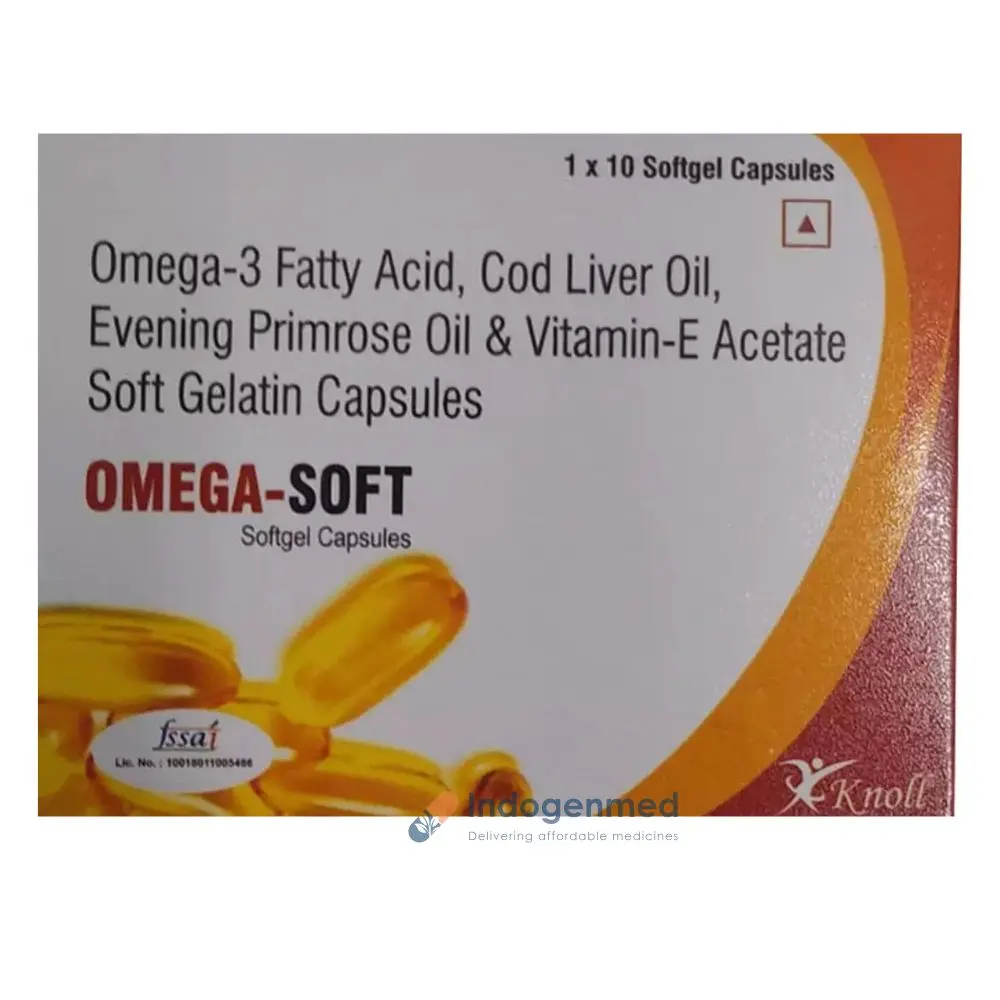
What Is Omega S 620 mg Capsules?
Omega S 620 mg Capsules are a nutritional supplement combining purified omega-3 fatty acids — eicosapentaenoic acid (EPA) and docosahexaenoic acid (DHA) — with selenium, a trace element and essential antioxidant cofactor. Each capsule delivers 620 mg of omega-3 polyunsaturated fatty acids alongside a standardised dose of selenium. This formulation is designed to address two distinct but complementary nutritional needs: the structural and anti-inflammatory roles of long-chain omega-3 fatty acids, and the antioxidant and immune-regulatory functions of selenium. The two nutrients are synergistic — selenium-containing selenoproteins (particularly glutathione peroxidases and thioredoxin reductases) protect the highly unsaturated EPA and DHA molecules from lipid peroxidation, thereby preserving their biological activity and reducing oxidative stress.
Selenium is an essential micronutrient that cannot be synthesised by the body and must be obtained from diet or supplementation. Soil selenium concentrations vary widely by geography, and selenium insufficiency is prevalent in regions with low-selenium soils — including parts of Europe, New Zealand, and Asia. Combined omega-3 plus selenium supplementation is used in the management of hypertriglyceridaemia, cardiovascular risk reduction, thyroid health (selenium is critical for thyroid hormone metabolism), immune function, and oxidative stress-related conditions.
Mechanism of Action
Omega-3 Fatty Acids: Lipid Modulation and Anti-Inflammation
EPA and DHA reduce hepatic triglyceride synthesis by suppressing SREBP-1c-driven lipogenesis and activating PPAR-α-mediated fatty acid oxidation. They inhibit diacylglycerol acyltransferase (DGAT) and reduce VLDL secretion, producing clinically significant triglyceride reductions at doses of ≥2 g EPA + DHA daily. EPA and DHA also compete with arachidonic acid at cyclooxygenase and lipoxygenase enzymes, reducing production of pro-inflammatory prostaglandin E2, thromboxane A2, and leukotriene B4 while generating anti-inflammatory resolvins, protectins, and maresins that actively resolve inflammation. DHA is a critical structural component of neuronal and retinal membranes, supporting cognitive and visual function.
Selenium: Antioxidant Selenoproteins and Thyroid Function
Selenium is incorporated into at least 25 selenoproteins — enzymes identified by the presence of selenocysteine at their active site. The most important are the glutathione peroxidase family (GPx1–4, GPx6), which catalyse the reduction of hydrogen peroxide and lipid hydroperoxides, protecting cell membranes, DNA, and proteins from oxidative damage. Thioredoxin reductases (TrxR1–3) maintain the cellular redox state by regenerating thioredoxin, which in turn supports ribonucleotide reductase (required for DNA synthesis) and reduces peroxiredoxins. Selenoprotein P is the main selenium transport protein in plasma and delivers selenium to peripheral tissues.
In the thyroid gland, type I and type III iodothyronine deiodinases — both selenoenzymes — convert the prohormone thyroxine (T4) to the active hormone triiodothyronine (T3) and regulate tissue-specific thyroid hormone availability. Selenium deficiency impairs T4-to-T3 conversion and exacerbates iodine deficiency; supplementation in selenium-deficient individuals with autoimmune thyroiditis reduces anti-thyroid peroxidase antibody titres and may slow disease progression.
Synergistic Antioxidant Protection of Omega-3s
The highly polyunsaturated structure of EPA and DHA makes them particularly susceptible to oxidative degradation by reactive oxygen species. Lipid peroxidation of these fatty acids not only destroys their biological activity but generates toxic secondary oxidation products (malondialdehyde, 4-hydroxynonenal). Glutathione peroxidase 4 (GPx4) — a selenium-dependent enzyme — directly reduces phospholipid hydroperoxides within cell membranes, protecting incorporated EPA and DHA from oxidation. The inclusion of selenium in Omega S 620 mg Capsules provides endogenous antioxidant protection that complements the anti-inflammatory actions of the omega-3 fatty acids.
Indications
Hypertriglyceridaemia
As an adjunct to dietary management, omega-3 fatty acids at therapeutic doses (≥2 g EPA + DHA daily) reduce plasma triglycerides by 20–50%. Omega S 620 mg Capsules provide both the lipid-modulating omega-3 component and antioxidant selenium support, making them suitable for patients with mixed dyslipidaemia and elevated oxidative stress markers.
Cardiovascular Risk Reduction
EPA and DHA reduce triglycerides, lower blood pressure modestly, reduce platelet aggregation, and exert anti-inflammatory and antiarrhythmic effects. The American Heart Association recommends omega-3 supplementation for patients with coronary artery disease (≥1 g EPA + DHA daily) and those with hypertriglyceridaemia (2–4 g/day). Selenium intake within the optimal range (100–300 µg/day) is associated with reduced cardiovascular risk; however, supplementation above this range (>400 µg/day) has not been shown to provide additional cardiovascular benefit and may increase risk.
Thyroid Health and Autoimmune Thyroid Disease
Selenium is essential for thyroid hormone metabolism and protection of thyroid tissue from hydrogen peroxide generated during thyroid hormone synthesis. In patients with Hashimoto’s thyroiditis (autoimmune hypothyroidism), selenium supplementation (200 µg/day as selenomethionine) has been shown in randomised controlled trials to reduce thyroid peroxidase antibody titres and improve thyroid echogenicity on ultrasound. Omega S 620 mg Capsules provide both selenium and omega-3 anti-inflammatory support relevant to thyroid autoimmunity.
Selenium Deficiency and Repletion
Selenium deficiency — defined as plasma selenium <70 µg/L — impairs GPx activity, increases oxidative stress, compromises immune function, and may cause Keshan disease (cardiomyopathy in regions of extreme selenium deficiency). Supplementation with Omega S 620 mg Capsules corrects selenium insufficiency while simultaneously providing omega-3 fatty acid support.
Immune Function and Inflammatory Conditions
Selenium supports T-lymphocyte proliferation, natural killer cell cytotoxicity, and cytokine production. Combined with the immune-modulating anti-inflammatory actions of EPA and DHA, Omega S 620 mg Capsules are used as nutritional support in chronic inflammatory conditions, recurrent infections, and immune dysregulation.
Dosage and Administration
Nutritional supplementation: 1–2 capsules daily with food, providing 620–1240 mg omega-3 and the labelled selenium dose per day. Follow specific dosing guidance on the product label.
Hypertriglyceridaemia: Higher doses of omega-3 (2–4 g EPA + DHA/day) may be required for a therapeutic triglyceride-lowering effect — the prescribing physician will advise on the number of capsules required to reach the target dose.
Selenium dosing caution: The tolerable upper intake level for selenium is 400 µg/day for adults. Do not exceed the recommended dose. High-dose selenium supplementation (>400 µg/day) can cause selenosis — a toxic syndrome characterised by hair loss, nail brittleness, garlic breath, and neurological symptoms.
Administration: Take with food to improve omega-3 absorption and reduce fishy aftertaste. Swallow capsules whole with water.
Contraindications
- Known hypersensitivity to fish, fish oil, selenium, or any capsule excipient.
- Severe fish allergy.
- Active selenium toxicity or selenosis.
- Severe bleeding disorders at high omega-3 doses (antiplatelet effect).
Warnings and Precautions
Selenium upper limit: Do not exceed the tolerable upper intake level of 400 µg selenium/day — assess total selenium intake from diet and all supplements. Selenosis presents with hair and nail changes, skin lesions, fatigue, and peripheral neuropathy.
Anticoagulant and antiplatelet interactions: High-dose omega-3 (≥3 g/day) prolongs bleeding time and may potentiate warfarin. Monitor INR closely when combining with anticoagulants.
Thyroid disease: While selenium supplementation benefits selenium-deficient patients with autoimmune thyroiditis, it should be used under medical supervision in those with established thyroid disease and concurrent medication.
Pregnancy: Omega-3 fatty acids are beneficial and recommended in pregnancy; selenium at standard supplemental doses is safe, but very high doses are avoided. Seek medical advice during pregnancy and lactation.
Adverse Effects
- Common (omega-3 related): Fishy aftertaste, belching, nausea, loose stools — dose-dependent and reduced by taking with food.
- Uncommon: Mild LDL-C increase, elevated liver enzymes at high omega-3 doses, prolonged bleeding time.
- Selenium-related (at excessive doses): Hair loss, nail brittleness and cracking, garlic breath, fatigue, irritability, skin rash — signs of selenosis at doses exceeding 400 µg/day chronically.
- Rare: Allergic reactions to fish oil or selenium compounds.
Drug Interactions
- Warfarin and anticoagulants: High-dose omega-3 enhances anticoagulant effect — monitor INR.
- Antiplatelet drugs: Additive antiplatelet effects — monitor perioperatively.
- Statins: Safe and complementary for mixed dyslipidaemia — no clinically significant interaction.
- Clozapine: Selenium may reduce clozapine-associated oxidative toxicity — no dose adjustment required, but monitor for selenium adequacy in patients on clozapine.
- Cisplatin and chemotherapy agents: Selenium may modulate cisplatin nephrotoxicity and peripheral neuropathy — seek specialist guidance before concurrent use in oncology settings.
Storage
Store below 25°C in a cool, dry place away from direct sunlight and heat. Fish oil is susceptible to oxidative rancidity — store in original sealed packaging. Refrigeration after opening may extend shelf life. Keep out of reach of children. Do not use after the expiry date.
Related Products
For pure omega-3 supplementation without selenium, see Omega 620 mg Capsules. For EPA-enriched omega-3 formulations with a focus on cardiovascular and mood support, see Vegepa Omega 560 mg Capsules. Explore our full range of nutritional supplements in the Vitamins and Supplements category.
References
- National Library of Medicine MedlinePlus. Omega-3 Fatty Acids. Available at: https://medlineplus.gov/omega3fattyacids.html
- National Institutes of Health Office of Dietary Supplements. Selenium — Fact Sheet for Health Professionals. Available at: https://ods.od.nih.gov/factsheets/Selenium-HealthProfessional/
- Rayman MP. Selenium and human health. Lancet. 2012;379(9822):1256–1268. PubMed PMID: 22381456
- Wichman J, Winther KH, Bonnema SJ, Hegedüs L. Selenium Supplementation Significantly Reduces Thyroid Autoantibody Levels in Patients with Chronic Autoimmune Thyroiditis: A Systematic Review and Meta-Analysis. Thyroid. 2016;26(12):1681–1692. PubMed PMID: 27702392
- Skulas-Ray AC, Wilson PWF, Harris WS, et al. Omega-3 Fatty Acids for the Management of Hypertriglyceridemia. Circulation. 2019;140(12):e673–e691. PubMed PMID: 31422671

Reviews
There are no reviews yet.