Description
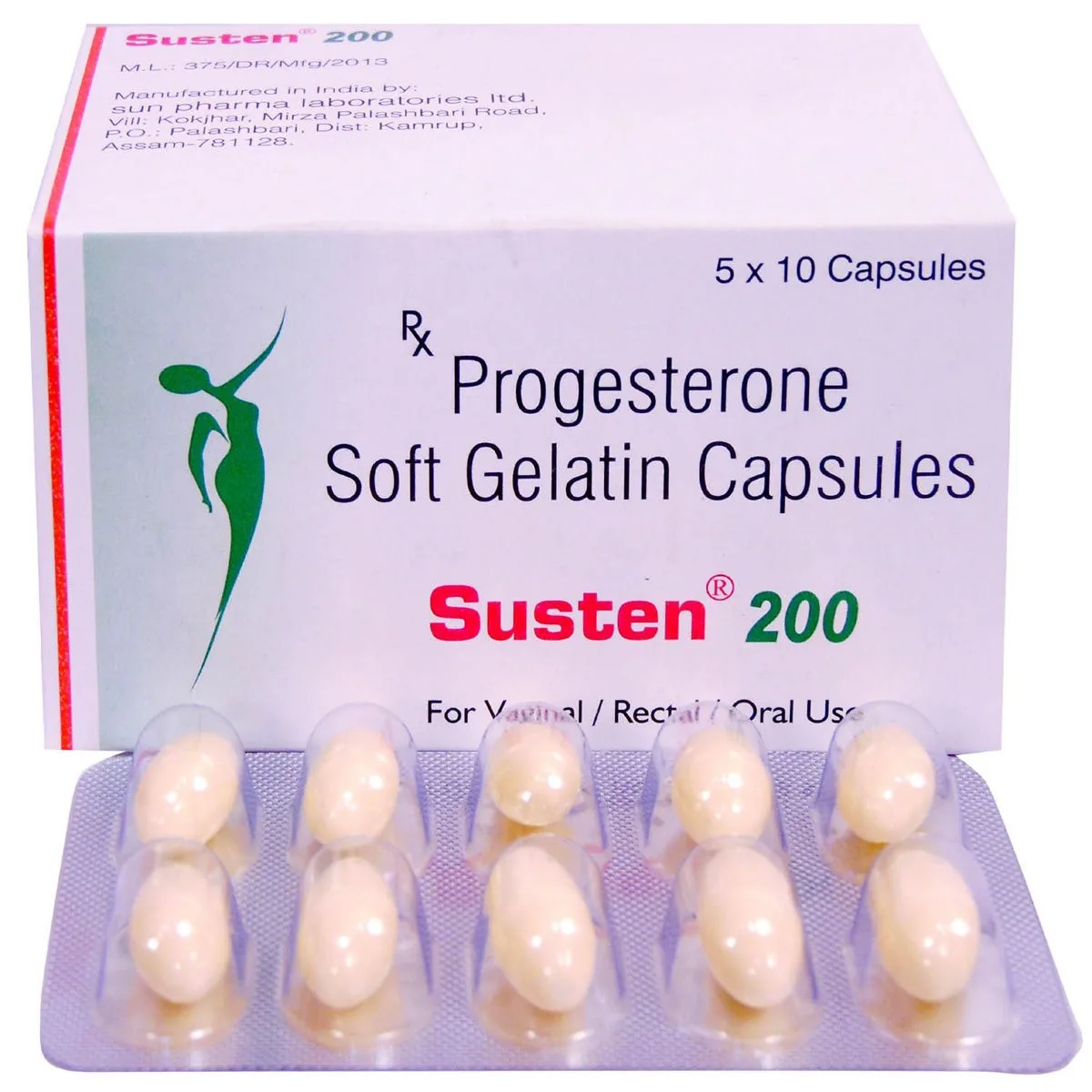
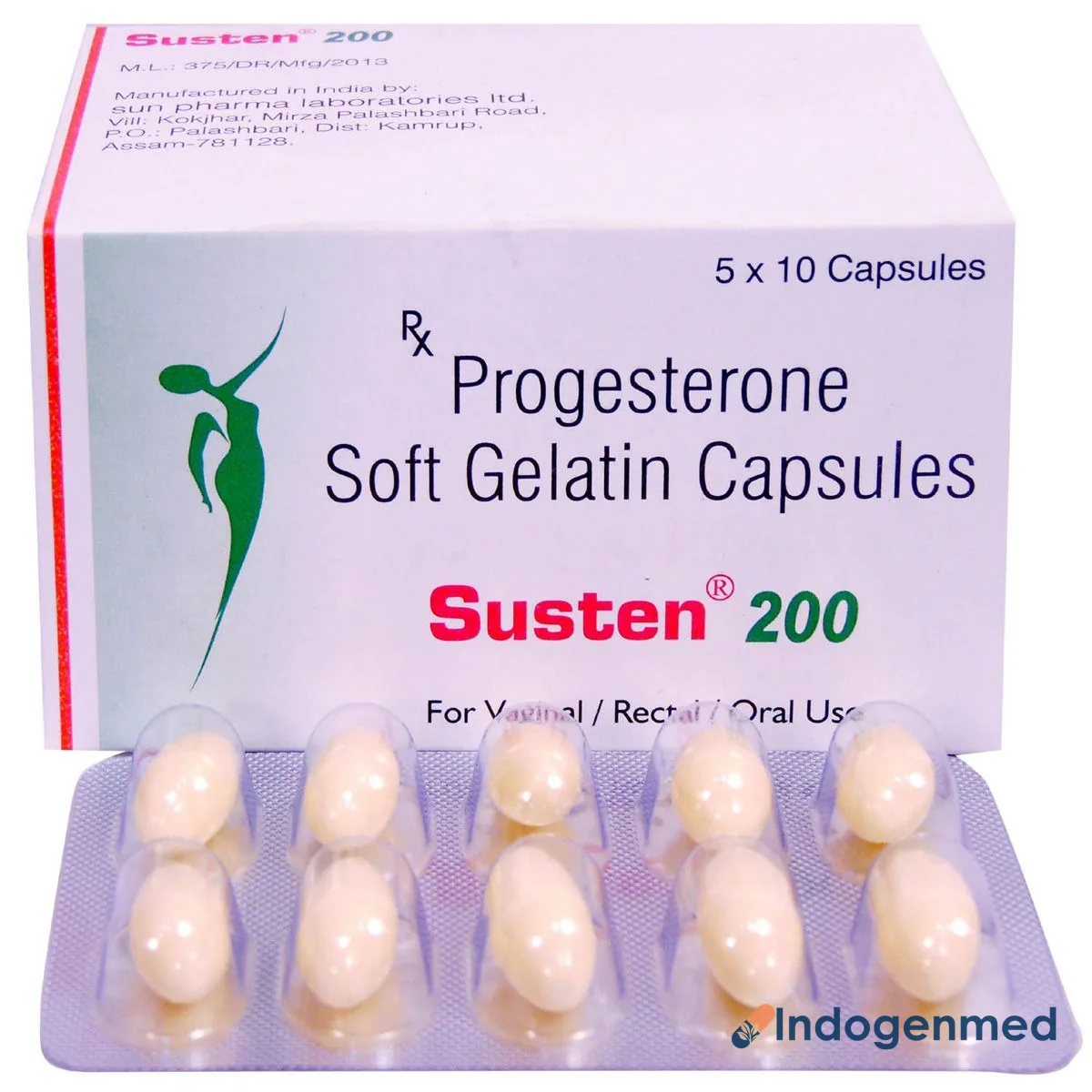
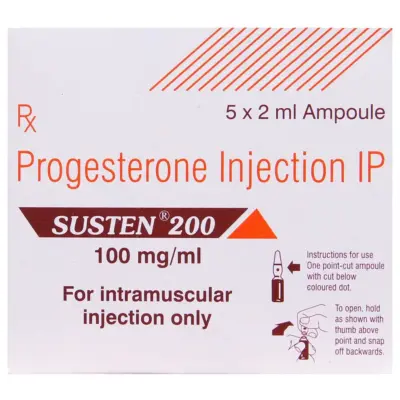
Susten 200 Capsule — Micronised Progesterone 200 mg for Luteal Support and Hormone Replacement
Susten 200 Capsule contains micronised progesterone 200 mg in a soft gelatin capsule formulation. Progesterone is the naturally occurring human progestogen produced primarily by the corpus luteum of the ovary during the second half of the menstrual cycle and by the placenta during pregnancy. Micronisation — reduction of the drug particle size to below 10 microns — is essential for oral bioavailability, as conventional oral progesterone is extensively degraded on first pass through the liver. Susten 200 Capsule is used for luteal phase support in assisted reproductive technology (ART), prevention of preterm birth in women with a history of spontaneous preterm delivery, hormone replacement therapy as the progestogen component in postmenopausal women with an intact uterus, treatment of secondary amenorrhoea, and management of abnormal uterine bleeding due to hormonal imbalance. It is formulated for oral administration and, in some indications, is used vaginally, where bioavailability differs substantially from the oral route.
Composition of Susten 200 Capsule
Each soft gelatin capsule of Susten 200 contains:
- Micronised progesterone 200 mg
- Excipients: peanut oil (or sunflower oil in peanut-free formulations), gelatin, glycerin, lecithin, yellow iron oxide (colouring)
Progesterone: Molecular formula C₂₁H₃₀O₂, molecular weight 314.5 g/mol. IUPAC name: pregn-4-ene-3,20-dione. It is a naturally occurring C21 steroid hormone and the endogenous progestogen. Micronised progesterone is chemically identical to endogenous progesterone and is considered a “bioidentical” progestogen, distinguishing it from synthetic progestins (medroxyprogesterone acetate, norethisterone) which differ structurally and in receptor binding profile. Progesterone acts primarily through nuclear progesterone receptors (PR-A and PR-B), with additional membrane-mediated actions via PGRMC1 and mPR receptors.
Mechanism of Action
Genomic (Nuclear Receptor) Actions
Progesterone diffuses into target cells and binds to intracellular progesterone receptors PR-A and PR-B, which are ligand-activated transcription factors. The progesterone–receptor complex dimerises and binds to progesterone response elements (PREs) in target gene promoters, regulating the transcription of genes involved in endometrial differentiation, myometrial quiescence, cervical remodelling, and immune modulation:
- Endometrial transformation: After oestrogen-driven proliferation of the endometrium (follicular phase), progesterone induces the secretory transformation essential for blastocyst implantation. It increases glycogen deposition in endometrial glands, promotes decidualisation of stromal cells, and suppresses endometrial proliferation — protecting against endometrial hyperplasia and carcinoma in women on oestrogen therapy
- Myometrial quiescence: Progesterone reduces myometrial contractility by suppressing oxytocin receptor expression, reducing connexin-43 (gap junction protein) synthesis, and inhibiting prostaglandin production. This uterine-relaxing (tocolytic) effect is central to its role in maintaining pregnancy and preventing preterm labour
- Cervical stabilisation: Progesterone maintains cervical integrity and inhibits the inflammatory cytokines (IL-6, IL-8, matrix metalloproteinases) that drive cervical ripening and shortening in preterm labour
- Hypothalamic-pituitary feedback: Progesterone provides negative feedback on GnRH pulsatility and suppresses the LH surge, preventing additional ovulation in the luteal phase
- Immune modulation: Progesterone promotes a Th2-dominant (tolerance-promoting) immune environment at the maternal–foetal interface, suppressing NK cell cytotoxicity and reducing rejection of the semi-allogeneic embryo
Non-Genomic and Central Nervous System Actions
Progesterone and its neuroactive metabolite allopregnanolone (3α,5α-tetrahydroprogesterone, produced by hepatic and brain metabolism of progesterone) modulate the central nervous system through non-genomic mechanisms:
- GABA-A receptor positive allosteric modulation: Allopregnanolone potentiates GABA-A receptor activity — the same mechanism as benzodiazepines and barbiturates but at a distinct binding site. This produces anxiolytic, sedative, anticonvulsant, and anaesthetic effects. The sedation commonly observed with oral micronised progesterone is primarily attributable to allopregnanolone formation during hepatic first-pass metabolism
- Neuroprotection: Allopregnanolone has neuroprotective properties, reducing excitotoxicity and apoptosis in neural tissue — an area of active clinical research
- Mood effects: Allopregnanolone fluctuations are implicated in premenstrual syndrome (PMS) and premenstrual dysphoric disorder (PMDD); oral micronised progesterone, by producing allopregnanolone, may have anxiolytic benefits in some patients with luteal-phase mood disorders
Vaginal Route Mechanism
When administered vaginally, progesterone is absorbed directly by the uterus via the “first uterine pass effect” (FUPE) — preferential transport from the vaginal epithelium to the uterus through local vascular and lymphatic pathways. Vaginal administration produces high local endometrial and myometrial concentrations with relatively lower systemic blood levels compared to oral dosing, reducing CNS side effects (sedation) while maintaining adequate uterine effect. This route is preferred for luteal phase support in IVF cycles and in women intolerant of oral sedation.
Pharmacokinetics
| Parameter | Oral Route (200 mg) | Vaginal Route (200 mg) |
|---|---|---|
| Oral bioavailability | ~10% (extensive first-pass hepatic and intestinal metabolism) | High local uterine concentration; systemic Cmax lower than oral |
| Tmax | 1–3 hours | 2–6 hours (variable) |
| Protein binding | >96% (albumin and corticosteroid-binding globulin) | >96% |
| Volume of distribution | Large (~20 L/kg); widely distributed to adipose tissue and brain | High local uterine accumulation; lower systemic Vd |
| Metabolism | Extensive hepatic metabolism: reduction to pregnanediol and pregnanolone sulfates; CYP3A4 also contributes; allopregnanolone formed during first pass (responsible for sedation) | Reduced first-pass effect; less allopregnanolone formed; reduced CNS sedation |
| Elimination | Primarily renal (50–60% as glucuronide and sulfate conjugates of metabolites); <1% excreted unchanged | Similar metabolite profile; slower elimination |
| Elimination half-life | 5–20 hours (variable; biphasic elimination) | 25–50 hours (slower due to vaginal reservoir and local accumulation) |
| Renal impairment | Minor impact (metabolite conjugates may accumulate); no specific dose adjustment established | As oral |
| Hepatic impairment | Severe hepatic impairment reduces first-pass metabolism, potentially increasing bioavailability and systemic exposure; use with caution | Less affected; preferred route in hepatic compromise |
| Effect of food | High-fat meal increases AUC approximately 2.5-fold and Cmax up to 3-fold; always take with food (or as directed, typically at bedtime with a snack) | Not applicable |
Uses of Susten 200 Capsule
- Luteal phase support in ART (IVF/ICSI): Susten 200 is the most widely used pharmacological form for luteal phase support following oocyte retrieval in IVF/ICSI cycles. Oocyte retrieval depletes the corpus luteum (which is removed with the follicle), and without progesterone supplementation the endometrium fails to develop the secretory pattern required for embryo implantation. Susten 200 is administered vaginally (200 mg twice or three times daily) or orally (200–400 mg at bedtime) starting on the day of or day after oocyte retrieval, and continued until 10–12 weeks of gestation if implantation is confirmed
- Prevention of preterm birth: In women with a history of spontaneous preterm delivery (singleton pregnancy and prior preterm birth before 34 weeks), or with a short cervix (<25 mm) on transvaginal ultrasound, vaginal micronised progesterone 200 mg daily (or 90 mg vaginal gel) reduces the risk of preterm birth. This is now a standard of care recommendation in many countries based on PREIS, PREGNANT, and OPPTIMUM trial data
- Hormone replacement therapy (HRT) in postmenopausal women: In women with an intact uterus receiving oestrogen HRT, a progestogen must be added to protect the endometrium against oestrogen-stimulated hyperplasia and endometrial carcinoma. Micronised progesterone 200 mg at bedtime for 12–14 days per 28-day cycle (cyclic) or 100 mg daily (continuous) provides endometrial protection equivalent to synthetic progestins, with a potentially more favourable cardiovascular and breast safety profile (supported by the E3N cohort study and PROMISE trial)
- Secondary amenorrhoea: Susten 200 is used to induce withdrawal bleeding in women with secondary amenorrhoea (absent periods) due to anovulation, low oestrogen states, or other hormonal causes. Administered for 10–12 days, withdrawal of progesterone causes endometrial shedding, confirming adequate oestrogen priming and diagnosing anovulatory amenorrhoea
- Abnormal uterine bleeding (dysfunctional uterine bleeding): Anovulatory dysfunctional uterine bleeding, due to oestrogen stimulation of the endometrium without progesterone opposition, responds to cyclic progesterone therapy. Susten 200 for 10–14 days per month regularises menstrual cycling and reduces excessive bleeding by inducing secretory transformation and organised shedding
- Premenstrual syndrome and luteal phase deficiency: In women with documented luteal phase deficiency (short luteal phase, low mid-luteal progesterone), Susten 200 supplementation during the luteal phase can support corpus luteum function and alleviate premenstrual symptoms
- Threatened miscarriage with corpus luteum insufficiency: Although evidence from large trials (PRISM trial) does not support universal use in all threatened miscarriages, some clinicians use micronised progesterone in women with early pregnancy bleeding and a previous miscarriage, particularly where luteal insufficiency is suspected
Dosage and Administration
| Indication | Dose | Route | Duration / Notes |
|---|---|---|---|
| Luteal phase support in IVF/ICSI | 200 mg twice or three times daily (vaginal) OR 200–400 mg at bedtime (oral) | Vaginal (preferred) or oral | Start day of / day after oocyte retrieval; continue until 10–12 weeks gestation if pregnancy confirmed; do not stop abruptly — taper per clinic protocol |
| Prevention of preterm birth (prior preterm delivery) | 200 mg once daily (vaginal) | Vaginal | Start from 16–24 weeks gestation; continue to 34–36 weeks; on specialist advice only |
| HRT endometrial protection — cyclic | 200 mg once daily at bedtime for 12–14 days per 28-day cycle | Oral | Use 12–14 days per cycle; take at bedtime (sedative effect aids sleep); co-administer with oestrogen for 28-day cycle |
| HRT endometrial protection — continuous | 100 mg once daily at bedtime (continuous combined HRT) | Oral | Daily continuous use with daily oestrogen; aim to avoid withdrawal bleeds; usual for postmenopausal women >1 year since last period |
| Secondary amenorrhoea (withdrawal bleed induction) | 200–400 mg once daily at bedtime for 10 days | Oral | Withdrawal bleed expected 2–7 days after last capsule; confirms oestrogen priming; cycle may be repeated |
| Dysfunctional uterine bleeding | 200–400 mg daily at bedtime for 10–14 days per cycle | Oral | Use in luteal phase (days 14–25) for cyclic DUB; induces organised endometrial shedding and reduces menorrhagia |
| Threatened miscarriage (selected cases, specialist use) | 400 mg twice daily (vaginal) or 200–400 mg oral TID | Vaginal or oral | Specialist decision required; continue while pregnancy viable; evidence strongest in women with prior miscarriage and current vaginal bleeding (PROMISE trial subgroup) |
Administration notes:
- Oral: Always take with food or a snack — a high-fat meal increases absorption approximately 2.5-fold and reduces variability. Bedtime dosing is strongly preferred to manage sedation. Do not crush or chew — the micronised suspension in oil must remain intact for absorption
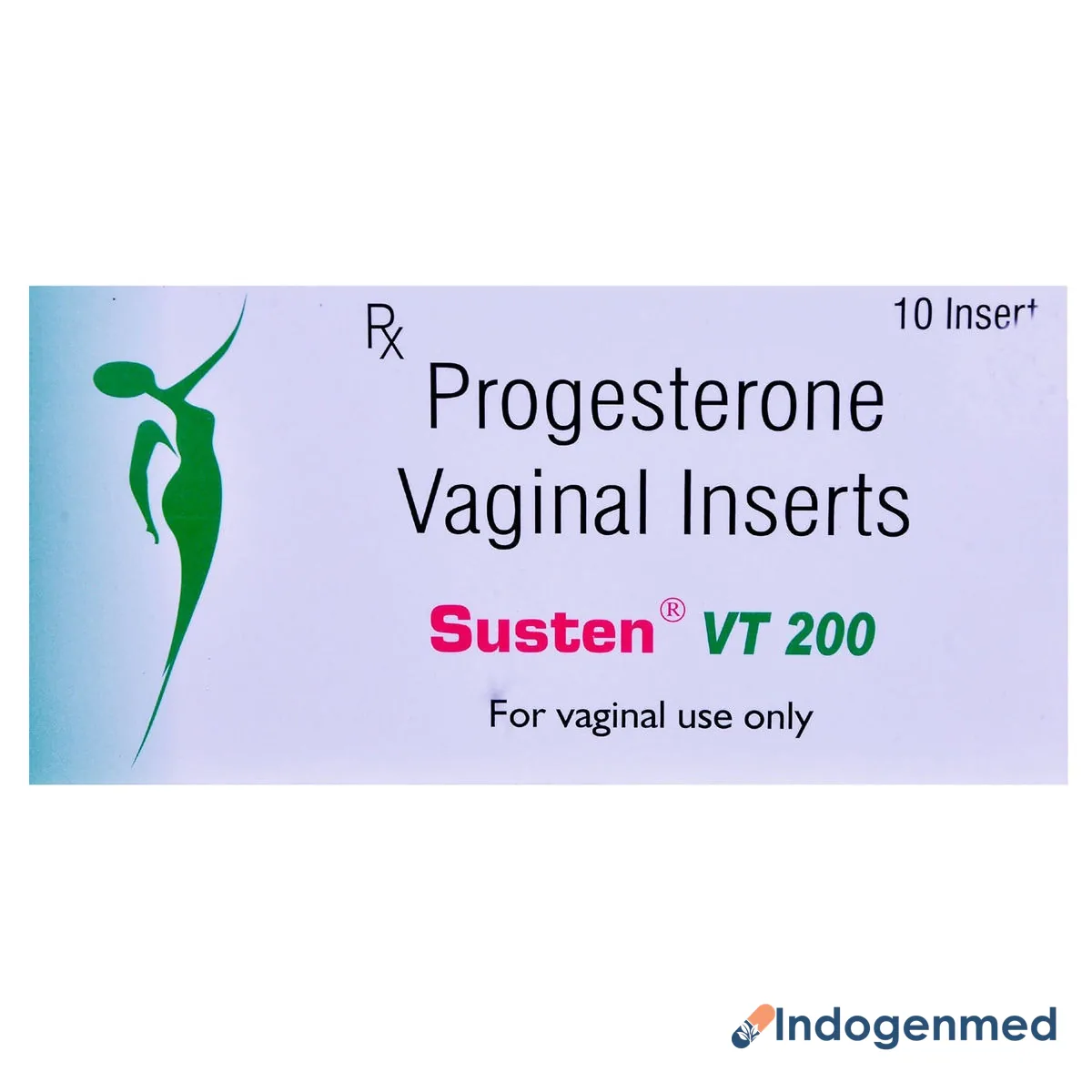
- Vaginal: Insert the capsule deep into the vagina at bedtime using a clean finger or an applicator. Avoid simultaneous vaginal antifungals or spermicides which may alter absorption. Vaginal discharge of capsule oil is normal and expected
- Both oral and vaginal formulations of the same capsule may be used (the capsule dissolves vaginally), but specific vaginal pessary formulations are optimised for vaginal delivery — confirm intended route with the prescriber
- Do not stop progesterone supplementation in IVF cycles abruptly — taper only under specialist instruction after confirmation of placental progesterone production (typically after 10–12 weeks)
- Missed dose: take as soon as remembered on the same day; if next dose is due, skip the missed one — never double dose
Side Effects
Common (affecting ≥1 in 100 patients — oral route):
- Drowsiness and sedation (most common, oral route): Due to allopregnanolone (a neuroactive metabolite) produced during hepatic first-pass metabolism. Occurs in 20–30% of women taking oral micronised progesterone. Bedtime dosing converts this side effect into a therapeutic benefit for many women with sleep disturbance. Sedation is markedly reduced with vaginal administration
- Dizziness and light-headedness: Related to allopregnanolone CNS effects; most pronounced in the first 1–2 hours after oral dosing
- Breast tenderness: Due to progesterone’s direct effects on breast tissue; common in premenopausal women during luteal phase supplementation; reduces after the first 1–2 cycles
- Bloating and abdominal discomfort: Progesterone reduces gastrointestinal motility (through smooth muscle relaxation); constipation and bloating are reported in up to 10% of patients on oral therapy
- Headache: Mild, usually transient; more common in the first weeks of treatment
- Spotting or breakthrough bleeding: Common during cyclic progesterone therapy; more pronounced in the first 1–3 cycles before the endometrium normalises
- Mood changes: Irritability or mild mood changes possible, though micronised progesterone is generally considered better tolerated than synthetic progestins for mood
Vaginal route-specific:
- Vaginal discharge, local irritation, burning sensation at insertion site — common (up to 10–15%); usually mild
- Vaginal spotting — not uncommon; difficult to distinguish from early pregnancy spotting in IVF patients
Serious (rare):
- Thromboembolic events: Progesterone (unlike some synthetic progestins) has a neutral or mildly pro-thrombotic profile; risk in HRT is primarily driven by the oestrogen component and the route of oestrogen delivery. Risk is lower with transdermal oestrogen than oral oestrogen. Micronised progesterone appears less pro-thrombotic than synthetic progestins (medroxyprogesterone acetate) in observational data (ESTHER study)
- Hypersensitivity reactions: Rare anaphylaxis or allergic reaction; peanut allergy — Susten 200 contains peanut oil; use a peanut-oil-free formulation in patients with peanut allergy
- Hepatic dysfunction: Very rare; transient liver enzyme elevations reported; contraindicated in active liver disease
Precautions and Warnings
- Peanut allergy: Susten 200 capsules contain peanut oil as the vehicle. Patients with peanut or soya allergy must not use this formulation. A peanut-oil-free alternative (sunflower oil formulation) should be prescribed for these patients. This is a critical allergy warning that must be checked before prescribing
- Driving and operation of machinery: Oral micronised progesterone causes significant sedation, particularly in the first 1–3 hours after dosing. Patients should not drive or operate hazardous machinery for at least 3–4 hours after taking an oral dose, or until their individual response is known. Evening/bedtime dosing mitigates this risk for most patients
- Hepatic impairment: Progesterone is extensively metabolised in the liver. Susten 200 is contraindicated in patients with active liver disease (acute viral hepatitis, severe cirrhosis, cholestatic jaundice). Vaginal administration may be used with caution in mild hepatic impairment as it bypasses first-pass hepatic metabolism
- Thromboembolic disease: Active or recent arterial or venous thromboembolism is a contraindication to progesterone therapy (although micronised progesterone carries lower risk than synthetic progestins). Women with known thrombophilia (Factor V Leiden, antiphospholipid syndrome) on progestogen therapy require specialist assessment
- Breast cancer: Micronised progesterone appears to have a more favourable breast safety profile than synthetic progestins (medroxyprogesterone acetate, norgestrel) in observational studies (E3N cohort). However, hormone-sensitive breast cancer (past or present) remains a contraindication to systemic progesterone therapy
- Undiagnosed vaginal bleeding: Susten 200 must not be used to treat vaginal bleeding of unknown cause. The underlying cause must be investigated (endometrial biopsy, ultrasound) before starting therapy; progesterone can mask pathological bleeding
- Depression: Women with a history of depression should be monitored during progesterone therapy; paradoxical mood worsening is rare with micronised progesterone (more common with synthetic progestins) but possible in susceptible individuals
- Pregnancy: Susten 200 is used therapeutically in early pregnancy (IVF luteal support, threatened miscarriage, preterm birth prevention). It is not known to be teratogenic at clinical doses in human use; animal data is reassuring. Specialist supervision is essential for all pregnancy uses
- Breastfeeding: Progesterone is excreted in breast milk. High doses may suppress lactation. Use in breastfeeding should be avoided unless specifically indicated (e.g., postpartum bleeding) and only under medical supervision
Drug Interactions
| Drug / Class | Interaction / Mechanism | Clinical Action Required |
|---|---|---|
| CYP3A4 inducers (rifampicin, carbamazepine, phenytoin, phenobarbital, St. John’s wort) | Accelerate hepatic progesterone metabolism → significantly reduced plasma progesterone levels → risk of inadequate luteal support or contraceptive failure | Avoid concurrent use in IVF luteal support (risk of implantation failure); if unavoidable, increase dose under specialist guidance; monitor progesterone levels |
| CYP3A4 inhibitors (ketoconazole, itraconazole, clarithromycin, ritonavir, grapefruit juice) | Reduce progesterone clearance → increased plasma levels → risk of excessive sedation, enhanced progestogenic effects | Use with caution; reduce progesterone dose if significant sedation develops; avoid grapefruit juice with oral dosing |
| CNS depressants (benzodiazepines, opioids, alcohol, sedative antihistamines, antipsychotics) | Additive CNS depression with allopregnanolone (progesterone metabolite); risk of excessive sedation, falls, respiratory depression | Avoid alcohol during oral progesterone therapy; use CNS depressants with caution; bedtime dosing reduces the overlap with daytime CNS depressant use |
| Oestrogens (HRT, combined OCP) | Oestrogen primes the endometrium for progesterone action (upregulates PR); oestrogen–progesterone combination is the therapeutic goal in HRT. No pharmacokinetic interaction; pharmacodynamic synergy | Standard combination therapy — no dose adjustment needed; always co-administer with oestrogen in HRT for endometrial protection |
| Anticoagulants (warfarin, DOACs) | Progesterone may alter clotting factor concentrations mildly; clinically significant interaction unlikely with micronised progesterone at standard doses | Monitor INR at initiation and after dose changes in anticoagulated patients; standard clinical practice |
| Immunosuppressants (ciclosporin, tacrolimus) | CYP3A4 substrate competition; theoretical increase in immunosuppressant levels with progesterone (CYP3A4 inhibition possible at high doses) | Monitor immunosuppressant levels when initiating or changing progesterone therapy in transplant patients |
Contraindications
Susten 200 Capsule must NOT be used in:
- Patients with known hypersensitivity to progesterone, peanut oil, or any excipient in the formulation; peanut allergy is an absolute contraindication to this formulation
- Active or history of arterial or venous thromboembolism (deep vein thrombosis, pulmonary embolism, stroke, myocardial infarction)
- Active liver disease: acute viral hepatitis, severe hepatic cirrhosis, cholestatic jaundice, liver tumours, or Dubin-Johnson and Rotor syndromes
- Known or suspected hormone-sensitive malignancy: breast cancer, endometrial carcinoma, or other oestrogen/progesterone-sensitive tumours (unless under specialist oncological supervision)
- Undiagnosed vaginal bleeding — the cause must be established before starting therapy
- Porphyria — progesterone can precipitate acute attacks in susceptible patients
- Missed or incomplete abortion — requires surgical or medical management, not progesterone supplementation
- Severe renal impairment — insufficient data; use with caution only on specialist advice
Storage Instructions
- Store below 25°C in a cool, dry place away from direct sunlight and moisture
- Store in the original blister pack with foil intact until time of use
- Soft gelatin capsules are sensitive to heat and humidity — do not store in a bathroom medicine cabinet or near a window
- Keep all medicines out of reach and sight of children
- Do not use after the expiry date printed on the outer carton or blister pack
- Do not freeze
Related Products
The following medicines on IndoGenMed are frequently used alongside or in related clinical contexts to Susten 200 Capsule:
- Montair Plus Tablet (Montelukast + Levocetirizine) — used for allergic rhinitis in pregnancy; relevant as a non-sedating antihistamine option that avoids first-trimester antihistamines with teratogenic concerns, in women also requiring progesterone support
- Forcan 200 Tablet (Fluconazole 200 mg) — antifungal for vaginal candidiasis; relevant because vaginal progesterone use and immunosuppression in early pregnancy can predispose to vaginal candidiasis requiring antifungal treatment
- Zytanix 5 Tablet (Levocetirizine 5 mg) — antihistamine used in pregnancy-associated urticaria and atopic conditions; frequently co-prescribed in women on progesterone therapy for HRT or ART
- Levolin 1 Tablet (Levosalbutamol 1 mg) — asthma rescue medication; relevant for women with asthma on progesterone therapy, noting that progesterone at high concentrations can enhance beta-2 agonist sensitivity in asthma
- Ramipres 2.5 Tablet (Ramipril 2.5 mg) — ACE inhibitor used in hypertension; relevant in postmenopausal women on HRT (oestrogen + Susten 200) with concurrent cardiovascular risk management
References
- MedlinePlus (U.S. National Library of Medicine). Progesterone (vaginal). Available at: https://medlineplus.gov/druginfo/meds/a604017.html
- DailyMed (FDA). Progesterone Capsules (Prometrium) — Full Prescribing Information. Available at: https://dailymed.nlm.nih.gov/dailymed/search.cfm?labeltype=all&query=progesterone+capsule
- Sitruk-Ware R, el-Mahgoub S, de Lignières B. Oral micronized progesterone — bioavailability, potency, receptor binding and clinical pharmacokinetics. Contraception. 1987;36(4):373–402. PubMed PMID: 3121454
- de Lignières B, Dennerstein L, Backstrom T. Influence of route of administration on progesterone metabolism. Maturitas. 1995;21(3):251–257. PubMed PMID: 7616875
- Fonseca EB, Celik E, Parra M, Singh M, Nicolaides KH. Progesterone and the risk of preterm birth among women with a short cervix. N Engl J Med. 2007;357(5):462–469. PubMed PMID: 17671254
- Fournier A, Berrino F, Clavel-Chapelon F. Unequal risks for breast cancer associated with different hormone replacement therapies: results from the E3N cohort study. Breast Cancer Res Treat. 2008;107(1):103–111. PubMed PMID: 17333341
- Mayo Clinic. Progesterone (Oral Route, Vaginal Route) — Before Using, Proper Use, Precautions, Side Effects. Available at: https://www.mayoclinic.org/drugs-supplements/progesterone-oral-route-vaginal-route/description/drg-20065632
- Practice Committee of the American Society for Reproductive Medicine. Progesterone supplementation during the luteal phase and in early pregnancy in the treatment of infertility: an educational bulletin. Fertil Steril. 2008;90(5 Suppl):S150–S153. PubMed PMID: 19007619



Reviews
There are no reviews yet.