Oncology is the study of cancer and its treatment. Cancer is a broad group of diseases characterized by uncontrolled cellular growth and the aggressiveness of its infiltration.
Currently, treatment modalities are increasingly focused on achieving selective inhibition of disease cell proliferation, be it small-molecule targeted therapy, immunotherapy, or hormone therapy.
The cancer treatment course for international patients, caregivers, or authorized institutional buyers requires understanding the key principles of cancer progression and developing an effective and individualized treatment plan.
It is essential to consider options for cancer care and learn about the nuances of drug use and dosing regimens. Below is a catalog of generic and brand cancer drugs for sale with information on disease mechanisms, side effects, and care guidelines.
Quick Clinical & Sourcing Matrix
Focus Area
Clinical Profile / Standard
Therapeutic Scope
Solid tumors (carcinomas, sarcomas) and hematologic malignancies (leukemias, lymphomas, myelomas)
Strictly prescription-only (Rx); requires documented oncologist orders and patient-specific protocols
Manufacturing Certifications
WHO-GMP, US FDA-inspected facilities, EU-GMP, and PIC/S compliant manufacturing
Logistics Requirement
Validated Cold-Chain (2°C to 8°C) for biologicals; humidity-controlled express transit for oral solids
What Is Oncology and Cancer Pathophysiology?
Cancer occurs through genetic and epigenetic changes that take place in normal cells and lead to the conversion of these cells into malignant ones.
The latter undergo transformation and acquire the ability to proliferate indefinitely and uncontrollably. These genetic and epigenetic changes inactivate tumor suppressor genes and activate proto-oncogenes or disrupt their control and regulation.
Sustained Proliferative Signaling: Overexpression of growth factor receptors (such as EGFR, HER2) driving continuous division.
Evasion of Growth Suppressors: Inactivation of regulatory checkpoints, such as the TP53 and RB pathways.
Resistance to Apoptosis: Upregulation of anti-apoptotic proteins (e.g., Bcl-2), preventing cellular death despite DNA damage.
Angiogenesis: Secretion of vascular endothelial growth factors (VEGF) to develop new capillary networks that supply oxygen and nutrients.
Tissue Invasion and Metastasis: Degradation of extracellular matrix barriers, allowing malignant cells to travel through blood and lymphatic channels to distant organs.
Immune Evasion: Expression of inhibitory surface ligands (such as PD-L1) to deactivate host T-cell surveillance.
Symptoms and Diagnostic Signs of Malignancy
Clinical presentation varies depending on primary anatomical localization, tumor burden, and histology. While early stages may be asymptomatic, symptoms that warrant prompt diagnostic evaluation include:
Constitutional Symptoms: Unintentional weight loss (cachexia), persistent drenching night sweats, and unremitting fatigue unrelated to exertion.
Palpable Masses: Non-tender, firm, or fixed lumps in the breast, lymph nodes, testicles, or soft tissues.
Hematologic & Hemorrhagic Signs: Unexplained bleeding (such as hemoptysis, hematuria, melena, or abnormal postmenopausal bleeding), petechiae, and persistent anemia refractory to iron supplementation.
Organ-Specific Dysfunction: Chronic cough or hoarseness, altered bowel or bladder habits, persistent dysphagia, non-healing cutaneous ulcers, and localized unremitting bone pain.
How Cancer Is Diagnosed and Staged
A definitive cancer diagnosis cannot be established on clinical symptoms alone; it requires an integrated sequence of histological, imaging, and molecular diagnostics.
Histopathology, Biomarkers, and Molecular Profiling
Methods of Histopathology and Diagnostic Immunohistochemistry:
Tissue biopsy or excision is the central diagnostic procedure, which can be achieved by a core needle biopsy, an excisional biopsy, or biopsy via endoscopy. Histopathology is the examination of tissues to identify cellular atypia and tumor architecture.
Diagnostic immunohistochemistry is a method that uses monoclonal antibodies to detect and measure specific proteins such as hormone receptors for breast cancer cells (Estrogen and Progesterone) and membrane receptors such as HER2.
Next-Generation Sequencing and Liquid Biopsy: This procedure entails sequencing of cell-free DNA from tumor tissue or liquid biopsies and is useful in targeting therapies to patients with mutations in genes such as EGFR, ALK, BRAF, KRAS, and other actionable biomarkers.
TNM Staging and Clinical Stratification
Solid tumors are staged under the American Joint Committee on Cancer (AJCC) TNM framework:
T (Tumor Size & Extent): Categorizes the dimensions and localized depth of the primary tumor (T0 to T4).
N (Regional Lymph Nodes): Quantifies the presence and extent of regional lymphatic metastasis (N0 to N3).
M (Distant Metastasis): Identifies the absence (M0) or presence (M1) of metastatic spread to distant tissues (such as bone, liver, lungs, or brain).
Clinical stages range from Stage I (early, localized disease) to Stage IV (metastatic disease), directly informing whether the treatment goal is curative, adjuvant, neoadjuvant, or palliative.
Overview of Evidence-Based Cancer Treatment Modalities
Modern oncology uses multimodal treatment plans, decided upon by multidisciplinary tumor boards:
Surgical Oncology: Total physical resection of a solid tumor mass with clear margins, along with surgical removal of regional lymph nodes
Radiation Oncology: High linear energy density ionizing radiation, like external beam radiotherapy or brachytherapy, which causes DNA double-strand breaks in malignant cells
Medical Oncology (Systemic Pharmacotherapy): Chemotherapy, targeted therapy, immunotherapy, or endocrine therapy given systemically (by mouth or IV) to treat both grossly visible tumors and microscopic tumors.
Major Classes of Oncology Medicines
Antineoplastic pharmaceuticals span distinct mechanisms of action, varying from broad cellular disruption to precise molecular inhibition.
1. Cytotoxic Chemotherapy
Cytotoxic drugs interfere with the synthesis of DNA strands through disruption of DNA structure or prevention of mitosis, thus affecting rapidly dividing cells, including cancerous tumors. Because of the similarity between cancerous and normal rapidly dividing cells, cytotoxic chemotherapy affects healthy tissues, resulting in side effects associated with disruption of functionality of organs consisting of rapidly dividing cells.
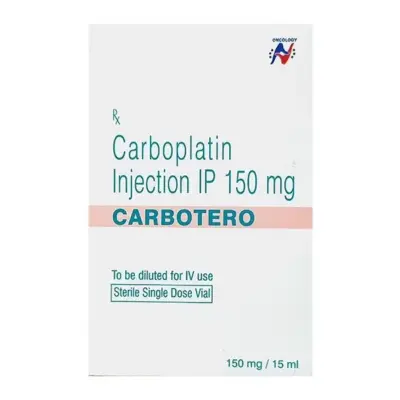
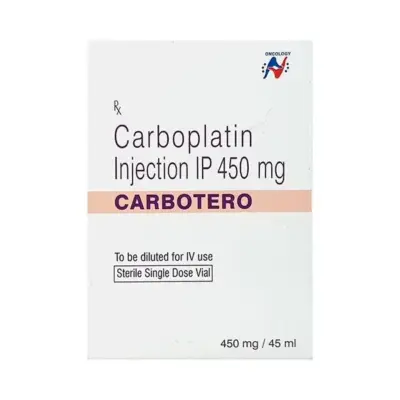
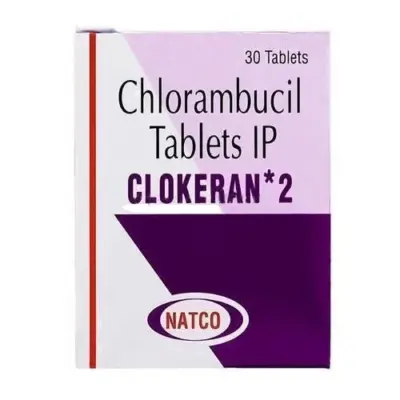
Alkylating Agents & Platinum Complexes: Chemotherapy drugs, such as Carcoplatin, Cisplatin, and Cyclophosphamide, interfere with DNA structure, causing disruption of DNA replication and induction of apoptosis.
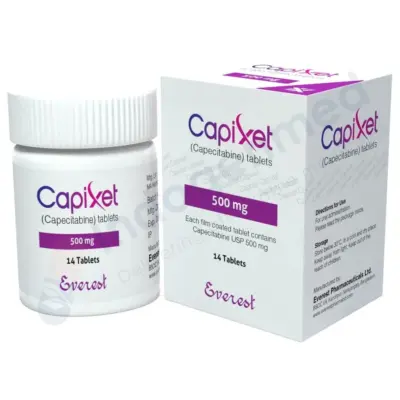
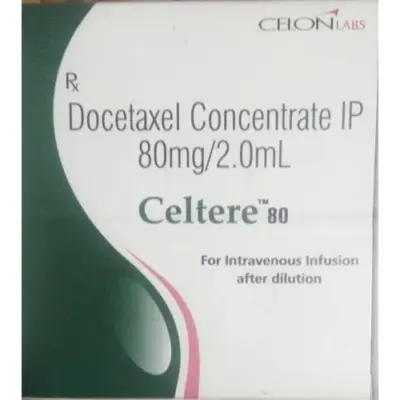
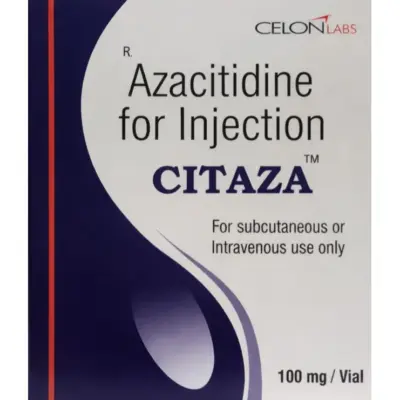
Antimetabolites: Cytotoxic drugs, such as Capecitabine, 5-Fluorouracil (5-FU), and gemcitabine, interfere with DNA replication by providing faulty building blocks for DNA synthesis, causing disruption of DNA replication. Plant Alkaloids & Taxanes: Drugs such as Paclitaxel, Docetaxel, and Vincristine disrupt the formation of microtubules, leading to cell cycle arrest at metaphase.
2. Targeted Small-Molecule Kinase Inhibitors
Targeted therapies use small molecule drugs, which penetrate the cell membrane to inhibit specific intracellular enzyme pathways responsible for the transformation of normal cells into cancerous cells. This group of anti-cancer drugs includes:
EGFR Inhibitors: Erlotinib, Gefitinib, Osimertinib target Epidermal Growth Factor Receptor (EGFR) phosphorylation pathways, which are disrupted in many cases of Non–Small Cell Lung Cancer (NSCLC).
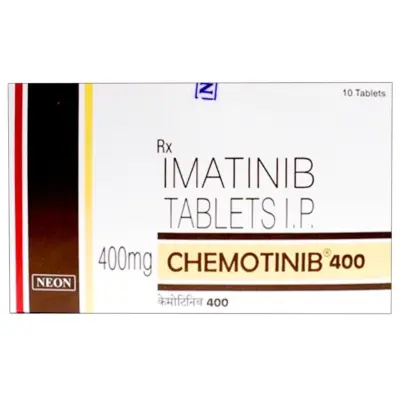
BCR-ABL Inhibitors: Imatinib, Dasatinib target abnormal tyrosine kinase associated with the Philadelphia chromosome in Chronic Myeloid Leukemia (CML).
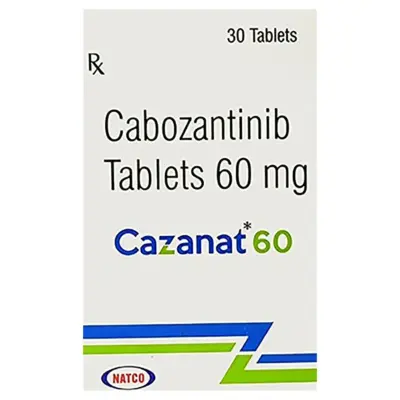
Multi-kinase & Anti-angiogenesis Inhibitors: Lenvatinib, Sorafenib, Cabozantinib target Vascular Endothelial Growth Factor (VEGF) receptors to inhibit the formation of new blood vessels.
3. Monoclonal Antibodies and Immunotherapies
Biologics engineered to bind specific external antigens or reactivate anti-tumor immunity.
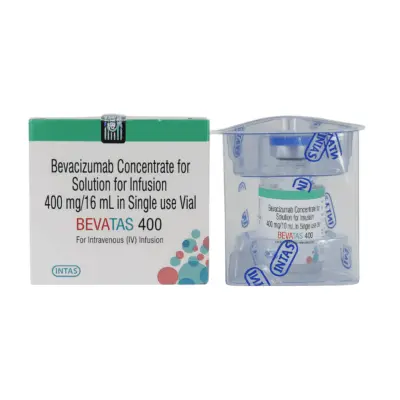
Monoclonal Antibodies (e.g., Trastuzumab, Bevacizumab, Rituximab): Directly bind oncogenic proteins (e.g., HER2, CD20) or circulating ligands (VEGF), flagging cells for immune destruction or cutting off blood supply.
Immune Checkpoint Inhibitors (e.g., Pembrolizumab, Nivolumab): Block inhibitory receptor pathways (PD-1/PD-L1), enabling host cytotoxic T-lymphocytes to recognize and destroy cancer cells.
4. Endocrine and Hormone-Modulating Therapies
Certain malignancies are hormone-dependent, and the application of endocrine drugs that inhibit hormone production or hormone receptor expression plays an important role in the treatment of such tumors.
Aromatase inhibitors (Letrozole, Anastrozole) suppress the peripheral conversion of androgens to estrogens and are indicated in the treatment of postmenopausal women with hormone-receptor-positive (HR +) breast cancer.
Selective estrogen receptor modulators (Tamoxifen) act by binding to estrogen receptors in breast tissue.
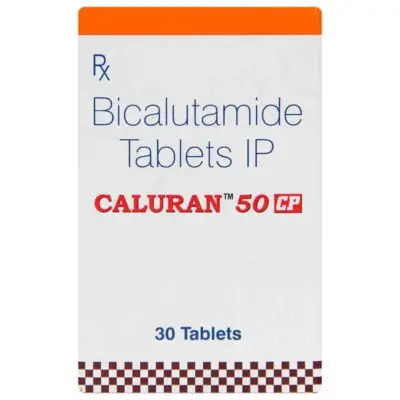
Androgen pathway inhibitors (Abiraterone Acetate, Enzalutamide, Bicalutamide) suppress androgen production or interfere with androgen receptor activation. Such drugs are used in the treatment of metastatic castration-resistant prostate cancer (mCRPC).
5. Supportive and Palliative Oncology Drugs
A number of supportive care drugs have been developed to help cancer patients cope with the side effects of tumor treatments and maintain a good quality of life.
G-CSF preparations (Filgrastim, Pegfilgrastim) stimulate neutrophil proliferation and are used to reduce the risk of neutropenia that may occur as a side effect of chemotherapy.
The antiemetics (Ondansetron, Aprepitant) bind to 5-HT3 and NK1 receptors, thereby inhibiting the vomiting center and reducing the risk of chemotherapy-induced nausea and vomiting (CINV). Both acute and delayed CINV can be prevented with the help of such receptor blockers.
Navigating the Oncology Medicines in This Category
The products cataloged across this category feature verified generic formulations alongside specialty branded pharmaceuticals manufactured by internationally audited pharmaceutical facilities (including Cipla, Sun Pharma, Dr. Reddy’s, Natco, and Zydus).
Molecule / Drug Class
Common Brand Equivalents
Route
Primary Indications
Key Monitoring Parameters
Abiraterone Acetate
Zytiga, Abirapro, Xbira
Oral
Metastatic Prostate Cancer
Serum potassium, LFTs, blood pressure
Capecitabine
Xeloda, Capegard
Oral
Colorectal, Gastric, Breast Cancer
Hand-foot syndrome, renal clearance, CBC
Imatinib Mesylate
Gleevec, Veenat
Oral
CML, Gastrointestinal Stromal Tumors (GIST)
Complete blood count (CBC), fluid retention
Erlotinib / Gefitinib
Tarceva, Erlocip / Iressa, Geftinat
Oral
EGFR-mutated Non-Small Cell Lung Cancer
Dermatological rash, diarrhea, pulmonary signs
Carboplatin / Cisplatin
Paraplatin, Kemocarb / Platin
IV
Ovarian, Lung, Testicular, Bladder Cancers
Renal function (eGFR), audiometry, electrolytes
Bevacizumab
Avastin, Bevacizumab
IV
Colorectal, Ovarian, Cervical Cancers
Proteinuria, blood pressure, wound healing
Oral vs. Injectable Oncology Formulations
Oral oncolytics can be taken at home but require a disciplined regimen and careful handling to avoid toxicity. Injectable oncolytics require the supervision of trained personnel and the use of purpose-specific equipment to allow early recognition and management of hypersensitivity reactions
Quality and Bioequivalence Standards for Generic Anti-Cancer Agents
Generic oncology products distributed via Indogenmed must demonstrate compliance with the following standards:
Bioequivalence Testing: To assure the active ingredients are pharmaceutically equivalent with respect to rate and extent of absorption as measured by of the plasma concentration-time curves.
Certified Manufacturing: From manufacturers certified by WHO-GMP, US FDA, UK MHRA, or EU-GMP
Batch Certificates of Analysis (CoA): Documentation of all physical characteristics, dissolution, and assay purity for each released batch
Safe Handling, Administration, and Storage of Cytotoxic Medicines
Antineoplastic medicines are hazardous substances. Caregivers and patients receiving oral oncology treatment should follow specific handling precautions:
Handling Precautions: Chemotherapy capsules and tablets should not be crushed, chewed, cut, or suspended unless so instructed by an oncologist. Caregivers should additionally wear disposable nitrile gloves when handling tablets or blister packs.
Dedicated Storage: Oncology medications must be stored separately from the household’s regular medications and kept away from children and pets.
Temperature and Light Control: The instructions on the packaging must be followed at all times. Oral medications that are stored at room temperature must be kept in a cool and dry place away from direct sunlight.
Cold-Chain Integrity: Biologicals, injectables, and monoclonal antibodies must be kept under refrigerated conditions at all times. Never allow such preparations to be subjected to freezing, as it permanently alters the tertiary structure of proteinaceous drugs, thereby destroying their pharmacological efficacy.
Safe Disposal: Expired, contaminated, or unused oncology medications must never be disposed of in the regular trash or chemical waste streams (e.g., sink or toilet). Instead, return them to a designated hazardous-waste disposal program.
Managing Side Effects and Recognizing Oncologic Emergencies
Antineoplastic therapies require close monitoring to identify and manage adverse effects before they escalate:
Febrile Neutropenia: Fever of or higher is considered to be a life-threatening emergency both during and outside of treatment. In patients with reduced white blood cell counts, minor infections have the capacity to spread quickly throughout the body, leading to severe sepsis requiring immediate IV antibiotic coverage.
Myelosuppression: A decrease in platelet count may lead to spontaneous bruising or bleeding; severe anemia will require careful evaluation and possible blood component transfusion.
Extravasation (Injectables): In case of burning, stinging, or swelling around the site of a catheter during chemotherapy, seek immediate nursing assistance to stop the chemotherapy infusion to prevent chemotherapy-induced tissue damage.
Critical Drug, Herbal, and Dietary Interactions
Oncology pharmaceuticals often interact with prescription drugs, dietary supplements, and diet elements:
Inhibition of CYP3A4 Enzyme: Many of tyrosine kinase inhibitors and oral chemotherapeutics are intensively metabolized by liver enzymes, especially cytochrome P450 3A4.
Strong inhibitors of CYP3A4, such as grapefruit, clarithromycin, and ketoconazole, can increase the concentration of a drug in the blood, which can be dangerous for the patient.
Strong inducers of CYP3A4, including St. John’s Wort, rifampicin, and carbamazepine, can reduce the concentration of a drug in the blood, making it less effective.
Over-the-counter antioxidants, such as vitamins C and E and coenzyme Q10, may interfere with the way radiation therapy or alkylating chemotherapy works. Radiation therapy and alkylating agents generate oxygen free radicals that damage the DNA of cancerous cells, so the high dose of antioxidants may reduce their effectiveness.
Proton pump inhibitors (PPIs), such as omeprazole, or H2-blockers may reduce the absorption of oral tyrosine kinase inhibitors (TKIs), including erlotinib and dasatinib.
Frequently Asked Questions
Are generic oncology medicines as effective as brand-name cancer drugs?
Yes. Regulatory-grade generic oncology medicines contain the identical active pharmaceutical ingredient, dosage, route of administration, and purity profiles as their brand-name counterparts. Bioequivalence studies submitted to international regulatory bodies confirm that they demonstrate equivalent therapeutic efficacy and safety.
What is the Named Patient Program (NPP) for oncology medicines?
The Named Patient Program is a recognized regulatory pathway allowing physicians and individual patients access to innovative or cost-effective life-saving medications licensed outside their home country. This process complies with national import regulations, requiring documented valid prescriptions and medical oversight.
What is the most critical safety precaution when taking oral chemotherapy at home?
Adherence to safe handling and dosing instructions. Tablets must be swallowed whole with water—never split, chewed, or crushed. Caregivers should handle blister packs wearing disposable nitrile gloves, and patients must store these medications away from children, food, and other household drugs.
Why do certain oncology therapies require strict cold-chain handling?
Monoclonal antibodies and other biologic treatments are complex, temperature-sensitive proteins. Exposure to temperatures outside the certified $2^\circ\text{C}$ to $8^\circ\text{C}$ range can cause protein denaturing, aggregation, and loss of biological activity, compromising treatment safety and efficacy.
What should a cancer patient do if they develop a fever during chemotherapy?
Seek emergency medical evaluation immediately. A fever during chemotherapy is considered febrile neutropenia until proven otherwise. A low white blood cell count impairs the body’s natural defense against infection, requiring urgent blood cultures and immediate broad-spectrum antibiotic therapy.
Can cancer medications be purchased without a prescription?
No. Antineoplastic agents are strictly regulated, prescription-only medicines. Because of their specialized dosing protocols, toxicity risks, and necessary clinical monitoring, reputable distributors require a valid prescription from a licensed medical oncologist.
How do targeted cancer therapies differ from traditional chemotherapy?
Traditional chemotherapy affects all rapidly dividing cells throughout the body without distinguishing between malignant and healthy tissues. Targeted therapies identify and attack specific genetic mutations, proteins, or signaling pathways unique to cancer cells (such as EGFR or HER2), reducing broad systemic damage to healthy tissue.
Can a patient take over-the-counter vitamins or herbal teas during cancer therapy?
Always consult your medical oncologist before taking any supplements, botanicals, or over-the-counter medicines. Many common compounds (including high-dose Vitamin C, St. John’s Wort, and green tea extracts) interact directly with hepatic metabolic pathways, potentially reducing treatment efficacy or causing unexpected liver toxicities.
Cookies on this site
We use cookies that are needed to run the shop, and — only if you agree — cookies that help us measure how the site is used. Nothing non-essential runs until you choose.
Privacy policy