Description
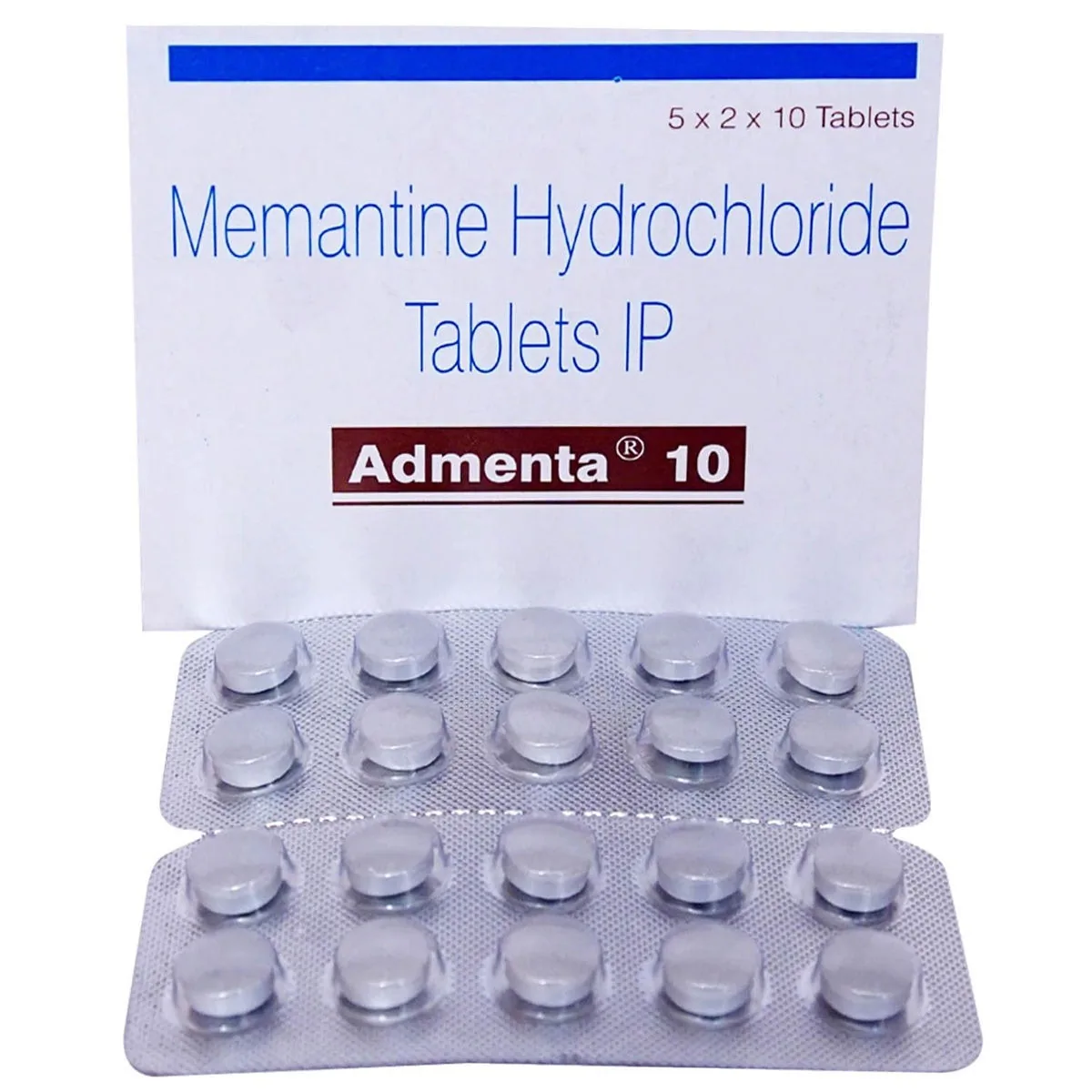
Admenta 10 Mg Tablets
Admenta 10 Mg Tablets contain memantine hydrochloride, an NMDA (N-methyl-D-aspartate) receptor antagonist used in the treatment of moderate to severe Alzheimer’s disease. Memantine reduces the pathological over-stimulation of glutamate receptors that contributes to neuronal damage and cognitive decline in Alzheimer’s disease. It is used to slow the progression of symptoms and improve daily functioning in affected patients.
Composition
| Active Ingredient | Strength |
|---|---|
| Memantine Hydrochloride | 10 mg per tablet |
About the Manufacturer
Admenta is manufactured by Sun Pharmaceutical Industries Limited, one of the world’s largest specialty generic pharmaceutical companies headquartered in Mumbai, India. Sun Pharma has a broad portfolio of central nervous system medicines and supplies to regulated markets globally.
Mechanism of Action
Memantine is a low-to-moderate affinity, uncompetitive NMDA receptor antagonist. In Alzheimer’s disease, sustained activation of NMDA receptors by glutamate causes chronic low-level excitotoxicity that impairs neuronal function and memory. Memantine blocks NMDA receptor channels in a voltage-dependent manner, reducing pathological glutamate-mediated calcium influx while still allowing physiological synaptic activity required for learning and memory.
Indications
- Moderate to severe Alzheimer’s disease
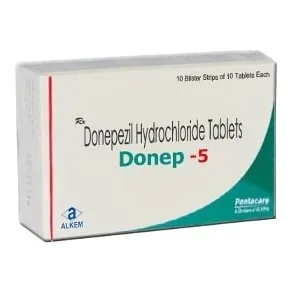
- May be used in combination with cholinesterase inhibitors (e.g. donepezil) in moderate-to-severe disease
Dosage & Administration
- Target dose: 20 mg once daily (or 10 mg twice daily)
- Titration: Start at 5 mg once daily in week 1; increase to 10 mg daily in week 2; 15 mg daily in week 3; 20 mg daily from week 4 onwards
- Can be taken with or without food
- If a dose is missed, take it as soon as remembered but do not double the next dose
Special Populations
- Moderate renal impairment (CrCl 40–60 mL/min): Reduce maintenance dose to 10 mg/day
- Severe renal impairment (CrCl 5–29 mL/min): Maximum 10 mg/day; use with caution
- Hepatic impairment: No dose adjustment required in mild-to-moderate impairment; avoid in severe impairment
- Elderly: Standard dosing with slow titration; renal function should be monitored
- Children: Not indicated in paediatric populations
Precautions
- Monitor renal function prior to and during treatment, especially in elderly patients
- Use with caution in patients with seizure disorders; memantine may lower the seizure threshold
- Conditions that increase urinary pH (urinary tract infections with urea-splitting bacteria, strict vegetarian diet, renal tubular acidosis) can reduce memantine excretion and increase plasma levels
- Use with caution in patients with recent myocardial infarction or uncompensated heart failure
Contraindications
- Hypersensitivity to memantine hydrochloride or any excipient in the formulation
Side Effects
- Common: Headache, dizziness, constipation, somnolence, hypertension, dyspnoea
- Less common: Fatigue, hallucinations, confusion, abnormal gait
- Rare: Seizures, heart failure exacerbation, pancreatitis, psychosis
Drug Interactions
- Other NMDA antagonists (amantadine, ketamine, dextromethorphan): Concomitant use not recommended due to additive CNS toxicity risk
- Levodopa and dopaminergic agonists: Memantine may enhance their effects
- Anticholinergic drugs: Effects may be increased
- Drugs that alkalinise urine (e.g. sodium bicarbonate, carbonic anhydrase inhibitors): May reduce memantine clearance; monitor for accumulation
- Cholinesterase inhibitors (donepezil, rivastigmine): Combination is used clinically; no clinically significant pharmacokinetic interaction
Storage
Store below 30°C in a dry place, away from direct light. Keep out of the reach of children. Do not use after the expiry date printed on the pack.
Related Products
- Folvite 5 Mg Tablets – folic acid supplement for older adults
- Emeset 8 Mg Tablets – ondansetron for nausea management
- Corbis 5 Mg Tablets – bisoprolol for cardiovascular comorbidities
Frequently Asked Questions
- What is Admenta 10 Mg used for?
- Admenta 10 Mg is used to treat moderate to severe Alzheimer’s disease, helping to slow the decline in cognitive function, memory, and daily activities.
- How long does memantine take to work?
- Effects are gradual. Improvement in function or slowing of decline may become noticeable over weeks to months. Memantine is a long-term treatment and should not be stopped abruptly without medical guidance.
- Can Admenta be used with other Alzheimer’s medicines?
- Yes. Memantine is frequently combined with a cholinesterase inhibitor such as donepezil for moderate-to-severe Alzheimer’s disease. Your specialist will decide if combination therapy is appropriate.
- What are the most common side effects of memantine?
- The most commonly reported side effects include dizziness, headache, constipation, and somnolence. These are generally mild and often improve with time.
- Does memantine cure Alzheimer’s disease?
- No. Memantine does not cure Alzheimer’s disease or stop it completely, but it can help slow the progression of symptoms and maintain independence for longer. It is a symptomatic treatment.
References
- NHS – Memantine
- MedlinePlus – Memantine
- EMA – Ebixa (Memantine) EPAR
- FDA – Memantine Hydrochloride Prescribing Information
Disclaimer: This page is for informational purposes only and does not constitute medical advice. Admenta 10 Mg Tablets should be prescribed and monitored by a qualified neurologist or geriatrician. Treatment decisions for Alzheimer’s disease should involve the patient, their carers, and a healthcare team. Consult your doctor before making any changes to medication.
Reviews
There are no reviews yet.