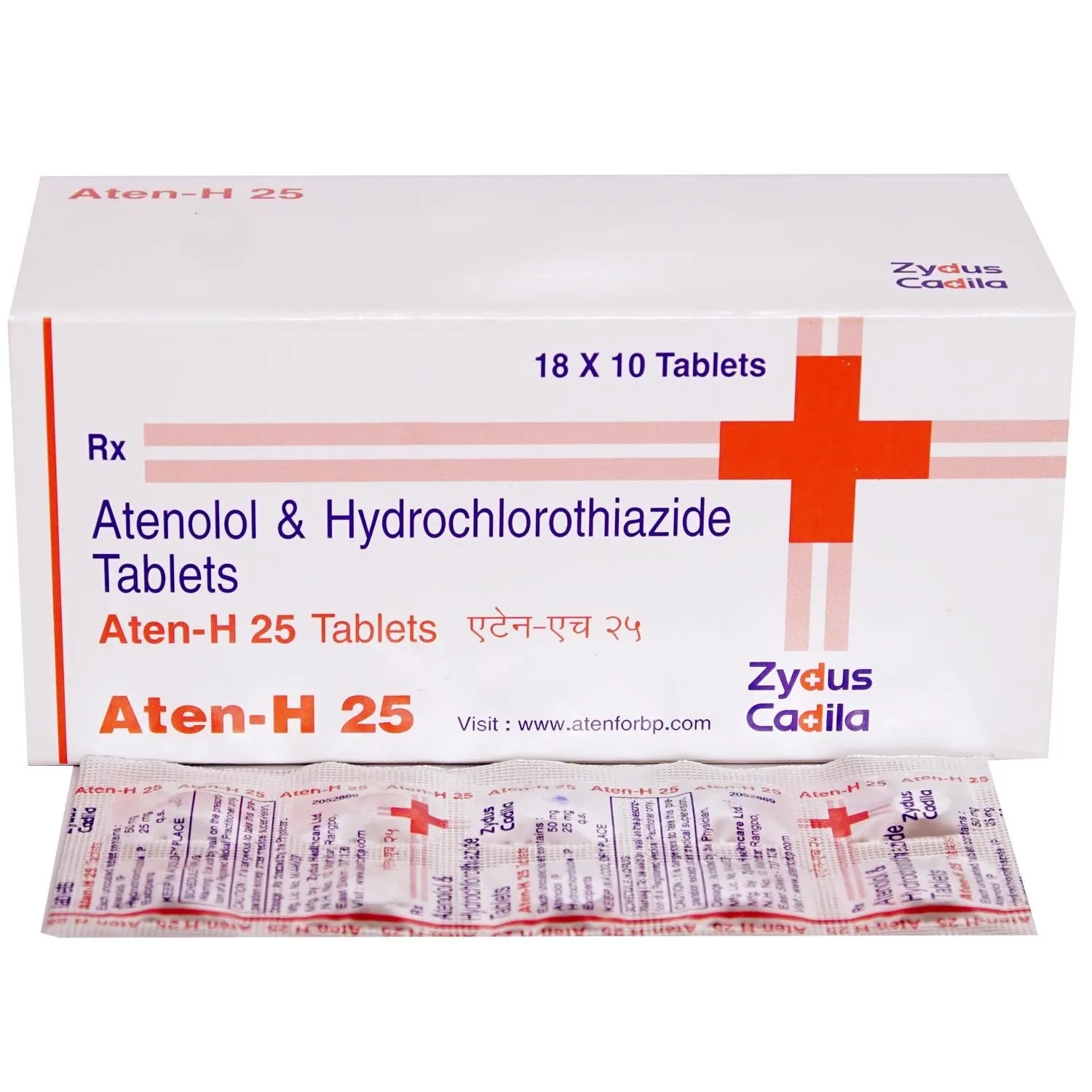
Description
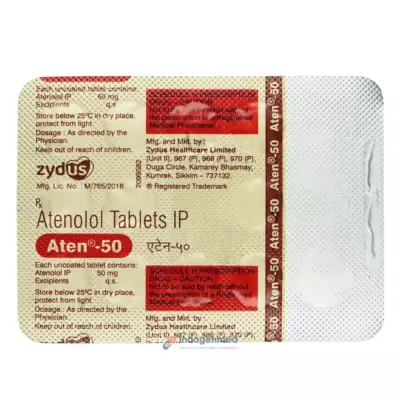
Aten 25 Mg Tablets
Aten 25 Mg Tablets contain atenolol 25 mg, a beta-blocker that slows the heart rate and reduces the force of heart contractions. Atenolol is prescribed for high blood pressure (hypertension), angina pectoris and certain heart rhythm disorders. The 25 mg strength is the lowest in the Aten range and is often used as a starting dose for older patients, people with kidney impairment, or those who are sensitive to beta-blockers. It should only be started or changed under medical supervision.
Composition
| Ingredient | Strength |
|---|---|
| Atenolol | 25 mg per tablet |
| Excipients | As listed on the pack insert |
Product Details
Aten 25 Mg Tablets are oral tablets. Atenolol is a prescription-only medicine in most countries, so a valid prescription and the advice of a qualified doctor or pharmacist are needed before use.
Mechanism of Action
Atenolol is a cardioselective beta-1 adrenergic receptor blocker. It mainly affects the heart, blocking the action of adrenaline and noradrenaline on beta-1 receptors. This slows the heart rate, reduces the force of each contraction, and lowers the heart’s oxygen demand. Lower blood pressure in hypertension results from reduced cardiac output and reduced renin release. Because the effect is dose-related, the 25 mg tablet gives a smaller effect than higher strengths.
Indications
- Hypertension (high blood pressure), alone or with other antihypertensive medicines
- Angina pectoris
- Certain heart rhythm disorders
- Acute heart attack, in selected patients under hospital supervision
Dosage and Administration
The prescriber decides the dose. A 25 mg tablet is often used as a starting dose, and the dose is increased to 50 mg or 100 mg daily if needed for blood pressure control. Atenolol is taken once daily, at about the same time each day, with or without food. Patients with reduced kidney function usually need a lower maximum dose, and the prescriber will check the dose against kidney function. Do not stop atenolol suddenly, because this can cause a rapid rise in heart rate, blood pressure or chest pain. Any reduction should be gradual and supervised.
Special Populations
Older adults: a low starting dose is commonly chosen, with monitoring of heart rate, blood pressure and dizziness or falls.
Kidney impairment: atenolol is cleared by the kidneys, so the maximum dose is reduced in moderate to severe impairment.
Pregnancy: use only if clearly needed, as atenolol can affect fetal growth.
Breastfeeding: atenolol passes into breast milk, so use requires medical advice.
Children: use is only under specialist supervision.
Precautions
- Atenolol can mask the warning signs of low blood sugar, such as a racing heart and tremor, so people with diabetes on insulin or sulfonylureas should monitor their glucose closely.
- People with asthma or COPD should use it only when there is no reasonable alternative, as it can trigger bronchospasm.
- Those with poor circulation to the hands and feet may notice worsening symptoms.
- Report a slow pulse, fainting, worsening breathlessness or ankle swelling promptly.
- Tell your surgeon or anaesthetist that you take a beta-blocker before any operation.
Contraindications
- Known hypersensitivity to atenolol or any excipient
- Sinus bradycardia (very slow heart rate), second- or third-degree heart block, or sick sinus syndrome without a pacemaker
- Cardiogenic shock, or uncompensated heart failure
- Severe peripheral arterial disease
- Untreated phaeochromocytoma, unless alpha-blockade is given first
- Metabolic acidosis
Side Effects
Common: tiredness, dizziness, cold hands and feet, slow heart rate, headache.
Uncommon: sleep disturbance, nightmares, diarrhoea, nausea, worsening circulation.
Rare: depression, breathing difficulty in people with asthma, skin rash, visual disturbance.
Seek urgent medical help for fainting, severe dizziness, new or worsening chest pain, a very slow pulse, or breathing difficulty.
Drug Interactions
- Verapamil and diltiazem: risk of excessive slowing of the heart; use with caution.
- Other antihypertensives, including diuretics and alpha-blockers: additive blood pressure lowering.
- Clonidine: stopping clonidine while on a beta-blocker can cause a dangerous rise in blood pressure.
- Insulin and oral diabetes medicines: may mask warning signs of hypoglycaemia.
- NSAIDs such as ibuprofen: may reduce the blood pressure lowering effect.
- Digoxin: additive slowing of the heart rate.
Tell your doctor or pharmacist about every medicine, herbal product and supplement you take.
Storage
Store in the original package in a dry place below 25 to 30 degrees Celsius, protected from light and moisture. Keep out of the reach of children. Do not use after the expiry date on the pack.
Related Products
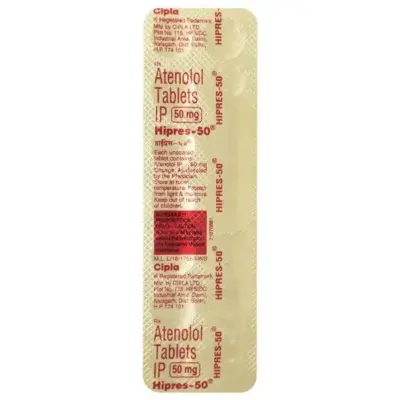
- Aten 50 Mg Tablets: the usual maintenance dose for many patients once the starting dose is tolerated.
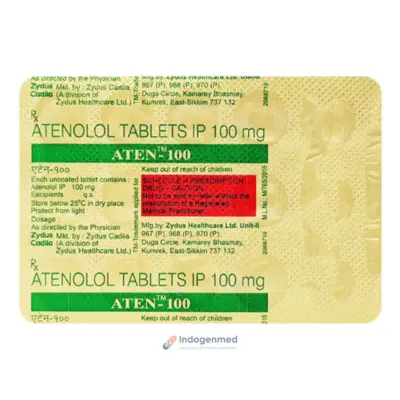
- Aten 100 Mg Tablets: the highest strength, used when the prescriber needs a higher daily dose.
Frequently Asked Questions
Is Aten 25 Mg the same as Aten 50 Mg?
They contain the same active ingredient at different strengths. The prescriber chooses the strength based on blood pressure response and kidney function.
Can I stop taking it when my blood pressure improves?
No. Stopping atenolol suddenly can cause a rebound rise in blood pressure and heart rate. Speak to your doctor about a gradual reduction.
What if I miss a dose?
Take it when you remember, unless it is almost time for the next dose. Never take two doses at once.
Can I drink alcohol?
Alcohol can increase dizziness and lower blood pressure further. Limit alcohol and check with your doctor.
References
- NHS: Atenolol. https://www.nhs.uk/medicines/atenolol/
- electronic Medicines Compendium (emc): Atenolol summary of product characteristics. https://www.medicines.org.uk/emc
- U.S. National Library of Medicine, DailyMed: Atenolol labelling. https://dailymed.nlm.nih.gov
Disclaimer
This information is for general education and does not replace advice from a qualified doctor or pharmacist. Check dosing, contraindications and interactions against the pack insert and the prescriber’s instructions. Do not start, stop or change this medicine without medical advice.

Reviews
There are no reviews yet.