
Description
What Is Daruvir 600mg Tablet?
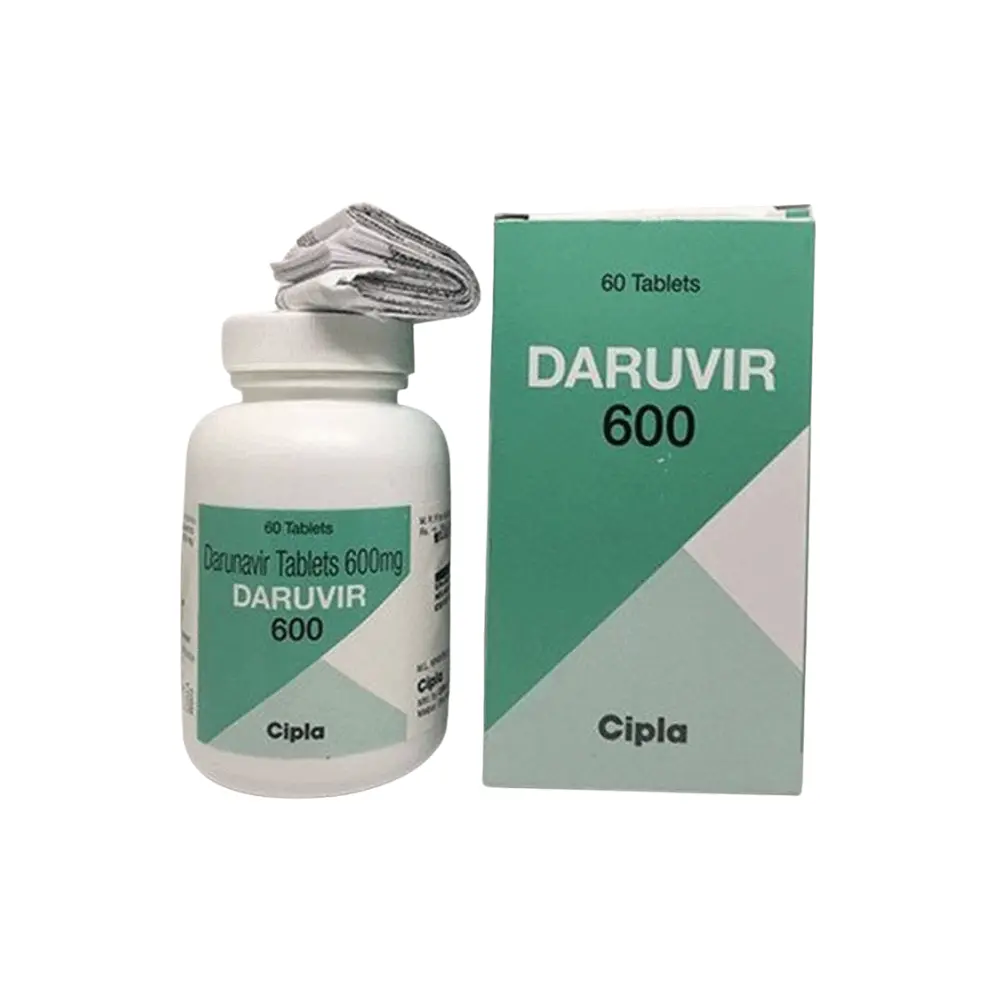
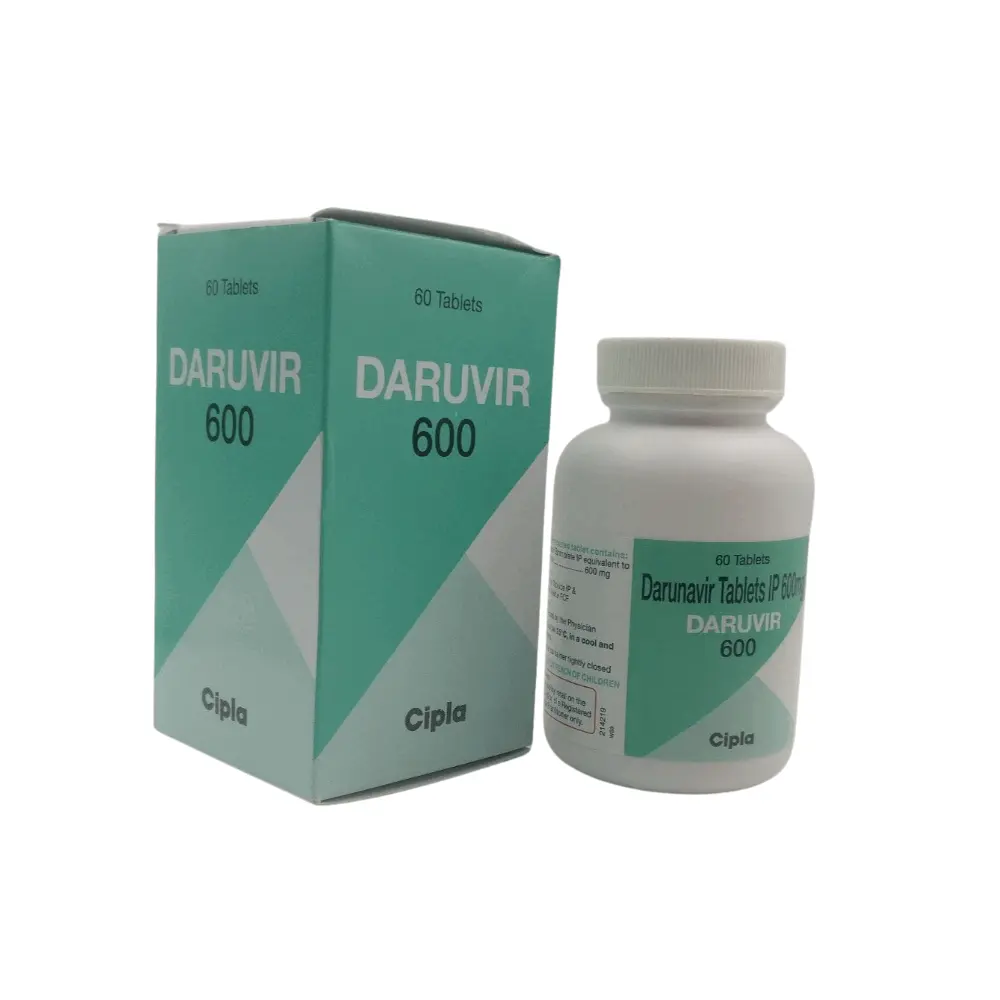
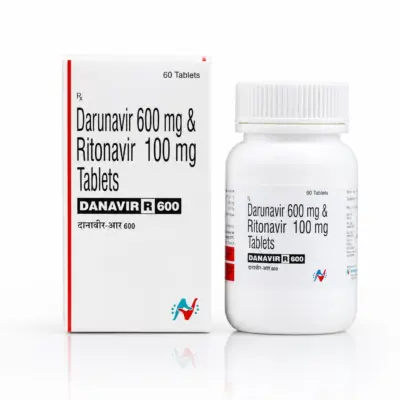
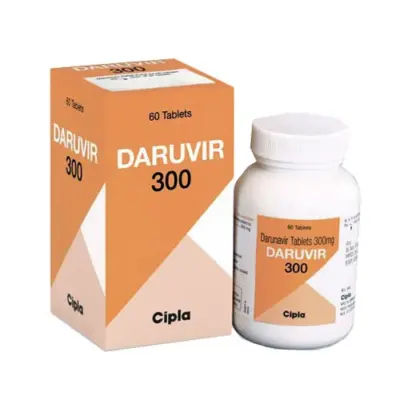
Daruvir 600mg Tablet is an oral prescription antiretroviral medication manufactured by Cipla Ltd. Each film-coated tablet contains Darunavir (as darunavir ethanolate) 600 mg.
Daruvir belongs to the pharmacological class of second-generation HIV-1 protease inhibitors (PIs). It is prescribed under specialist medical supervision (such as by an infectious disease specialist, clinical pharmacologist, or HIV clinician) as part of combination antiretroviral therapy (cART) to manage Human Immunodeficiency Virus Type 1 (HIV-1) in adult and pediatric patients.
Daruvir is recognized for its high genetic barrier to resistance. The 600 mg strength is particularly valuable for treatment-experienced individuals whose viral strains have developed mutations against older protease inhibitors, as well as for specific clinical situations such as pregnancy.
Quick Product Fact Sheet
- Brand Name: Daruvir 600mg Tablet
- Active Ingredient: Darunavir (600 mg)
- Manufacturer: Cipla Ltd.
- Therapeutic Class: Antiretroviral agent
- Pharmacological Class: Second-Generation HIV-1 Protease Inhibitor (PI)
- Dosage Form: Film-coated oral tablet
- Mandatory Booster: Must be co-administered with a booster (Ritonavir 100mg or Cobicistat 150mg)
- Dietary Rule: Must always be taken with food
- Packaging: Bottle of 60 tablets with moisture-absorbing desiccant
How Daruvir 600mg Works
To multiply and infect healthy immune cells, HIV-1 depends on three essential viral enzymes: reverse transcriptase, integrase, and protease. Daruvir targets the final maturation stage of the viral replication cycle.
The Mechanism of Action Explained:
- Targeting the Viral Scissors: After HIV replicates inside a host cell, it creates long, non-functional protein chains. The viral protease enzyme acts like a pair of scissors, cutting these chains into smaller structural units and working enzymes.
- Blocking the Active Site: Darunavir binds tightly to the catalytic core of the HIV-1 protease enzyme, preventing it from making these cuts.
- Producing Immature Virions: Because the proteins cannot be processed, any new virus particles that bud out of the host cell remain immature and non-infectious. They cannot attack other CD4+ T-lymphocytes.
- Resisting Mutations: Darunavir was designed to bind directly to the main structural backbone of the protease enzyme. The virus rarely mutates its core backbone without destroying its own ability to survive, which gives Daruvir a significantly higher barrier to resistance than older protease inhibitors (such as lopinavir or atazanavir).
The Mandatory Pharmacokinetic Booster Rule
Daruvir 600mg must never be taken alone. It requires co-administration with a pharmacokinetic booster—most commonly Ritonavir (100 mg) or Cobicistat (150 mg)—along with other anti-HIV medicines (such as two NRTIs).
- Why Boosting Is Necessary: When taken without a booster, the liver enzyme CYP3A4 breaks down darunavir too rapidly. Blood levels would drop below the concentration needed to suppress the virus within a few hours.
- How It Works: Low-dose ritonavir deactivates the CYP3A4 enzyme in the gut and liver, slowing down the clearance of darunavir.
- Clinical Result: This boosting effect increases darunavir blood concentrations by more than fourteen times, keeping the drug at steady, effective levels to suppress viral replication throughout the day.
Approved Medical Uses
Daruvir 600mg Tablet is indicated for adult and pediatric patients (weighing 35 kg or more) in the following settings:
- Treatment-Experienced HIV-1 Infection: Indicated for individuals whose previous antiretroviral regimens have failed, or whose viral resistance testing shows at least one darunavir resistance-associated substitution.
- HIV-1 in Pregnancy: Administered on a twice-daily schedule (600 mg darunavir plus 100 mg ritonavir twice daily) to maintain adequate drug exposure during the metabolic changes of pregnancy.
- Treatment-Naive Adults with Suspected Resistance: Used when baseline resistance mutations are suspected or while awaiting baseline resistance test results.
Important Clarification: Daruvir does not cure HIV-1 infection. Consistent daily adherence is required to keep the viral load suppressed to undetectable levels, protect immune function, and prevent sexual transmission (Undetectable = Untransmittable, or U=U).
Standard Dosage and How to Take
Daruvir must be taken strictly according to the schedule prescribed by your physician.
Standard Adult Dosing Schedules
- Treatment-Experienced Adults (with baseline resistance mutations or suspected reduced susceptibility): One Daruvir 600mg tablet plus one Ritonavir 100mg tablet twice daily, spaced approximately 12 hours apart. (Darunavir: 1200 mg/day, Ritonavir: 200 mg/day)
- Pregnant Women (regardless of treatment-naive or experienced status): One Daruvir 600mg tablet plus one Ritonavir 100mg tablet twice daily, spaced approximately 12 hours apart.
- Treatment-Experienced Adults (with no darunavir resistance mutations): Two Daruvir 600mg tablets (1200 mg) plus one Ritonavir 100mg tablet once daily, taken at the same time every 24 hours.
The Mandatory Food Requirement
Daruvir 600mg must always be taken with food:
- Taking the tablet with a meal or substantial snack increases drug absorption by 30% to 40%.
- Taking it on an empty stomach results in inadequate medicine levels in the bloodstream, which increases the risk of treatment failure and viral resistance.
Administration Checkpoints
- Swallow Whole: Swallow the tablet whole with a glass of water. Do not chew, crush, break, or dissolve the tablet.
- Timing Consistency: Take your doses at the exact same times every day (for example, with breakfast and dinner).
- Missed Dose Protocol (Twice-Daily Schedule): If a dose is missed by less than 6 hours, take the prescribed 600 mg dose with food and ritonavir immediately, then continue your normal schedule. If more than 6 hours have passed since your scheduled time, skip the missed dose and take your next dose at its regular time. Never take a double dose to make up for a missed tablet.
Potential Side Effects & Clinical Management
Daruvir is generally well tolerated, though side effects can occur, particularly during the initial weeks of treatment.
Common Side Effects
- Digestive: Diarrhea, nausea, vomiting, abdominal discomfort, flatulence, or constipation.
- Nervous System: Headache, fatigue, or dizziness.
- Metabolic Changes: Increases in total cholesterol and blood triglycerides.
- Skin: Mild to moderate skin rash (usually appears within the first four weeks and clears on its own without stopping treatment).
Serious Warnings (Seek Immediate Medical Care)
- Severe Skin Reactions (Sulfa Allergy Warning): Darunavir contains a sulfonamide (sulfa) chemical group. In rare cases, it can trigger severe, life-threatening skin conditions such as Stevens-Johnson Syndrome (SJS), Toxic Epidermal Necrolysis (TEN), or DRESS. Stop taking Daruvir immediately and seek emergency care if you develop a rash with fever, peeling skin, mouth blisters, or facial swelling.
- Liver Damage (Hepatotoxicity): Drug-induced liver injury can occur, especially in people co-infected with Hepatitis B or C. Watch for yellowing of the skin or eyes (jaundice), dark tea-colored urine, light-colored stools, or upper right-sided stomach pain.
- New-Onset Diabetes / High Blood Sugar: Protease inhibitors can raise blood sugar levels or worsen existing diabetes. Symptoms include increased thirst, frequent urination, and unexplained weight loss.
- Immune Reconstitution Inflammatory Syndrome (IRIS): As your immune system strengthens, it may trigger an inflammatory reaction against dormant, hidden infections (such as tuberculosis or fungal infections).
Precautions & Routine Safety Monitoring
- HIV-1 Viral Load & CD4 Count: Baseline, then every 3 to 6 months to evaluate viral suppression and track immune system recovery.
- Liver Function Tests (ALT, AST, Bilirubin): Baseline, then periodic checks to screen for liver irritation, especially in Hepatitis B or C co-infections.
- Fasting Lipid Profile: Baseline, then every 6 to 12 months to monitor for significant increases in cholesterol and triglycerides.
- Fasting Blood Glucose / HbA1c: Baseline and periodic to monitor for new-onset insulin resistance or diabetes.
- Kidney Function (eGFR / Serum Creatinine): Baseline and periodic to assess overall kidney health alongside companion medicines like tenofovir.
Drug Interactions & Substance Warnings
Because Daruvir must be taken with ritonavir (a strong CYP3A4 inhibitor), it has significant interactions with many other medications:
- Cholesterol-Lowering Statins: Simvastatin and lovastatin are strictly contraindicated with boosted darunavir due to the risk of severe muscle breakdown (rhabdomyolysis). Atorvastatin and rosuvastatin may be used at lower starting doses under close supervision.
- Erectile Dysfunction Drugs: Sildenafil, tadalafil, and vardenafil levels increase substantially. Doses must be reduced to avoid dangerous drops in blood pressure and visual disturbances.
- Steroid Inhalers and Injections: Fluticasone, budesonide, and triamcinolone build up in the body when combined with ritonavir, leading to Cushing’s syndrome and adrenal suppression. Beclomethasone is generally the preferred alternative.
- Sedatives & Sleep Aids: Oral midazolam and triazolam are contraindicated due to the risk of prolonged sedation and respiratory depression.
- St. John’s Wort & Rifampin: Strongly decrease darunavir levels in the blood, leading to loss of viral suppression and drug resistance. They must not be taken with Daruvir.
- Birth Control Pills: Boosted darunavir alters estrogen and progestin hormone levels. Women should use reliable non-hormonal or barrier methods of contraception (such as condoms).
Special Population Guidance
- Pregnancy: Daruvir boosted with ritonavir (600mg/100mg twice daily with food) is a preferred protease inhibitor regimen during pregnancy. Once-daily dosing is not recommended during pregnancy due to lower blood drug concentrations in the second and third trimesters.
- Breastfeeding: In settings where clean water and infant formula are accessible, mothers living with HIV should avoid breastfeeding to eliminate the risk of passing the virus to the baby.
- Sulfa Allergy: Use with caution in patients with known allergies to sulfonamides. Monitor closely for signs of skin rashes.
- Liver Disease: Safe in mild to moderate liver impairment (Child-Pugh Class A or B). Contraindicated in severe liver impairment (Child-Pugh Class C).
- Kidney Disease: No dosage adjustment is needed for patients with kidney disease or those on hemodialysis, as darunavir is cleared primarily by the liver.
- Children: Approved for pediatric patients weighing at least 15 kg when using weight-appropriate dosing schedules under specialist guidance.
Storage and Handling Protocols
- Store tablets at room temperature between 20°C and 25°C (68°F to 77°F).
- Keep tablets in their original high-density polyethylene bottle, tightly closed, in a dry place away from heat, moisture, and direct sunlight.
- Leave the moisture-absorbing desiccant pouch inside the bottle until all tablets are finished.
- Keep strictly out of reach of children and household pets.
Frequently Asked Questions (FAQs)
Q1: Can I take Daruvir 600mg by itself?
No. Daruvir 600mg must always be taken with a pharmacokinetic booster like ritonavir (100mg) and combined with other antiretrovirals. Without ritonavir, your body breaks down darunavir too fast, preventing the medicine from reaching effective levels in your blood and leading to treatment failure.
Q2: Why must Daruvir 600mg be taken with food?
Food improves the absorption of darunavir into your bloodstream by 30% to 40%. Taking your dose on an empty stomach significantly lowers the amount of medicine that enters your body, which weakens its ability to keep the virus suppressed.
Q3: What should I do if I get a rash after starting Daruvir 600mg?
Mild rashes often appear during the first four weeks of treatment and go away on their own. However, if your rash is accompanied by a fever, facial swelling, painful blisters, peeling skin, or mouth sores, this could indicate a serious allergic reaction (such as Stevens-Johnson Syndrome). Stop taking the medicine and seek emergency medical care immediately.
Q4: Does Daruvir cure HIV permanently?
No. Antiretroviral medicines do not eliminate dormant viral reservoirs in the body. However, taking Daruvir consistently every day keeps the virus undetectable in your blood, restores your immune health, and prevents the virus from being passed to sexual partners.
Medical Disclaimer: This clinical guide is strictly for educational and informational purposes and should not replace professional medical advice, diagnosis, or treatment. Always consult a qualified physician, infectious disease specialist, or healthcare provider before starting, stopping, or modifying any antiretroviral therapy.
References
- U.S. Food and Drug Administration (FDA): Prezista (darunavir) Tablets Full Prescribing Information & Pharmacokinetics. View Source
- National Center for Biotechnology Information (NCBI): StatPearls Review: Darunavir Pharmacology, Indications, and Resistance Profile. View Source
- Clinical Info HIV.gov (U.S. Department of Health and Human Services): Guidelines for the Use of Antiretroviral Agents in Adults and Adolescents with HIV. View Source
- World Health Organization (WHO): Consolidated Guidelines on the Use of Antiretroviral Drugs for Treating and Preventing HIV Infection. View Source
- MedlinePlus (U.S. National Library of Medicine): Darunavir Monograph & Patient Instructions. View Source

Reviews
There are no reviews yet.