Description
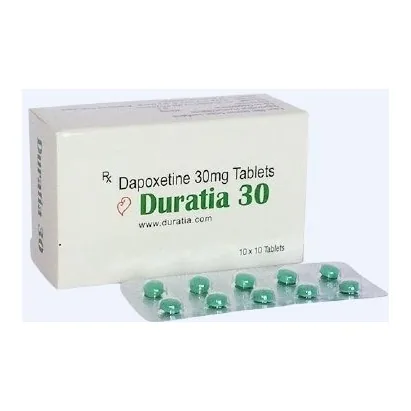
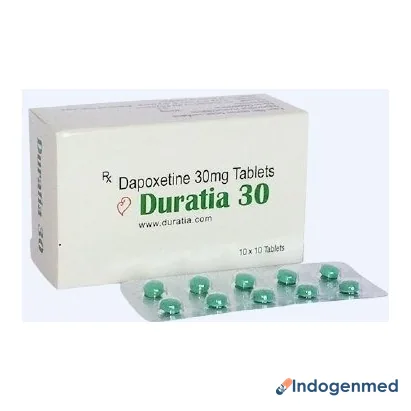
Duratia 30 Mg Tablets — Dapoxetine for Premature Ejaculation
Duratia 30 Mg Tablets contain dapoxetine 30 mg as the active pharmaceutical ingredient. Manufactured by Fortune Healthcare Pvt. Ltd., Duratia 30 Mg is a prescription oral tablet used in the treatment of premature ejaculation (PE) in adult men aged 18–64 years. Dapoxetine is the first oral medication specifically developed and approved for the on-demand treatment of premature ejaculation and belongs to the pharmacological class of selective serotonin reuptake inhibitors (SSRIs).
Premature ejaculation is characterised by ejaculation that occurs consistently within approximately one minute of vaginal penetration, before the man wishes it, and causes significant personal distress or interpersonal difficulty. It is the most prevalent male sexual dysfunction, affecting an estimated 20–30% of adult men globally across all age groups. Prior to the development of dapoxetine, treatment options were limited to off-label use of antidepressant SSRIs (which require daily dosing) or topical desensitising agents, neither of which were specifically designed or approved for premature ejaculation.
Dapoxetine differs from other SSRIs in a clinically important way: its pharmacokinetic profile is specifically optimised for on-demand use. It has a rapid onset of action (Tmax approximately 1–2 hours) and a short elimination half-life of approximately 1.3 hours, meaning it reaches therapeutic plasma concentrations rapidly and clears the body quickly. This makes it suitable for taking 1–3 hours before anticipated sexual activity, without the requirement for daily chronic dosing that characterises all other SSRIs.
Composition of Duratia 30 Mg Tablets
Each film-coated tablet of Duratia 30 Mg contains:
- Dapoxetine 30 mg (as dapoxetine hydrochloride) — the active short-acting SSRI ingredient for premature ejaculation
- Inactive excipients: lactose monohydrate, microcrystalline cellulose, croscarmellose sodium, colloidal silicon dioxide, magnesium stearate; film coating contains hypromellose, polyethylene glycol, titanium dioxide, and iron oxide pigments
Duratia 30 Mg tablets are film-coated for oral administration. The 30 mg dose is the recommended starting dose for all patients initiating dapoxetine therapy.
How Duratia 30 Mg Works — Mechanism of Action
The Neurobiology of Ejaculation
Ejaculation is a spinal reflex coordinated by the sympathetic nervous system, with higher cortical centres modulating the ejaculatory threshold. The reflex involves two phases: emission (movement of seminal fluid into the posterior urethra) and expulsion (propulsion through the urethra and external urethral sphincter relaxation). Serotonin (5-hydroxytryptamine, 5-HT) plays a key inhibitory role in ejaculatory control. Serotonergic neurones projecting from the brainstem (particularly the nucleus paragigantocellularis) to the spinal cord act to increase ejaculatory latency. Men with premature ejaculation are thought to have reduced serotonergic tone in these pathways, lowering the ejaculatory threshold and resulting in rapid, uncontrolled ejaculation.
How Dapoxetine Works
Dapoxetine is a potent, selective inhibitor of the serotonin transporter (SERT). The serotonin transporter is responsible for the reuptake of serotonin from the synaptic cleft back into the presynaptic neurone — the primary mechanism by which serotonergic signalling is terminated. By inhibiting SERT, dapoxetine increases the concentration of serotonin in the synaptic cleft, prolonging and amplifying serotonergic neurotransmission. In the spinal ejaculatory centres, this enhanced serotonergic activity raises the ejaculatory threshold, increasing the time from penetration to ejaculation (intra-vaginal ejaculatory latency time, IELT) and improving voluntary ejaculatory control.
Dapoxetine also has weaker inhibitory activity at the noradrenaline transporter (NET) and modest effects at dopamine transporters, but its clinical effects in premature ejaculation are primarily attributed to SERT inhibition and consequent enhancement of central serotonergic neurotransmission.
Why Dapoxetine Is Unique Among SSRIs
All SSRIs delay ejaculation, but conventional SSRIs (paroxetine, sertraline, fluoxetine, citalopram) require days to weeks of daily dosing to achieve steady-state plasma concentrations and their ejaculatory-delaying effect. This is because their longer half-lives (8–36 hours or more) make them unsuitable for acute on-demand dosing. Dapoxetine was engineered specifically to address this limitation. Its short half-life of approximately 1.3 hours means therapeutic plasma levels are reached rapidly after a single dose and fall equally quickly, producing a clinically meaningful effect within the dosing window without accumulation or the need for chronic daily use.
Pharmacokinetics
Following oral administration, dapoxetine is rapidly absorbed with a Tmax of approximately 1–2 hours under fasting conditions. Bioavailability is approximately 42% due to first-pass hepatic metabolism. Food intake does not significantly affect the overall bioavailability of dapoxetine, though peak concentrations may be modestly reduced with a high-fat meal. Dapoxetine is extensively protein bound (approximately 99%) and is primarily metabolised in the liver by CYP2D6, CYP3A4, and flavin monooxygenase 1 (FMO1). The principal active metabolite is desmethyl-dapoxetine (DED), which has similar SERT affinity to dapoxetine itself, and didesmethyl-dapoxetine (DDED). The elimination half-life of dapoxetine is approximately 1.3 hours; the half-lives of DED and DDED are somewhat longer. Excretion is primarily renal. The short half-life enables on-demand dosing without meaningful accumulation or persistent SERT inhibition between doses.
Uses and Indications
Primary Indication
- Premature ejaculation in adult men: Duratia 30 Mg is indicated for the on-demand treatment of premature ejaculation in adult men aged 18–64 years who meet all of the following criteria: (1) intra-vaginal ejaculatory latency time (IELT) consistently less than approximately two minutes; (2) marked personal distress or interpersonal difficulty as a result of premature ejaculation; (3) poor ejaculatory control; and (4) a history of premature ejaculation in the majority of intercourse attempts over the past six months.
Patient Populations Studied
- Men with lifelong (primary) premature ejaculation — present from first sexual experience
- Men with acquired (secondary) premature ejaculation — developed after a period of normal ejaculatory control
- Men with premature ejaculation co-occurring with erectile dysfunction, when the erectile dysfunction is treated concurrently
- Men across a range of ethnic backgrounds and geographic regions, in whom consistent efficacy was demonstrated in clinical trials
Clinical Efficacy
In Phase III clinical trials involving more than 6,000 men, dapoxetine 30 mg taken 1–3 hours before sexual activity significantly increased IELT compared to placebo. Men treated with dapoxetine 30 mg reported a 2.5- to 3-fold increase in IELT from baseline. Clinically meaningful improvements in control over ejaculation, satisfaction with sexual intercourse, and reduced personal distress related to premature ejaculation were also demonstrated compared to placebo.
Dosage and Administration
Administration
- Take Duratia 30 Mg orally, 1–3 hours before anticipated sexual activity
- Swallow the tablet whole with at least one full glass of water (240 mL); swallowing with a large volume of water reduces nausea
- Can be taken with or without food; taking with food may reduce the risk of nausea
- Take no more than once per 24-hour period
- Use only as needed; not for daily continuous use
Dose Titration
- Starting dose: 30 mg taken 1–3 hours before sexual activity
- Dose increase: If the 30 mg dose is tolerated but the response is insufficient after 4 weeks of treatment, the dose may be increased to 60 mg (see Duratia 60 Mg) under medical supervision
- Dapoxetine 30 mg should not be exceeded in patients who cannot tolerate 60 mg or in whom dose escalation is not recommended
- Approximately 46% of patients who had an inadequate response to 30 mg responded to 60 mg in clinical trials
Special Populations
- Age: Not recommended for men under 18 or over 64 years of age; safety and efficacy in these age groups have not been established
- Hepatic impairment: Contraindicated in patients with moderate or severe hepatic impairment (Child-Pugh Class B or C)
- Renal impairment: No dose adjustment required in mild-to-moderate renal impairment; not recommended in severe renal impairment
- Not for women: Dapoxetine is not indicated for use in women
Side Effects
Common Side Effects
The most common adverse effects of dapoxetine are consistent with its serotonergic mechanism and are generally mild-to-moderate in severity:
- Nausea — the most frequently reported side effect; taking the tablet with food and a large glass of water reduces its incidence
- Headache
- Dizziness — particularly orthostatic dizziness (upon standing); patients should sit or lie down if they feel dizzy
- Diarrhoea
- Somnolence (drowsiness) or fatigue
- Dry mouth
- Insomnia
- Nasopharyngitis
Less Common Side Effects
- Anxiety or agitation
- Blurred vision
- Tinnitus
- Erectile dysfunction (mild, transient)
- Decreased libido
- Hyperhidrosis (excessive sweating)
- Tremor
- Paraesthesia (tingling or numbness)
Serious Adverse Effects (Seek Immediate Medical Attention)
- Syncope (fainting) and presyncope: Dapoxetine can cause vasovagal reactions including syncope (sudden loss of consciousness) and near-fainting, particularly in the period after dosing. Patients should sit or lie down at the first sign of dizziness, light-headedness, or nausea, as these may be presyncope warning symptoms. Patients should not drive or operate machinery for several hours after taking dapoxetine.
- Serotonin syndrome: When dapoxetine is combined with other serotonergic agents, serotonin syndrome can occur — a potentially life-threatening condition characterised by hyperthermia, agitation, tremor, clonus, diaphoresis, diarrhoea, and cardiovascular instability. Seek immediate medical attention if these symptoms develop.
- Hypomania or mania: As with other serotonergic agents, dapoxetine may trigger hypomania or mania in susceptible individuals, particularly those with an underlying bipolar diathesis.
- Increased intraocular pressure: Dapoxetine may increase intraocular pressure; use with caution in patients with narrow-angle glaucoma.
- Seizures: Rare cases of seizures have been reported with SSRIs; use with caution in patients with a history of seizures.
Precautions and Warnings
- Syncope risk — strict precautions required: The risk of vasovagal syncope with dapoxetine is clinically important and distinguishes it from other SSRIs. Patients should always take the tablet while seated, avoid situations where sudden standing is required after dosing, and lie down if dizziness or nausea develop. Alcohol significantly increases this risk and must be avoided.
- Cardiovascular status: Patients with significant cardiovascular disease, including heart failure, conduction abnormalities, or QT prolongation, should not use dapoxetine without specialist assessment. Dapoxetine slightly prolongs the QT interval.
- Psychiatric history: Use with caution in patients with a history of depression, bipolar disorder, mania, or suicide attempt. As with all SSRIs, dapoxetine should be used with care in men with pre-existing psychiatric conditions and should be discontinued if significant psychiatric symptoms emerge.
- Bleeding disorders: SSRIs inhibit platelet serotonin uptake and may impair platelet function. Use with caution in patients taking anticoagulants, antiplatelet agents, or non-steroidal anti-inflammatory drugs (NSAIDs).
- Driving and machinery: Dapoxetine causes dizziness and somnolence; patients should not drive or operate heavy machinery for several hours after dosing. The risk of vasovagal syncope must be considered.
- Alcohol: Concurrent alcohol consumption substantially increases the risk of syncope, dizziness, and adverse neurological effects. Alcohol must be avoided when taking dapoxetine.
Drug Interactions
- Monoamine oxidase inhibitors (MAOIs) — ABSOLUTE CONTRAINDICATION: Dapoxetine is absolutely contraindicated in patients taking any monoamine oxidase inhibitor (phenelzine, tranylcypromine, isocarboxazid, selegiline, moclobemide, linezolid). Concurrent use risks severe serotonin syndrome, which can be fatal. Dapoxetine must not be started within 14 days of stopping an MAOI, and an MAOI must not be started within 7 days of stopping dapoxetine.
- Other serotonergic agents — HIGH RISK: Concurrent use of dapoxetine with other SSRIs, serotonin-noradrenaline reuptake inhibitors (SNRIs), tricyclic antidepressants (TCAs), triptans, lithium, tramadol, St John’s Wort, or other serotonergic agents substantially increases the risk of serotonin syndrome and is generally contraindicated or requires careful specialist assessment.
- Thioridazine — ABSOLUTE CONTRAINDICATION: Due to risk of QT prolongation and serious cardiac arrhythmias.
- CYP2D6 inhibitors: Potent CYP2D6 inhibitors (fluoxetine, paroxetine, bupropion, quinidine, terbinafine) substantially increase dapoxetine plasma concentrations. The maximum recommended dose in patients taking potent CYP2D6 inhibitors is 30 mg; dose escalation to 60 mg is contraindicated.
- CYP3A4 inhibitors: Potent CYP3A4 inhibitors (ketoconazole, itraconazole, ritonavir, clarithromycin, telithromycin) significantly increase dapoxetine plasma levels. The maximum recommended dose in patients taking potent CYP3A4 inhibitors is 30 mg; dose escalation to 60 mg is contraindicated.
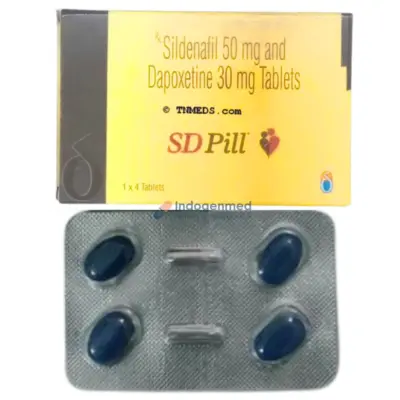
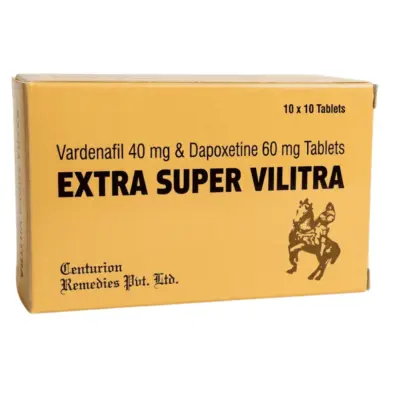
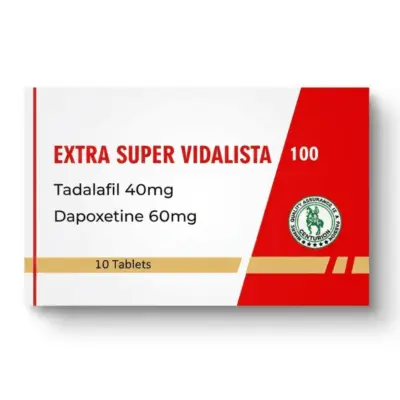
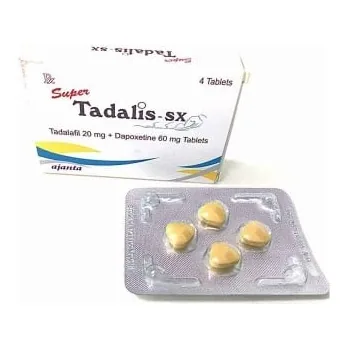
- PDE5 inhibitors: Co-administration of dapoxetine with PDE5 inhibitors (sildenafil, tadalafil, vardenafil) in men with co-existing erectile dysfunction requires care; the combination is associated with additive orthostatic effects and increased syncope risk. Take both medications while seated and avoid alcohol entirely.
- Alcohol: Significantly potentiates CNS depression, dizziness, and syncope risk. Strictly avoid concurrent alcohol use.
- Anticoagulants and antiplatelet drugs: Increased bleeding risk; monitor closely.
Contraindications
- Concurrent use of MAOIs or use within 14 days of stopping an MAOI
- Concurrent use of thioridazine
- Moderate or severe hepatic impairment (Child-Pugh Class B or C)
- Severe renal impairment (creatinine clearance <30 mL/min)
- Significant cardiovascular disease including heart failure, conduction abnormalities, sick sinus syndrome, sinoatrial block, significant bundle branch block, or uncontrolled hypertension
- History of syncope or presyncope
- History of bipolar disorder, mania, or hypomania
- History of seizure disorder
- Narrow-angle glaucoma
- Age below 18 or above 64 years
- Not indicated for use in women
- Known hypersensitivity to dapoxetine or any excipient
Storage Instructions
- Store below 30°C in a cool, dry place
- Keep away from moisture and direct sunlight
- Store in the original packaging
- Keep out of the reach of children
- Do not use after the expiry date printed on the pack
Related Products
- Duratia 60 Mg Tablets — higher-dose dapoxetine for premature ejaculation
- Filitra 10 Mg Tablets — vardenafil 10 mg for erectile dysfunction
- Filitra 40 Mg Tablets — high-dose vardenafil for erectile dysfunction
- Bigfun Jelly 100 Mg — sildenafil 100 mg oral jelly for erectile dysfunction
- Caverta 25 Mg Tablets — sildenafil 25 mg by Sun Pharma for erectile dysfunction
References
- U.S. National Library of Medicine. DailyMed — Dapoxetine. Available at: https://dailymed.nlm.nih.gov/dailymed/search.cfm?labeltype=all&query=dapoxetine
- MedlinePlus (U.S. National Library of Medicine). Dapoxetine. Available at: https://medlineplus.gov/druginfo/meds/a614025.html
- Mayo Clinic. Dapoxetine (Oral Route). Available at: https://www.mayoclinic.org/drugs-supplements/dapoxetine-oral-route/description/drg-20067951
- Pryor JL, Althof SE, Steidle C, et al. Efficacy and tolerability of dapoxetine in treatment of premature ejaculation: an integrated analysis of two double-blind, randomised controlled trials. Lancet. 2006;368(9539):929–937. Available at: https://pubmed.ncbi.nlm.nih.gov/16962882/
- Shabsigh R, Patrick DL, Rowland DL, et al. Perceived control over ejaculation is central to treatment benefit in men with premature ejaculation: results from phase III trials with dapoxetine. BJU Int. 2008;102(7):824–828. Available at: https://pubmed.ncbi.nlm.nih.gov/18540928/
Reviews
There are no reviews yet.