Description
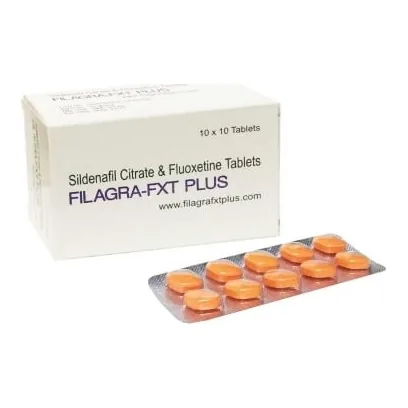
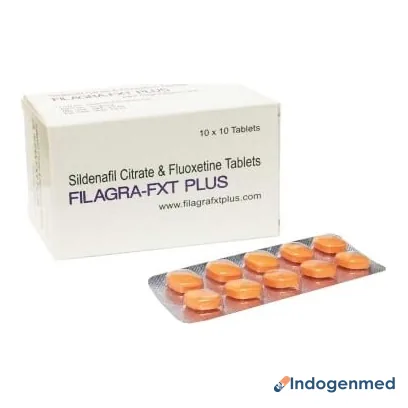
Filagra FXT Plus 100+60 Mg — Sildenafil 100 mg + Fluoxetine 60 mg for Erectile Dysfunction and Premature Ejaculation
Filagra FXT Plus 100+60 Mg is a combination oral tablet manufactured by Fortune Healthcare Pvt. Ltd., containing two active pharmaceutical ingredients: sildenafil citrate 100 mg and fluoxetine hydrochloride 60 mg. This combination is formulated for men who experience both erectile dysfunction (ED) and premature ejaculation (PE) concurrently — two of the most prevalent male sexual dysfunctions, which frequently co-exist and may share common underlying pathophysiological mechanisms.
The two components address these conditions through distinct and complementary pharmacological mechanisms. Sildenafil, a phosphodiesterase type 5 (PDE5) inhibitor, restores the capacity for erection by enhancing cavernosal smooth muscle relaxation in response to sexual stimulation. Fluoxetine, a selective serotonin reuptake inhibitor (SSRI), delays ejaculation by augmenting serotonergic neurotransmission in the central nervous system pathways that govern the ejaculatory reflex.
Filagra FXT Plus represents the higher-dose variant in the Filagra FXT range: it contains fluoxetine 60 mg compared with the 30 mg formulation in Filagra FXT 100+30 Mg. The higher fluoxetine dose may provide more pronounced ejaculatory delay, particularly in men who have used lower SSRI doses with insufficient clinical benefit or who have more severe premature ejaculation. However, it also carries a higher side effect burden and requires the same careful consideration of the clinical pharmacology of fluoxetine, particularly its long elimination half-life and requirement for consistent daily dosing to establish therapeutic steady-state plasma concentrations.
Composition of Filagra FXT Plus 100+60 Mg
Each film-coated tablet of Filagra FXT Plus 100+60 Mg contains:
- Sildenafil citrate equivalent to sildenafil 100 mg — selective PDE5 inhibitor for erectile dysfunction
- Fluoxetine hydrochloride equivalent to fluoxetine 60 mg — selective serotonin reuptake inhibitor (SSRI) for premature ejaculation
- Inactive excipients: microcrystalline cellulose, croscarmellose sodium, magnesium stearate, colloidal silicon dioxide, film coating (hydroxypropyl methylcellulose, titanium dioxide, macrogol, and colourants), and other standard tableting excipients
The 60 mg fluoxetine dose represents the upper end of the conventional fluoxetine dosing range used in psychiatry. In the context of PE treatment, this higher dose is used specifically to maximise ejaculatory delay while maintaining safety. However, the elevated fluoxetine dose demands careful attention to contraindications, drug interactions, and monitoring requirements that differ in magnitude — though not in character — from those applying to the 30 mg formulation.
How Filagra FXT Plus 100+60 Mg Works — Mechanism of Action
Sildenafil 100 mg — PDE5 Inhibition and Erection
The physiology of penile erection depends on a nitric oxide (NO)/cyclic guanosine monophosphate (cGMP) signalling cascade initiated by sexual arousal. Parasympathetic neurones and vascular endothelium in the corpus cavernosum release NO in response to stimulation. NO activates soluble guanylate cyclase, catalysing conversion of guanosine triphosphate (GTP) to cGMP. Rising cGMP levels activate protein kinase G, which reduces intracellular calcium in smooth muscle cells via phosphorylation of myosin light chain kinase and activation of calcium-sequestering pumps. The resulting smooth muscle relaxation dilates the penile arteries and arterioles, dramatically increasing cavernosal blood flow and producing erection through the veno-occlusive mechanism.
Phosphodiesterase type 5 (PDE5) is the principal enzyme degrading cGMP in cavernosal smooth muscle. In men with erectile dysfunction, PDE5 activity terminates cGMP signalling before adequate smooth muscle relaxation is achieved. Sildenafil competitively inhibits PDE5, preventing cGMP degradation and amplifying the vascular response to sexual stimulation. Critically, sildenafil has no effect in the absence of sexual arousal — NO release and cGMP production must be triggered by appropriate stimulation for the drug to exert its effect.
Sildenafil Pharmacokinetics
- Onset: 30–60 minutes (median Tmax ~60 minutes); take 30–60 minutes before sexual activity
- Duration: Approximately 4–6 hours of enhanced erectile responsiveness
- Bioavailability: ~41%; high-fat meals reduce Cmax by ~29% and delay Tmax — take on empty stomach or with light meal
- Protein binding: ~96%
- Metabolism: CYP3A4 (major) + CYP2C9 (minor) → N-desmethyl sildenafil (active, ~50% potency, ~20% of total activity)
- Elimination half-life: ~3–5 hours; duration of action approximately 4–6 hours
- Excretion: ~80% faecal, ~13% urinary
Fluoxetine 60 mg — SSRI Mechanism and Ejaculatory Delay
Premature ejaculation is characterised by ejaculation that occurs consistently within approximately one minute of vaginal penetration, before the man wishes it, and causing personal distress. The condition reflects, in part, relatively low central serotonergic tone in the ejaculatory reflex pathways — specifically the descending serotonergic projections from the nucleus paragigantocellularis (nPGi) in the brainstem, which synapse on spinal interneurones controlling the ejaculatory reflex arc in the lumbar and sacral spinal cord. Higher serotonin concentrations at the serotonin 5-HT₂ receptor subtype in this pathway tonically inhibit ejaculation, raising the threshold before the reflex is triggered.
Fluoxetine is a selective serotonin reuptake inhibitor (SSRI). It blocks the serotonin transporter (SERT) in presynaptic neurone terminals, preventing the re-uptake of serotonin from the synaptic cleft back into the presynaptic neurone. The result is elevated synaptic serotonin concentrations and enhanced postsynaptic serotonergic signalling, which raises the ejaculatory threshold and prolongs time to ejaculation. This mechanism is distinct from that of dapoxetine, a short-acting SSRI specifically formulated for on-demand PE treatment: fluoxetine requires continuous daily administration over several weeks to establish therapeutic steady-state plasma concentrations.
Why 60 mg Fluoxetine vs 30 mg
SSRI-induced ejaculatory delay exhibits a dose-response relationship: higher doses generally produce more pronounced delay in time-to-ejaculation and greater reduction in the number of thrusts to ejaculation. Men who have inadequate ejaculatory control on lower SSRI doses, or those with more severe premature ejaculation where the ejaculatory threshold requires a greater elevation to achieve meaningful clinical benefit, may require higher doses. The 60 mg formulation in Filagra FXT Plus reflects this clinical rationale — it is not simply a “stronger” product but a dose more likely to provide sufficient pharmacological effect for men who are likely to respond best to higher serotonergic augmentation.
However, the dose-response curve for side effects also applies: nausea, headache, insomnia, and other SSRI adverse effects are more frequently reported at 60 mg than at 30 mg. Men initiating SSRI therapy for premature ejaculation may benefit from starting with a lower dose and escalating only if the response is insufficient.
Fluoxetine Pharmacokinetics — The Critical Timing Issue
Fluoxetine has a pharmacokinetic profile fundamentally different from sildenafil and from dapoxetine:
- Tmax: 6–8 hours after oral dose — absorption is slow
- Bioavailability: ~72%; not significantly affected by food (may be taken with or without meals)
- Protein binding: ~94%
- Metabolism: CYP2D6 is the principal metabolising enzyme → N-demethylation produces norfluoxetine, an active metabolite with ~50% of fluoxetine’s SERT inhibitory potency
- Elimination half-life — fluoxetine: 1–4 days (single dose) up to 4–6 days (chronic dosing)
- Elimination half-life — norfluoxetine: 4–16 days — exceptionally long, the defining pharmacokinetic characteristic of this SSRI
- Steady-state: Requires approximately 4–5 weeks of daily dosing for fluoxetine and norfluoxetine to reach stable plasma concentrations
- Excretion: Primarily renal as glucuronide conjugates
The critical clinical implication: Because fluoxetine takes 4–5 weeks to reach steady-state, there is no significant ejaculatory delay benefit from an acute single dose taken immediately before sexual activity. Men using Filagra FXT Plus must commit to consistent daily dosing of the fluoxetine component over several weeks before the PE benefit is realised. During the first 2–4 weeks of treatment, sildenafil will be exerting its erectile effect but fluoxetine’s ejaculatory delay action will not yet be maximally established. This temporal mismatch is clinically important: prescribers should set appropriate expectations, and men should understand that the dual benefit of this combination becomes apparent only after sustained regular use.
The norfluoxetine active metabolite’s very long half-life (4–16 days) has an important safety implication: after stopping fluoxetine, clinically significant drug levels and pharmacological activity persist for weeks. This prolongs the washout period required before starting medications that interact with fluoxetine — particularly MAOIs, which are absolutely contraindicated (see Drug Interactions).
Uses and Indications
- Erectile dysfunction (ED) with concurrent premature ejaculation (PE): Filagra FXT Plus 100+60 Mg is specifically indicated for adult men who simultaneously experience both conditions — inability to achieve or maintain a satisfactory erection and consistent, rapid ejaculation occurring before the man wishes. The dual-component formulation addresses both deficits with a single daily tablet.
- PE with inadequate response to lower SSRI doses: Men who have previously used lower-dose SSRI therapy (or Filagra FXT 100+30 Mg) for premature ejaculation without achieving sufficient ejaculatory delay may be candidates for the 60 mg fluoxetine formulation, subject to medical review.
- Not for on-demand PE use: Due to fluoxetine’s slow onset and requirement for steady-state accumulation, this combination is not appropriate as an acute on-demand PE treatment (unlike dapoxetine). The PE benefit requires consistent daily use over weeks.
Dosage and Administration
How to Take Filagra FXT Plus
- Take one tablet orally, once daily, at approximately the same time each day — this consistency is essential for fluoxetine to maintain steady-state plasma concentrations
- For the sildenafil component: plan to take the tablet approximately 30–60 minutes before anticipated sexual activity. Where daily dosing is used as the administration schedule, the sildenafil component is active for 4–6 hours after each dose.
- The fluoxetine component may be taken with or without food — food does not significantly affect fluoxetine absorption
- For the sildenafil component: avoid high-fat meals immediately before or after the dose, as these can reduce sildenafil Cmax by ~29% and delay onset
- Swallow the tablet whole with water; do not crush or chew
- Do not exceed one tablet per 24-hour period
- Allow 4–5 weeks of consistent daily use before expecting the full PE benefit of the fluoxetine component
Special Populations
- Hepatic impairment: Both sildenafil and fluoxetine are extensively hepatically metabolised. In patients with hepatic impairment, plasma concentrations of both drugs are elevated and half-lives prolonged. This combination should be used with particular caution in patients with hepatic disease. In severe hepatic impairment (Child-Pugh C), sildenafil is contraindicated; fluoxetine requires significant dose reduction or avoidance.
- Renal impairment: Sildenafil bioavailability is increased in severe renal impairment (CrCl <30 mL/min); a lower starting sildenafil dose is recommended. Fluoxetine is not substantially renally cleared and does not require dose adjustment in renal impairment.
- Elderly (>65 years): Clearance of both sildenafil and fluoxetine is reduced in elderly patients. Plasma exposures are increased. This combination should be initiated with caution; the prescriber may consider a lower-dose combination (e.g., sildenafil 50 mg) rather than the full 100+60 mg formulation in elderly patients.
- CYP2D6 poor metabolisers: Approximately 7–10% of Caucasian patients are CYP2D6 poor metabolisers (PM), with substantially reduced capacity to convert fluoxetine to norfluoxetine. PMs accumulate higher fluoxetine concentrations and may experience increased side effects or drug interactions at the 60 mg dose.
- Not for use in women or children: This combination is indicated only in adult males for the treatment of male sexual dysfunction.
Side Effects
From the Sildenafil Component
- Common: Headache, flushing, dyspepsia, nasal congestion, visual disturbances (blue tinge, blurred vision, light sensitivity)
- Less common: Dizziness, palpitations, rash, myalgia, diarrhoea, drowsiness
- Serious: Priapism (prolonged erection >4 hours — urological emergency), non-arteritic anterior ischaemic optic neuropathy (NAION — sudden vision loss), sudden hearing loss, severe hypotension, cardiovascular events
From the Fluoxetine 60 mg Component
- Common (may be more frequent at 60 mg than lower doses): Nausea (most common, often dose-dependent), headache, insomnia, somnolence, anxiety, nervousness, dry mouth, diarrhoea, decreased appetite, excessive sweating (hyperhidrosis), tremor, dizziness
- Sexual side effects: Paradoxically, while fluoxetine delays ejaculation as an intended therapeutic effect, it may also cause reduced libido (decreased sexual desire), anorgasmia, and in some patients erectile difficulties — these are unintended consequences of systemic serotonergic augmentation and may necessitate dose review
- Weight changes: Both weight gain and weight loss have been reported with long-term fluoxetine use
- Withdrawal effects: Abrupt discontinuation of fluoxetine can cause discontinuation syndrome (dizziness, sensory disturbances, irritability, anxiety, nausea). The long half-life of fluoxetine and norfluoxetine substantially mitigates this risk compared with shorter-acting SSRIs, but gradual tapering is still recommended when stopping
Serious Adverse Effects Requiring Immediate Attention
- Serotonin syndrome: A potentially life-threatening syndrome resulting from excess serotonergic activity, most commonly when fluoxetine is combined with other serotonergic agents. Features include agitation, confusion, rapid heart rate, elevated blood pressure, dilated pupils, excessive sweating, diarrhoea, muscle twitching or rigidity (clonus, hyperreflexia), and hyperthermia. Severe cases can be fatal. Any suspected serotonin syndrome requires immediate cessation of serotonergic drugs and emergency medical attention.
- Priapism: Prolonged painful erection >4 hours is a medical emergency — seek emergency care immediately to prevent permanent erectile tissue damage
- Suicidal ideation and behaviour (antidepressant class warning): Antidepressant medications, including fluoxetine, carry a regulatory boxed warning regarding increased risk of suicidal thinking and behaviour in children, adolescents, and young adults (up to age 24) in the early weeks of treatment or following dose changes. Although Filagra FXT Plus is intended for adult men for sexual dysfunction (not depression), the fluoxetine component carries this same pharmacological risk. Men and those around them should be alert to the emergence of suicidal ideation, agitation, irritability, or other mood changes, particularly early in treatment.
- NAION (from sildenafil): Sudden painless loss of vision in one eye — discontinue immediately and seek ophthalmological review
- Sudden hearing loss: Discontinue and seek medical assessment
- Hyponatraemia: SSRIs, including fluoxetine, can cause syndrome of inappropriate antidiuretic hormone secretion (SIADH) leading to hyponatraemia (low blood sodium). Symptoms include headache, difficulty concentrating, memory impairment, weakness, confusion, and in severe cases seizures and coma. Elderly patients and those on diuretics are at highest risk.
- Severe skin reactions: Rare but serious cutaneous reactions including Stevens-Johnson syndrome (SJS) and toxic epidermal necrolysis (TEN) have been associated with fluoxetine. Discontinue at the first sign of a severe skin reaction and seek urgent medical assessment.
- Bleeding: SSRIs impair platelet aggregation by reducing platelet serotonin stores (serotonin is required for platelet activation). Fluoxetine 60 mg increases bleeding risk, particularly gastrointestinal bleeding, and especially when combined with NSAIDs, aspirin, or anticoagulants.
Precautions and Warnings
- Not suitable for patients not committed to daily use: The fluoxetine component in this combination requires consistent daily dosing over 4–5 weeks to establish the ejaculatory delay benefit. Men who want on-demand PE treatment should consider alternatives containing dapoxetine rather than fluoxetine.
- Cardiovascular risk assessment: Sildenafil should be used only after appropriate cardiovascular evaluation. Men with established coronary artery disease, significant hypertension, or other cardiovascular conditions should be assessed for the appropriateness of sexual activity and sildenafil use.
- CYP2D6 drug interactions — heightened risk at 60 mg: Fluoxetine is a potent inhibitor of CYP2D6. At 60 mg, this inhibitory effect is more pronounced than at 30 mg, and the resulting drug interactions are of greater clinical significance. The drugs most affected include tricyclic antidepressants (TCAs), certain antipsychotics (especially haloperidol, risperidone, perphenazine), opioid analgesics (codeine, tramadol — conversion to active metabolites blocked), beta-blockers (metoprolol, carvedilol), and type 1C antiarrhythmics (flecainide, propafenone). Patients taking these drugs concurrently should have them reviewed and potentially dose-adjusted before starting fluoxetine 60 mg.
- Warfarin and anticoagulant monitoring: Fluoxetine inhibits CYP2C9, the primary enzyme metabolising warfarin. Combined with its platelet effects, this creates clinically significant bleeding risk. INR should be monitored closely when fluoxetine is initiated, dose-changed, or discontinued in patients on warfarin or other CYP2C9-metabolised anticoagulants.
- Mood monitoring: Even at doses used for sexual dysfunction, fluoxetine produces systemic serotonergic effects. Men (and their partners) should be aware of potential mood-related effects including activation, irritability, or emotional blunting, particularly in the first weeks of treatment.
- Grapefruit: Grapefruit inhibits intestinal CYP3A4, increasing sildenafil plasma concentration unpredictably. Avoid on days of use.
- Alcohol: Excessive alcohol impairs both erectile function and sexual performance independently. Alcohol combined with sildenafil-induced blood pressure reduction increases risk of symptomatic hypotension.
- Priapism risk conditions: Sickle cell anaemia, multiple myeloma, leukaemia, and penile anatomical abnormalities (Peyronie’s disease) increase priapism risk. Use sildenafil with caution and ensure the patient understands the emergency management of priapism.
Drug Interactions
- Nitrates — ABSOLUTE CONTRAINDICATION: All organic nitrate medications in any formulation (GTN, isosorbide mononitrate, isosorbide dinitrate, amyl nitrite, nicorandil) are absolutely contraindicated with sildenafil due to the risk of profound, potentially fatal hypotension through synergistic potentiation of the cGMP/NO pathway. No exceptions. Minimum 24-hour washout after last sildenafil dose before nitrate administration.
- Riociguat — ABSOLUTE CONTRAINDICATION: Soluble guanylate cyclase (sGC) stimulator; combined with sildenafil causes severe hypotension.
- MAOIs — ABSOLUTE CONTRAINDICATION with fluoxetine: Monoamine oxidase inhibitors (phenelzine, tranylcypromine, isocarboxazid, selegiline, moclobemide, linezolid, methylene blue) are absolutely contraindicated with fluoxetine. The combination causes serotonin syndrome — potentially fatal excess serotonergic activity. The washout requirement before starting an MAOI after fluoxetine is a minimum of 5 weeks due to norfluoxetine’s long half-life (4–16 days). This is significantly longer than other SSRIs and must be explicitly observed. Conversely, a minimum 14-day washout after stopping an MAOI is required before starting fluoxetine.
- Thioridazine — ABSOLUTE CONTRAINDICATION with fluoxetine: Fluoxetine’s CYP2D6 inhibition elevates thioridazine plasma concentrations to levels associated with QTc prolongation and life-threatening cardiac arrhythmias (torsades de pointes). Thioridazine is absolutely contraindicated concurrently with or within 5 weeks of stopping fluoxetine.
- Pimozide — CONTRAINDICATED: Similarly, pimozide co-administration with fluoxetine is contraindicated due to CYP2D6 inhibition and QTc prolongation risk.
- Other serotonergic agents — serotonin syndrome risk: Other SSRIs, SNRIs, tricyclic antidepressants, St John’s Wort (hypericum), tramadol, triptans (sumatriptan, etc.), lithium, fentanyl, and tryptophan all increase serotonergic activity. Combining with fluoxetine elevates serotonin syndrome risk. Use with extreme caution; monitor for symptoms of serotonin toxicity.
- CYP2D6 substrates — dose adjustment may be needed: At 60 mg, fluoxetine’s potent CYP2D6 inhibition meaningfully raises plasma levels of CYP2D6-metabolised drugs. Clinically relevant examples include: TCAs (amitriptyline, nortriptyline, imipramine, clomipramine — markedly elevated, toxicity risk), antipsychotics (haloperidol, risperidone, aripiprazole, perphenazine), opioids (codeine, tramadol — reduced conversion to active morphine/O-desmethyltramadol, reducing efficacy; fentanyl interactions via serotonin syndrome risk), beta-blockers (metoprolol, carvedilol — elevated exposure, bradycardia), type 1C antiarrhythmics (flecainide, propafenone — elevated exposure, proarrhythmia risk).
- CYP3A4 inhibitors (affect sildenafil): Ritonavir, ketoconazole, itraconazole, voriconazole, clarithromycin, erythromycin substantially increase sildenafil plasma concentration. Maximum sildenafil dose 25 mg when co-prescribed with potent CYP3A4 inhibitors; with ritonavir, 25 mg every 48 hours.
- Alpha-adrenoceptor antagonists: Additive blood pressure lowering with sildenafil; risk of symptomatic hypotension. Establish stable alpha-blocker dose before starting sildenafil; initiate sildenafil at 25 mg; avoid taking both within 4 hours.
- Warfarin and CYP2C9 substrates: Fluoxetine inhibits CYP2C9, reducing warfarin metabolism and increasing INR. Monitor INR closely; warfarin dose adjustment may be required.
- NSAIDs and aspirin: Combined with fluoxetine’s platelet effects, NSAIDs and aspirin further increase gastrointestinal bleeding risk.
- Antihypertensives: Additive blood pressure lowering with sildenafil; monitor for symptomatic hypotension.
Contraindications
- All organic nitrates in any formulation or route of administration
- Riociguat
- MAOIs (monoamine oxidase inhibitors) — including within 5 weeks of stopping fluoxetine; allow 14 days after stopping MAOI before starting fluoxetine
- Thioridazine — concurrent use or within 5 weeks of stopping fluoxetine
- Pimozide
- Severe hepatic impairment (Child-Pugh C)
- Severe cardiovascular disease: unstable angina, recent myocardial infarction (<90 days), recent stroke (<6 months), significant arrhythmia, uncontrolled heart failure, hypotension (systolic <90 mmHg) or uncontrolled hypertension (>170/100 mmHg)
- Prior NAION (non-arteritic anterior ischaemic optic neuropathy)
- Not for use in women or children
- Known hypersensitivity to sildenafil, fluoxetine, or any excipient in the formulation
- Men in whom sexual activity is medically contraindicated
Storage Instructions
- Store at room temperature, below 25–30°C
- Store in a cool, dry place away from moisture and direct sunlight
- Keep in the original blister or container with the desiccant until use
- Keep out of reach of children
- Do not use after the expiry date printed on the packaging
Related Products
- Filagra FXT 100+30 Mg Tablets — sildenafil 100 mg + fluoxetine 30 mg; lower fluoxetine dose for milder PE or as a starting dose
- Filagra DXT 100+60 Mg Tablets — sildenafil 100 mg + duloxetine 60 mg; SNRI-based alternative for ED + PE
- Duratia 30 Mg Tablets — dapoxetine 30 mg; on-demand SSRI specifically designed for premature ejaculation (faster onset, shorter action than fluoxetine)
- Duratia 60 Mg Tablets — dapoxetine 60 mg; higher-dose on-demand option for premature ejaculation
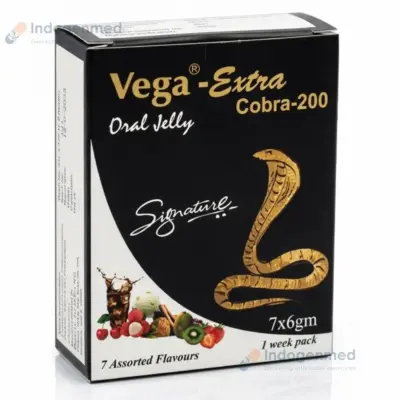
- Bigfun Jelly 100 Mg — sildenafil 100 mg oral jelly; alternative sildenafil formulation for ED without PE component
References
- U.S. National Library of Medicine. DailyMed — Sildenafil. Label for Viagra (sildenafil citrate). Available at: https://dailymed.nlm.nih.gov/dailymed/search.cfm?labeltype=all&query=sildenafil
- U.S. National Library of Medicine. DailyMed — Fluoxetine. Label for fluoxetine hydrochloride capsules. Available at: https://dailymed.nlm.nih.gov/dailymed/search.cfm?labeltype=all&query=fluoxetine
- MedlinePlus (U.S. National Library of Medicine). Fluoxetine. Available at: https://medlineplus.gov/druginfo/meds/a689006.html
- MedlinePlus (U.S. National Library of Medicine). Sildenafil. Available at: https://medlineplus.gov/druginfo/meds/a699015.html
- Mayo Clinic. Fluoxetine (Oral Route). Available at: https://www.mayoclinic.org/drugs-supplements/fluoxetine-oral-route/description/drg-20063952
- Waldinger MD, Hengeveld MW, Zwinderman AH, Olivier B. Effect of SSRI antidepressants on ejaculation: a double-blind, randomized, placebo-controlled study with fluoxetine, fluvoxamine, paroxetine, and sertraline. Journal of Clinical Psychopharmacology. 1998;18(4):274–281. Available at: https://pubmed.ncbi.nlm.nih.gov/9690692/

Reviews
There are no reviews yet.