Description
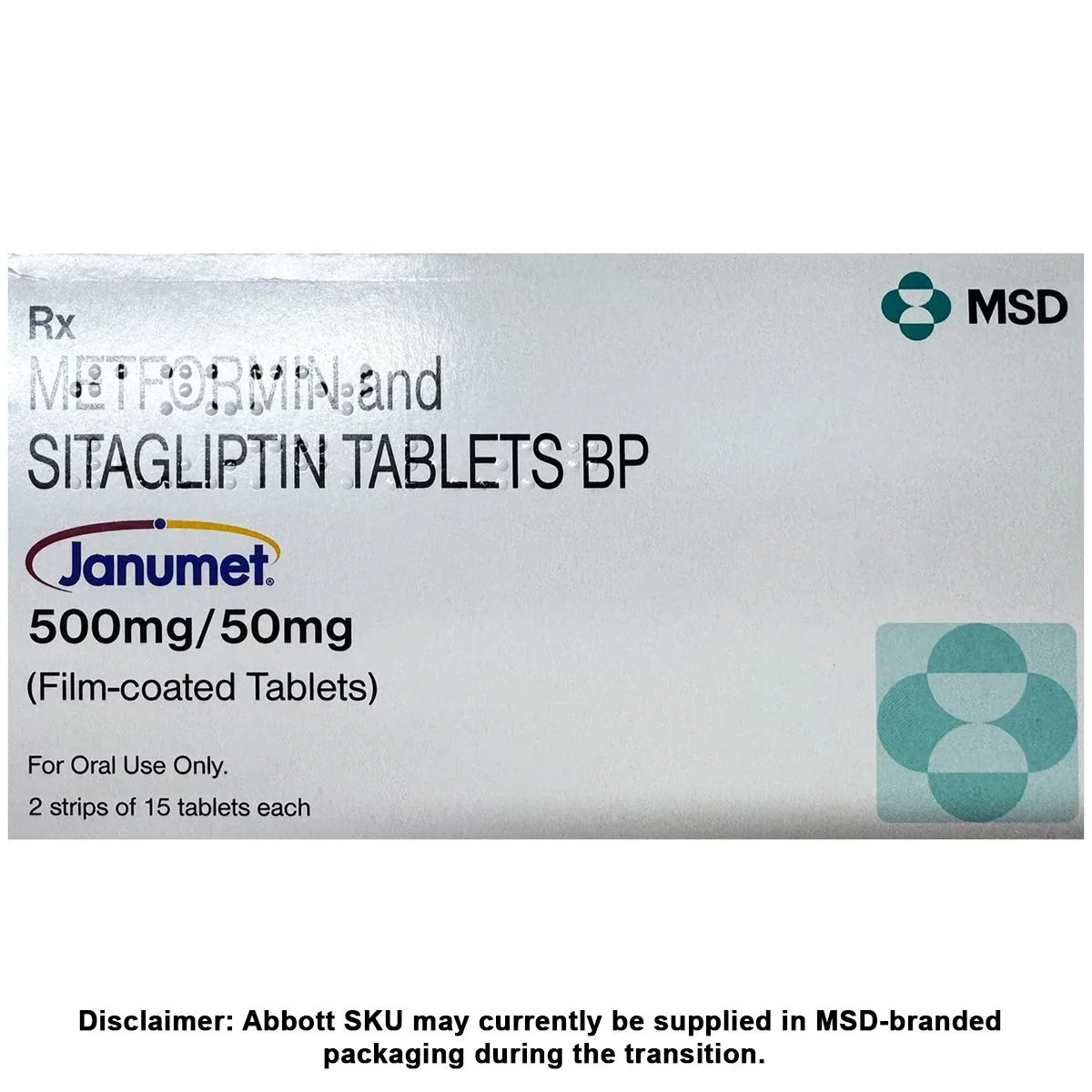
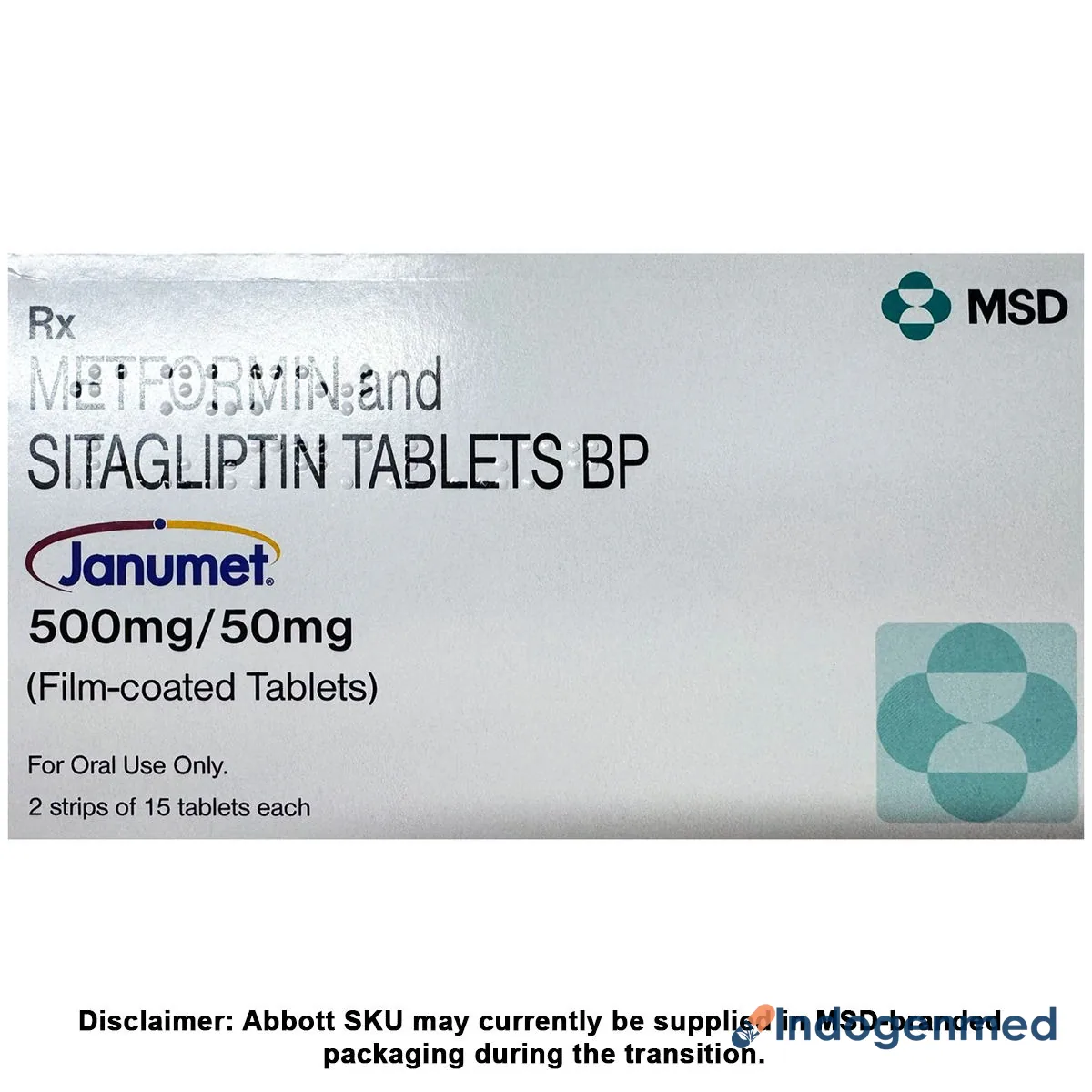
What Is Janumet 50+500 mg Tablet?
Janumet 50+500 mg Tablet is a fixed-dose combination containing sitagliptin 50 mg and metformin hydrochloride 500 mg, used in the management of type 2 diabetes mellitus. This combination tablet offers the complementary and distinct mechanisms of action of two established antidiabetic agents in a single once- or twice-daily dose, improving treatment adherence compared to taking two separate tablets. Sitagliptin is a dipeptidyl peptidase-4 (DPP-4) inhibitor — commonly called a “gliptin” — that works by increasing the levels of active incretin hormones, thereby enhancing glucose-dependent insulin secretion and reducing glucagon secretion. Metformin is a biguanide that reduces hepatic glucose production, improves insulin sensitivity, and reduces intestinal glucose absorption. Together, they address multiple pathophysiological defects of type 2 diabetes. Janumet is indicated as an adjunct to diet and exercise in adults with type 2 diabetes whose blood glucose is not adequately controlled on metformin alone, or who are already taking both drugs separately. It is not indicated for type 1 diabetes or diabetic ketoacidosis.
Mechanisms of Action
Sitagliptin: DPP-4 Inhibition and Incretin Enhancement
Sitagliptin inhibits dipeptidyl peptidase-4 (DPP-4), the enzyme responsible for rapid degradation of the incretin hormones glucagon-like peptide-1 (GLP-1) and glucose-dependent insulinotropic polypeptide (GIP). By blocking DPP-4, sitagliptin slows the inactivation of GLP-1 and GIP, increasing their active plasma concentrations approximately 2–3-fold. The enhanced incretin activity produces several glucose-lowering effects:
- Glucose-dependent insulin secretion: GLP-1 and GIP stimulate pancreatic beta cells to secrete insulin in a glucose-dependent manner — that is, only when blood glucose is elevated. This mechanism substantially reduces the risk of hypoglycaemia compared to sulphonylureas, which stimulate insulin secretion regardless of glucose level.
- Glucagon suppression: GLP-1 suppresses glucagon secretion from pancreatic alpha cells, particularly postprandially. Reduced glucagon decreases hepatic glucose output and improves postprandial glucose control.
- Gastric emptying: GLP-1 modestly slows gastric emptying, contributing to blunted postprandial glucose excursions.
Sitagliptin’s glucose-lowering effect is entirely glucose-dependent — it has minimal effect on insulin or glucagon when fasting glucose is normal, making hypoglycaemia (when used without concomitant secretagogues or insulin) very uncommon.
Metformin: Hepatic Glucose Production and Insulin Sensitisation
Metformin’s primary mechanism involves activation of AMP-activated protein kinase (AMPK) — the cellular energy sensor — in hepatocytes, mediated by mild inhibition of mitochondrial complex I of the electron transport chain. AMPK activation suppresses gluconeogenesis and glycogenolysis in the liver, reducing fasting hepatic glucose output — the main driver of fasting hyperglycaemia in type 2 diabetes. Metformin also:
- Improves peripheral insulin sensitivity in skeletal muscle, enhancing glucose uptake
- Reduces intestinal glucose absorption and may alter gut microbiome composition (contributing to its glycaemic effects)
- Does not stimulate insulin secretion directly; therefore does not cause hypoglycaemia as monotherapy
- Is weight-neutral or causes modest weight loss (unlike sulphonylureas or insulin)
- Reduces cardiovascular mortality (demonstrated in UKPDS and subsequent trials) — a benefit not fully explained by glucose lowering alone
Indications
- Type 2 diabetes mellitus in adults, as an adjunct to diet and exercise, when blood glucose is inadequately controlled on metformin alone
- As initial combination therapy in patients where both sitagliptin and metformin are considered appropriate
- Replacement of separately administered sitagliptin and metformin at equivalent doses, for convenience and adherence
- Not for use in type 1 diabetes, diabetic ketoacidosis, or as first-line monotherapy where metformin alone is sufficient
Dosage and Administration
Standard dosing: The usual recommended dose of Janumet 50+500 mg is one tablet taken twice daily (sitagliptin 100 mg + metformin 1000 mg per day). The 50/500 formulation is designed to be taken twice daily to deliver the full 100 mg sitagliptin daily dose (50 mg × 2) alongside the metformin component. An alternative higher-metformin formulation (50 mg sitagliptin / 1000 mg metformin per tablet) also exists for patients requiring more metformin.
Administration with food: Janumet should be taken with meals to reduce gastrointestinal side effects from metformin. Swallow whole — do not crush or split tablets.
Starting dose: When switching from separate sitagliptin and metformin tablets, prescribe the same total daily dose of each. When initiating combination therapy, titrate the metformin component gradually to reduce GI adverse effects.
Renal impairment: Janumet is contraindicated in significant renal impairment (eGFR <30 mL/min/1.73 m²) due to the metformin component. In moderate renal impairment (eGFR 30–45 mL/min/1.73 m²), use with caution; some guidelines recommend avoiding metformin below eGFR 45. Regular monitoring of renal function (at least annually, more frequently in at-risk patients) is mandatory. Dose adjustment of sitagliptin alone is required in renal impairment — a lower sitagliptin dose (25 mg) is used when eGFR is 30–45; however, Janumet fixed-dose combinations cannot be dose-adjusted separately, so individual agents may be preferred in renal impairment.
Hepatic impairment: Avoid in significant hepatic impairment due to increased risk of lactic acidosis with metformin.
Elderly: Use with caution; renal function should be monitored regularly as the elderly are more susceptible to metformin-associated lactic acidosis.
Contraindications
- Known hypersensitivity to sitagliptin, metformin, or any excipient (including serious hypersensitivity reactions such as anaphylaxis or angioedema)
- Renal impairment with eGFR <30 mL/min/1.73 m² (or serum creatinine ≥1.5 mg/dL in men, ≥1.4 mg/dL in women)
- Acute or chronic conditions causing tissue hypoxia or reduced perfusion: cardiac or respiratory failure, recent myocardial infarction, shock, hepatic impairment — all increase lactic acidosis risk
- Dehydration or conditions predisposing to dehydration
- Iodinated contrast media procedures: withhold metformin before and for 48 hours after iodinated contrast (see Precautions)
- Excessive alcohol consumption (increases lactic acidosis risk)
- Diabetic ketoacidosis
- Type 1 diabetes mellitus
Warnings and Precautions
Lactic Acidosis (Metformin)
The most serious risk associated with metformin is lactic acidosis — a rare but potentially fatal complication (fatality rate approximately 50% in clinical reports) resulting from accumulation of metformin and lactic acid. Risk is markedly increased by renal impairment (which prevents metformin excretion), acute illness causing dehydration or tissue hypoxia, excessive alcohol intake, hepatic impairment, and iodinated contrast media administration. Symptoms of lactic acidosis include malaise, myalgia, respiratory distress, increasing somnolence, and abdominal pain. If lactic acidosis is suspected, Janumet should be stopped immediately and the patient hospitalised.
Iodinated Contrast Media
Metformin should be withheld at the time of or prior to iodinated contrast administration in patients with eGFR <60 mL/min/1.73 m², a history of hepatic impairment, alcoholism, or heart failure. Metformin should be re-evaluated (or restarted) 48 hours after the procedure once renal function has been confirmed stable.
Pancreatitis
Post-marketing reports of acute pancreatitis have been associated with sitagliptin and other DPP-4 inhibitors. Patients should be informed of the characteristic symptoms of pancreatitis (severe, persistent abdominal pain radiating to the back, nausea, vomiting). Janumet should be discontinued promptly if pancreatitis is suspected. Janumet should not be used in patients with a history of pancreatitis, though causality has not been definitively established.
Heart Failure
An increased risk of hospitalisation for heart failure has been observed with some DPP-4 inhibitors (notably saxagliptin and alogliptin in dedicated cardiovascular outcome trials). Post-marketing data for sitagliptin (TECOS trial) did not demonstrate an increased risk of heart failure hospitalisation; however, monitoring is prudent in patients with established heart failure or risk factors. Metformin is generally considered to have neutral or beneficial cardiovascular effects.
Hypoglycaemia
Janumet alone is associated with a very low risk of hypoglycaemia. However, when combined with insulin secretagogues (sulphonylureas, meglitinides) or insulin, the risk increases substantially. Dose reduction of the secretagogue or insulin may be required when adding Janumet.
Vitamin B12 Deficiency
Long-term metformin use reduces vitamin B12 absorption (by interfering with intrinsic factor–B12 complex uptake in the terminal ileum). Periodic monitoring of B12 levels is recommended in patients taking metformin long-term, particularly those with anaemia or peripheral neuropathy.
Surgical Procedures
Janumet (and all metformin-containing products) should be withheld before major surgical procedures due to risk of lactic acidosis from tissue hypoxia and dehydration during surgery. Restart once renal function and oral intake have been confirmed stable postoperatively.
Adverse Effects
- Common (metformin-related): Nausea, vomiting, diarrhoea, abdominal discomfort, metallic taste — especially on initiation; usually transient and reduced by taking with food and gradual dose titration
- Common (sitagliptin-related): Nasopharyngitis, upper respiratory tract infection, headache
- Less common: Peripheral oedema, dizziness, fatigue, hypoglycaemia (when combined with sulphonylureas or insulin)
- Rare but serious: Lactic acidosis (metformin — medical emergency), acute pancreatitis (sitagliptin — post-marketing reports), serious hypersensitivity reactions including anaphylaxis, angioedema and Stevens-Johnson syndrome (sitagliptin)
- Long-term: Vitamin B12 deficiency (metformin — annual monitoring recommended)
Drug Interactions
Sulphonylureas and insulin: Increased hypoglycaemia risk when added to Janumet; dose reduction of the secretagogue or insulin is usually required.
Iodinated contrast media: See Warnings section — withhold metformin before contrast administration in at-risk patients.
Alcohol: Potentiates metformin’s effect on lactate metabolism; avoid excessive alcohol use.
Cationic drugs competing for renal tubular secretion (cimetidine, ranitidine, trimethoprim, procainamide): May increase metformin plasma levels by reducing renal tubular secretion; monitor for metformin adverse effects.
Corticosteroids, thiazide diuretics, oestrogens, sympathomimetics, phenytoin: May cause hyperglycaemia and reduce glycaemic control; monitor blood glucose when initiating or stopping these agents.
ACE inhibitors and ARBs: May increase risk of acute kidney injury when combined with metformin in hypovolaemic states; monitor renal function.
CYP3A4 interactions (sitagliptin): Sitagliptin is a minor CYP3A4 substrate; clinically significant pharmacokinetic interactions are uncommon at standard doses.
Storage
Store Janumet 50+500 mg Tablets at room temperature (below 25°C) in a dry place, away from moisture and direct light. Keep in the original blister pack. Store out of reach of children. Do not use after the expiry date printed on the packaging.
Related Products
- Janumet 50+1000 mg Tablets (sitagliptin 50 mg + metformin 1000 mg — higher metformin strength)
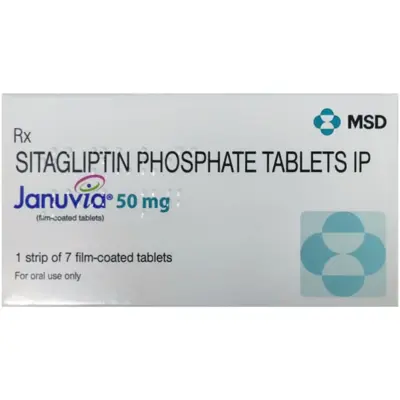
- Januvia 100 mg Tablets (sitagliptin 100 mg alone — for patients who cannot tolerate metformin)
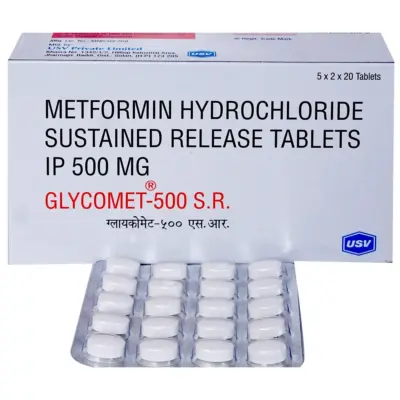
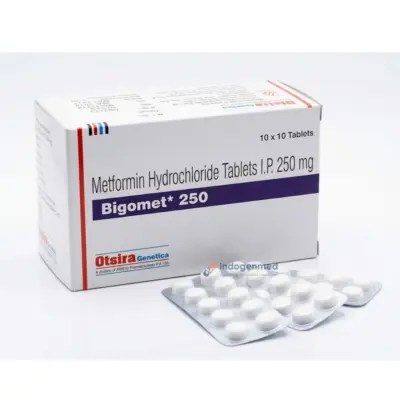
- Metformin 500 mg Tablets (metformin alone — first-line type 2 diabetes monotherapy)
References
- DailyMed. Janumet (sitagliptin and metformin hydrochloride) tablets — prescribing information. U.S. National Library of Medicine. Available at: https://dailymed.nlm.nih.gov/dailymed/
- MedlinePlus. Sitagliptin and Metformin. U.S. National Library of Medicine. Available at: https://medlineplus.gov/druginfo/meds/a607027.html
- Mayo Clinic. Sitagliptin And Metformin (Oral Route). Available at: https://www.mayoclinic.org/
- Electronic Medicines Compendium (EMC). Janumet 50 mg/500 mg film-coated tablets — Summary of Product Characteristics. Available at: https://www.medicines.org.uk/emc/
- Green JB, et al. Effect of Sitagliptin on Cardiovascular Outcomes in Type 2 Diabetes (TECOS). N Engl J Med. 2015;373(3):232–242.
Reviews
There are no reviews yet.