Description
<![CDATA[
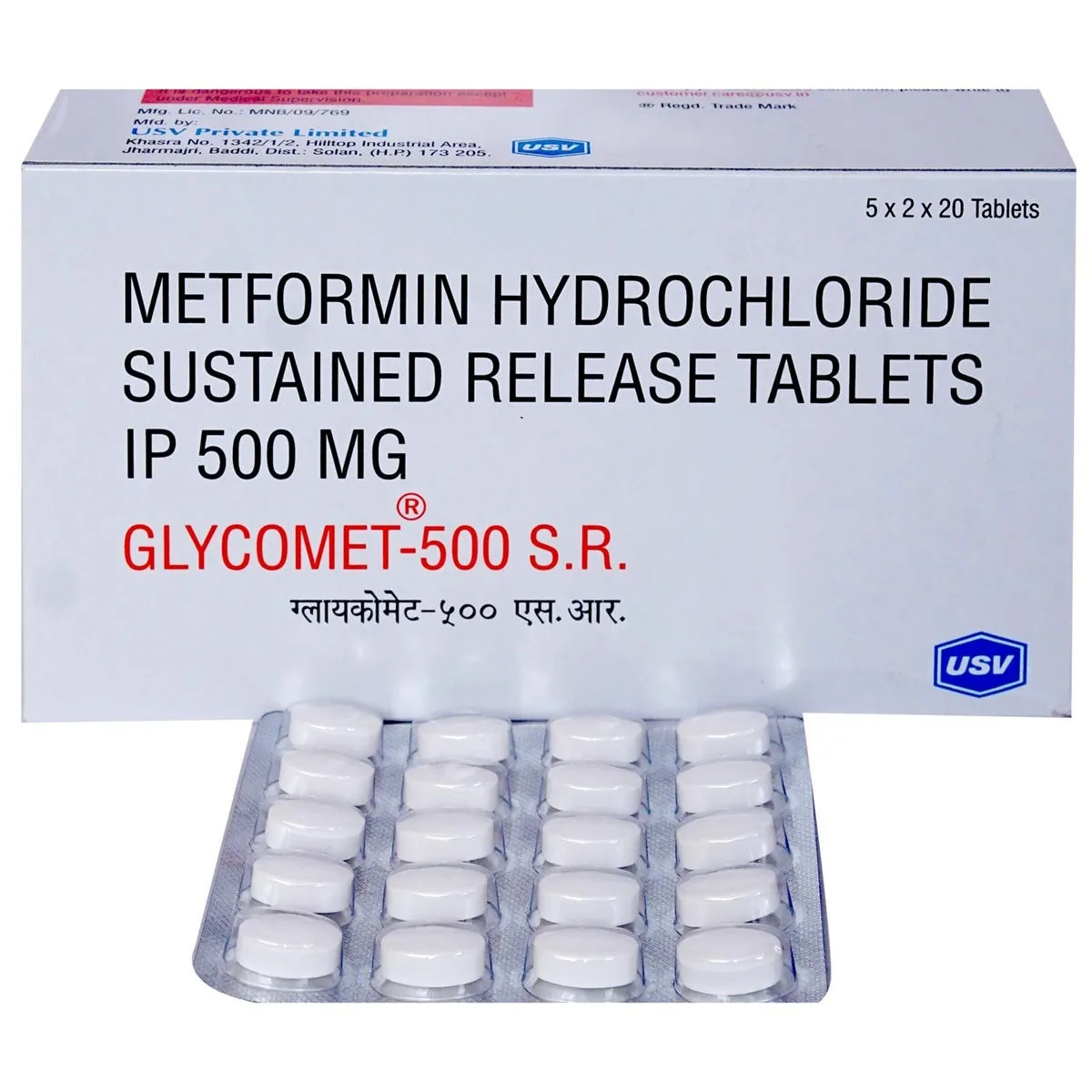
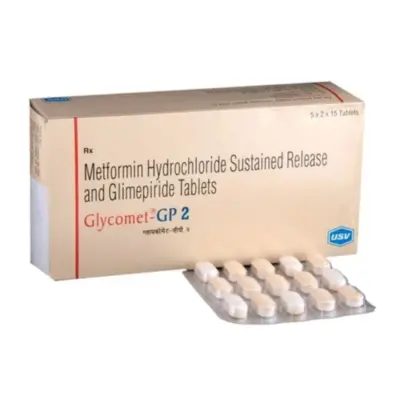
Glycomet SR 500 Mg Tablets
Glycomet SR 500 Mg Tablets contain metformin hydrochloride 500 mg in a sustained-release (SR) formulation. Metformin is the most widely prescribed first-line oral antidiabetic agent for type 2 diabetes mellitus worldwide. The sustained-release formulation reduces the peak plasma concentration associated with gastrointestinal side effects, allowing once- or twice-daily dosing with improved tolerability compared with immediate-release metformin.
Composition
| Active Ingredient | Strength |
|---|---|
| Metformin Hydrochloride (Sustained Release) | 500 mg per tablet |
About the Manufacturer
Glycomet SR is manufactured by USV Private Limited, an Indian pharmaceutical company headquartered in Mumbai with a leading position in diabetes and metabolic medicines. USV supplies medicines to regulated and emerging markets globally.
Mechanism of Action
Metformin is a biguanide that lowers blood glucose primarily by inhibiting hepatic gluconeogenesis (reducing the liver’s production of glucose). It also enhances peripheral insulin sensitivity, increasing glucose uptake by muscle and adipose tissue. At the cellular level, metformin activates AMP-activated protein kinase (AMPK), a key enzyme in metabolic regulation. Unlike sulphonylureas, metformin does not stimulate insulin secretion and therefore does not cause hypoglycaemia when used alone. It is also associated with weight-neutrality or modest weight loss and may have cardiovascular protective effects.
Indications
- Type 2 diabetes mellitus in adults, as first-line therapy or in combination with other oral antidiabetics or insulin
- Polycystic ovary syndrome (PCOS) — insulin sensitisation and restoration of menstrual regularity (off-label use)
- Prevention of type 2 diabetes in high-risk individuals with impaired glucose tolerance (pre-diabetes) — specialist use
Dosage & Administration
- Swallow tablets whole with water; do not crush, chew, or split
- Take with or immediately after the evening meal to reduce gastrointestinal side effects
- Starting dose: 500 mg once or twice daily with meals
- Increase gradually by 500 mg every 1–2 weeks as tolerated, to a maximum of 2,000–2,550 mg daily
- Blood glucose and HbA1c should be monitored regularly
- Temporarily discontinue before contrast media procedures (CT with iodinated contrast, angiography); restart 48 hours after, once renal function is confirmed normal
Special Populations
- Renal impairment: Contraindicated when eGFR <30 mL/min/1.73m²; use with caution when eGFR 30–45 mL/min/1.73m² (maximum 500–1000 mg); monitor renal function at least annually
- Elderly: Renal function declines with age; check eGFR before initiating and monitor regularly
- Children ≥10 years: May be prescribed for type 2 diabetes under specialist supervision
- Pregnancy: May be used in gestational diabetes under medical supervision; insulin remains the preferred agent for type 2 diabetes in pregnancy in many guidelines
Precautions
- Lactic acidosis (rare but serious): Risk is increased in conditions causing tissue hypoxia: acute MI, liver failure, severe infection, excessive alcohol intake, respiratory failure, and significant renal impairment; withhold during hospitalisation for acute illness
- Temporarily stop before procedures requiring iodinated contrast media to prevent contrast-induced renal impairment and lactic acidosis risk
- Avoid in excessive alcohol intake (increases lactic acidosis risk)
- Vitamin B12 deficiency: long-term metformin use reduces vitamin B12 absorption; check B12 levels periodically in long-term users
- Gastrointestinal side effects are most common at initiation; starting at a low dose and taking with food minimises them
Contraindications
- Hypersensitivity to metformin or any excipient
- eGFR <30 mL/min/1.73m² (severe renal impairment)
- Hepatic impairment or liver failure
- Acute or chronic metabolic acidosis, including diabetic ketoacidosis
- Dehydration, severe infection, shock, or acute conditions associated with tissue hypoxia
- Alcohol abuse
Side Effects
- Very common: Nausea, vomiting, diarrhoea, abdominal discomfort (usually mild and transient at initiation; reduced with SR formulation)
- Common: Metallic taste, reduced appetite
- Long-term: Vitamin B12 deficiency (monitor periodically)
- Rare but serious: Lactic acidosis (requires immediate medical attention)
- Hypoglycaemia: not caused by metformin alone; may occur when combined with insulin or sulphonylureas
Drug Interactions
- Iodinated contrast media: Temporarily withhold metformin before procedures; restart 48 hours after, once renal function is confirmed
- Alcohol: Increases lactic acidosis risk; avoid excessive consumption
- Insulin and sulphonylureas: Additive blood-glucose-lowering; hypoglycaemia risk when combined
- ACE inhibitors, diuretics: May reduce renal function; monitor eGFR
- Cimetidine: Reduces renal tubular secretion of metformin, increasing plasma levels
Storage
Store below 30°C in a dry place, protected from moisture and light. Keep tablets in their original packaging. Keep out of reach of children. Do not use after the expiry date printed on the pack.
Related Products
- Glynase XL 5 Mg Tablets – glipizide sulphonylurea for combination with metformin
- Glynase XL 10 Mg Tablets – higher-dose glipizide for combination therapy
- Huminsulin 70/30 100 IU – premixed insulin for advanced diabetes management
Frequently Asked Questions
- What is Glycomet SR 500 Mg used for?
- Glycomet SR 500 Mg is used to lower blood sugar in adults with type 2 diabetes. It is usually the first medicine prescribed alongside diet and exercise. It works mainly by reducing the liver’s production of glucose and improving the body’s response to insulin. It can also be used to treat PCOS and to help prevent diabetes in people at high risk.
- What does SR mean, and why does it matter?
- SR stands for Sustained Release. The tablet releases metformin gradually over several hours rather than all at once. This reduces the high peak blood levels that cause the nausea, diarrhoea, and stomach upset that can occur with standard (immediate-release) metformin, making the SR version significantly better tolerated, especially at the start of treatment.
- Can Glycomet SR cause hypoglycaemia (low blood sugar)?
- Metformin alone does not cause hypoglycaemia because it does not stimulate insulin secretion. However, if you take Glycomet SR with insulin or sulphonylureas (such as glipizide or glibenclamide), low blood sugar can occur as a combined effect. If you experience hypoglycaemia symptoms, treat promptly with fast-acting sugar.
- Why should I stop Glycomet SR before a CT scan or angiogram?
- These procedures use iodinated contrast dye, which can temporarily impair kidney function. If the kidneys are not working well, metformin can accumulate to levels that cause lactic acidosis — a rare but serious condition. Your doctor will advise you to stop metformin before the procedure and restart it 48 hours after, once a blood test confirms your kidney function has returned to normal.
- How long does it take for Glycomet SR to lower my blood sugar?
- Metformin begins to have modest blood glucose-lowering effects within days of starting, but the full effect on HbA1c (the 3-month blood sugar average) is usually apparent after 1–3 months of consistent use at the target dose. It is a long-term medicine that works best alongside healthy lifestyle changes.
References
- NHS – Metformin
- MedlinePlus – Metformin
- FDA – Metformin Hydrochloride Extended-Release Prescribing Information
- EMA – Metformin-Containing Medicinal Products Assessment
Disclaimer: This page is for informational purposes only and does not constitute medical advice. Glycomet SR 500 Mg Tablets should be prescribed and monitored by a qualified healthcare professional. Regular monitoring of blood glucose, HbA1c, renal function, and vitamin B12 is recommended during long-term therapy.
]]>
Reviews
There are no reviews yet.