Description
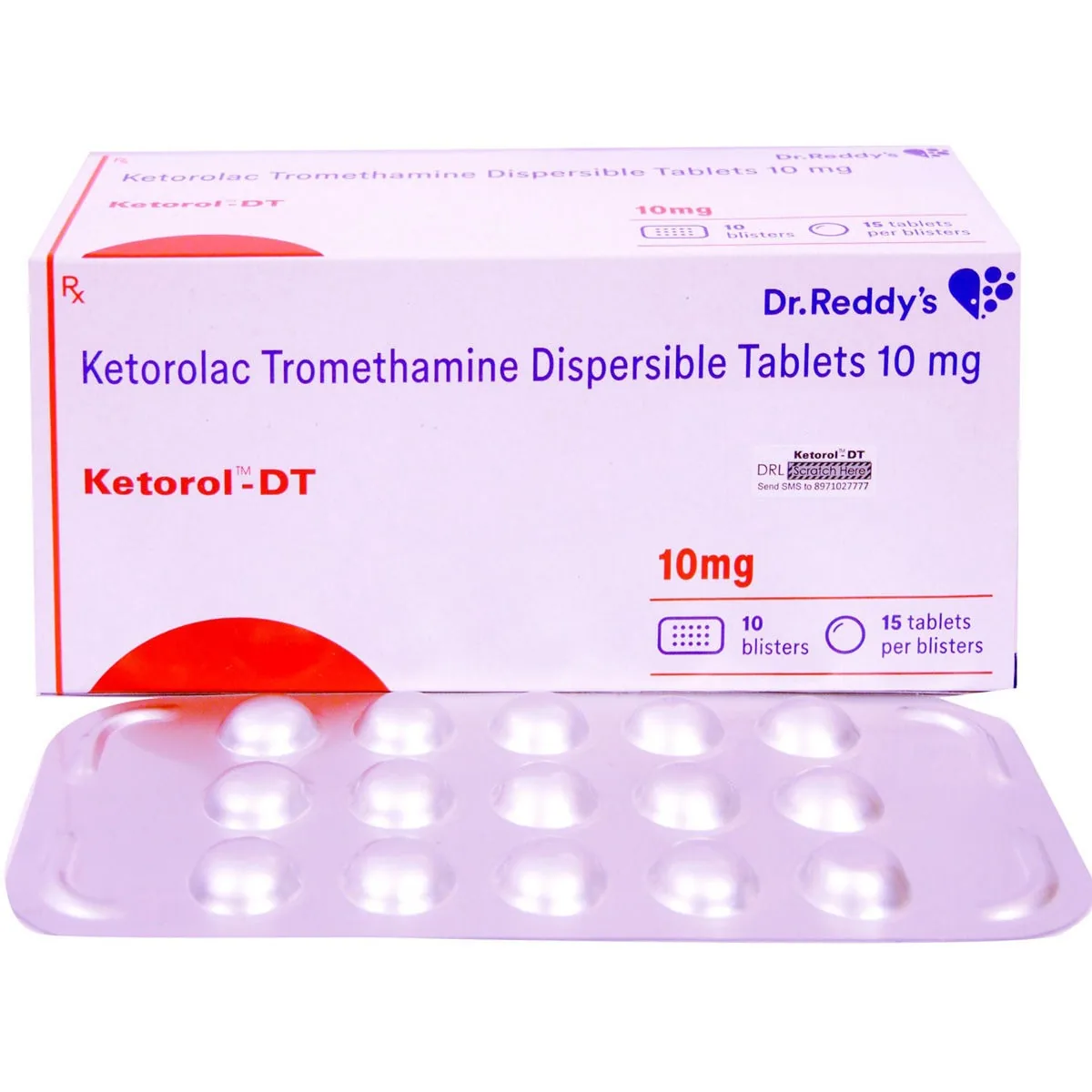
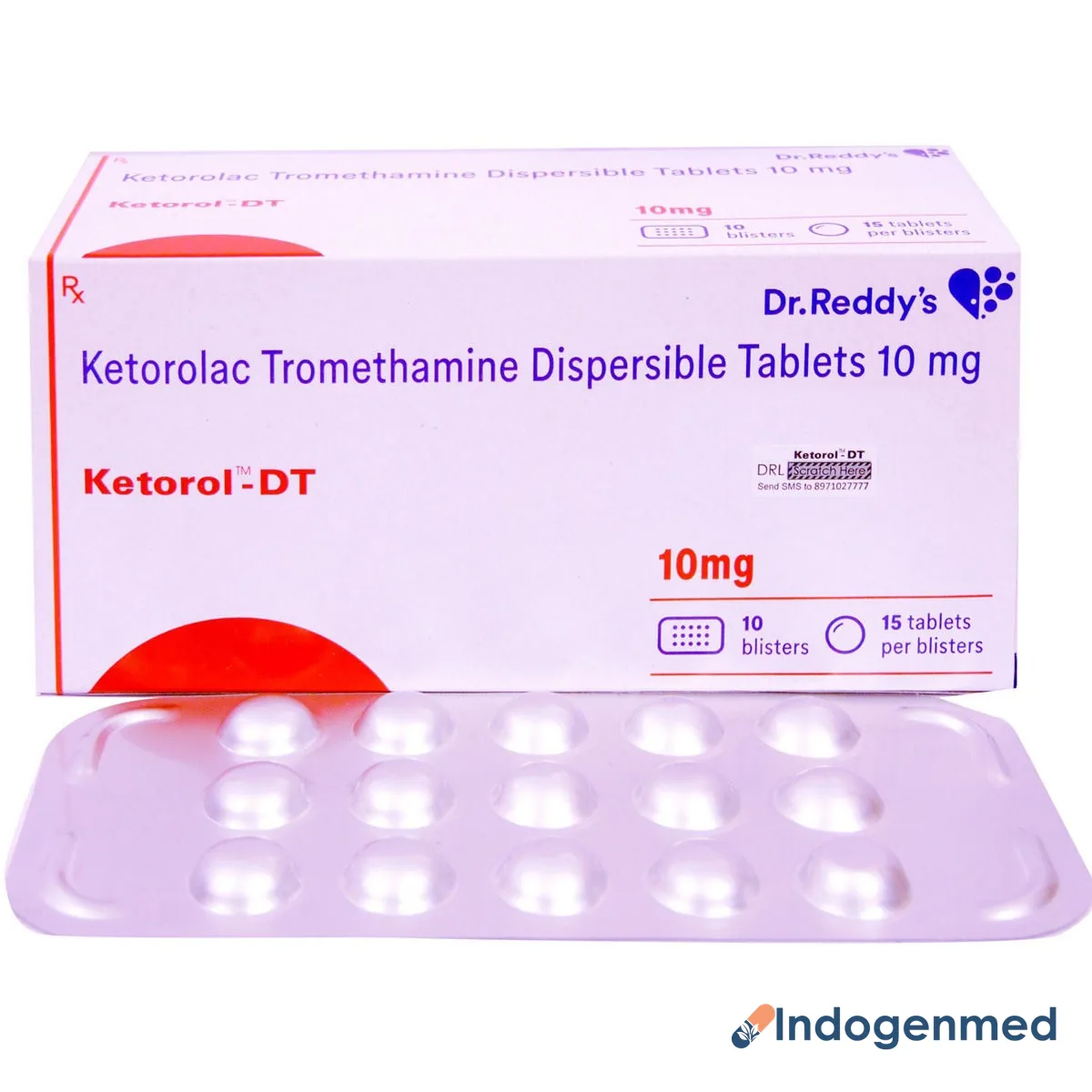
Ketorol 10 mg Tablets — Ketorolac Tromethamine for Short-Term Pain Relief
Ketorol 10 mg Tablets contain ketorolac tromethamine, a potent non-steroidal anti-inflammatory drug (NSAID) with marked analgesic activity. Unlike most NSAIDs used primarily for their anti-inflammatory effects, ketorolac is prescribed principally as an analgesic for the short-term management of moderate to severe acute pain. Each tablet contains 10 mg of ketorolac tromethamine, and the tablets are indicated for oral use as part of a short-course pain management regimen not exceeding five days in total, including any parenteral (injectable) ketorolac given before switching to the oral form.
Pharmacological Classification
Ketorolac tromethamine belongs to the pyrrolo-pyrrole group of NSAIDs. It exerts its pharmacological effects through inhibition of cyclooxygenase (COX) enzymes — primarily COX-1 and to a lesser extent COX-2 — thereby blocking the synthesis of prostaglandins and thromboxane from arachidonic acid. Prostaglandins sensitise peripheral pain receptors and act centrally in pain-processing pathways; their suppression produces analgesia of a magnitude comparable to opioid analgesics at standard NSAID doses, an unusual property that distinguishes ketorolac from most other oral NSAIDs.
Clinical studies have demonstrated that ketorolac 10–30 mg provides analgesia broadly equivalent to morphine 6–12 mg for post-operative and acute musculoskeletal pain, without the respiratory depression, sedation, nausea or dependence risk associated with opioids. This profile makes it particularly valuable in post-surgical care settings where opioid-sparing is a treatment goal.
Indications
Ketorol 10 mg Tablets are indicated for the short-term oral management of moderate to moderately severe acute pain. Common clinical applications include:
- Post-operative pain — following orthopaedic, abdominal, gynaecological or ophthalmic surgery as part of a multimodal analgesic regimen
- Renal colic — ketorolac is effective for the acute pain of renal colic and is often used parenterally first with oral continuation
- Musculoskeletal injuries — strains, sprains, sports injuries and acute back pain
- Dental pain — post-extraction and post-procedural dental pain
- Dysmenorrhoea — moderate to severe primary dysmenorrhoea not responding to standard analgesics
- Acute migraine — in settings where injectable therapy is not available and oral dosing is tolerated
Ketorolac is not intended for mild pain, chronic pain conditions or long-term use. It is specifically a short-course acute pain medicine.
Dosage and Administration
The standard adult oral dose of ketorolac is 10 mg, taken every four to six hours as required, with a maximum of 40 mg in any 24-hour period. Tablets should be swallowed whole with a full glass of water and taken with food or milk to minimise gastrointestinal discomfort. The total duration of combined oral and parenteral ketorolac therapy must not exceed five days under any circumstances; this is a critical safety limit that applies regardless of the indication or response to treatment.
In older patients (65 years and over), those with low body weight (under 50 kg) and those with mild renal impairment, the dose should be reduced to 10 mg every six hours. This group is at higher risk of NSAID-related adverse effects, particularly gastrointestinal bleeding and renal impairment, and conservative dosing is mandatory.
Ketorolac is not recommended in patients under 16 years of age for the oral formulation. The injectable form has specific paediatric dosing guidelines that do not translate directly to the tablet formulation.
Contraindications
Ketorol 10 mg Tablets are contraindicated in several important clinical situations:
- Active peptic ulceration or gastrointestinal bleeding — ketorolac has a higher risk of serious GI events than many NSAIDs
- History of NSAID-induced asthma, urticaria or allergic rhinitis — includes aspirin-sensitive asthma
- Moderate to severe renal impairment — ketorolac is primarily renally excreted and accumulates in renal failure
- Coagulation disorders or anticoagulant therapy — ketorolac inhibits platelet aggregation and prolongs bleeding time
- Peri-operative pain management in CABG surgery — as with all NSAIDs
- Dehydration or hypovolaemia — increased risk of acute renal injury
- Third trimester of pregnancy — NSAIDs in late pregnancy may cause premature closure of the ductus arteriosus
- Breastfeeding — ketorolac passes into breast milk
- Prior to or during major surgery with high bleeding risk
Warnings and Precautions
Gastrointestinal safety is the primary clinical concern with ketorolac. The five-day maximum duration is based on clinical trial data showing that GI complication rates increase substantially with longer exposure. Patients with any history of peptic ulcer disease, prior GI bleeding, or concurrent use of corticosteroids, anticoagulants or aspirin should use ketorolac with extreme caution or not at all.
Cardiovascular risk is a class-wide concern for all NSAIDs. Meta-analyses compiled by the European Medicines Agency and the US Food and Drug Administration have shown that NSAIDs including ketorolac are associated with a small but measurable increase in the risk of serious cardiovascular events — myocardial infarction, stroke and cardiovascular death — particularly with higher doses and in patients with established cardiovascular disease. The short-term nature of ketorolac use limits this risk compared to chronically dosed NSAIDs, but the concern should be factored into prescribing decisions for patients with known ischaemic heart disease, uncontrolled hypertension or peripheral arterial disease.
Renal function can deteriorate acutely with any NSAID, including ketorolac, particularly in dehydrated patients, the elderly and those with pre-existing renal impairment or concurrent use of diuretics or ACE inhibitors. Adequate hydration during ketorolac therapy is important.
Drug Interactions
Ketorolac has clinically important interactions with several drug classes:
- Anticoagulants (warfarin, heparin, direct oral anticoagulants) — increased haemorrhage risk; concurrent use is generally contraindicated
- Other NSAIDs including aspirin — additive GI and renal toxicity; avoid combination
- Lithium — NSAIDs reduce lithium clearance; monitor lithium levels
- Methotrexate — NSAIDs reduce methotrexate renal clearance; toxicity risk
- Diuretics and antihypertensives — NSAIDs attenuate the antihypertensive and natriuretic effects; monitor blood pressure and renal function
- SSRIs — combined use with SSRIs increases GI bleeding risk
- Probenecid — reduces ketorolac clearance; this combination is contraindicated
- Pentoxifylline — increased bleeding risk; avoid combination
Side Effects
The most clinically significant adverse effects of ketorolac are gastrointestinal, renal and haematological. Common GI effects include nausea, dyspepsia, abdominal pain and diarrhoea. Serious but less common effects include peptic ulceration, upper and lower GI haemorrhage and GI perforation — risks that are higher with ketorolac than with many other NSAIDs, which is why the strict five-day limit exists.
Headache, dizziness and drowsiness are reported by some patients. Elevated liver enzymes may occur with any NSAID. Fluid retention and oedema can develop, particularly in susceptible patients. Renal effects include reduced urine output and, in susceptible individuals, acute kidney injury.
Hypersensitivity reactions — rash, urticaria, bronchospasm — occur rarely but can be severe in aspirin-sensitive individuals.
Special Populations
Ketorolac is not recommended in pregnancy. In early and mid-pregnancy, animal studies have shown reproductive toxicity; in the third trimester, all NSAIDs are associated with foetal renal dysfunction and premature closure of the ductus arteriosus. Ketorolac is also not recommended during breastfeeding.
In older patients, the risk-benefit balance requires careful consideration. Elderly patients have higher baseline rates of gastrointestinal, cardiovascular and renal comorbidities, reduced renal clearance of ketorolac and reduced physiological reserve to withstand adverse effects. Dose reduction is mandatory in those aged 65 and over, and the five-day limit is especially important in this group.
Place in Therapy
Ketorolac occupies a distinct niche in analgesic pharmacology as a potent, opioid-sparing short-term analgesic. Its efficacy for post-operative and acute somatic pain — combined with the absence of respiratory depression, dependence risk or significant sedation — makes it valuable in surgical recovery units, emergency departments and acute pain services. The strict duration and dosing limits reflect a deliberate risk-management design: used correctly and for the right patients, ketorolac is a highly effective acute pain medicine; used for too long or in the wrong population, it carries serious risks that outweigh its benefits.
References
- US Food and Drug Administration. Ketorolac Tromethamine Tablets — Prescribing Information. Available at: fda.gov
- European Medicines Agency. NSAID cardiovascular and gastrointestinal risk assessment. EMA, 2012. Available at: ema.europa.eu
- MedlinePlus (US National Library of Medicine). Ketorolac. Available at: medlineplus.gov
- Mayo Clinic. Ketorolac (Oral Route) — Description and Brand Names. Available at: mayoclinic.org
- Buckley MM, Brogden RN. Ketorolac: a review of its pharmacodynamic and pharmacokinetic properties and therapeutic potential. Drugs. 1990;39(1):86–109. PubMed PMID: 2178916.



Reviews
There are no reviews yet.