Description
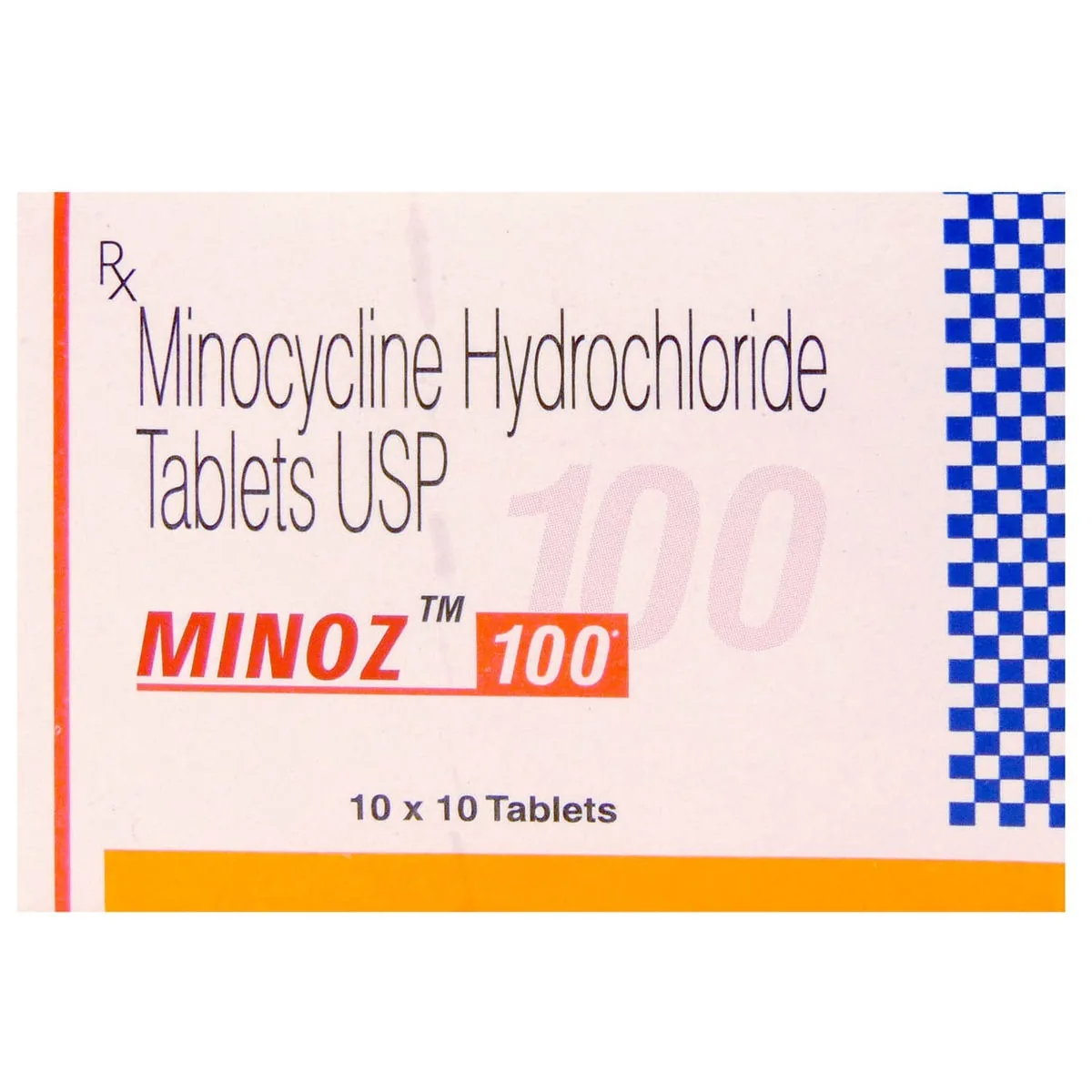
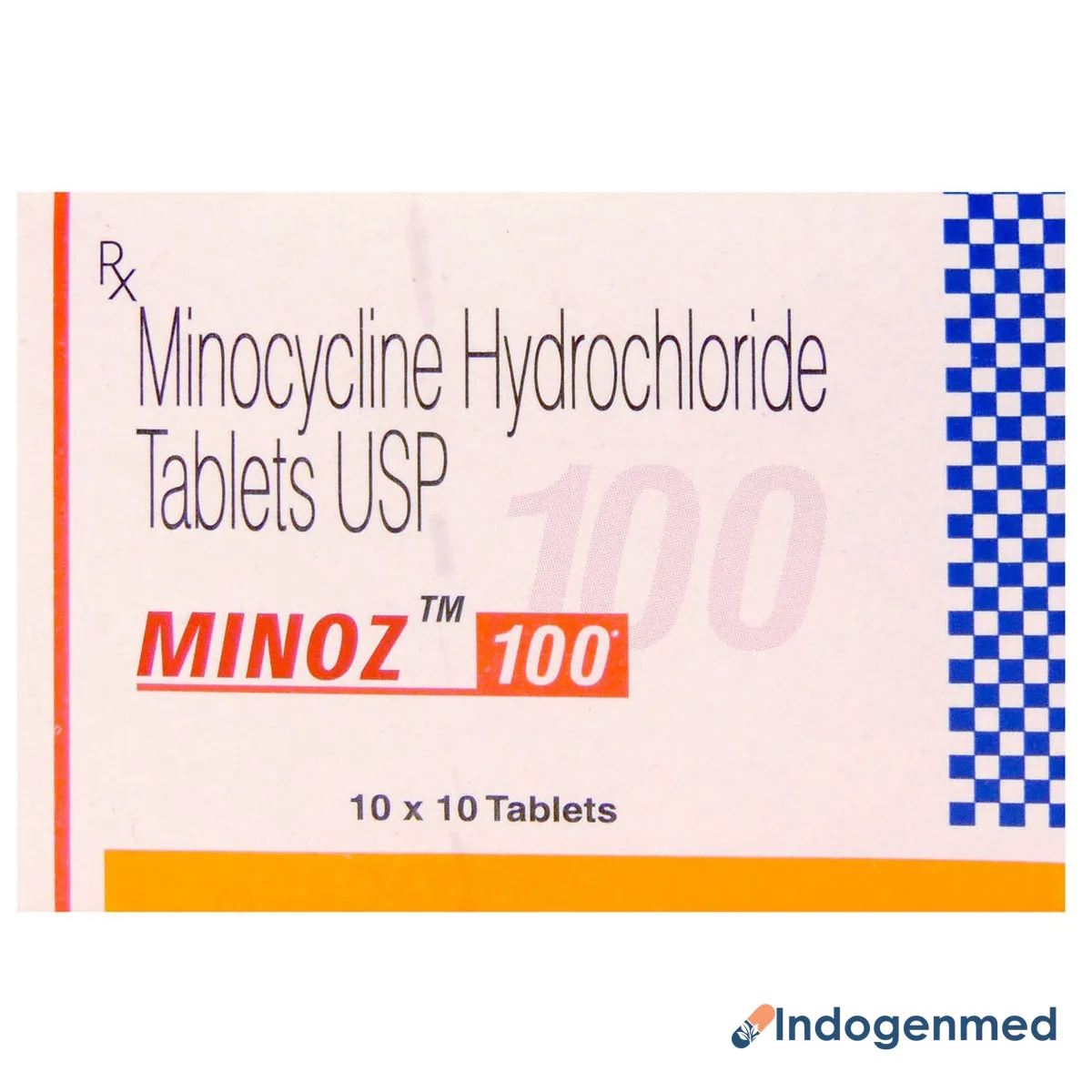
What Is Minoz 100 mg Tablets?
Minoz 100 mg Tablets contain minocycline hydrochloride equivalent to minocycline 100 mg as the active ingredient. Minocycline is a second-generation semisynthetic tetracycline antibiotic with broad-spectrum bacteriostatic activity against a wide range of Gram-positive and Gram-negative bacteria, as well as atypical organisms, rickettsia, mycoplasma, and certain protozoa. It has enhanced lipophilicity compared to earlier tetracyclines such as doxycycline and tetracycline, giving it superior tissue penetration and a longer half-life.
Minocycline was introduced in the 1970s and remains in clinical use for the treatment of acne vulgaris, respiratory tract infections, sexually transmitted infections, and other bacterial conditions. Its ability to reach high concentrations in skin sebaceous glands makes it particularly effective for moderate to severe inflammatory acne. Minocycline also demonstrates anti-inflammatory properties beyond its antibiotic activity, contributing to its effectiveness in inflammatory skin conditions and its investigational use in inflammatory neurological conditions.
Minoz 100 mg is an oral tablet formulation taken once or twice daily depending on the indication, and is typically prescribed for periods of weeks to months in dermatological indications.
Mechanism of Action
Minocycline inhibits bacterial protein synthesis through binding to the 30S ribosomal subunit, preventing aminoacyl-tRNA from accessing the ribosomal acceptor (A) site.
Ribosomal Protein Synthesis Inhibition
Minocycline enters susceptible bacterial cells via active transport through the outer membrane porin channels and inner membrane, where it accumulates in the cytoplasm. It binds reversibly to the 16S rRNA component of the 30S ribosomal subunit, blocking the attachment of aminoacyl-tRNA to the mRNA-ribosome complex at the A-site. This halts the elongation of the nascent peptide chain, inhibiting bacterial protein synthesis. The effect is bacteriostatic — bacteria do not multiply but are not immediately killed, relying on host immune defences to clear the infection.
Superior Lipophilicity and Tissue Penetration
Compared to tetracycline and doxycycline, minocycline is more lipophilic. This property allows it to penetrate more deeply into lipid-rich tissues, including sebaceous glands, the central nervous system, and biofilm-associated communities. High sebaceous gland concentrations contribute to its effectiveness against Cutibacterium acnes (formerly Propionibacterium acnes), the key organism in acne pathogenesis.
Anti-Inflammatory Properties
Minocycline has significant anti-inflammatory activity independent of its antibiotic effect. It inhibits matrix metalloproteinases, suppresses neutrophil chemotaxis and reactive oxygen species generation, and reduces pro-inflammatory cytokine production. These properties contribute to its efficacy in inflammatory acne and have prompted research into its use in rheumatoid arthritis and neuroinflammation.
Indications
Minoz 100 mg is indicated for:
- Acne vulgaris — moderate to severe inflammatory acne and acne with significant scarring risk; both bacteriostatic and anti-inflammatory effects contribute to efficacy
- Respiratory tract infections — community-acquired pneumonia (particularly caused by atypical organisms such as Mycoplasma pneumoniae, Chlamydia pneumoniae, and Legionella), acute exacerbations of chronic bronchitis
- Sexually transmitted infections — non-gonococcal urethritis and cervicitis (caused by Chlamydia trachomatis and Ureaplasma urealyticum); minocycline is a recommended alternative to doxycycline in some guidelines
- Rickettsia and tick-borne infections — Rocky Mountain spotted fever, typhus, Q fever, and other rickettsial infections
- Skin and soft tissue infections — caused by susceptible organisms including methicillin-sensitive Staphylococcus aureus and many MRSA strains
- Meningococcal carrier state eradication — historically used; now largely replaced by rifampicin and ciprofloxacin
Dosage and Administration
Adults:
- Standard dose: 100 mg twice daily (morning and evening) for most infections
- Acne: 100 mg once daily, typically for 12–16 weeks; some protocols use 50 mg twice daily
- Chlamydial infections: 100 mg twice daily for 7 days
- Maximum: 200 mg per day
How to take: Swallow whole with a full glass of water (at least 240 mL). Remain upright for at least 30 minutes after taking the tablet to reduce the risk of oesophageal ulceration. Minocycline can be taken with food or milk, unlike earlier tetracyclines — food does not significantly impair absorption and may reduce gastrointestinal side effects.
Duration: For infections, typically 7–14 days. For acne, 12–16 weeks followed by reassessment; long-term therapy (>3 months) requires monitoring for autoimmune reactions and pigmentation (see Warnings).
Renal impairment: Total daily dosage should not exceed 200 mg in patients with renal impairment. No specific dose reduction is defined, but prolonged treatment at standard doses may cause accumulation in severe renal impairment.
Contraindications
- Known hypersensitivity to minocycline, tetracyclines, or any excipient
- Children under 8 years of age — tetracyclines bind to developing teeth and bone, causing permanent yellow-grey-brown tooth discolouration and impaired skeletal development
- Pregnancy (second and third trimesters) — tooth discolouration and skeletal effects in the foetus; avoid unless no suitable alternative exists
- Breastfeeding — minocycline is excreted in breast milk and can affect infant bone and tooth development
Warnings and Precautions
Autoimmune Syndromes with Prolonged Use
Prolonged minocycline therapy (typically more than 3–6 months) is associated with autoimmune syndromes including drug-induced lupus erythematosus (DILE), autoimmune hepatitis, serum sickness-like reactions, and pulmonary eosinophilia. Patients on long-term minocycline should be monitored for these conditions. If symptoms of lupus (arthralgia, rash, fatigue, ANA positivity), hepatitis, or pulmonary infiltrates develop, minocycline should be stopped and the patient evaluated.
Skin Pigmentation
Long-term minocycline can cause blue-black or grey-brown pigmentation of the skin, nails, teeth, oral mucosa, sclera, bone, and thyroid. The pigmentation may be permanent and is more common with cumulative dose. Patients should be warned before starting long-term acne therapy.
Intracranial Hypertension (Pseudotumour Cerebri)
Tetracyclines, including minocycline, can cause raised intracranial pressure (pseudotumour cerebri/idiopathic intracranial hypertension) in some patients. Symptoms include severe persistent headache, visual disturbance, and papilloedema. If intracranial hypertension is suspected, minocycline should be discontinued immediately. The risk is increased if combined with isotretinoin (see Drug Interactions).
Vestibular Side Effects
Minocycline has a higher incidence of vestibular adverse effects than other tetracyclines. Dizziness, vertigo, ataxia, and tinnitus can occur, particularly at the start of therapy. These are dose-related and usually reversible on dose reduction or discontinuation. Patients should be advised not to drive or operate machinery if vestibular symptoms occur.
Photosensitivity
Although less phototoxic than doxycycline, minocycline can increase skin sensitivity to sunlight and UV radiation. Patients should use sunscreen and avoid prolonged sun exposure during therapy.
Adverse Effects
- Gastrointestinal: Nausea, vomiting, diarrhoea, oesophageal irritation or ulceration (if swallowed without adequate water while recumbent)
- Neurological/vestibular: Dizziness, vertigo, tinnitus, ataxia — particularly at onset of therapy
- Skin: Photosensitivity reactions; pigmentation changes (blue-black, grey-brown) with prolonged use
- Autoimmune: Drug-induced lupus, autoimmune hepatitis, serum sickness — with long-term use
- Hepatic: Elevated liver enzymes; rare serious hepatotoxicity
- Superinfection: Candidal overgrowth — oral thrush, vaginal candidiasis
- Intracranial hypertension: Rare; severe headache and visual changes requiring immediate assessment
Drug Interactions
Isotretinoin
The combination of minocycline and isotretinoin is contraindicated due to additive risk of pseudotumour cerebri (benign intracranial hypertension). Both drugs independently raise intracranial pressure; combined use can cause severe, potentially permanent visual loss.
Antacids, Iron Preparations, and Dairy Products
Divalent and trivalent cations (calcium in dairy, aluminium/magnesium in antacids, iron supplements) chelate tetracyclines in the gut, reducing absorption. Although minocycline is less affected than older tetracyclines, it is advisable to separate minocycline from antacids and iron by at least 2 hours.
Oral Anticoagulants (Warfarin)
Minocycline can enhance the effect of warfarin by reducing vitamin K-producing gut bacteria and potentially inhibiting some CYP enzymes. INR should be monitored in patients on warfarin when starting or stopping minocycline.
Penicillins
Bacteriostatic antibiotics such as tetracyclines may antagonise the bactericidal action of penicillins and cephalosporins in serious infections. The combination is best avoided when bactericidal activity is required (e.g., meningitis, endocarditis).
Methoxyflurane
Concurrent use with the inhaled analgesic methoxyflurane increases the risk of nephrotoxicity. Avoid co-administration.
Storage
Store Minoz 100 mg Tablets at room temperature, below 25°C, in a dry place away from direct sunlight and moisture. Keep the blister pack in the original outer carton. Keep out of reach of children. Do not use after the expiry date printed on the pack.
Related Products
- Micogel 2 Gel (Miconazole)
- Valcivir 500 mg Tablets (Valacyclovir)
- Tiniba 300 mg Tablets (Tinidazole)
- Voltaflam 50 mg Tablets (Diclofenac)
References
- DailyMed. Minocycline hydrochloride capsules — prescribing information. U.S. National Library of Medicine. Available at: https://dailymed.nlm.nih.gov/dailymed/
- MedlinePlus. Minocycline. U.S. National Library of Medicine. Available at: https://medlineplus.gov/druginfo/meds/a682101.html
- Mayo Clinic. Minocycline (Oral Route) — Description. Available at: https://www.mayoclinic.org/
- Sapadin AN, Fleischmajer R. Tetracyclines: nonantibiotic properties and their clinical implications. Journal of the American Academy of Dermatology. 2006;54(2):258–265. PMID: 16443056
- Garner SE, Eady A, Bennett C, et al. Minocycline for acne vulgaris: efficacy and safety. Cochrane Database of Systematic Reviews. 2012;(8):CD002086. PMID: 22895927
Reviews
There are no reviews yet.