Description
<![CDATA[
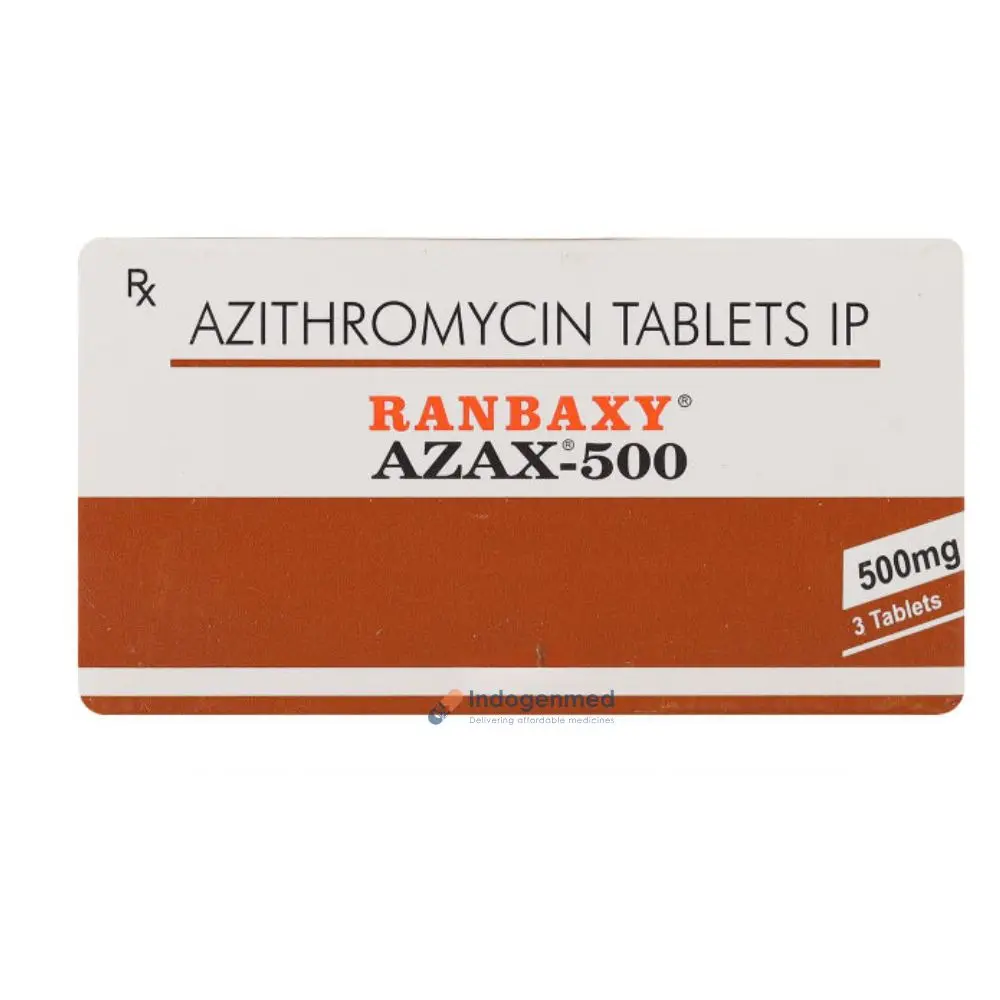
Azax 500 Mg Tablets
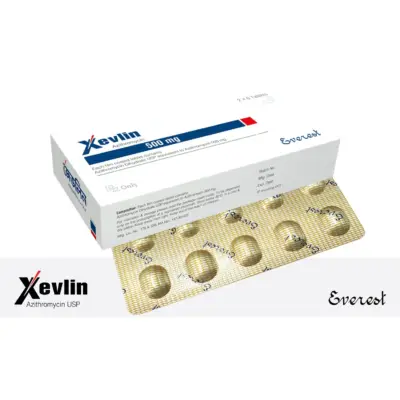
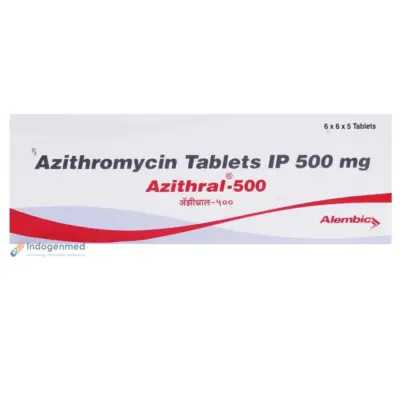
Azax 500 Mg Tablets contain azithromycin 500 mg, a macrolide antibiotic with extended tissue half-life and once-daily dosing. Azithromycin is widely used for community-acquired respiratory tract infections, skin and soft tissue infections, and certain sexually transmitted infections. Its prolonged intracellular and tissue concentration — well above minimum inhibitory concentrations for many common pathogens — means clinical courses are frequently shorter than with other antibiotic classes.
Composition
| Active Ingredient | Strength |
|---|---|
| Azithromycin | 500 mg per tablet |
About the Manufacturer
Azax is manufactured by Sun Pharmaceutical Industries Limited, one of the world’s leading specialty generic pharmaceutical companies, headquartered in Mumbai, India. Sun Pharma markets products in over 100 countries and has a broad anti-infective portfolio.
Mechanism of Action
Azithromycin binds to the 50S ribosomal subunit of susceptible bacteria, blocking the translocation step of protein synthesis and thereby inhibiting bacterial growth. It is primarily bacteriostatic but can be bactericidal at higher concentrations against certain pathogens. Azithromycin’s distinctive pharmacokinetic profile — high volume of distribution, extensive intracellular penetration, and prolonged tissue half-life of approximately 68 hours — allows once-daily dosing and short treatment courses of 3–5 days despite pathogens remaining exposed for much longer.
Indications
- Community-acquired pneumonia (mild to moderate) in adults
- Acute exacerbations of chronic obstructive pulmonary disease (COPD)
- Pharyngitis/tonsillitis caused by Streptococcus pyogenes (second-line to penicillin)
- Acute bacterial sinusitis
- Acute otitis media
- Skin and soft tissue infections (uncomplicated): folliculitis, impetigo, wound infections
- Sexually transmitted infections: urogenital chlamydia (Chlamydia trachomatis), uncomplicated gonorrhoea (in combination for dual therapy)
- Non-gonococcal urethritis and cervicitis
Dosage & Administration
- Swallow tablet whole with water, with or without food (food does not significantly affect absorption of azithromycin tablets)
- Take once daily at the same time each day
- Community-acquired pneumonia / acute COPD exacerbation / skin infection: 500 mg on Day 1, then 250 mg once daily on Days 2–5 (total 5-day course); or 500 mg once daily for 3 days
- Urogenital chlamydia: Single dose of 1 g (two 500 mg tablets) on one occasion
- Pharyngitis/tonsillitis / sinusitis: 500 mg once daily for 3 days
- Complete the full course even if symptoms improve
Special Populations
- Renal impairment: No dose adjustment needed for mild to moderate renal impairment; use with caution in severe impairment
- Hepatic impairment: Azithromycin is excreted mainly via the liver and biliary system; avoid in severe hepatic impairment
- Elderly: Standard doses are appropriate; monitor for QT prolongation
- Pregnancy: Use only if clearly necessary; limited safety data available
- Breastfeeding: Azithromycin passes into breast milk; use with caution
Precautions
- QT prolongation: azithromycin prolongs the QT interval; avoid in patients with pre-existing QT prolongation, electrolyte disturbances (hypokalaemia, hypomagnesaemia), or concurrent use of other QT-prolonging drugs
- Hepatic dysfunction: rare cases of hepatic necrosis and hepatic failure, some fatal, have been reported; discontinue if signs of liver injury develop (jaundice, abdominal pain, fatigue)
- Clostridioides difficile infection: as with all antibiotics, C. difficile-associated diarrhoea should be considered in patients who develop significant diarrhoea during or after treatment
- Myasthenia gravis: exacerbation of myasthenia gravis has been reported; use with caution
- Resistant organisms: azithromycin should not be used for bacterial infections likely caused by resistant organisms; culture and sensitivity testing guides appropriate use
Contraindications
- Known hypersensitivity to azithromycin, any other macrolide antibiotic, or any excipient
- Severe hepatic impairment or cholestatic jaundice associated with prior azithromycin use
Side Effects
- Very common: Diarrhoea, abdominal pain, nausea
- Common: Vomiting, dyspepsia, flatulence, headache, dizziness
- Less common: Elevated liver enzymes, QT prolongation, hypersensitivity reactions (rash, urticaria)
- Rare: Severe skin reactions (Stevens-Johnson syndrome), torsade de pointes, C. difficile colitis, hepatitis, hepatic necrosis, myasthenia gravis exacerbation
Drug Interactions
- Antacids containing aluminium or magnesium: Reduce peak azithromycin plasma levels by approximately 24%; take azithromycin at least 1 hour before or 2 hours after antacid
- QT-prolonging drugs (antiarrhythmics, fluoroquinolones, antipsychotics, hydroxychloroquine): Additive risk of QT prolongation and ventricular arrhythmia; avoid combinations
- Warfarin: Potentiation of anticoagulant effect reported; monitor INR
- Ergotamine, dihydroergotamine: Risk of acute ergotism; avoid combination
- Nelfinavir and other HIV antiretrovirals: May increase azithromycin plasma concentrations; monitor for hearing abnormalities
Storage
Store below 30°C in a dry place, protected from light and moisture. Keep tablets in the original blister packaging. Keep out of reach of children. Do not use after the expiry date printed on the pack.
Related Products
- Ceprox 500 Mg Tablets – ciprofloxacin 500 mg antibiotic
- Ciplox 750 Mg Tablets – ciprofloxacin 750 mg antibiotic
- Distaclor DT 250 Mg Tablets – cefaclor 250 mg dispersible tablet
Frequently Asked Questions
- What is Azax 500 Mg used for?
- Azax 500 Mg is used to treat a range of bacterial infections including community-acquired pneumonia, respiratory tract infections, skin infections, and sexually transmitted infections such as chlamydia. It is a broad-spectrum macrolide antibiotic effective against both typical and atypical bacterial pathogens.
- How many tablets do I take and for how long?
- The dose and duration depend on the infection being treated. For most respiratory and skin infections, a 3-day course of 500 mg once daily is common. Some infections require a 5-day course (500 mg on Day 1, then 250 mg on Days 2–5). For chlamydia, a single 1 g dose (two 500 mg tablets) is the standard treatment. Always follow your doctor’s specific instructions.
- Can I take Azax with food?
- Yes. Azithromycin tablets can be taken with or without food, as food does not significantly affect absorption of the tablet formulation. However, the oral suspension form is affected by food, so for that formulation the instructions differ.
- Why is azithromycin treatment so short compared with other antibiotics?
- Azithromycin has a uniquely long half-life and concentrates extensively inside cells and tissues, far exceeding plasma concentrations. Even after a 3–5-day course, antibacterial concentrations remain at the infection site for 7–10 days or longer, allowing the drug to continue working after you stop taking it. This is why short courses are clinically effective.
- Can Azax 500 Mg affect the heart?
- Yes — azithromycin can prolong the electrical activity of the heart (QT interval), which in rare cases may lead to a serious heart rhythm disturbance called torsade de pointes. This risk is higher in patients who already have a prolonged QT interval, low potassium or magnesium levels, or who are taking other medicines that also prolong the QT interval. Inform your doctor of all medicines you are taking before starting Azax.
References
- NHS – Azithromycin
- MedlinePlus – Azithromycin
- FDA – Zithromax (Azithromycin) Prescribing Information
- EMA – Azithromycin Review
Disclaimer: This page is for informational purposes only and does not constitute medical advice. Azax 500 Mg Tablets are a prescription antibiotic that must be used only under the supervision of a qualified healthcare professional. Never self-medicate with antibiotics. Complete the full prescribed course to reduce the risk of antibiotic resistance.
]]>
Reviews
There are no reviews yet.