Description
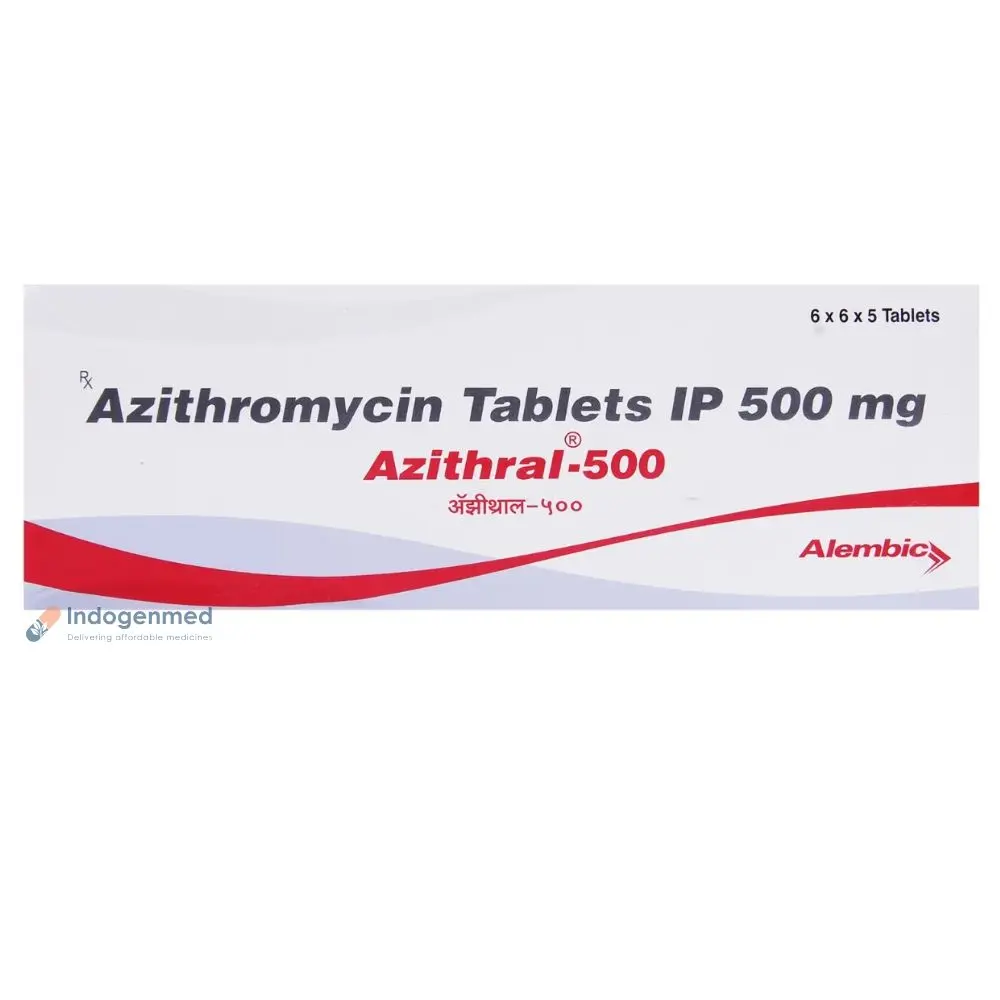
Azithral 500 Mg Tablets
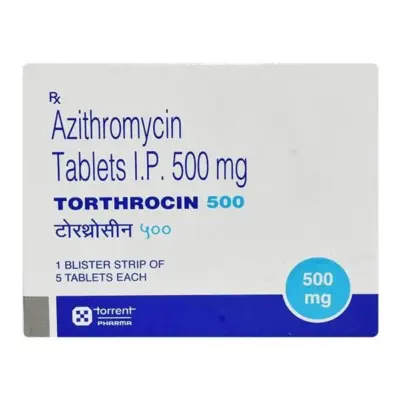
Azithral 500 Mg Tablets contain azithromycin 500 mg, a macrolide antibiotic used to treat a range of bacterial infections. Azithromycin is one of the most widely prescribed antibiotics for respiratory, skin, ear, and sexually transmitted bacterial infections. Its long tissue half-life allows short courses, often three to five days, which can improve adherence. Like all antibiotics, it works only against bacteria and is not effective against viral infections such as colds, flu, or most sore throats caused by viruses. It should be used only when a clinician has diagnosed a bacterial infection.
Composition
| Active Ingredient | Strength |
|---|---|
| Azithromycin (as dihydrate) | 500 mg per tablet |
About the Manufacturer
Manufacturer details are printed on the carton and in the patient information leaflet supplied with each pack. Check the leaflet for the current prescribing information before use.
Mechanism of Action
Azithromycin binds reversibly to the 50S subunit of the bacterial ribosome and blocks translocation during protein synthesis, which inhibits bacterial growth. It is generally bacteriostatic, but can be bactericidal at high concentrations against some organisms. Azithromycin accumulates in phagocytic cells and tissues, so concentrations at the site of infection can be higher than in the blood. This, together with its long half-life, is why many courses last only three to five days.
Indications
- Community-acquired pneumonia, where macrolide therapy is appropriate
- Acute bacterial exacerbations of chronic bronchitis
- Acute bacterial sinusitis and pharyngitis or tonsillitis caused by susceptible organisms
- Acute otitis media
- Uncomplicated skin and soft tissue infections
- Uncomplicated genital infections caused by Chlamydia trachomatis, as directed by a clinician
Dosage & Administration
- Swallow the tablet whole with water. Take it with or without food, although taking it with food may reduce stomach upset
- For many infections, the adult dose is 500 mg once daily for three days. Other regimens exist, for example for pneumonia, and your prescriber will choose the one that suits your infection
- Complete the course as prescribed, even if you feel better earlier
- Take antacids containing aluminium or magnesium at least two hours before or after azithromycin, as they can reduce absorption
- If you miss a dose, take it as soon as you remember, unless it is nearly time for the next dose. Do not take two doses together
Special Populations
- Children: Dosing is weight-based and set by a clinician. Use the formulation appropriate to the child’s age and weight
- Elderly: Use with caution. Older adults are more likely to have heart rhythm problems and may take interacting medicines
- Renal impairment: Use with caution in severe kidney impairment. A dose change is not usually required for mild to moderate impairment
- Hepatic impairment: Use with caution. Azithromycin is mainly cleared in bile, so severe liver disease needs careful monitoring
- Pregnancy: Generally considered acceptable when clearly needed. Discuss with your doctor
- Breastfeeding: Azithromycin passes into breast milk in small amounts and is generally considered acceptable. Discuss with your doctor
Precautions
- Heart rhythm: Azithromycin can prolong the QT interval and rarely cause serious arrhythmias. Use with great care in people with heart rhythm disorders, electrolyte imbalances (low potassium or magnesium), or those taking other QT-prolonging medicines
- Liver damage: Rare but serious liver injury has been reported. Stop the medicine and seek help for yellowing of the skin or eyes, dark urine, or abdominal pain
- Diarrhoea: Antibiotic-associated diarrhoea is common. Severe, persistent, or bloody diarrhoea may indicate Clostridioides difficile infection. Contact your doctor promptly and avoid anti-diarrhoeal medicines unless advised
- Myasthenia gravis: Macrolides can worsen muscle weakness in people with myasthenia gravis. Tell your doctor if you have this condition
- Hearing: Rare hearing changes or tinnitus have been reported. Report them to your doctor
- Resistance: Antibiotics should be used only when necessary, to reduce the risk of resistant bacteria
Contraindications
- Known hypersensitivity to azithromycin, erythromycin, or any other macrolide or ketolide antibiotic, or to any excipient
- History of cholestatic jaundice or hepatic dysfunction associated with previous azithromycin use
Side Effects
- Common: Diarrhoea, loose stools, nausea, abdominal pain, vomiting, indigestion
- Less common: Headache, dizziness, taste disturbance, rash, itching, fungal infections of the genital or oral area
- Rare: Serious allergic reactions, including anaphylaxis and angioedema; liver injury; QT prolongation and arrhythmias; hearing changes; Clostridioides difficile-associated diarrhoea
- Seek urgent medical help for: Swelling of the face, lips, or throat; difficulty breathing; fainting or palpitations; yellowing of the skin or eyes; severe or bloody diarrhoea; widespread rash or blistering
Drug Interactions
- Warfarin and other anticoagulants: May increase the anticoagulant effect. Monitor clotting tests
- Digoxin: Macrolides may raise digoxin levels. Monitor levels if combined
- Colchicine: Can cause serious toxicity with macrolides. Avoid combination unless closely supervised
- Other QT-prolonging medicines (some antiarrhythmics, antipsychotics, certain antihistamines): Additive risk of heart rhythm problems
- Antacids containing aluminium or magnesium: Reduce absorption. Separate doses by at least two hours
- Ergot alkaloids: Serious toxicity risk; avoid combination
Storage
Store below 30°C in a dry place, protected from light and moisture. Keep in the original blister or carton. Keep out of reach of children. Do not use after the expiry date printed on the pack.
Related Products
- Azax 250 Mg Tablets – azithromycin 250 mg tablets
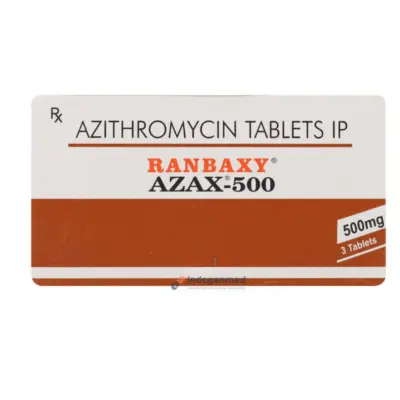
- Azax 500 Mg Tablets – azithromycin 500 mg tablets
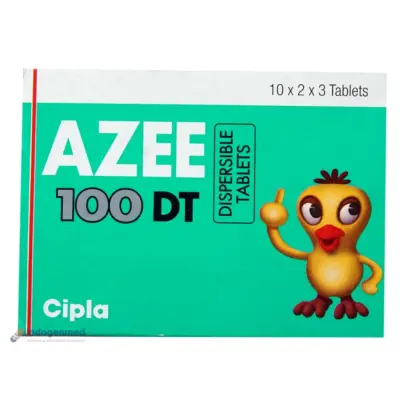
- Azee DT 100 Mg Tablets – azithromycin dispersible tablets
Frequently Asked Questions
- What is Azithral 500 Mg used for?
- It is used to treat several bacterial infections, including chest infections such as pneumonia and bronchitis, sinus and throat infections, ear infections, skin infections, and some sexually transmitted infections. It does not treat viral illnesses.
- How many days do I take it?
- Many regimens are three days, one tablet daily, but this depends on the infection. Follow the dosing instructions on your prescription.
- Can I take it with food?
- Yes. Taking it with food may reduce stomach upset.
- Can I drink alcohol while taking it?
- Moderate alcohol is generally considered acceptable, but alcohol can add to stomach upset and fatigue. Your doctor can advise, particularly if you have liver disease.
- When should I seek urgent help?
- Get urgent help for swelling of the face or throat, difficulty breathing, fainting or a racing heartbeat, yellowing of the skin or eyes, or severe or bloody diarrhoea.
References
- NHS – Azithromycin
- MedlinePlus – Drug Information Index (azithromycin)
- FDA – Drugs (azithromycin prescribing information)
- EMA – Medicines (azithromycin product information)
Disclaimer: This page is for informational purposes only and does not constitute medical advice. Azithral 500 Mg Tablets is a prescription antibiotic and must be used only under the supervision of a qualified healthcare professional. Do not use leftover antibiotics. Seek urgent medical help for signs of a serious allergic reaction, fainting or palpitations, yellowing of the skin or eyes, or severe diarrhoea.

Reviews
There are no reviews yet.