Description
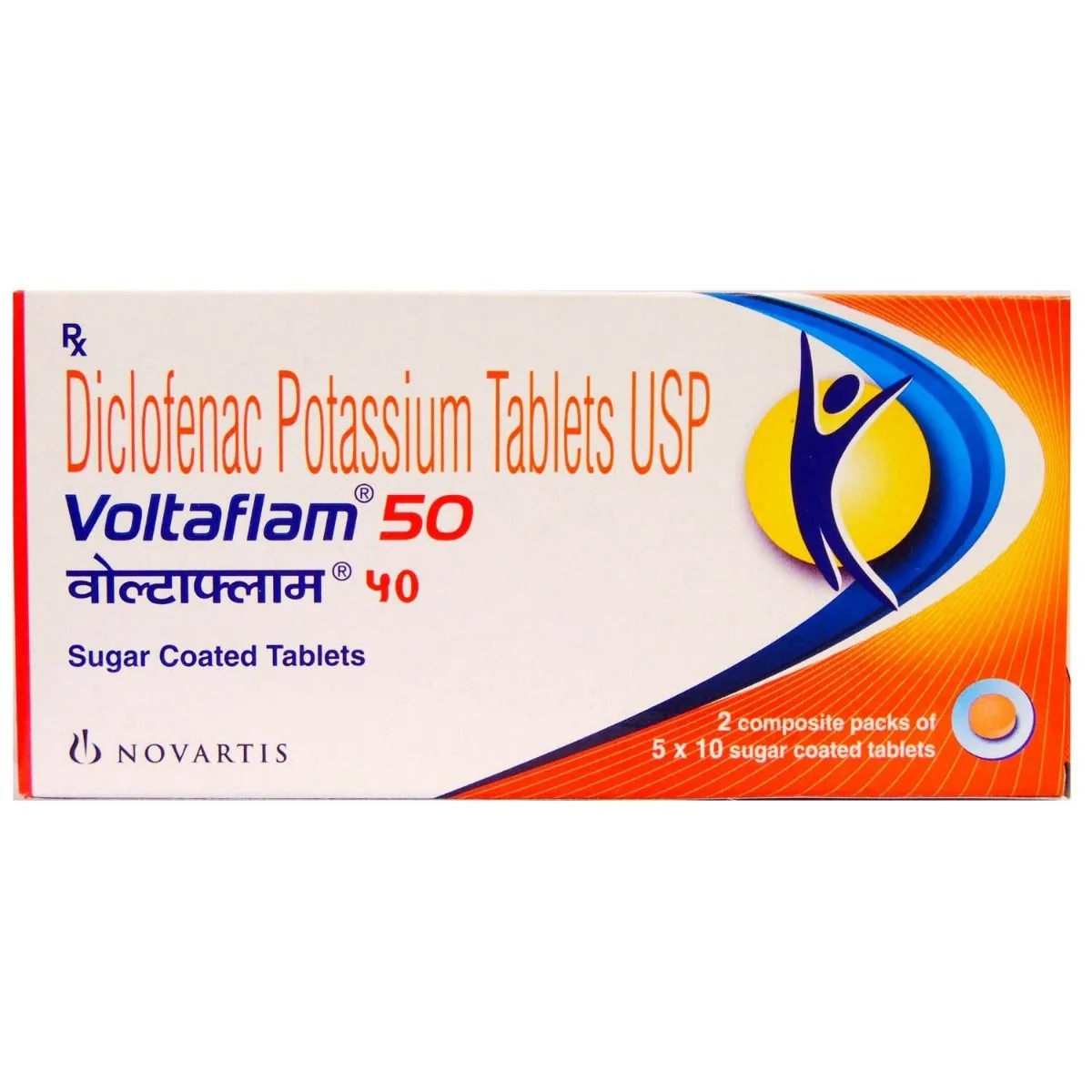
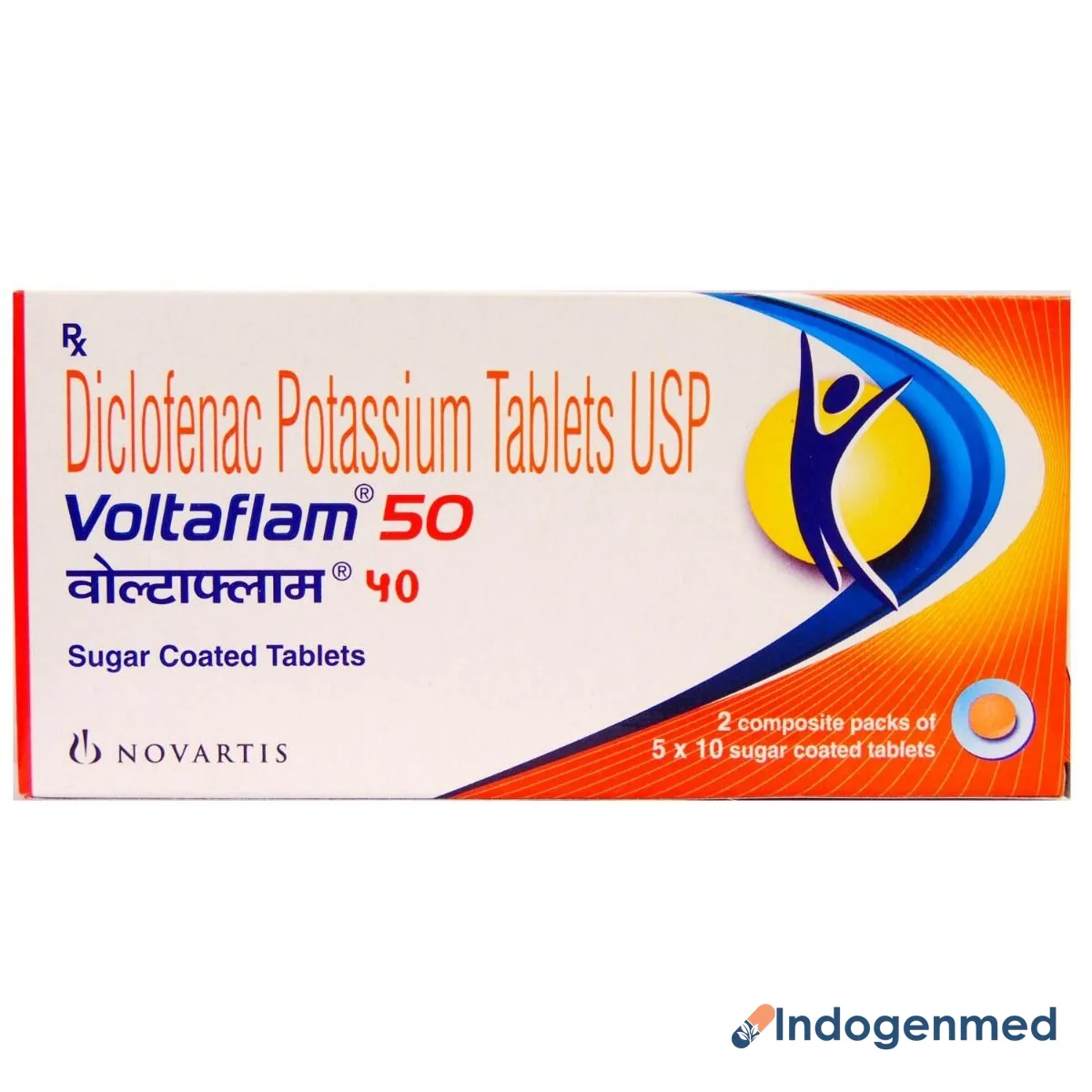
What Is Voltaflam 50 mg Tablets?
Voltaflam 50 mg Tablets contain diclofenac sodium 50 mg as the active ingredient. Diclofenac is a non-steroidal anti-inflammatory drug (NSAID) of the phenylacetic acid class. It is one of the most widely used analgesic and anti-inflammatory agents globally, with a well-established clinical profile across a broad range of pain and inflammatory conditions. The 50 mg dose represents the standard therapeutic dose for most acute and chronic indications, administered two or three times daily depending on the clinical situation.
Diclofenac works by inhibiting prostaglandin synthesis — the biochemical pathway central to the generation of pain, inflammation, and fever. By blocking the cyclooxygenase (COX) enzymes COX-1 and COX-2, diclofenac reduces the production of prostaglandins and thromboxanes from arachidonic acid, diminishing the sensitisation of nociceptors, reducing vascular permeability and oedema, and alleviating the inflammatory cascade underlying both acute and chronic pain.
Voltaflam 50 mg is used in the management of a wide range of conditions characterised by pain and inflammation, including osteoarthritis, rheumatoid arthritis, ankylosing spondylitis, acute musculoskeletal pain, postoperative pain, dental pain, dysmenorrhoea, and acute gout. It provides clinically meaningful analgesia and anti-inflammatory effect within 30–60 minutes of absorption, with the duration of effect typically lasting 6–8 hours per dose.
Mechanism of Action
Diclofenac is a selective COX inhibitor with moderate COX-2 selectivity relative to COX-1, though it also inhibits COX-1 at therapeutic concentrations. Its anti-inflammatory, analgesic, and antipyretic effects stem primarily from reduced prostaglandin synthesis.
The Arachidonic Acid Pathway and Prostaglandin Synthesis
When cells are injured or exposed to inflammatory stimuli (cytokines, bacterial products, mechanical trauma), phospholipase A₂ is activated and cleaves arachidonic acid from membrane phospholipids. Free arachidonic acid is then acted on by cyclooxygenase enzymes (COX-1 and COX-2), which catalyse its conversion first to prostaglandin G₂ (PGG₂) and then to prostaglandin H₂ (PGH₂) — the common precursor of all prostanoids. Tissue-specific synthases then convert PGH₂ to specific prostaglandins (PGE₂, PGI₂, PGD₂), thromboxane A₂ (TXA₂), and other eicosanoids. These mediators have multiple pro-inflammatory and nociceptive roles: PGE₂ sensitises peripheral nociceptors to mechanical and thermal stimuli, PGI₂ promotes vasodilation and plasma extravasation, and TXA₂ promotes platelet aggregation. Prostaglandins also act centrally in the spinal cord and brain, contributing to central sensitisation and fever.
COX-1 vs COX-2 Inhibition
COX-1 is a constitutively expressed enzyme present in most tissues; its prostaglandin products contribute to gastric mucosal cytoprotection (via PGE₂ stimulation of mucus and bicarbonate secretion), platelet thromboxane production (required for normal haemostasis), and renal perfusion maintenance. COX-2 is predominantly an inducible enzyme upregulated by inflammatory signals, cytokines, and growth factors; its products are responsible for most of the prostaglandins generated at sites of inflammation. Diclofenac inhibits both COX-1 and COX-2 — with somewhat greater relative potency toward COX-2 at therapeutic doses — producing its desired anti-inflammatory effect while also carrying the gastroprotective and cardiovascular risks inherent to COX-1 and COX-2 inhibition respectively.
Additional Mechanisms
Beyond COX inhibition, diclofenac has demonstrated additional pharmacological actions including inhibition of lipoxygenase pathways (reducing leukotriene synthesis), modulation of arachidonic acid uptake into phospholipids, and inhibition of thromboxane A₂ synthesis. These may contribute to its clinical anti-inflammatory profile, particularly in joints. It also has a central analgesic component, as prostaglandins in the spinal cord contribute to central sensitisation.
Indications
- Osteoarthritis: Pain relief and reduction of joint inflammation and stiffness
- Rheumatoid arthritis: Management of signs and symptoms of active disease
- Ankylosing spondylitis: Reduction of spinal pain and stiffness
- Acute musculoskeletal conditions: Sprains, strains, back pain, tendinitis, bursitis
- Postoperative and post-traumatic pain: Including dental procedures, minor surgery
- Primary dysmenorrhoea: Relief of menstrual pain
- Acute gout: Short-term management of acute gouty arthritis
- Renal colic: As adjunct analgesia (parenteral forms preferred for severe colic, but oral may be used for milder episodes)
Dosage and Administration
Standard adult dose: 50 mg two or three times daily (100–150 mg/day). Doses above 150 mg/day do not generally provide additional benefit and increase adverse effect risk.
Acute pain and dysmenorrhoea: An initial dose of 100 mg may be used, followed by 50 mg doses as needed; total daily dose should not exceed 150 mg on the first day.
Osteoarthritis and rheumatoid arthritis: 50 mg two to three times daily. Consider using the lowest effective dose for the shortest duration consistent with treatment goals.
Ankylosing spondylitis: 50 mg two to three times daily; modified-release formulations of 75 mg or 100 mg are often preferred for this indication.
Administration: Take with food, milk, or antacids to reduce gastric irritation. Swallow whole with a full glass of water. Do not crush or chew enteric-coated or modified-release tablets.
Renal impairment: Use with caution; avoid in moderate-to-severe renal impairment. NSAIDs can precipitate acute kidney injury, particularly in volume-depleted patients.
Hepatic impairment: Diclofenac is predominantly hepatically metabolised; use cautiously and at reduced doses in hepatic impairment. Avoid in severe hepatic disease.
Elderly: Use the lowest effective dose and shortest treatment duration; elderly patients are at increased risk of gastrointestinal and renal adverse effects.
Contraindications
- Hypersensitivity to diclofenac or any excipient
- NSAID or aspirin hypersensitivity with history of urticaria, bronchospasm, or anaphylaxis (aspirin-exacerbated respiratory disease)
- Active gastrointestinal ulceration or bleeding, or history of recurrent peptic ulcer disease
- Severe hepatic impairment
- Severe renal impairment (GFR <30 mL/min)
- Severe heart failure (NYHA Class III–IV)
- Established ischaemic heart disease, peripheral arterial disease, or cerebrovascular disease — diclofenac carries the highest cardiovascular risk among common NSAIDs
- Third trimester of pregnancy (may cause premature closure of the ductus arteriosus and inhibit labour)
Warnings and Precautions
Cardiovascular Risk
Diclofenac is associated with an increased risk of serious cardiovascular thrombotic events, including myocardial infarction and stroke, relative to other NSAIDs. Meta-analyses and large observational studies suggest diclofenac carries a cardiovascular risk profile more similar to selective COX-2 inhibitors (coxibs) than to naproxen. This risk applies even in patients without pre-existing cardiovascular disease and increases with dose and duration of use. Patients with established cardiovascular disease or multiple cardiovascular risk factors are at greatest risk. Diclofenac should be used at the lowest effective dose for the shortest period possible, and avoided in patients with established ischaemic heart disease, stroke, or peripheral arterial disease.
Gastrointestinal Risk
All NSAIDs, including diclofenac, can cause serious gastrointestinal adverse events including ulceration, bleeding, and perforation of the stomach, small intestine, or large intestine. These events can occur without warning symptoms. Risk factors include advanced age (>65 years), prior GI ulceration or bleeding, concurrent use of corticosteroids or anticoagulants, alcohol use, and high NSAID doses. Prescribing a gastroprotective agent (proton pump inhibitor or misoprostol) alongside diclofenac is strongly recommended for high-risk patients.
Renal Effects
NSAIDs inhibit prostaglandin-mediated renal autoregulation, which can precipitate acute kidney injury in patients who are volume-depleted (dehydration, diuretic use, heart failure, cirrhosis), have chronic kidney disease, or are taking ACE inhibitors, angiotensin receptor blockers, or diuretics. Monitor renal function in at-risk patients and avoid diclofenac in pre-existing severe renal impairment.
Hepatotoxicity
Diclofenac has a relatively higher risk of hepatotoxicity compared with other NSAIDs. Clinically significant elevations in liver enzymes (ALT, AST) occur in some patients; rare cases of serious hepatic reactions (jaundice, fulminant hepatitis) have been reported. Monitor liver function in patients receiving long-term therapy or in those with pre-existing hepatic disease.
Adverse Effects
- Common: Nausea, dyspepsia, abdominal pain, diarrhoea, headache, dizziness
- Uncommon: Gastric or duodenal ulcer, constipation, vomiting, oedema, elevated liver enzymes
- Serious (less common): GI bleeding, GI perforation, cardiovascular events (MI, stroke), acute renal failure, hepatotoxicity, severe skin reactions (Stevens-Johnson syndrome, toxic epidermal necrolysis), anaphylaxis
Drug Interactions
Anticoagulants
Diclofenac inhibits platelet thromboxane synthesis (COX-1) and may increase the anticoagulant effect of warfarin through plasma protein displacement and pharmacodynamic interaction. The combination increases gastrointestinal bleeding risk substantially. Monitor INR closely if co-prescription is unavoidable.
ACE Inhibitors, ARBs, and Diuretics
NSAIDs reduce renal prostaglandin synthesis, potentially blunting the antihypertensive effect of ACE inhibitors and angiotensin receptor blockers, and increasing the risk of acute kidney injury when combined with diuretics. The triple combination (NSAID + ACE inhibitor/ARB + diuretic) carries the highest renal risk and should be avoided.
Lithium and Methotrexate
Diclofenac reduces renal clearance of lithium, increasing plasma lithium concentrations and toxicity risk. NSAIDs reduce methotrexate clearance, potentially causing methotrexate toxicity. Monitor carefully if co-prescription is unavoidable.
Storage
Store Voltaflam 50 mg Tablets at room temperature, below 25°C, in a dry place away from moisture and direct sunlight. Keep in the original packaging. Keep out of reach of children. Do not use after the expiry date printed on the pack.
Related Products
- Ketorol 10 mg Tablets (Ketorolac — potent NSAID for acute pain)
- Vomistop 10 mg Tablets (Domperidone — for nausea/vomiting associated with pain treatment)
- Rizact 5 mg Tablets (Rizatriptan — for migraine headache)
- Panthegel 5 gm Gel (Pantoprazole gel — gastric protection with NSAID use)
References
- DailyMed. Diclofenac sodium tablets — prescribing information. U.S. National Library of Medicine. Available at: https://dailymed.nlm.nih.gov/dailymed/
- MedlinePlus. Diclofenac. U.S. National Library of Medicine. Available at: https://medlineplus.gov/druginfo/meds/a689002.html
- Mayo Clinic. Diclofenac (Oral Route) — Description and Brand Names. Available at: https://www.mayoclinic.org/
- Coxib and traditional NSAID Trialists’ (CNT) Collaboration. Vascular and upper gastrointestinal effects of non-steroidal anti-inflammatory drugs: meta-analyses of individual participant data from randomised trials. Lancet. 2013;382(9894):769–779. PMID: 23726390
- McGettigan P, Henry D. Cardiovascular risk and inhibition of cyclooxygenase: a systematic review of the observational studies of selective and nonselective inhibitors of cyclooxygenase 2. JAMA. 2006;296(13):1633–1644. PMID: 16968831

Reviews
There are no reviews yet.