Description
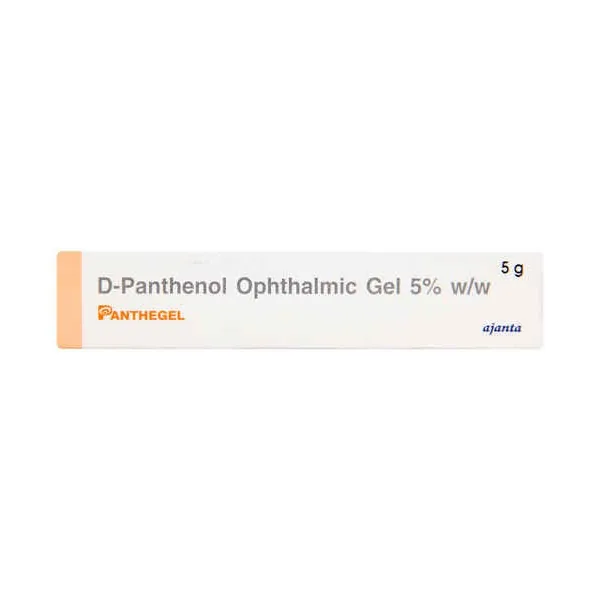
What Is Panthegel 5 gm?
Panthegel 5 gm is a branded oral gel formulation containing pantoprazole 40 mg per sachet as the active ingredient. Pantoprazole is a proton pump inhibitor (PPI) that reduces gastric acid secretion by irreversibly blocking the hydrogen-potassium ATPase enzyme (the “proton pump”) in the stomach’s parietal cells. This oral gel presentation provides an alternative to conventional pantoprazole tablets, making it particularly useful for patients who have difficulty swallowing solid dosage forms, including the elderly, children, and post-operative patients.
Pantoprazole as a drug class is widely used for the treatment of gastro-oesophageal reflux disease (GERD), peptic ulcer disease, and conditions of hypersecretion such as Zollinger-Ellison syndrome. The 40 mg dose in Panthegel corresponds to the standard therapeutic dose used across adult indications.
Pantoprazole oral gels are especially valued in Indian clinical practice because they enable accurate dose delivery in patients who cannot or will not swallow tablets, and because the gel can be mixed with water and administered through a nasogastric tube when necessary.
Mechanism of Action
Pantoprazole reduces gastric acid production through targeted, irreversible inhibition of the proton pump — the final step of acid secretion in the stomach parietal cell.
Proton Pump Inhibition
After oral administration, pantoprazole is absorbed from the small intestine and transported to the parietal cells of the gastric mucosa. Within the acidic environment of the secretory canaliculi, pantoprazole (a prodrug) is converted to its active sulphenamide form. This activated metabolite forms covalent disulfide bonds with cysteine residues on the H⁺/K⁺-ATPase (proton pump), permanently inactivating the enzyme and blocking acid secretion regardless of the stimulus — whether histamine, acetylcholine, or gastrin.
Duration of Effect
Because the inhibition is irreversible, the duration of acid suppression extends well beyond the plasma half-life of pantoprazole (approximately 1 hour). Acid secretion is restored only as new proton pump molecules are synthesised, typically over 24–48 hours. This pharmacological property supports once-daily dosing despite the short plasma half-life.
Selectivity
Pantoprazole is highly selective for gastric parietal cell proton pumps. The low pH required for its activation limits activity predominantly to the acid-secreting cells of the stomach, reducing systemic side effects from non-specific enzyme inhibition elsewhere.
Indications
Panthegel 5 gm (pantoprazole 40 mg oral gel) is indicated for:
- Gastro-oesophageal reflux disease (GERD) — both erosive and non-erosive forms, for symptom relief and mucosal healing
- Peptic ulcer disease — treatment of gastric and duodenal ulcers
- Helicobacter pylori eradication — as part of triple or quadruple therapy regimens combined with antibiotics
- Zollinger-Ellison syndrome — management of pathological hypersecretory conditions
- NSAID-induced ulcer prevention — in patients requiring long-term NSAID therapy who are at risk of gastric complications
- Stress ulcer prophylaxis — in critically ill or hospitalised patients at risk of gastrointestinal bleeding
- Patients with dysphagia — the gel formulation provides an alternative to tablets when swallowing is impaired
Dosage and Administration
Standard adult dose: One sachet of Panthegel 5 gm (pantoprazole 40 mg) once daily, taken 30 to 60 minutes before the first meal of the day. Some indications, such as severe GERD or Zollinger-Ellison syndrome, may require twice-daily dosing under medical supervision.
How to take: Empty the contents of one sachet onto a spoon or into a small amount of water (approximately 5–10 mL), stir briefly, and swallow immediately. Do not chew. For administration via nasogastric tube, mix the gel with 10 mL of water and flush through per local protocol.
Duration of treatment:
- Duodenal ulcer: 4 weeks
- Gastric ulcer: 4–8 weeks
- GERD: 4–8 weeks, with long-term maintenance at the lowest effective dose as directed
- H. pylori eradication: 7–14 days as part of combination therapy
- Zollinger-Ellison syndrome: individualised, long-term treatment
Renal impairment: No dose adjustment required.
Hepatic impairment: Maximum 20 mg per day in severe hepatic impairment; liver function should be monitored periodically in long-term use.
Elderly: No dose adjustment required. Use at the lowest effective dose for the shortest necessary duration.
Contraindications
- Hypersensitivity to pantoprazole, substituted benzimidazoles, or any excipient of the formulation
- Co-administration with rilpivirine-containing antiretroviral products — PPIs substantially raise gastric pH and reduce rilpivirine absorption, increasing the risk of treatment failure
- Children under 1 year for most PPI indications (specific age thresholds depend on the indication and product labelling)
Warnings and Precautions
Gastric Malignancy
Symptomatic relief with pantoprazole does not exclude the presence of gastric malignancy. Before starting treatment in patients with alarm symptoms (unintentional weight loss, dysphagia, persistent vomiting, haematemesis, or a palpable epigastric mass), appropriate investigation including endoscopy should be considered. Prolonged PPI use in patients with H. pylori infection may increase the risk of gastric atrophy; eradication of H. pylori should be considered before initiating long-term therapy.
Clostridium difficile Infection
Published observational studies suggest an association between PPI use and an increased risk of Clostridioides difficile-associated diarrhoea. The risk appears higher in hospitalised patients. Prescribe Panthegel at the lowest effective dose for the shortest necessary duration.
Hypomagnesaemia
Symptomatic and asymptomatic hypomagnesaemia has been reported with PPI use, typically after treatment for more than three months and most often after one year. Clinically significant hypomagnesaemia can cause muscle spasms, arrhythmias, and seizures. In patients expected to receive long-term pantoprazole or who are taking drugs such as digoxin or diuretics that may also cause hypomagnesaemia, baseline and periodic serum magnesium measurements should be considered.
Bone Fractures
Several epidemiological studies suggest a possible increased risk of osteoporosis-related hip, wrist, and spine fractures associated with long-term, high-dose PPI use. Patients at risk of osteoporosis should ensure adequate calcium and vitamin D intake per established guidelines.
Vitamin B12 Deficiency
Long-term acid suppression may impair the absorption of vitamin B12 (cyanocobalamin). This is of particular relevance in patients with limited dietary intake of B12 (vegans), elderly patients, and those on concomitant metformin, which also reduces B12 absorption. Periodic monitoring of B12 is prudent in long-term users.
Subacute Cutaneous Lupus Erythematosus (SCLE)
Post-marketing cases of SCLE have been reported with PPI use. If SCLE is suspected after starting pantoprazole, discontinue the drug and perform appropriate dermatological and serological evaluation. Cross-reactivity between PPIs means patients with SCLE on one PPI may also react to another.
Adverse Effects
Pantoprazole is well tolerated in short- and long-term use. Common adverse effects (affecting 1–10% of users) include:
- Headache
- Diarrhoea, nausea, vomiting
- Abdominal pain, flatulence, constipation
- Dizziness
- Rash or pruritus
Uncommon or rare adverse effects include:
- Hypomagnesaemia (long-term use)
- Hyponatraemia
- Visual disturbances
- Peripheral oedema
- Arthralgia, myalgia
- Depression, hallucinations (rare)
- Severe skin reactions (Stevens-Johnson syndrome, toxic epidermal necrolysis — very rare)
- SCLE (post-marketing, rare)
Drug Interactions
Rilpivirine
Contraindicated combination. Pantoprazole raises gastric pH, substantially reducing rilpivirine absorption and risking virological failure. All PPIs are contraindicated with rilpivirine-based antiretrovirals.
Methotrexate
Concomitant use of PPIs with methotrexate (particularly at high doses) may increase serum methotrexate concentrations by reducing renal tubular secretion, increasing the risk of methotrexate toxicity. Monitor carefully and consider temporary PPI discontinuation during high-dose methotrexate cycles.
Atazanavir and Nelfinavir
PPIs reduce the bioavailability of atazanavir and nelfinavir by raising gastric pH. Co-administration with these antiretrovirals should be avoided.
Clopidogrel
Pantoprazole is a weaker inhibitor of CYP2C19 than omeprazole or esomeprazole. Pharmacokinetic studies suggest pantoprazole has a less pronounced effect on the conversion of clopidogrel to its active metabolite compared with these other PPIs. Where a PPI is necessary alongside clopidogrel, pantoprazole is generally preferred; however, clinical outcomes data are inconsistent and concurrent use should be reviewed for necessity.
Warfarin
Sporadic cases of elevated INR and prothrombin time have been reported with concomitant pantoprazole and warfarin. Monitor INR and prothrombin time in patients on anticoagulant therapy.
Ketoconazole and Itraconazole
Elevated gastric pH reduces the absorption of pH-dependent drugs such as ketoconazole, itraconazole, and iron salts (ferrous sulphate). Separation of doses or switching to an alternative antifungal may be warranted.
Storage
Store Panthegel 5 gm sachets at room temperature, below 25°C. Protect from moisture and direct sunlight. Keep in the original packaging until use. Do not use after the expiry date printed on the sachet. Keep out of reach of children. Discard any unused content from an opened sachet immediately.
Related Products
- Vomistop 10 mg Tablets (Domperidone)
- Ketorol 10 mg Tablets (Ketorolac)
- Zinetac 150 mg Tablets (Ranitidine)
- Aciloc 300 mg Tablets (Ranitidine)
References
- DailyMed. Protonix (pantoprazole sodium) — prescribing information. U.S. National Library of Medicine. Available at: https://dailymed.nlm.nih.gov/dailymed/
- MedlinePlus. Pantoprazole. U.S. National Library of Medicine. Available at: https://medlineplus.gov/druginfo/meds/a601246.html
- Mayo Clinic. Pantoprazole (Oral Route) — Proper Use. Available at: https://www.mayoclinic.org/
- Shin JM, Sachs G. Pharmacology of proton pump inhibitors. Current Gastroenterology Reports. 2008;10(6):528–534. PMID: 18980725
- Strand DS, Kim D, Peura DA. 25 years of proton pump inhibitors: a comprehensive review. Gut and Liver. 2017;11(1):27–37. PMID: 27737437


Reviews
There are no reviews yet.