Description
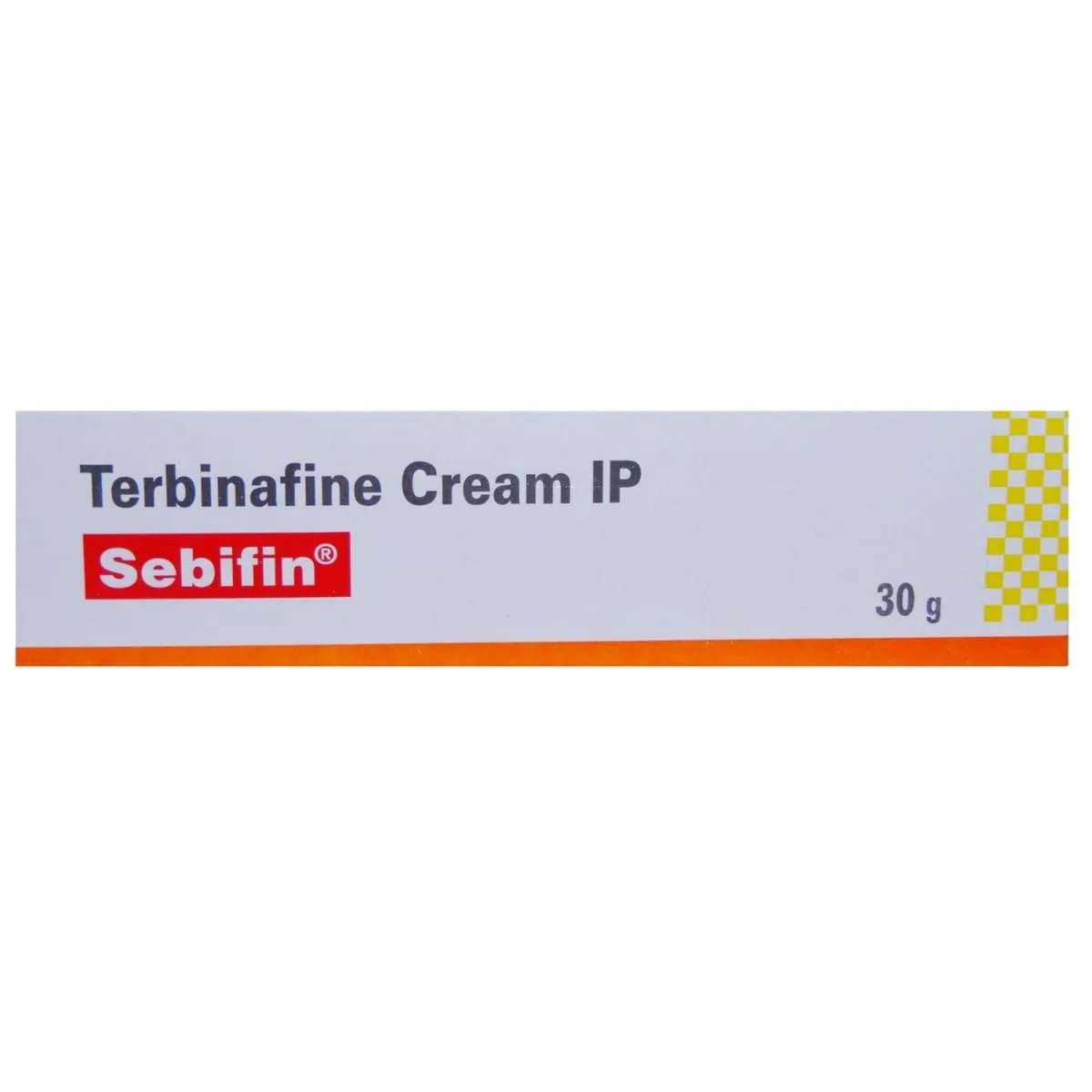
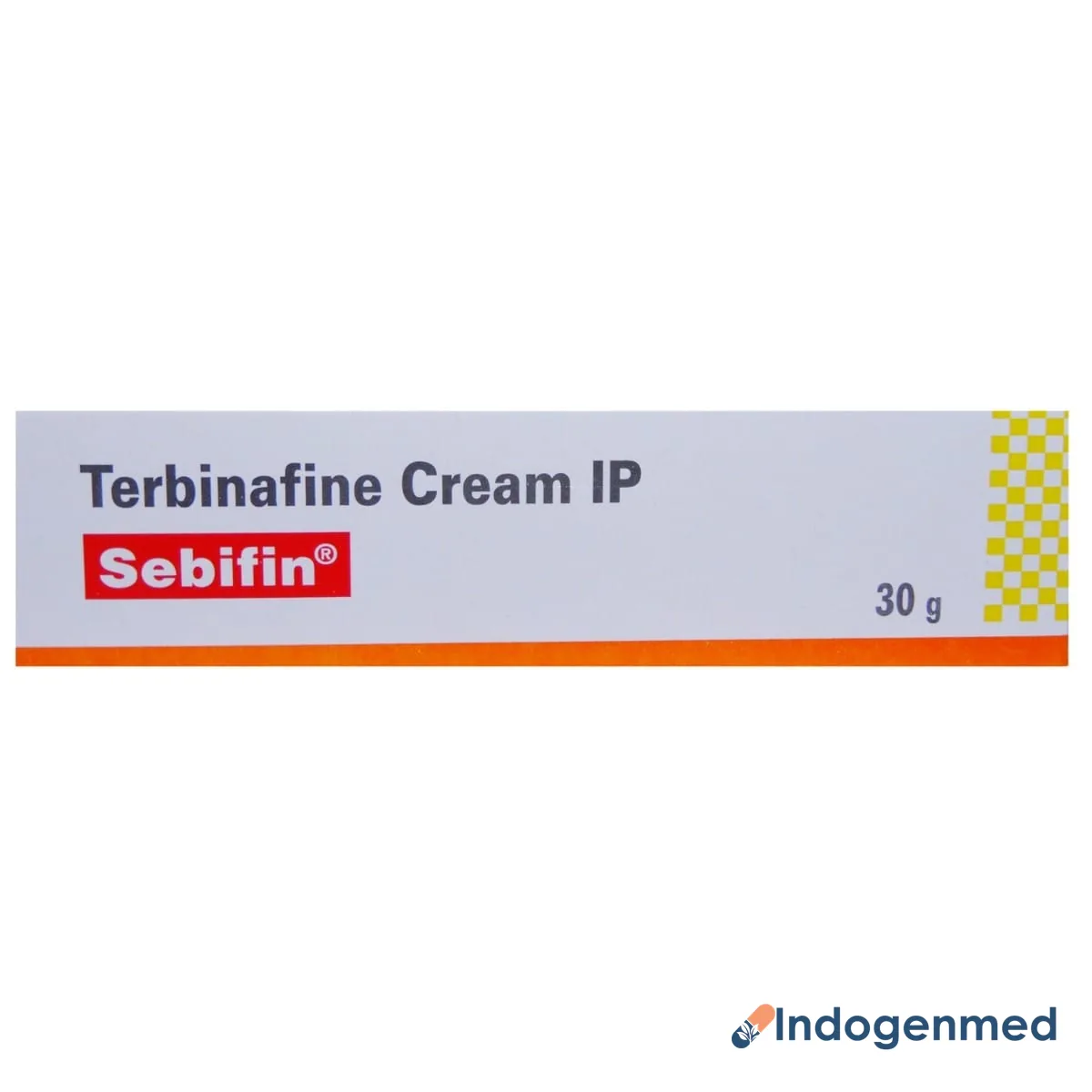
Sebifin 1%W/W 10 Gm Cream
Sebifin 1%W/W 10 Gm Cream contains terbinafine hydrochloride 1% w/w, a broad-spectrum allylamine antifungal agent for topical use. It is used to treat superficial fungal infections of the skin, including tinea pedis (athlete’s foot), tinea cruris (jock itch), tinea corporis (ringworm), and cutaneous candidiasis. Terbinafine works by inhibiting fungal ergosterol biosynthesis, producing a rapid and durable fungicidal action against dermatophytes and yeasts.
Composition
| Active Ingredient | Strength |
|---|---|
| Terbinafine Hydrochloride | 1% w/w |
About the Manufacturer
Sebifin is manufactured by Sun Pharmaceutical Industries Limited, a multinational specialty pharmaceutical company headquartered in Mumbai, India. Sun Pharma has an extensive dermatology portfolio and supplies products to regulated and emerging markets globally.
Mechanism of Action
Terbinafine inhibits squalene epoxidase, an enzyme essential for fungal ergosterol biosynthesis. This leads to intracellular accumulation of squalene and depletion of ergosterol, disrupting the fungal cell membrane and causing cell death. Unlike azole antifungals (which are fungistatic), terbinafine is primarily fungicidal against dermatophytes, resulting in faster clinical and mycological cure.
Indications
- Tinea pedis (athlete’s foot)
- Tinea cruris (jock itch / ringworm of the groin)
- Tinea corporis (ringworm of the body)
- Cutaneous candidiasis (skin yeast infections)
- Pityriasis versicolor (tinea versicolor)
Dosage & Administration
- Clean and dry the affected area thoroughly before application
- Apply a thin layer of cream to the affected skin and surrounding area once or twice daily
- Tinea pedis: Apply twice daily for 1 week, or once daily for 2 weeks
- Tinea corporis / tinea cruris: Apply once daily for 1–2 weeks
- Cutaneous candidiasis: Apply once or twice daily for 1–2 weeks
- Pityriasis versicolor: Apply once daily for 2 weeks
- Wash hands thoroughly before and after application
- For external use only; do not apply to eyes, mucous membranes, or broken skin
Special Populations
- Children ≥12 years: May be used at adult dosing under medical supervision
- Children <12 years: Not recommended unless directed by a physician
- Pregnancy: Limited data; use only if clearly needed and under medical advice
- Breastfeeding: Avoid application to the breast area; systemic absorption is low
- Elderly: No dose adjustment required
Precautions
- For external use only; avoid contact with eyes, mouth, and broken or irritated skin
- If irritation, burning, or redness worsens after application, discontinue use and consult a doctor
- Symptoms may persist briefly after the infection is cleared; complete the recommended course
- Keep the area clean and dry during treatment to prevent reinfection
- Do not use occlusive dressings over the cream unless advised by a doctor
Contraindications
- Hypersensitivity to terbinafine hydrochloride or any excipient in the formulation
- Contact with eyes or mucous membranes
Side Effects
- Common: Mild local burning, itching, or irritation at the application site
- Uncommon: Redness, peeling, dryness, or rash at the site of application
- Rare: Allergic contact dermatitis; hypersensitivity reactions
- Systemic side effects are rare with topical use due to low percutaneous absorption
Drug Interactions
- Topical terbinafine has minimal systemic absorption and therefore limited potential for systemic drug interactions
- Concurrent use of other topical preparations on the same area should be discussed with a pharmacist or physician
Storage
Store below 25°C in a dry place, away from direct sunlight. Keep the tube tightly closed. Do not freeze. Keep out of reach of children. Do not use after the expiry date printed on the pack.
Related Products
- Erytop 1% 20 Gm Gel – topical erythromycin for skin infections
- Senzclor H 5 Gm – topical antifungal combination cream
- Fexopen 180 Mg Tablets – fexofenadine for allergic skin reactions
Frequently Asked Questions
- What is Sebifin 1% Cream used for?
- Sebifin 1% Cream is an antifungal cream used to treat superficial fungal skin infections such as athlete’s foot, ringworm, jock itch, and skin yeast infections caused by Candida. It kills the fungus rather than just slowing its growth.
- How long does Sebifin Cream take to work?
- Many patients notice improvement within a few days, but the recommended course varies by infection type (usually 1–2 weeks). It is important to complete the full treatment even if symptoms resolve early to prevent recurrence.
- Can I use Sebifin Cream on my face?
- Sebifin Cream is not recommended for use on the face unless specifically directed by a doctor. Avoid contact with the eyes, nose, and mouth. If accidental contact occurs, rinse thoroughly with clean water.
- Is Sebifin Cream safe during pregnancy?
- Topical terbinafine has very low systemic absorption, but it should only be used during pregnancy if the potential benefit outweighs any risk. Consult your doctor before using Sebifin Cream if you are pregnant or planning to become pregnant.
- What should I do if Sebifin Cream causes irritation?
- Mild transient burning or itching at the application site is common and usually settles quickly. If significant irritation, redness, or swelling develops, stop using the cream and consult a healthcare professional.
References
- NHS – Terbinafine
- MedlinePlus – Terbinafine Topical
- FDA – Terbinafine Hydrochloride Cream Prescribing Information
- EMA – Lamisil (Terbinafine) EPAR
Disclaimer: This page is for informational purposes only and does not constitute medical advice. Sebifin 1%W/W 10 Gm Cream should be used as directed by a qualified healthcare professional. If your symptoms worsen or do not improve within the recommended treatment period, seek medical advice promptly.
Reviews
There are no reviews yet.