Description
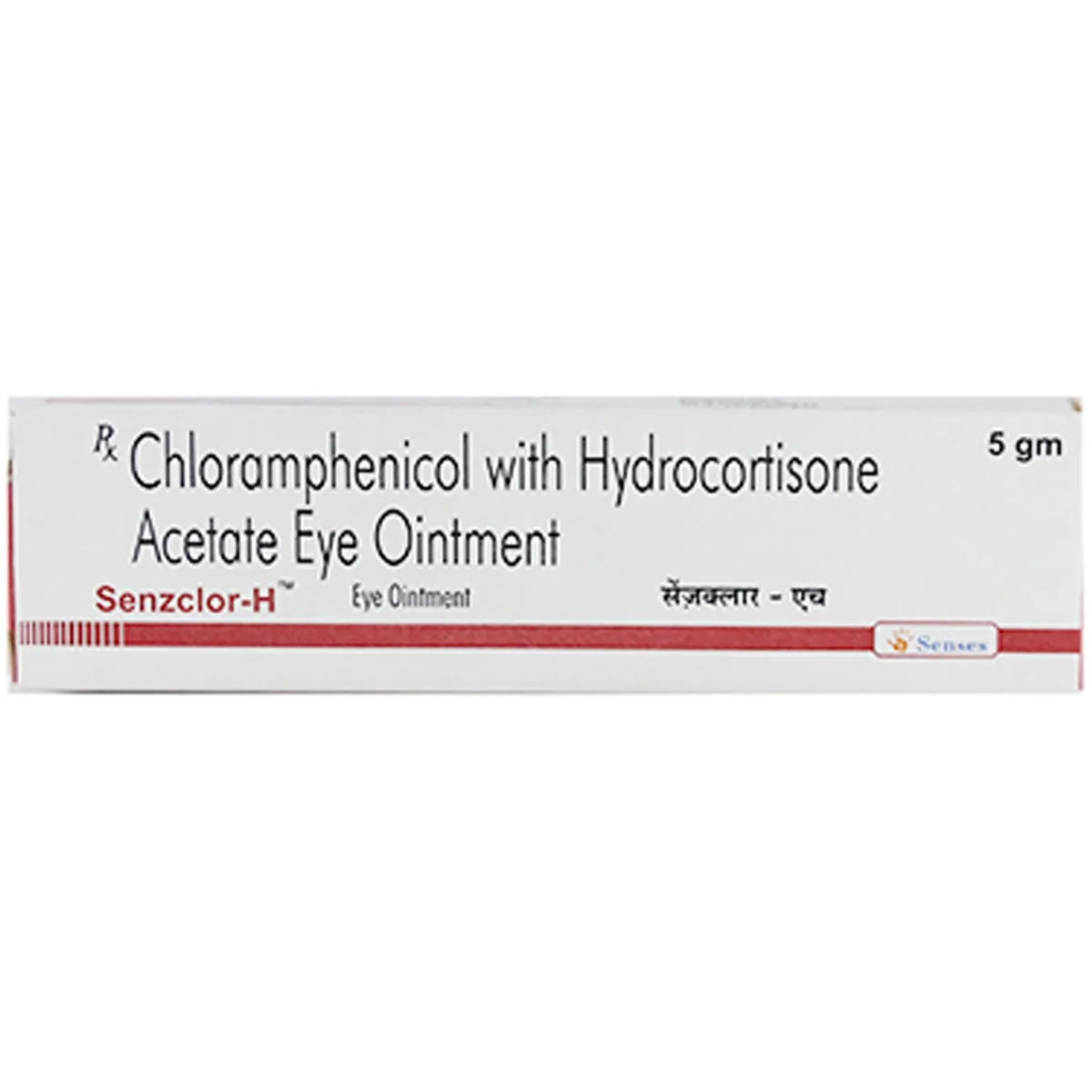
Senzclor H 5 Gm
Senzclor H 5 Gm is a topical anaesthetic cream containing a combination of lidocaine (lignocaine) and prilocaine, two local anaesthetics in the amide class. The eutectic mixture of these two agents creates a cream that penetrates intact skin to produce localised numbness. Senzclor H is used to manage premature ejaculation by temporarily reducing penile sensitivity, as well as for topical anaesthesia prior to minor dermatological procedures, intravenous cannulation, and superficial skin interventions.
Composition
| Active Ingredient | Strength |
|---|---|
| Lidocaine (Lignocaine) | 2.5% w/w |
| Prilocaine | 2.5% w/w |
About the Manufacturer
Senzclor H is manufactured by Lupin Limited, one of India’s largest and most globally recognised pharmaceutical companies, headquartered in Mumbai. Lupin manufactures formulations across a broad therapeutic range including anaesthesia, dermatology, and specialty medicines for over 100 countries.
Mechanism of Action
Lidocaine and prilocaine are amide-class local anaesthetics that act by reversibly blocking sodium ion channels in nerve cell membranes, preventing generation and propagation of nerve impulses. The eutectic mixture of these two agents (each at 2.5%) forms a liquid at room temperature that penetrates intact skin more effectively than either drug alone, producing controlled, reversible dermal anaesthesia or hypoaesthesia (reduced sensation). When applied to the penis before intercourse, Senzclor H reduces local sensitivity, extending the time to ejaculation.
Indications
- Premature ejaculation — applied topically to the penis to reduce hypersensitivity
- Topical anaesthesia before venepuncture or IV cannulation
- Topical anaesthesia before minor dermatological procedures (superficial skin biopsies, curettage, superficial laser treatment)
- Genital mucous membrane procedures (requires shorter application time)
Dosage & Administration
- Premature ejaculation (penile application): Apply a small amount (approximately 2.5 g) to the glans penis 20–30 minutes before intercourse; wash off thoroughly before sexual activity to prevent transfer to partner
- Intact skin (minor procedures): Apply 1–2.5 g per 10 cm² under occlusive dressing for 1–2 hours
- Genital mucous membranes: Apply 1–2 g for 5–10 minutes without occlusion
- Avoid contact with eyes, ears, broken skin, or open wounds
- Use the minimum quantity needed to achieve the desired anaesthetic effect
Special Populations
- Neonates and infants under 3 months: Not recommended due to risk of methaemoglobinaemia from prilocaine
- Children: Dose strictly weight-based; maximum total dose applies (see prescribing information)
- Glucose-6-phosphate dehydrogenase (G6PD) deficiency: Use with caution — increased risk of methaemoglobinaemia
- Renal or hepatic impairment: Use with caution; local anaesthetics are hepatically metabolised
- Pregnancy: Use only if clearly necessary; prilocaine may cross the placenta
Precautions
- Wash off completely before intercourse to prevent numbness or reduced sensation in the partner
- Avoid application to broken, inflamed, or infected skin
- Avoid contact with eyes — if contact occurs, rinse immediately with water
- Large surface areas or prolonged application increases systemic absorption and risk of toxicity
- Methaemoglobinaemia: prilocaine may cause methaemoglobinaemia, particularly in infants and in patients with congenital or idiopathic methaemoglobinaemia, or those on methaemoglobin-inducing agents (e.g., sulphonamides, dapsone, nitrates)
Contraindications
- Known hypersensitivity to lidocaine, prilocaine, or any amide-class local anaesthetic
- Application to the ear (risk of ototoxicity)
- Neonates under 37 weeks gestational age
- Patients with congenital or idiopathic methaemoglobinaemia
- Broken, infected, or inflamed skin
Side Effects
- Local (very common): Blanching, erythema, oedema, altered temperature sensation, temporary numbness at application site
- Local (less common): Itching, burning sensation, rash
- Systemic (rare, with excessive use): Dizziness, CNS excitation then depression, methaemoglobinaemia (bluish skin, shortness of breath), cardiac arrhythmia
Drug Interactions
- Class III antiarrhythmics (amiodarone, sotalol): Use with caution — additive cardiac effects possible with systemic absorption
- Methaemoglobin-inducing agents (sulphonamides, dapsone, nitrates, primaquine): Increased risk of methaemoglobinaemia when combined with prilocaine
- Other local anaesthetics: Additive toxic effects if used concurrently; avoid combination
Storage
Store below 30°C, away from direct heat and light. Do not freeze. Keep out of reach of children. Keep tube tightly closed after use. Do not use after the expiry date printed on the tube.
Related Products
- Manly 100 Mg Tablets – sildenafil 100 mg for erectile dysfunction
- Erex 50 Mg Tablets – sildenafil 50 mg for erectile dysfunction
- Finpecia 1 Mg Tablets – finasteride 1 mg for male pattern hair loss
Frequently Asked Questions
- What is Senzclor H used for in men’s health?
- Senzclor H is used topically on the penis to help manage premature ejaculation. By reducing the sensitivity of the glans penis, it can extend the time to ejaculation during sexual intercourse. It is also used by healthcare professionals for topical anaesthesia before minor skin procedures and cannulation.
- How long before sex should I apply Senzclor H?
- Apply Senzclor H approximately 20–30 minutes before intercourse to allow the cream time to take effect. It is important to wash the cream off completely before sexual activity so that it does not transfer to the partner and cause unwanted numbness.
- Is Senzclor H safe to use regularly?
- Senzclor H should be used at the minimum effective dose and not more frequently than needed. Regular daily use on large skin areas is not recommended due to the risk of cumulative systemic absorption. For premature ejaculation, use the smallest amount that provides the desired effect and always wash off before intercourse.
- Can Senzclor H affect my partner?
- Yes — if the cream is not washed off before intercourse, it can cause reduced sensation or temporary numbness in the partner (vaginal or penile). It is essential to wash the application site thoroughly with soap and water before sexual contact to prevent transfer.
- What are the signs of an adverse reaction to Senzclor H?
- Local reactions such as temporary redness, blanching, mild swelling, or itching at the application site are common and expected. Systemic reactions (dizziness, blue discolouration of the skin or lips, difficulty breathing) are rare but indicate possible methaemoglobinaemia or systemic local anaesthetic toxicity — seek immediate medical attention if these occur.
References
- NHS – Lidocaine Skin Cream
- MedlinePlus – Lidocaine Topical
- FDA – EMLA (Lidocaine/Prilocaine) Prescribing Information
- EMA – EMLA (Lidocaine/Prilocaine) Information
Disclaimer: This page is for informational purposes only and does not constitute medical advice. Senzclor H 5 Gm should be used under the guidance of a qualified healthcare professional. Always wash off completely before sexual intercourse to prevent transfer to partner. Keep away from eyes and broken skin.

Reviews
There are no reviews yet.