Description
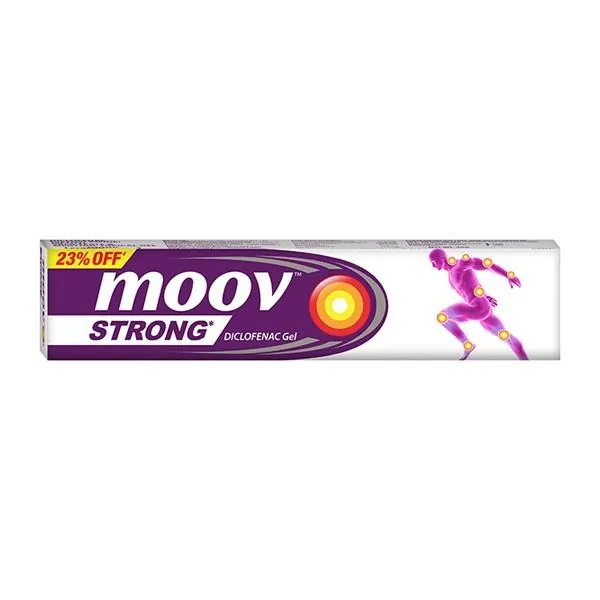
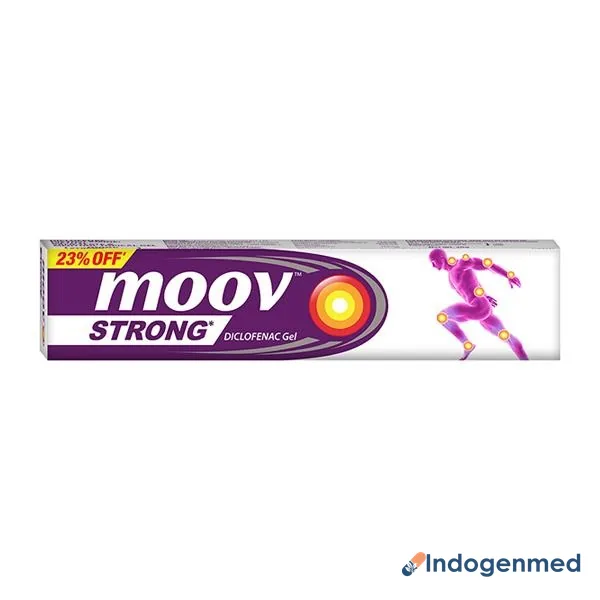
What Is Moov 30 gm Cream?
Moov 30 gm Cream is a topical analgesic preparation used for the relief of muscular and joint pain. It contains a combination of active ingredients including methyl salicylate, menthol, eucalyptus oil, and turpentine oil — counterirritants that produce a localised warming and cooling sensation on the skin, which helps to relieve pain from muscle aches, sprains, strains, arthritis, and sports injuries. Moov is a widely used over-the-counter (OTC) topical pain relief product, valued for its rapid onset of action, ease of application, and minimal risk of systemic side effects compared to oral NSAIDs (non-steroidal anti-inflammatory drugs).
Topical counterirritant preparations work through a well-established neurophysiological mechanism: the stimulation of cutaneous sensory receptors by menthol (cooling) and methyl salicylate (warming) overrides the perception of deep musculoskeletal pain through gate-control modulation of pain signals at the spinal cord level. This “counter-irritation” approach has been used for centuries and continues to be supported by clinical evidence for mild-to-moderate musculoskeletal pain relief, making products like Moov a first-line option for self-management of soft-tissue injuries and chronic joint discomfort.
Mechanism of Action
Methyl Salicylate — Topical NSAID and Counterirritant
Methyl salicylate (wintergreen oil) is a salicylate ester that penetrates the skin and is hydrolysed to salicylic acid — a compound with weak cyclooxygenase (COX) inhibitory properties. At the concentrations present in topical preparations, the primary analgesic effect is counterirritant (producing localised warmth) rather than significant prostaglandin inhibition, though some local anti-inflammatory effect is possible with repeated application. The characteristic warming sensation distracts from the perception of deeper pain.
Menthol — TRPM8 Receptor Activation and Gate Control
Menthol selectively activates TRPM8 (Transient Receptor Potential Melastatin 8) channels — thermosensitive ion channels in cutaneous sensory neurons that normally respond to temperatures below 25°C. By activating TRPM8, menthol produces a sensation of coolness on the skin without actually lowering skin temperature. This cutaneous sensory signal modulates the transmission of pain signals in the dorsal horn of the spinal cord (gate control theory), reducing the perceived intensity of musculoskeletal pain.
Eucalyptus Oil and Turpentine Oil
Eucalyptus oil contains 1,8-cineole (eucalyptol), which has mild anti-inflammatory and analgesic properties. Turpentine oil is a traditional rubefacient (a substance that reddens the skin by causing local vasodilation), which increases cutaneous blood flow and contributes to the warming and counterirritant effect. Together with methyl salicylate and menthol, these components create the characteristic warming-cooling sensation and mild hyperaemia (increased local circulation) that characterises Moov’s analgesic action.
Indications
Muscular Pain and Stiffness
Moov is primarily used for temporary relief of muscular aches and pains, including back pain, neck pain, shoulder stiffness, and generalised muscle soreness from overexertion or physical activity. It is widely used by athletes and active individuals for warm-up and recovery.
Sprains and Strains
Minor soft tissue injuries — ankle sprains, muscle pulls, and ligament strains — benefit from the analgesic and mild anti-inflammatory effects of topical counterirritants. Moov can be used in the subacute phase (after the initial 48–72 hours of ice and compression), when the warming effect promotes local circulation and aids recovery.
Arthritis and Joint Pain
Patients with osteoarthritis of the knee, hip, or small hand joints may find topical counterirritant preparations helpful for symptom relief, particularly when oral analgesics are not desired or are poorly tolerated. While Moov is not an anti-arthritic disease-modifying treatment, it provides symptomatic relief of joint discomfort through local counterirritant effects.
Sports Injuries and Warm-Up
Moov is commonly applied before athletic activity to warm up muscles and reduce the risk of exercise-related discomfort, and after activity to manage mild muscle soreness (delayed onset muscle soreness, DOMS).
Dosage and Administration
Application: Apply a generous amount of cream to the affected area and massage gently until absorbed. Wash hands thoroughly after application.
Frequency: Apply 3–4 times daily as needed for pain relief. Do not apply more than 4 times in 24 hours.
Duration: For acute injuries, use for no longer than 7 days without medical review. For chronic conditions, use as directed by a healthcare provider.
Important precautions during and after application:
- Do not apply to broken, irritated, or infected skin.
- Keep away from eyes, mouth, and mucous membranes — rinse thoroughly with water if contact occurs.
- Do not apply under tight bandages or occlusive dressings — increased absorption and skin irritation can result.
- Do not apply heating pads or hot water bottles over the treated area — combined heat and counterirritant effect can cause burns.
- Wash hands thoroughly after each application to avoid accidental eye contact.
Age: Not recommended for children under 12 years without medical supervision. Avoid application to the face or large body surface areas in children.
Contraindications
- Known allergy or hypersensitivity to methyl salicylate, menthol, eucalyptus oil, turpentine oil, or any other ingredient.
- Application to broken, damaged, or infected skin, or open wounds.
- Application near eyes or mucous membranes.
- Children under 2 years of age (risk of menthol-induced respiratory depression).
- Aspirin-sensitive individuals with asthma: systemic salicylate absorption, though minimal with topical use, could potentially exacerbate aspirin-sensitive asthma in highly sensitive individuals — use with caution.
Warnings and Precautions
Skin sensitivity: Prolonged or excessive application to the same area can cause skin irritation, contact dermatitis, or chemical burns — particularly with tight bandaging over the applied cream. Rotate application areas when possible.
Systemic salicylate absorption: Although topical application results in low systemic salicylate levels under normal use, patients applying Moov to large body surface areas, particularly under occlusion, may absorb clinically significant amounts of salicylate. Caution in patients with salicylate sensitivity, renal impairment, or anticoagulant therapy (see Drug Interactions).
Pregnancy: Topical salicylates should be used with caution in pregnancy. During the third trimester, oral salicylates are contraindicated due to risk of premature closure of the ductus arteriosus and inhibition of uterine contractions; topical use should be minimised and limited to small areas.
Avoid inhalation: The strong vapours from eucalyptus and menthol can cause respiratory irritation, particularly in young children and infants. Do not apply near children’s faces or in enclosed spaces with poor ventilation.
Adverse Effects
- Local (common): Skin redness (erythema), mild burning or stinging sensation immediately after application — usually transient and expected as part of the counterirritant mechanism.
- Uncommon: Skin irritation, itching, contact dermatitis with prolonged or repeated application to the same site.
- Rare: Blister formation or chemical burns with excessive application, particularly under occlusive dressings.
- Systemic (rare, excessive use): Salicylate toxicity symptoms (tinnitus, dizziness, nausea) may occur in cases of very extensive application or accidental ingestion.
Drug Interactions
- Warfarin and anticoagulants: Topical salicylates can be absorbed sufficiently to potentiate anticoagulant effects in some patients, particularly with large-area application. Monitor INR in patients on warfarin using topical salicylates over large areas.
- Other salicylates or NSAIDs: Concurrent systemic NSAID or aspirin use with topical salicylate preparations adds to total salicylate exposure. Monitor patients on aspirin therapy for signs of salicylate excess.
Storage
Store below 30°C in a cool, dry place away from direct sunlight and open flames. The product is flammable — keep away from fire or naked flames. Keep tube tightly closed when not in use. Keep out of reach of children. Do not use after the expiry date.
Related Products
For scar management following sports injuries, surgery, or burns — once wounds have fully healed — Mederma 20 gm Cream (onion extract/allantoin) can help soften and improve the appearance of resultant scars, complementing Moov’s role in managing acute musculoskeletal pain. For patients with joint pain who also require systemic anti-inflammatory management, oral NSAIDs or disease-modifying drugs prescribed by a physician may be used alongside topical Moov for a combined approach to pain management.
References
- National Library of Medicine MedlinePlus. Methyl Salicylate Topical. Available at: https://medlineplus.gov
- Mayo Clinic. Counterirritants (Topical) — Description and Brand Names. Available at: https://www.mayoclinic.org
- Derry S, et al. Topical analgesics for acute and chronic pain in adults — an overview of Cochrane reviews. Cochrane Database Syst Rev. 2017;5:CD008609. PubMed PMID: 28497473
- Electronic Medicines Compendium (EMC). Methyl Salicylate / Menthol Cream — Patient Information Leaflet. Available at: https://www.medicines.org.uk/emc
- U.S. FDA. OTC Drug Products — External Analgesic Products for Over-the-Counter Human Use. 21 CFR Part 348. Available at: https://www.fda.gov
Reviews
There are no reviews yet.