
Description
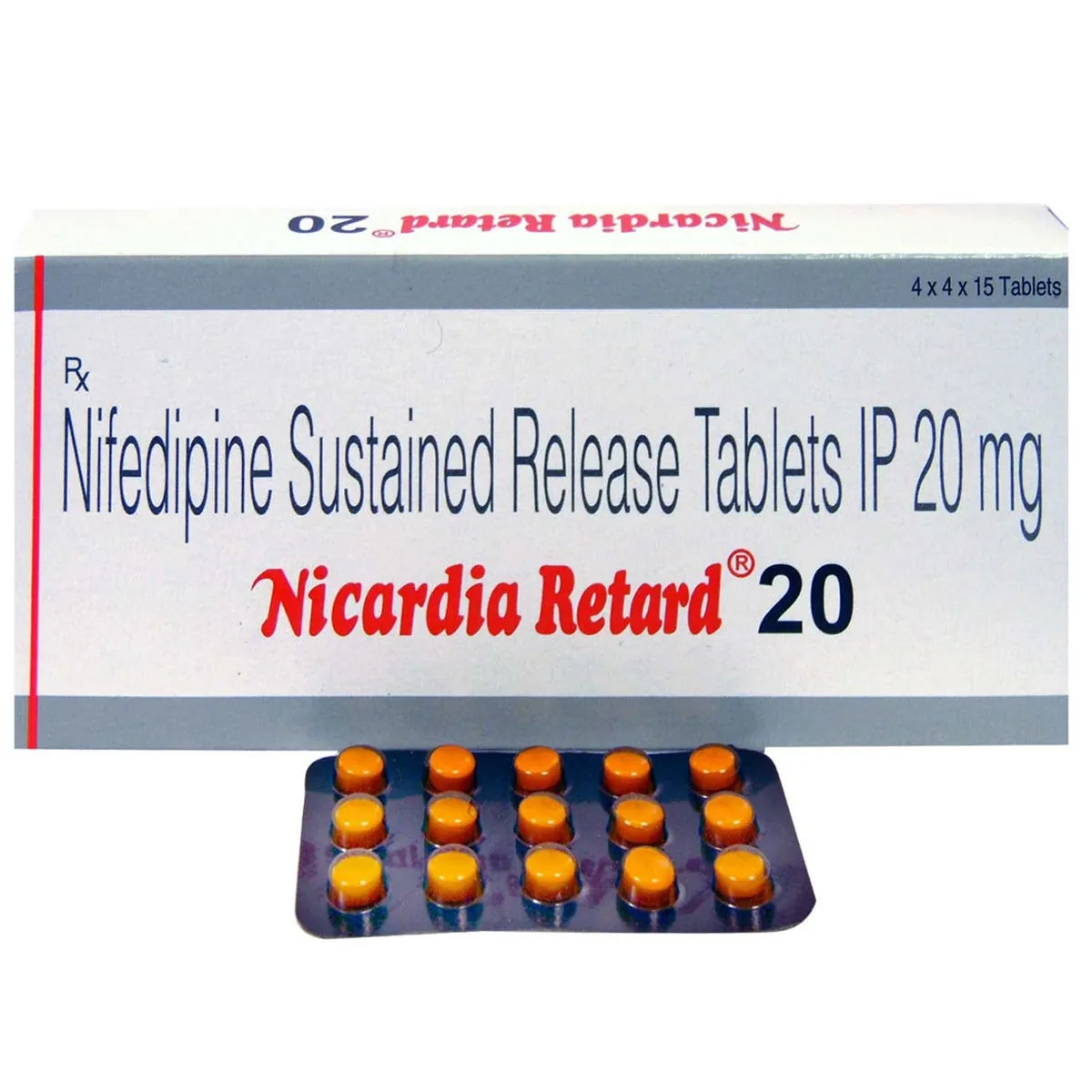
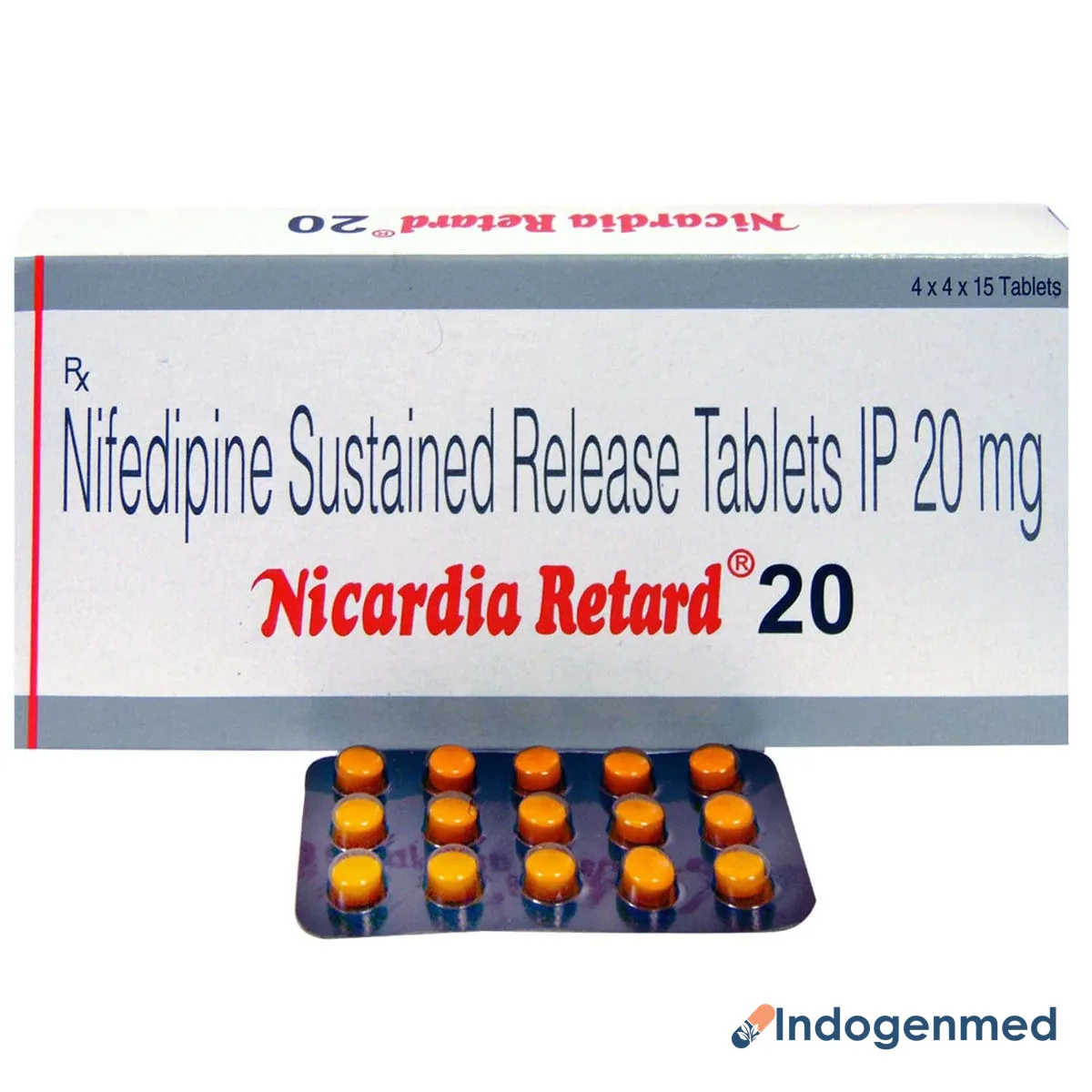
Nicardia 20 Mg Tablets – Nifedipine 20 mg Modified-Release
Nicardia 20 Mg Tablets contain nifedipine 20 mg as a modified-release formulation. Nifedipine is a dihydropyridine calcium channel blocker (CCB) used in the long-term management of hypertension and the prevention of chronic stable angina. The modified-release technology delivers the active ingredient gradually over approximately 12 hours, maintaining steady plasma concentrations and reducing the peak-related side effects associated with conventional immediate-release formulations. Nicardia 20 is manufactured by Sun Pharmaceutical Industries Ltd. and is widely used in India and international markets for cardiovascular conditions requiring reliable blood pressure control.
Composition
Each Nicardia 20 Mg modified-release tablet contains:
- Active ingredient: Nifedipine 20 mg
- Inactive ingredients: Microcrystalline cellulose, lactose monohydrate, hypromellose, polyethylene glycol, magnesium stearate, and a film coating.
The modified-release matrix ensures that nifedipine is released continuously over 12 hours rather than all at once, providing smooth and sustained antihypertensive and antianginal effects.
How Nicardia 20 Works
Nifedipine belongs to the 1,4-dihydropyridine subclass of calcium channel blockers. It acts by selectively blocking voltage-gated L-type calcium channels in vascular smooth muscle and cardiac muscle cells. By inhibiting calcium ion entry, nifedipine prevents the activation of actin-myosin contractile proteins, leading to:
- Peripheral vasodilation: Relaxation of arterial smooth muscle reduces systemic vascular resistance, lowering both systolic and diastolic blood pressure.
- Coronary vasodilation: Increased coronary blood flow improves oxygen supply to the myocardium, reducing ischaemia in angina patients.
- Reduced cardiac afterload: Lower peripheral resistance decreases the workload placed on the left ventricle, contributing to improved cardiac efficiency.
Unlike beta-blockers, nifedipine does not significantly affect heart rate or atrioventricular conduction at therapeutic doses. Its predominant action is on arterial smooth muscle, making it particularly useful when bronchospasm or bradycardia precludes beta-blocker use.
Therapeutic Uses
Nicardia 20 Mg Tablets are indicated for:
- Hypertension: Management of mild to moderate and severe high blood pressure. Nifedipine 20 mg modified-release is suitable as monotherapy or in combination with other antihypertensive agents such as ACE inhibitors, ARBs, or thiazide diuretics.
- Prophylaxis of chronic stable angina pectoris: Prevention of anginal episodes in patients with stable coronary artery disease. Nicardia 20 reduces the frequency of anginal attacks by improving coronary perfusion and reducing myocardial oxygen demand.
Nicardia 20 is not indicated for:
- Treatment of acute anginal attacks (sublingual nitrates are used for acute relief)
- Secondary prevention following myocardial infarction
- Management of unstable angina
Dosage and Administration
Always follow the prescribing doctor’s instructions. The standard dosing guidance for nifedipine 20 mg modified-release tablets is as follows:
- Adults: One tablet (20 mg) twice daily (every 12 hours). The dose may be increased by the physician to 40 mg twice daily if blood pressure or angina control is inadequate.
- Elderly patients: No specific dose adjustment is mandated, but lower maintenance doses may be appropriate as nifedipine pharmacokinetics are altered with ageing. Close monitoring is recommended when initiating treatment.
- Renal impairment: No dose reduction is required; nifedipine is primarily metabolised hepatically and its pharmacokinetics are not significantly altered by renal impairment.
- Hepatic impairment: Use with caution. Nifedipine is extensively metabolised in the liver; patients with significant hepatic dysfunction require careful monitoring and may need dose reduction.
- Children under 18: Safety and efficacy have not been established; nifedipine is not routinely recommended in this age group.
How to take Nicardia 20: Swallow the tablet whole with a glass of water. Do not break, crush, or chew the tablet, as this destroys the modified-release mechanism and delivers the full dose immediately, risking severe hypotension. Tablets may be taken with or without food. Avoid grapefruit juice throughout treatment, as it inhibits CYP3A4 metabolism of nifedipine and can cause unexpectedly high plasma levels.
Side Effects
All medications can cause side effects, though not everyone experiences them. The following have been reported with nifedipine modified-release tablets:
Common side effects (may affect up to 1 in 10 people):
- Peripheral oedema (ankle and leg swelling) — the most frequently reported side effect
- Headache, particularly at the start of treatment
- Flushing and sensation of warmth due to vasodilation
- Constipation
- General feeling of being unwell
Uncommon side effects (may affect up to 1 in 100 people):
- Dizziness, vertigo, or tremor
- Tachycardia (fast heartbeat) or palpitations — a reflex response to vasodilation
- Hypotension (low blood pressure), particularly on standing
- Nausea, abdominal pain, dyspepsia, flatulence, or dry mouth
- Allergic reactions including angioedema or skin rash
- Nasal congestion or nosebleeds
- Anxiety, sleep disturbances, or migraine
- Transient elevation of liver enzymes
- Erectile dysfunction
- Urinary frequency changes
- Visual disturbances
- Muscle cramps or joint swelling
Rare or very rare side effects:
- Gingival hyperplasia (gum overgrowth) — particularly with long-term use; regular dental hygiene is important
- Severe skin reactions: toxic epidermal necrolysis (seek immediate medical attention)
- Blood disorders: agranulocytosis, leucopenia
- Jaundice (seek medical review if yellowing of skin or eyes occurs)
- Pulmonary oedema, intestinal obstruction
- Severe anaphylactic reaction
Contact your doctor promptly if you experience severe or persistent side effects, signs of an allergic reaction, or any cardiovascular symptoms during treatment.
Precautions and Warnings
- Hypotension: Use with caution in patients with existing low blood pressure (systolic below 90 mmHg). Nifedipine may cause a further drop in blood pressure.
- Cardiac conditions: Contraindicated in cardiogenic shock, aortic stenosis, and within one month of myocardial infarction. Use cautiously in patients with poor cardiac reserve or heart failure.
- Pregnancy: Nifedipine should not be used during pregnancy unless the clinical condition requires it. It is reserved for severe hypertension unresponsive to standard treatment. Nifedipine inhibits uterine contractions and may prolong labour if used near term.
- Breastfeeding: Small amounts of nifedipine pass into breast milk. Discuss risks and benefits with a healthcare professional before breastfeeding.
- Diabetes: Nifedipine may require adjustment of glucose-lowering treatment in diabetic patients. Monitor blood glucose when initiating therapy.
- Dialysis patients: In patients with malignant hypertension and hypovolaemia on dialysis, a significant blood pressure drop may occur. Close supervision is required.
- Lactose content: These tablets contain lactose monohydrate. Patients with rare hereditary conditions such as galactose intolerance, Lapp lactase deficiency, or glucose-galactose malabsorption should not take this medicine.
- Driving and machinery: Nifedipine may cause dizziness or fatigue. Patients should assess their individual response before driving or operating heavy machinery, particularly at the start of treatment.
Drug Interactions
Nifedipine is extensively metabolised by the cytochrome P450 3A4 (CYP3A4) enzyme system. Drugs that affect this enzyme can alter nifedipine plasma levels significantly.
Drugs that increase nifedipine levels (CYP3A4 inhibitors) — monitor blood pressure, consider dose reduction:
- Macrolide antibiotics: erythromycin, clarithromycin
- Antifungals: ketoconazole, fluconazole, itraconazole
- HIV protease inhibitors: ritonavir, indinavir, nelfinavir
- Antidepressants: nefazodone, fluoxetine
- Cimetidine (H2-blocker)
- Diltiazem (another calcium channel blocker)
- Valproic acid
- Grapefruit juice
Drugs that reduce nifedipine levels (CYP3A4 inducers) — may reduce efficacy:
- Rifampicin — contraindicated
- Phenytoin, carbamazepine, phenobarbital (antiepileptics)
- St John’s Wort (herbal supplement)
Other important interactions:
- Antihypertensives and diuretics: Additive blood pressure lowering; monitor for hypotension
- Beta-blockers: Combination generally well tolerated, but rare cases of heart failure have occurred; monitor carefully
- Digoxin: Nifedipine may increase digoxin plasma levels; monitor digoxin levels and signs of toxicity
- Tacrolimus: Plasma levels of tacrolimus may increase; dose reduction of tacrolimus may be necessary
- Magnesium sulphate (IV): Enhanced hypotensive effect reported, particularly in obstetric settings — close monitoring required
- Quinidine: Plasma levels may change when nifedipine is started or stopped; monitor accordingly
Contraindications
Nicardia 20 Mg should not be used in:
- Hypersensitivity to nifedipine, other dihydropyridines (e.g., amlodipine, felodipine), or any tablet excipient
- Cardiogenic shock
- Clinically significant aortic stenosis
- Unstable angina
- During or within one month of a myocardial infarction
- For secondary prevention following myocardial infarction
- Acute anginal episodes (not for immediate relief)
- Patients receiving rifampicin (contraindicated due to markedly reduced nifedipine efficacy)
- Inflammatory bowel disease or Crohn’s disease
- Patients with a Kock pouch (ileostomy after proctocolectomy)
- Gastrointestinal obstruction or significant oesophageal narrowing
Storage Instructions
- Store below 25°C in a dry place, away from heat and moisture
- Keep in the original packaging to protect from light
- Keep out of reach and sight of children
- Do not use after the expiry date printed on the pack
- Shelf life is 3 years from date of manufacture
Related Products
Patients prescribed Nicardia 20 for hypertension or angina may also be interested in related cardiovascular medications available on IndoGenMed:
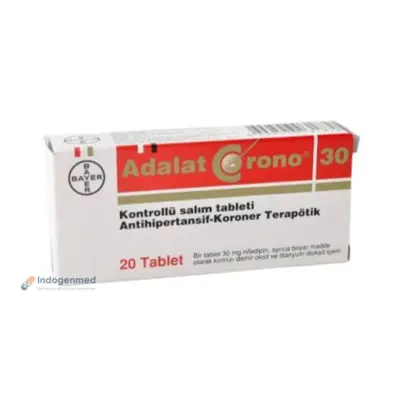
- Nicardia CD 30 Mg Tablets – Nifedipine 30 mg controlled-delivery, once-daily formulation
- Nifelat 10 Mg Tablets – Nifedipine 10 mg for initiation of therapy or dose titration
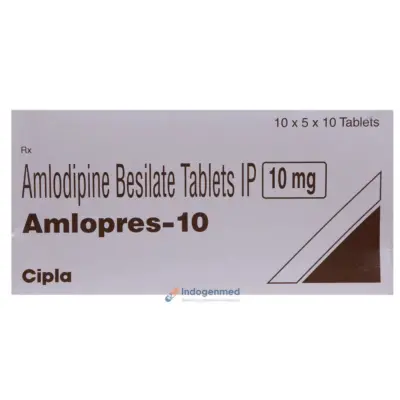
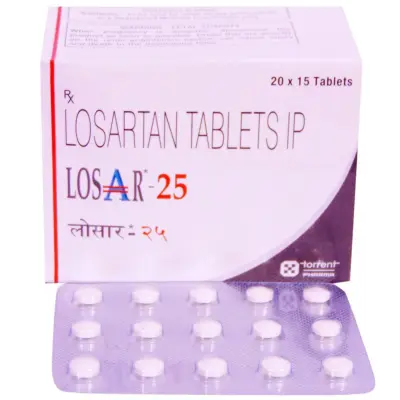
- Amlopres 5 Mg Tablets – Amlodipine 5 mg, another dihydropyridine CCB for hypertension
- Concor 5 Mg Tablets – Bisoprolol 5 mg, beta-blocker used in combination with nifedipine for angina
- Telma 40 Mg Tablets – Telmisartan 40 mg, ARB used as an alternative or combination antihypertensive
References
- Tillomed Laboratories Ltd. Valni 20 Retard (Nifedipine 20 mg Modified-Release Tablets) – Summary of Product Characteristics. UK Electronic Medicines Compendium (EMC). Last updated 10 September 2025. Available at: https://www.medicines.org.uk/emc/product/11473/smpc
- Dexcel Pharma Ltd. Nifedipress MR 20 / Dexipress MR 20 Modified-Release Tablets – Summary of Product Characteristics. UK Electronic Medicines Compendium (EMC). Last updated 23 July 2026. Available at: https://www.medicines.org.uk/emc/product/658/smpc
- U.S. National Library of Medicine. Nifedipine – LiverTox: Clinical and Research Information on Drug-Induced Liver Injury. Bethesda (MD): National Institutes of Health. Available at: https://www.ncbi.nlm.nih.gov/books/NBK547894/
- Abernethy DR, Schwartz JB. Calcium-antagonist drugs. New England Journal of Medicine. 1999;341(19):1447–1457. Available via PubMed: https://pubmed.ncbi.nlm.nih.gov/10547409/



Reviews
There are no reviews yet.