Description
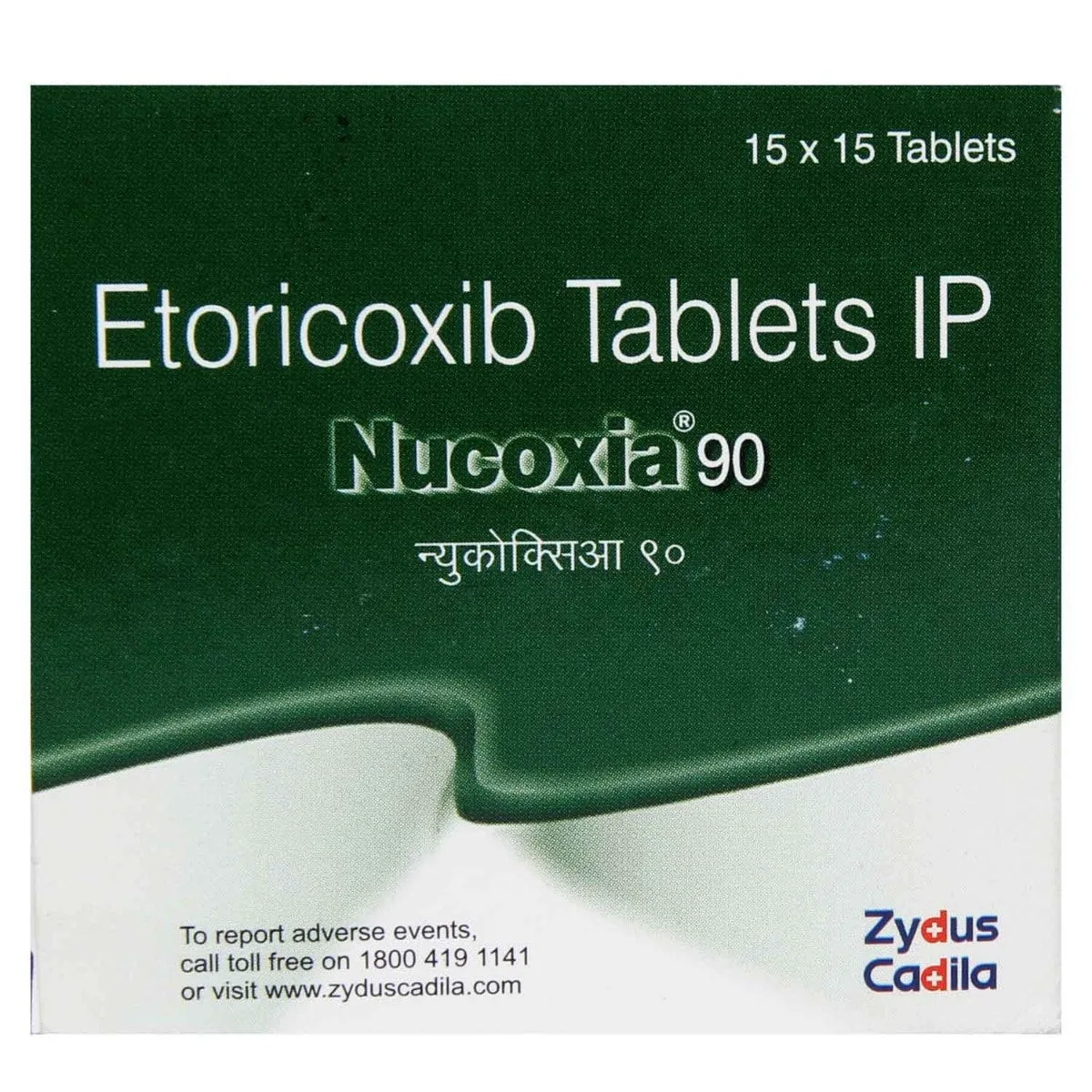
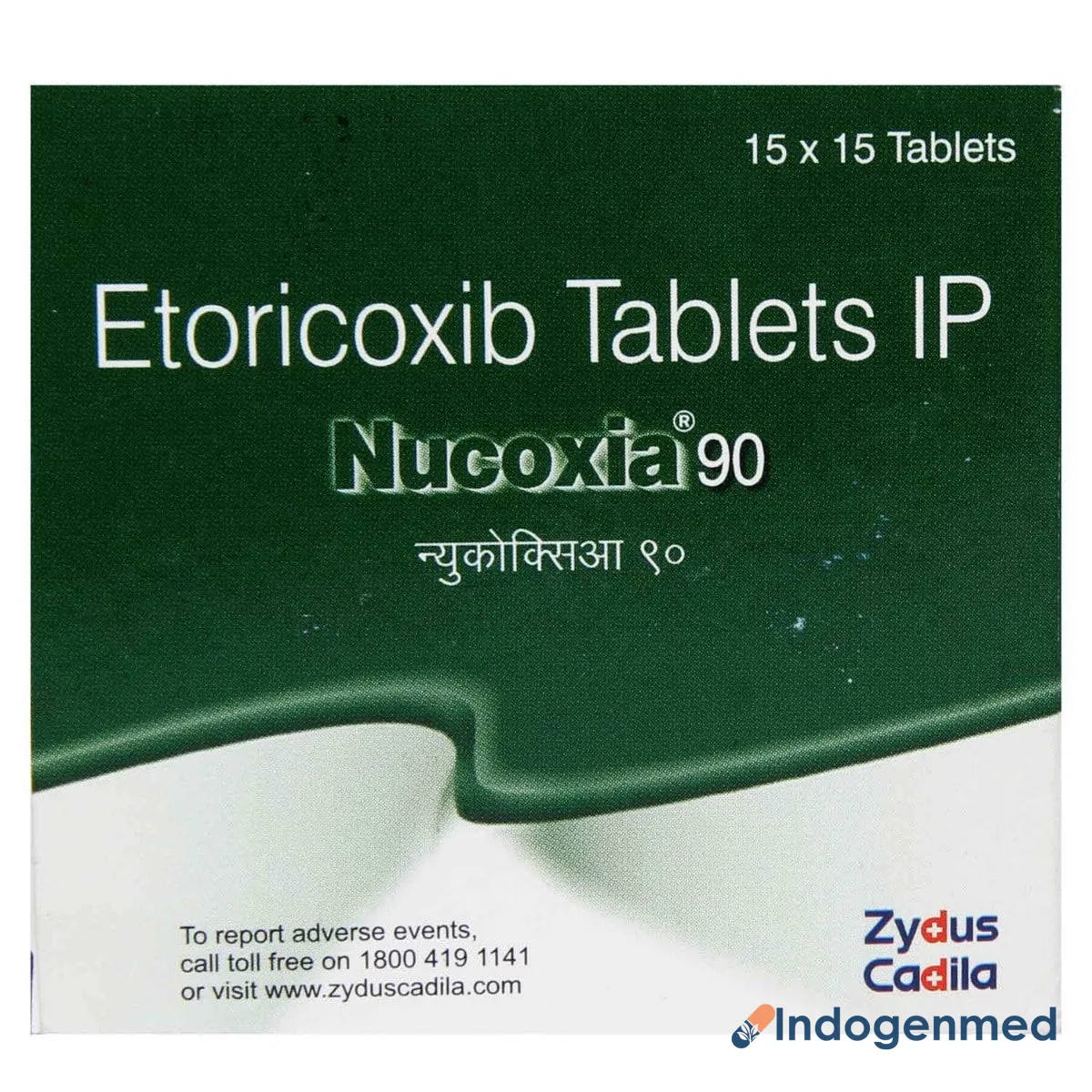
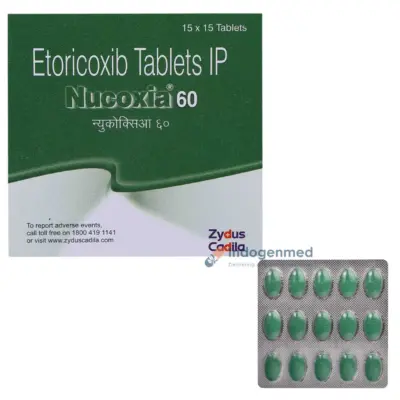
What Is Nucoxia 90 mg Tablets?
Nucoxia 90 mg Tablets contains etoricoxib 90 mg, a selective cyclooxygenase-2 (COX-2) inhibitor (coxib) used for the relief of pain and inflammation in adults with osteoarthritis, rheumatoid arthritis, ankylosing spondylitis, and for the short-term treatment of acute gouty arthritis and acute musculoskeletal pain. Etoricoxib is one of the most potent and selective COX-2 inhibitors available clinically, with significantly greater COX-2 selectivity than celecoxib or meloxicam. This selectivity translates into anti-inflammatory and analgesic efficacy comparable to non-selective NSAIDs (such as naproxen or diclofenac) while substantially reducing the risk of gastrointestinal (GI) adverse events — particularly upper GI ulcers, perforation, and bleeding — that are associated with COX-1 inhibition.
Etoricoxib is available in multiple strengths (60 mg, 90 mg, and 120 mg), each approved for different indications and use durations. The 90 mg strength is used for osteoarthritis (60 mg preferred), rheumatoid arthritis, ankylosing spondylitis, and for the management of acute musculoskeletal pain following soft-tissue injury, sprains, or fracture. It is not indicated for children or adolescents under 16 years of age, and it carries a cardiovascular safety profile that requires careful patient selection — particularly avoiding use in patients with established cardiovascular or cerebrovascular disease, hypertension that is not well controlled, or significant cardiac risk factors.
Mechanism of Action
Selective COX-2 Inhibition
Prostaglandins are lipid mediators synthesised from arachidonic acid by the cyclooxygenase (COX) enzyme system. Two main isoforms exist: COX-1 (constitutive, expressed in gastric mucosa, platelets, and kidneys) and COX-2 (inducible, upregulated at sites of tissue injury, inflammation, and in synovial tissue). Non-selective NSAIDs inhibit both isoforms equally — COX-1 inhibition suppresses the gastroprotective prostaglandins (PGE2, PGI2) that maintain gastric mucosal integrity, which explains their GI toxicity.
COX-2 Selectivity Advantage
Etoricoxib selectively inhibits COX-2 with a COX-2/COX-1 selectivity ratio of approximately 106:1 in whole-blood assays — far greater than celecoxib (~30:1) or meloxicam (~10:1). By sparing COX-1, etoricoxib preserves gastric mucosal prostaglandins and platelet thromboxane A2 synthesis, reducing upper GI mucosal injury. The reduced prostaglandin production at inflamed tissues and joints accounts for its anti-inflammatory and analgesic effects.
Analgesic and Anti-inflammatory Effects
By blocking COX-2-derived prostaglandins (PGE2, PGI2) in inflamed tissue and in the central nervous system, etoricoxib reduces peripheral and central sensitisation to pain, lowers joint inflammation, and reduces joint swelling and morning stiffness in arthritis. It does not affect platelet aggregation at therapeutic doses (unlike non-selective NSAIDs), which is a clinically important consideration in patients on anticoagulants.
Indications
Rheumatoid Arthritis
Etoricoxib 90 mg once daily is indicated for the treatment of rheumatoid arthritis in adults — reducing joint pain, stiffness, and swelling. Clinical trials have demonstrated comparable efficacy to naproxen 500 mg twice daily with significantly fewer GI events, making it preferred in patients with GI risk factors.
Ankylosing Spondylitis
Etoricoxib 90 mg once daily reduces the spinal pain, morning stiffness, and functional limitation of ankylosing spondylitis. NSAIDs (including COX-2 inhibitors) are the first-line pharmacological treatment for AS according to EULAR/ASAS guidelines, used continuously rather than on demand to slow radiographic spinal progression in some patients.
Osteoarthritis
While 60 mg is the approved dose for osteoarthritis, etoricoxib 90 mg may be used for osteoarthritis when lower doses provide insufficient pain relief. It reduces pain and functional limitation of knee, hip, and hand osteoarthritis.
Acute Musculoskeletal Pain
Etoricoxib 90 mg is approved for the short-term treatment (maximum 8 days) of acute musculoskeletal pain — including post-traumatic pain from soft-tissue injuries, sprains, strains, and periarticular pain. Its once-daily dosing and potency make it effective for providing sustained analgesia during the acute phase.
Acute Gouty Arthritis
Etoricoxib 120 mg is the approved dose for acute gout, but 90 mg provides meaningful relief of the severe joint pain and inflammation associated with acute urate crystal deposition in joints (most commonly the first metatarsophalangeal joint). NSAIDs including COX-2 inhibitors are a first-line option for acute gout in patients without contraindications.
Dosage and Administration
Rheumatoid arthritis / Ankylosing spondylitis: 90 mg orally once daily.
Osteoarthritis: 60 mg once daily (preferred); 90 mg once daily if required for adequate pain control.
Acute musculoskeletal pain: 90 mg once daily, maximum 8 days. Do not use for longer than necessary.
Administration: May be taken with or without food. Swallow with water. Take at the same time each day for consistent plasma levels.
Renal impairment: Use with caution in mild-to-moderate renal impairment; not recommended when GFR <30 ml/min/1.73m².
Hepatic impairment: Maximum 60 mg/day in moderate hepatic impairment; not recommended in severe hepatic impairment.
Elderly: No dose adjustment required, but start at the lowest effective dose given increased cardiovascular and renal risk in older patients.
Children under 16: Not recommended.
Duration: Use the lowest effective dose for the shortest duration consistent with treatment goals. For chronic inflammatory conditions (RA, AS), ongoing benefit-risk assessment is essential.
Contraindications
- Known hypersensitivity to etoricoxib or any excipient.
- Active peptic ulcer or GI bleeding (despite reduced GI risk vs non-selective NSAIDs).
- History of NSAID- or aspirin-induced asthma, urticaria, or allergic-type reactions (aspirin triad/Samter’s syndrome — cross-reactivity with all COX inhibitors).
- Established ischaemic heart disease, peripheral arterial disease, cerebrovascular disease, or congestive heart failure (NYHA Class II–IV).
- Uncontrolled hypertension (persistently >140/90 mmHg despite treatment).
- Severe hepatic impairment (Child-Pugh >9).
- Severe renal impairment (GFR <30 ml/min/1.73m²) not on dialysis.
- Inflammatory bowel disease (Crohn’s disease, ulcerative colitis).
- Pregnancy (third trimester) — NSAIDs can cause premature closure of the ductus arteriosus and renal dysfunction in the foetus.
Warnings and Precautions
Cardiovascular risk: All COX-2 inhibitors increase the risk of serious cardiovascular thrombotic events (myocardial infarction, stroke) compared with placebo, particularly with long-term use and in patients with cardiovascular risk factors. Etoricoxib raises blood pressure more than comparator NSAIDs in clinical trials — blood pressure should be monitored at initiation and throughout treatment.
Gastrointestinal risk: Although GI risk is lower than with non-selective NSAIDs, serious GI events (ulcers, perforation, bleeding) can still occur. Use with caution in patients with prior GI disease, helicobacter pylori infection, or who are taking aspirin or corticosteroids.
Fluid retention and oedema: Etoricoxib can cause fluid retention, peripheral oedema, and worsening of heart failure. Monitor for signs in patients with cardiac or renal insufficiency.
Hepatotoxicity: Liver function test elevations are possible. Discontinue if significant hepatic dysfunction develops.
Hypersensitivity: Serious skin reactions (Stevens-Johnson syndrome, toxic epidermal necrolysis) have been reported rarely. Discontinue at first sign of skin reaction.
Adverse Effects
- Common (≥1%): Headache, dizziness, oedema, hypertension, nausea, diarrhoea, dyspepsia, upper abdominal pain, elevated liver enzymes, fatigue.
- Uncommon: Palpitations, tachycardia, blurred vision, constipation, flatulence, skin rash.
- Rare: Serious cardiovascular events (MI, stroke), serious GI events (ulcer, haemorrhage), severe skin reactions, angioedema, anaemia, hepatitis.
Drug Interactions
- Warfarin/anticoagulants: Etoricoxib increases INR when co-administered with warfarin; monitor INR closely, especially in the first few days after initiation.
- ACE inhibitors, ARBs, diuretics: NSAIDs can attenuate the antihypertensive effects of these agents and increase the risk of acute kidney injury, especially in dehydrated or elderly patients. Monitor renal function and blood pressure.
- Methotrexate: NSAIDs reduce renal clearance of methotrexate; use with caution and consider monitoring methotrexate levels.
- Lithium: NSAIDs reduce renal lithium clearance; monitor lithium levels.
- Ciclosporin/tacrolimus: NSAIDs may potentiate nephrotoxicity of these immunosuppressants.
- Low-dose aspirin: Concurrent aspirin does not eliminate the cardiovascular risk increase associated with etoricoxib. GI risk may be partially increased when both are used together.
Storage
Store below 30°C in a cool, dry place. Keep away from direct sunlight and moisture. Keep in original packaging. Keep out of reach of children. Do not use after the expiry date printed on the packaging.
Related Products
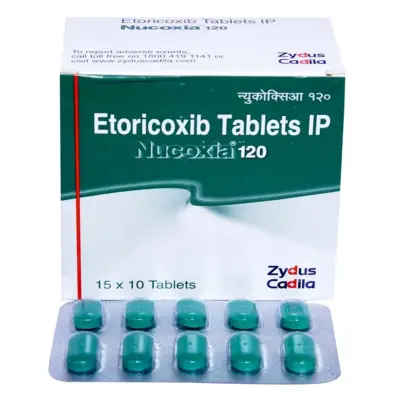
For patients who require a lower dose of etoricoxib for osteoarthritis or general musculoskeletal pain, Nucoxia 120 mg Tablets provides the highest approved etoricoxib dose for acute gout and severe conditions. Patients with acute musculoskeletal pain who also experience associated nasal or airway symptoms — particularly those with the aspirin-triad (NSAID-sensitive asthma) — may benefit from considering Metaspray 50 mcg Nasal Spray (mometasone) for concurrent nasal inflammation management, as it avoids systemic COX inhibition.
References
- Electronic Medicines Compendium (EMC). Arcoxia 90 mg Film-coated Tablets — Summary of Product Characteristics. Available at: https://www.medicines.org.uk/emc
- National Library of Medicine MedlinePlus. Etoricoxib. Available at: https://medlineplus.gov
- Mayo Clinic. Etoricoxib (Oral Route). Available at: https://www.mayoclinic.org
- Dougados M, et al. Etoricoxib in ankylosing spondylitis: a double-blind placebo-controlled trial. Ann Rheum Dis. 2003;62:1099–1103. PubMed PMID: 14583561
- Gottesdiener K, et al. Etoricoxib in acute gouty arthritis. J Rheumatol. 2002;29:507–514. PubMed PMID: 11908564
Reviews
There are no reviews yet.