Description
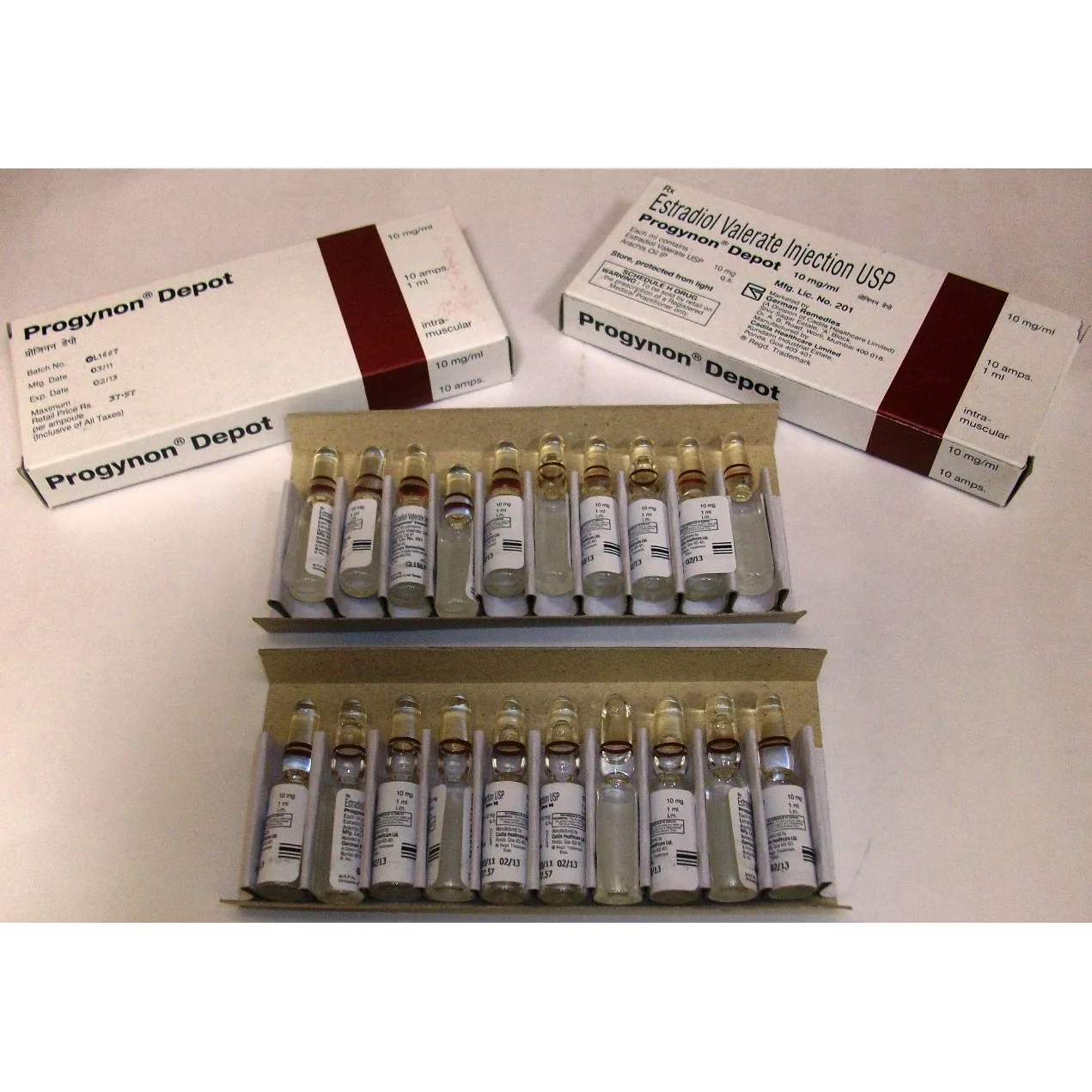
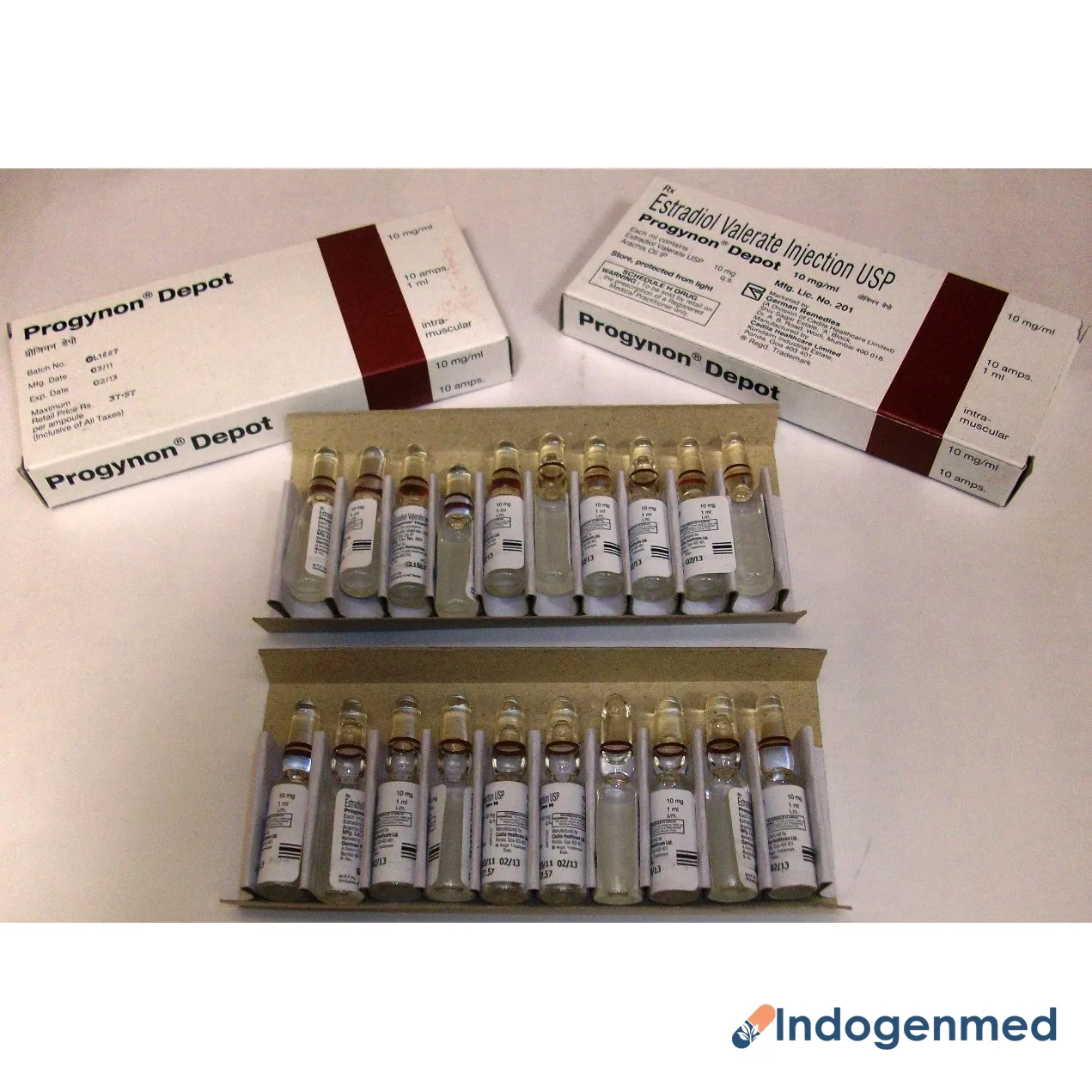
Progynon Depot 10 Mg/1 Ml Injection — Estradiol Valerate for Hormone Therapy
Progynon Depot 10 Mg/1 Ml Injection contains estradiol valerate 10 mg per 1 mL as an oily solution for intramuscular injection. Manufactured by Bayer AG (Bayer Zydus Pharma in India), this long-acting estrogen preparation provides sustained systemic estrogen levels following a single injection, with effects that persist for approximately 7 to 14 days depending on the dose and individual patient characteristics. It is used in the management of estrogen deficiency states, menopausal symptoms, and hormone replacement therapy (HRT) where oral administration is impractical or undesirable.
Estradiol valerate is an esterified prodrug of estradiol (17β-estradiol), the most potent naturally occurring estrogen in the human body. Following intramuscular injection, estradiol valerate is slowly released from the oily depot, hydrolysed by esterases in plasma and tissues, and converted to biologically active 17β-estradiol. This depot mechanism produces a pharmacokinetic profile characterised by a gradual rise to peak estradiol levels within 3–5 days, followed by a slow decline over the subsequent 1–2 weeks, thereby offering more stable estrogen levels than those achievable with many oral preparations.
Composition
Each 1 mL ampoule of Progynon Depot 10 Mg Injection contains:
- Estradiol valerate 10 mg — the active pharmaceutical ingredient; a long-acting ester of 17β-estradiol
- Castor oil (purified) — the oily vehicle base that creates the depot effect and controls the rate of drug release
- Benzyl benzoate — a co-solvent that aids in solubilising estradiol valerate in the oily vehicle
The oily suspension formulation is critical to the prolonged action of this product. Because estradiol valerate is lipophilic, it dissolves readily in castor oil, forming a depot at the injection site from which the drug is slowly absorbed into the systemic circulation.
How Progynon Depot Works
Estradiol valerate is a prodrug that is hydrolysed in vivo to estradiol and valeric acid. The free estradiol then exerts its pharmacological effects through the following mechanisms:
Estrogen Receptor Activation
17β-Estradiol binds with high affinity to two intracellular estrogen receptors: estrogen receptor alpha (ERα) and estrogen receptor beta (ERβ). These receptors are ligand-activated transcription factors. Upon estradiol binding, they undergo conformational changes, dimerisation, and translocation to the nucleus, where they bind to estrogen response elements (EREs) in the promoter regions of target genes. This genomic mechanism regulates the transcription of numerous genes involved in cellular proliferation, differentiation, metabolism, and function across multiple tissues including the uterus, breast, bone, cardiovascular system, central nervous system, and liver.
Non-Genomic Effects
In addition to the classical nuclear receptor pathway, estradiol activates rapid non-genomic signalling pathways through membrane-associated estrogen receptors and G protein-coupled estrogen receptor 1 (GPER1). These non-genomic actions mediate rapid effects on vascular tone, neuronal excitability, and calcium signalling.
Key Physiological Effects
- Bone protection: Estradiol inhibits osteoclast-mediated bone resorption and stimulates osteoblast activity, thereby maintaining bone mineral density and reducing fracture risk in postmenopausal women.
- Vasomotor regulation: Estrogen modulates thermoregulatory centres in the hypothalamus; deficiency leads to hot flushes and night sweats, which estrogen replacement therapy effectively controls.
- Urogenital effects: Estradiol maintains the proliferation and secretory function of vaginal, urethral, and bladder epithelium, alleviating symptoms of genitourinary syndrome of menopause (GSM) including vaginal dryness, dyspareunia, and urinary urgency.
- Central nervous system: Estrogen has neuroprotective and mood-modulating effects; replacement therapy may alleviate menopausal depression, cognitive changes, and sleep disturbance.
- Cardiovascular: Estrogen promotes favourable lipid profiles (increased HDL, decreased LDL) and has vasodilatory effects on vascular smooth muscle, though cardiovascular outcomes are complex and age- and timing-dependent.
Pharmacokinetics
Following intramuscular injection of estradiol valerate 10 mg in oily solution, estradiol levels rise over 3–5 days, reaching peak serum concentrations followed by a gradual return toward baseline over 10–14 days. This provides a therapeutic window suitable for dosing intervals of 7–14 days depending on clinical indication. Estradiol is metabolised in the liver via oxidation to estrone and estriol, undergoes enterohepatic recirculation, and is excreted primarily as glucuronide and sulphate conjugates in the urine.
Uses and Indications
Primary Indications
- Menopausal hormone replacement therapy (HRT): Management of vasomotor symptoms (hot flushes, night sweats), genitourinary symptoms, sleep disturbance, and mood changes associated with natural or surgical menopause.
- Hypoestrogenism: Treatment of estrogen deficiency states due to hypogonadism, ovarian failure, castration, or premature ovarian insufficiency (POI).
- Osteoporosis prevention: As part of HRT in postmenopausal women at risk of osteoporosis when other treatments are considered unsuitable.
- Atrophic vaginitis and urethritis: When systemic estrogen therapy is preferred over local preparations for genitourinary syndrome of menopause.
Other Uses
- Gender-affirming hormone therapy (GAHT): Estradiol valerate injection is widely used in feminising hormone therapy for transgender women, delivering stable systemic estrogen levels that promote feminisation including breast development, redistribution of body fat, and softening of skin.
- Dysfunctional uterine bleeding: In selected cases where progestogen-only therapy is insufficient and systemic estrogen is indicated.
- Assisted reproduction: To prepare the endometrium in frozen embryo transfer (FET) cycles when injectable estrogen is preferred over oral or transdermal routes.
Dosage and Administration
Administration Route
Progynon Depot 10 Mg Injection is administered by deep intramuscular injection only — typically into the gluteal muscle (buttocks) or vastus lateralis (outer thigh). It must not be administered intravenously or subcutaneously.
Menopausal Symptoms and HRT
- Typical dose: 10 mg (1 mL) by intramuscular injection every 2–4 weeks
- The injection interval is adjusted based on clinical response and estradiol serum levels
- In women with an intact uterus, a progestogen must be added to protect against endometrial hyperplasia
Gender-Affirming Hormone Therapy
- Doses and injection intervals vary considerably under specialist guidance
- Commonly used at 5–10 mg every 5–7 days or 10 mg every 1–2 weeks
- Dosing is individualised based on serum estradiol monitoring and clinical response
- Always administered under the supervision of a clinician experienced in gender-affirming care
Missed Dose
If a scheduled injection is missed, it should be administered as soon as possible. However, if it is nearly time for the next scheduled injection, skip the missed dose and resume the regular schedule. Never double the dose.
Special Populations
- Pregnancy: Estradiol valerate is contraindicated in pregnancy. If pregnancy is confirmed during treatment, discontinue immediately and consult a healthcare provider.
- Breastfeeding: Use is not recommended during breastfeeding as estrogen may reduce milk production.
- Hepatic impairment: Estrogens are primarily metabolised by the liver. Severe hepatic disease is a contraindication.
- Elderly: Increased caution is warranted in elderly women regarding cardiovascular and venous thromboembolism risk.
Side Effects
Common Side Effects
- Breast tenderness or breast enlargement
- Nausea, particularly in the initial weeks of treatment
- Headache
- Irregular vaginal bleeding or spotting (especially in the first few months of therapy)
- Fluid retention and bloating
- Mood changes, irritability, or depression
- Weight changes
- Local reactions at the injection site: pain, swelling, redness, induration
Less Common but Clinically Important Side Effects
- Hypertension (elevated blood pressure)
- Migraine or worsening of existing migraines
- Changes in libido
- Contact lens intolerance due to changes in corneal curvature
- Chloasma (melasma) — skin pigmentation changes, particularly with sun exposure
- Gallbladder disease — estrogen may increase the risk of gallstones
Serious Side Effects (Seek Immediate Medical Attention)
- Venous thromboembolism (deep vein thrombosis, pulmonary embolism) — particularly with oral estrogens; injectable estradiol may carry a lower absolute risk
- Stroke or transient ischaemic attack
- Myocardial infarction (in women with predisposing cardiovascular risk factors)
- Endometrial hyperplasia or endometrial carcinoma (in women with an intact uterus not concurrently receiving progestogen)
- Breast cancer — long-term estrogen therapy (particularly combined with progestogen) may increase breast cancer risk; individualised risk-benefit assessment is essential
Precautions and Warnings
- Endometrial protection: Women with an intact uterus must receive concurrent progestogen therapy to prevent estrogen-induced endometrial hyperplasia and carcinoma. Progynon Depot alone does not protect the endometrium.
- Cardiovascular risk: Assess cardiovascular risk factors (hypertension, dyslipidaemia, diabetes, smoking, obesity) before initiating therapy. Estrogen therapy should be used with caution in women with established or at high risk of cardiovascular disease.
- Thromboembolism: Estrogen therapy increases the risk of venous thromboembolism. Parenteral estradiol may carry a lower VTE risk than oral estrogens, but caution is still warranted in patients with a history of or risk factors for VTE, thrombophilia, or immobility.
- Breast cancer screening: Regular breast examination and mammography should be maintained during estrogen therapy. Disclose estrogen use to healthcare providers.
- Liver function: Monitor liver function in patients with pre-existing hepatic conditions. Discontinue if jaundice or hepatic deterioration occurs.
- Diabetes: Estrogen therapy can affect carbohydrate metabolism. Monitor blood glucose in diabetic patients.
- Hypercalcaemia: Estrogen can cause hypercalcaemia in patients with bone metastases or hyperparathyroidism.
Drug Interactions
- CYP3A4 inducers: Drugs that induce hepatic CYP3A4 — including rifampicin, carbamazepine, phenytoin, phenobarbital, St John’s Wort — increase estradiol metabolism and may reduce therapeutic effectiveness. Increased injection frequency or dose may be necessary under specialist guidance.
- CYP3A4 inhibitors: Drugs inhibiting CYP3A4 (ketoconazole, itraconazole, erythromycin, grapefruit juice) may increase estradiol plasma concentrations.
- Anticoagulants: Estrogen therapy may alter the requirements for anticoagulants such as warfarin; monitor INR closely.
- Antidiabetic agents: Estrogen may reduce the glucose-lowering effect of insulin and oral antidiabetics; blood glucose monitoring is advisable.
- Thyroid hormones: Estrogen increases thyroxine-binding globulin (TBG), which may necessitate increases in thyroid hormone replacement doses in hypothyroid patients.
- Progestogens: When combined with progestogen for endometrial protection, pharmacokinetic interactions are generally minimal at standard doses.
Contraindications
- Known or suspected pregnancy
- Active or history of breast cancer (unless indicated as part of a carefully evaluated treatment)
- Active or history of estrogen-sensitive malignancies (endometrial cancer, ovarian cancer)
- Active or recent arterial thromboembolic disease (angina pectoris, myocardial infarction, stroke)
- Active or previous venous thromboembolic disease (deep vein thrombosis, pulmonary embolism) or known thrombophilic disorders
- Active liver disease or severe hepatic impairment, or previous history of liver tumours
- Undiagnosed vaginal bleeding
- Porphyria
- Known hypersensitivity to estradiol valerate, benzyl benzoate, castor oil, or any excipient
Storage Instructions
- Store below 25°C in a cool, dry place
- Protect from direct light; do not expose to temperatures above 30°C
- Keep out of reach of children
- Do not freeze
- Use only clear, colourless solutions; discard if the solution is cloudy or contains particulate matter
- Use immediately after opening the ampoule; do not store opened ampoules
Related Products
- Supatret 20 Gm 0.04% Gel — tretinoin microsphere gel for acne and skin conditions
- Suminat Nasal 20 Mg — sumatriptan nasal spray for migraine relief
- Skin Lite Cream 20 Gm — skin lightening cream for hyperpigmentation
- Roxid 150 Tablet — antibiotic for bacterial infections
- Seroflo Multihaler 50/250 — salmeterol/fluticasone inhaler for respiratory conditions
References
- U.S. National Library of Medicine. DailyMed — Estradiol Valerate Injection. Available at: https://dailymed.nlm.nih.gov/dailymed/
- MedlinePlus (U.S. National Library of Medicine). Estradiol Injection. Available at: https://medlineplus.gov/druginfo/meds/a682844.html
- Mayo Clinic. Estradiol (Intramuscular Route). Available at: https://www.mayoclinic.org/drugs-supplements/estradiol-intramuscular-route/description/drg-20072234
- Electronic Medicines Compendium (UK EMC). Progynon Depot 10 mg/mL Solution for Injection Summary of Product Characteristics. Available at: https://www.medicines.org.uk/emc/
- U.S. Food and Drug Administration. Estradiol Valerate Injection — Drug Label Information. Available at: https://www.accessdata.fda.gov/scripts/cder/daf/

Reviews
There are no reviews yet.