Description
What Is Tavegyl 2.68 mg Tablets?
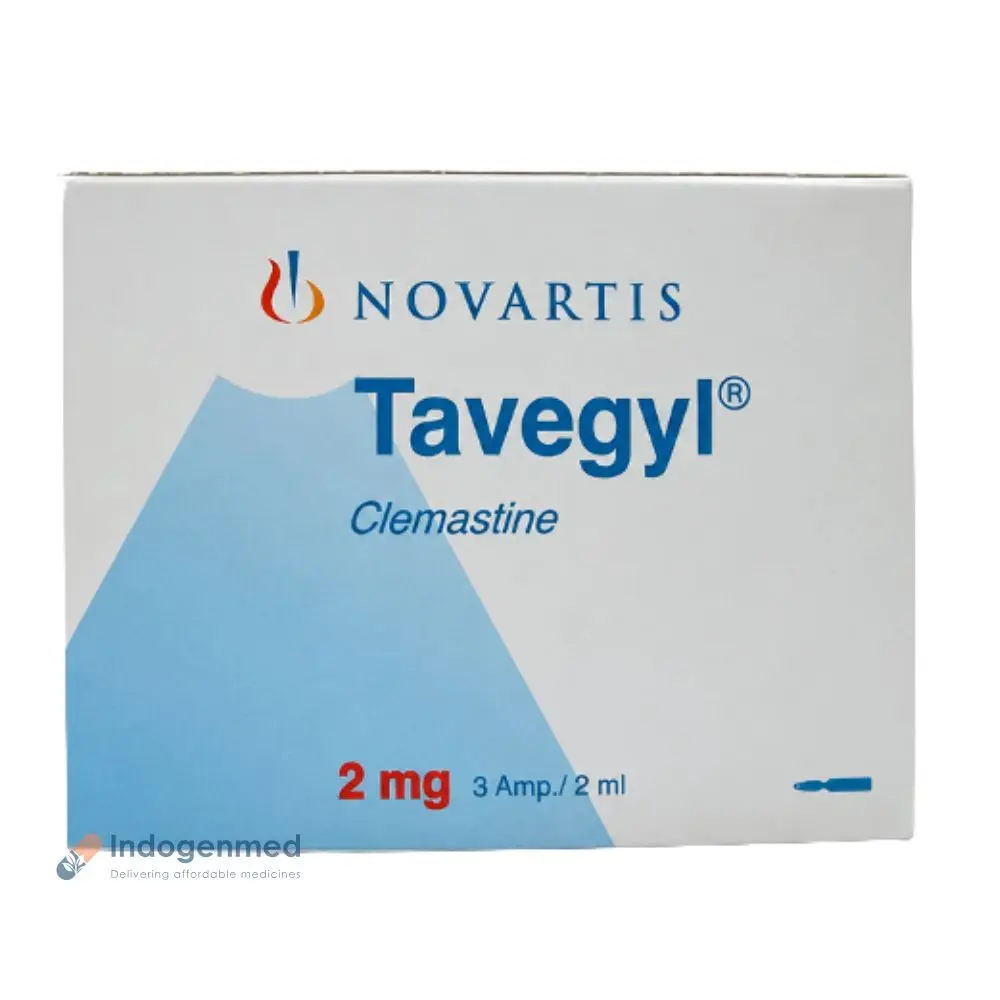
Tavegyl 2.68 mg Tablets contain clemastine fumarate — a first-generation, ethanolamine-class H1 antihistamine with significant sedative properties. Clemastine fumarate 2.68 mg is equivalent to clemastine 2 mg base. Tavegyl is used for symptomatic relief of allergic conditions mediated by histamine release: allergic rhinitis (hay fever), urticaria (hives), angioedema, allergic conjunctivitis, and hypersensitivity reactions. As a first-generation antihistamine, clemastine crosses the blood-brain barrier and produces dose-related CNS sedation — a property that makes it useful for pruritic conditions where sedation is beneficial for sleep, but also limits daytime use in patients who cannot tolerate drowsiness.
Clemastine has a relatively long duration of action compared to other first-generation antihistamines — a single 2 mg dose provides 12 hours of antihistamine effect, allowing twice-daily dosing. It also has modest anticholinergic (atropine-like) properties, contributing to its clinical effects (drying of secretions in allergic rhinitis) and adverse effect profile (dry mouth, urinary retention, constipation, blurred vision).
Mechanism of Action
Competitive H1 Receptor Antagonism
Clemastine acts as a competitive inverse agonist at peripheral and central histamine H1 receptors. Histamine is released from mast cells and basophils upon allergen exposure (IgE-mediated degranulation) and exerts its pro-allergic effects by binding H1 receptors on target tissues: vascular endothelium (vasodilatation, increased permeability → wheal and flare, angioedema), sensory nerves (pruritus), smooth muscle (bronchospasm, intestinal colic), and mucous glands (hypersecretion). By occupying H1 receptors, clemastine blocks histamine binding and prevents or reverses these effects.
CNS H1 Receptor Blockade and Sedation
Unlike second- and third-generation antihistamines (loratadine, cetirizine, fexofenadine), which are largely excluded from the CNS by P-glycoprotein efflux transport and their physicochemical properties, clemastine is lipophilic and readily crosses the blood-brain barrier. Central H1 receptor blockade suppresses the histaminergic wake-promoting pathways of the tuberomammillary nucleus, producing sedation, drowsiness, and impaired psychomotor performance. This CNS effect is clinically significant and is the principal distinction between first- and later-generation antihistamines.
Anticholinergic Effects
Clemastine has affinity for muscarinic acetylcholine receptors (M1–M3) in addition to H1 receptors — a property shared by all ethanolamine-class antihistamines (diphenhydramine, doxylamine). This anticholinergic activity produces drying of respiratory mucous membranes (beneficial in rhinorrhoea), reduces salivary and lacrimal secretion, inhibits gastrointestinal motility (constipation risk), and may cause urinary retention — particularly in older males with prostatic hypertrophy.
Indications
Allergic Rhinitis (Seasonal and Perennial)
Tavegyl 2.68 mg is indicated for symptomatic relief of allergic rhinitis — sneezing, nasal discharge and congestion, nasal pruritus, and post-nasal drip — caused by seasonal allergens (pollen, grass) or perennial allergens (house dust mite, cat dander, mould). The anticholinergic drying effect of clemastine reduces rhinorrhoea, complementing the antihistamine effect. Sedation may limit daytime use in some patients but can be advantageous at night.
Urticaria and Angioedema
Clemastine is effective for symptomatic relief of acute urticaria — itchy wheals (hives) caused by mast cell histamine release from allergic (IgE-mediated) or non-allergic triggers. For acute angioedema without laryngeal involvement, antihistamines provide symptomatic relief of swelling and pruritus. Severe angioedema with laryngeal oedema or anaphylaxis requires adrenaline (epinephrine) and is not managed with antihistamines alone.
Allergic Conjunctivitis
Systemic clemastine reduces ocular histamine-mediated symptoms of allergic conjunctivitis — itching, lacrimation, conjunctival erythema, and periorbital oedema — complementing topical ophthalmic antihistamine preparations where needed.
Pruritus
The combined antihistamine and sedative properties of clemastine make it useful for the relief of pruritus — itch — in conditions with significant histaminergic component, such as insect bites and stings, drug-induced urticaria, pruritic dermatoses, and chickenpox. Nocturnal dosing exploits the sedative effect to improve sleep disrupted by itch.
Hypersensitivity Reactions (Mild-Moderate)
Clemastine is used as an adjunct for mild-to-moderate allergic reactions (urticarial drug reactions, food allergy, mild allergic contact dermatitis). It is not a substitute for adrenaline in anaphylaxis.
Dosage and Administration
Adults and adolescents (≥12 years): 1 tablet (2.68 mg = 2 mg clemastine base) twice daily — morning and evening. The dose may be increased to 1 tablet three times daily if required, up to a maximum of 6 mg (3 × 2 mg) per day.
Children 6–12 years: Half a tablet (1.34 mg = 1 mg clemastine base) twice daily. Use the lower strength syrup formulation where available for younger children.
Timing: Taking the evening dose at bedtime exploits the sedative effect to improve sleep in patients with allergic symptoms that disturb sleep. The morning dose should be taken with caution in patients who cannot tolerate daytime sedation.
Administration: Swallow tablets whole with water. May be taken with or without food — taking with food reduces the risk of gastrointestinal upset.
Renal/hepatic impairment: No specific dose adjustment is defined; use with caution and consider reduced doses in severe impairment.
Elderly: Use with caution — increased susceptibility to anticholinergic adverse effects (urinary retention, confusion, falls) and to CNS sedation. Consider non-sedating antihistamines as first choice in elderly patients.
Contraindications
- Known hypersensitivity to clemastine, ethanolamine antihistamines, or any excipient.
- Narrow-angle glaucoma — anticholinergic effect may precipitate angle-closure crisis.
- Urinary retention, prostatic hypertrophy, or bladder neck obstruction — anticholinergic effects worsen urinary retention.
- Concurrent use of monoamine oxidase inhibitors (MAOIs) or within 14 days of stopping MAOIs — risk of serious drug interactions.
- Severely impaired liver function.
- Children under 1 year — safety not established.
Warnings and Precautions
Sedation and driving: Clemastine causes significant sedation. Patients must be warned not to drive, operate machinery, or engage in activities requiring full alertness until they know how the drug affects them. The sedative effect is potentiated by alcohol and other CNS depressants.
Anticholinergic effects: Dry mouth, urinary hesitancy, constipation, and blurred vision may occur. Exercise caution in patients with symptomatic prostate disease, closed-angle glaucoma, constipation, or dry eye syndrome.
Elderly patients: Particularly susceptible to anticholinergic adverse effects and to paradoxical CNS excitation (restlessness, confusion, hallucinations) — non-sedating antihistamines are preferred for routine allergy management in older adults.
Epilepsy: First-generation antihistamines may lower seizure threshold — use with caution in patients with epilepsy.
Pregnancy and breastfeeding: Avoid during the third trimester of pregnancy (neonatal withdrawal). Clemastine is excreted in breast milk and may cause sedation and feeding difficulties in neonates — use with caution or avoid in breastfeeding women.
Adverse Effects
- Very common: Sedation, drowsiness, impaired concentration, psychomotor impairment.
- Common: Dry mouth, blurred vision, urinary retention, constipation, epigastric discomfort, headache, dizziness.
- Uncommon: Palpitations, hypotension, tachycardia, paradoxical CNS excitation (especially in children and elderly — agitation, restlessness, insomnia, tremor).
- Rare: Haemolytic anaemia, thrombocytopenia, agranulocytosis, anaphylaxis. Extrapyramidal reactions and dystonia have been reported rarely with large doses.
Drug Interactions
- CNS depressants (alcohol, benzodiazepines, opioids, sedatives, hypnotics): Additive CNS sedation and psychomotor impairment — avoid alcohol; use combination with other sedatives with great caution.
- MAOIs: Contraindicated — MAOIs potentiate and prolong the anticholinergic effects of antihistamines, increasing the risk of serious adverse reactions.
- Anticholinergic drugs (tricyclic antidepressants, antispasmodics, some antipsychotics): Additive anticholinergic effects — increased risk of urinary retention, constipation, dry mouth, confusion.
- Procarbazine: CNS depressant effects are potentiated — avoid combination.
Storage
Store below 25°C in a cool, dry place away from direct sunlight and moisture. Keep in original packaging. Keep out of reach of children. Do not use after the expiry date printed on the packaging.
Related Products
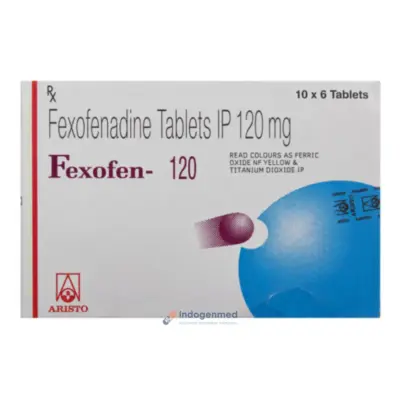
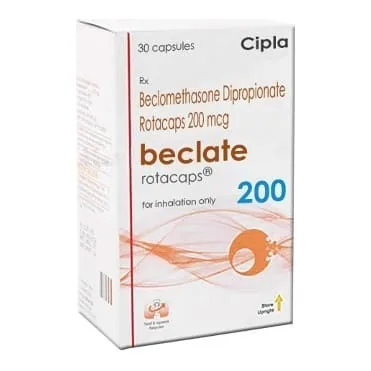
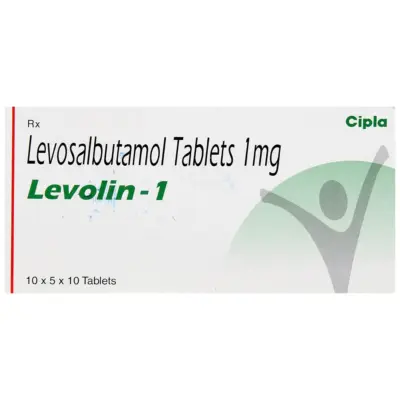
For non-sedating antihistamine alternatives more suitable for daytime use, explore loratadine or cetirizine-class products in our Antiallergic category. For topical management of allergic skin conditions such as urticaria or atopic dermatitis, see Tacroz 0.1% 10 gm Ointment (tacrolimus). For nasal symptom management in allergic rhinitis, see Metaspray 50 mcg Nasal Spray (mometasone furoate).
References
- Electronic Medicines Compendium (EMC). Tavegil 1 mg/5 ml Syrup — Summary of Product Characteristics. Available at: https://www.medicines.org.uk/emc
- National Library of Medicine MedlinePlus. Clemastine. Available at: https://medlineplus.gov/druginfo/meds/a682543.html
- Mayo Clinic. Clemastine (Oral Route). Available at: https://www.mayoclinic.org
- Church MK, Maurer M, Simons FE, et al. Risk of first-generation H1-antihistamines: a GA2LEN position paper. Allergy. 2010;65(4):459–466. PubMed PMID: 19930133
Reviews
There are no reviews yet.