Description
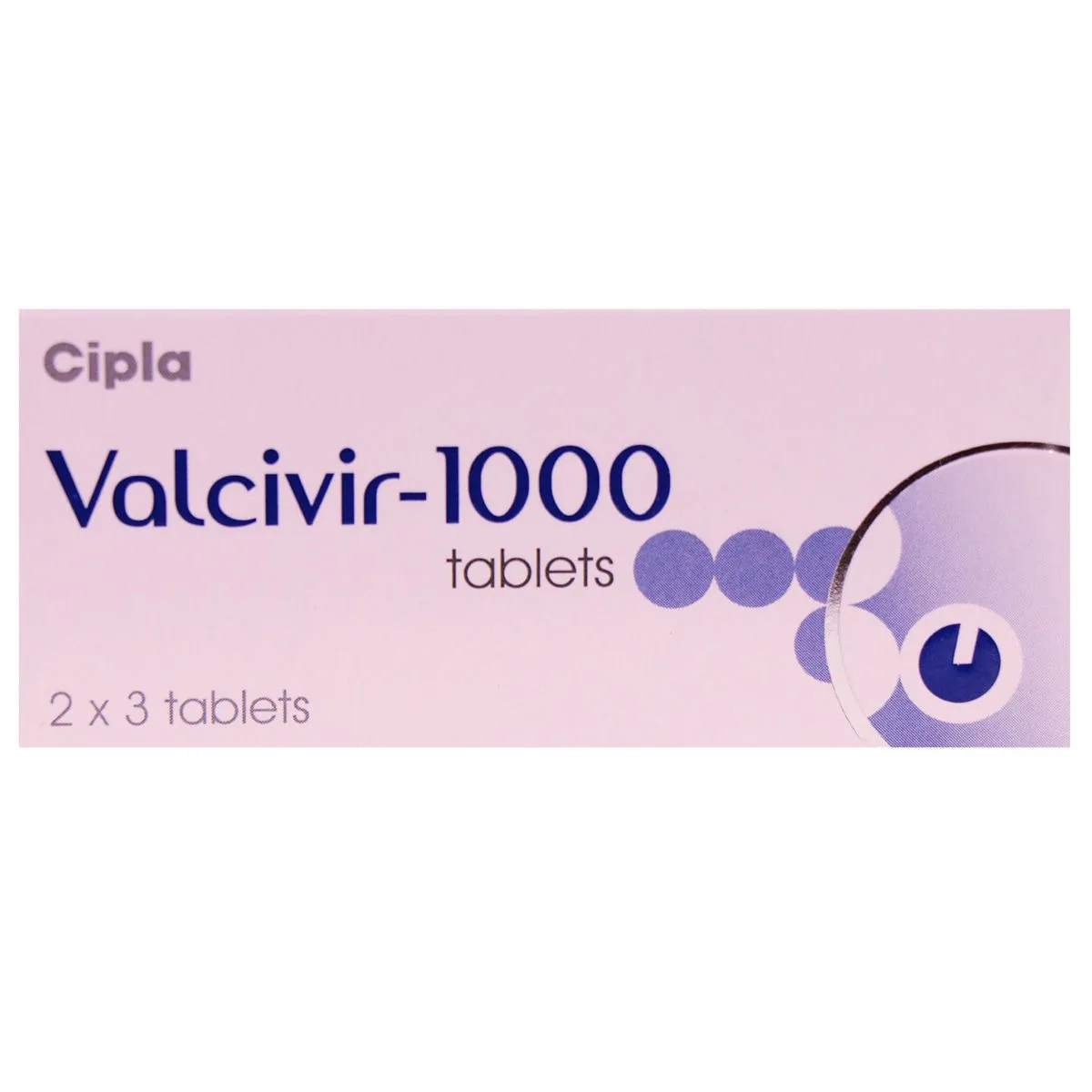
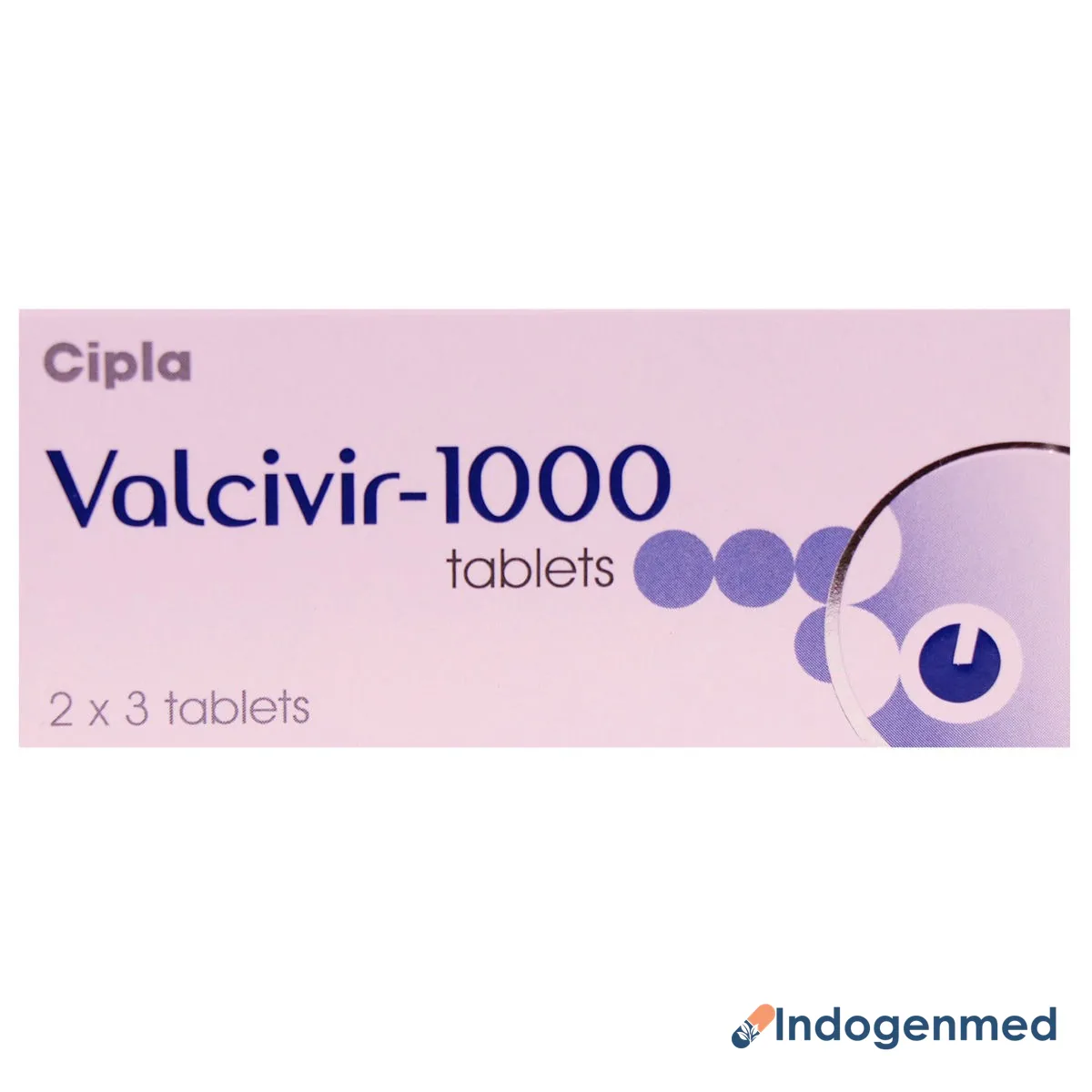
What Is Valcivir 1000 mg Tablets?
Valcivir 1000 mg Tablets contain valacyclovir hydrochloride equivalent to valacyclovir 1000 mg as the active ingredient. Valacyclovir is the L-valyl ester prodrug of acyclovir, a synthetic purine nucleoside analogue with potent antiviral activity against herpesviruses. The 1000 mg strength is specifically formulated for indications requiring higher systemic acyclovir exposure: herpes zoster (shingles), first-episode genital herpes, and cytomegalovirus (CMV) prophylaxis in immunocompromised patients.
As a prodrug, valacyclovir achieves oral bioavailability of approximately 54% — roughly 3–5 times higher than oral acyclovir — because intestinal and hepatic valacyclovir hydrolase rapidly convert it to acyclovir and L-valine. This improved bioavailability makes it feasible to treat herpes zoster with three times daily dosing rather than the five times daily schedule required for acyclovir, significantly improving patient adherence.
Valcivir 1000 mg is the preferred strength for herpes zoster treatment and is also used in the management of first-episode genital herpes and in reduction of CMV disease in solid-organ transplant recipients when used at high doses under specialist supervision.
Mechanism of Action
Valacyclovir’s antiviral effect is entirely due to its active metabolite acyclovir, which acts as a selective inhibitor of herpesvirus DNA replication through a multi-step mechanism requiring viral enzymes.
Prodrug Activation to Acyclovir
After oral absorption, valacyclovir is hydrolysed in the gut wall and liver by valacyclovir hydrolase, releasing acyclovir and L-valine into the systemic circulation. The plasma concentration-time profile of acyclovir following valacyclovir 1000 mg is substantially higher than that achieved with oral acyclovir 800 mg, enabling therapeutic concentrations at the sites of VZV replication in skin and dorsal root ganglia.
Virus-Specific Phosphorylation
Within herpesvirus-infected cells, acyclovir undergoes monophosphorylation exclusively by virus-encoded thymidine kinase (TK). Viral TK has approximately 3000-fold greater affinity for acyclovir than cellular kinases, so the drug accumulates selectively in infected cells. Host cellular kinases complete the conversion to acyclovir diphosphate and acyclovir triphosphate (the active form).
DNA Polymerase Inhibition and Obligate Chain Termination
Acyclovir triphosphate inhibits viral DNA polymerase by two complementary mechanisms: competitive inhibition with the natural substrate deoxyguanosine triphosphate (dGTP), and irreversible chain termination when incorporated into the growing viral DNA strand. Because acyclovir lacks a 3′-hydroxyl group, no further nucleotide can be added after incorporation, halting viral DNA synthesis. The affinity of acyclovir triphosphate for herpesvirus DNA polymerase is 10–30 times higher than for mammalian DNA polymerases, explaining the drug’s favourable therapeutic index.
Indications
Valcivir 1000 mg Tablets are indicated for:
- Herpes zoster (shingles): 1000 mg three times daily for 7 days. Treatment is most effective when initiated within 72 hours of rash onset. Reduces duration of acute neuritis and may reduce risk of post-herpetic neuralgia.
- Genital herpes — first episode: 1000 mg twice daily for 10 days. The 1000 mg strength allows the prescribed regimen using a single tablet twice daily.
- CMV prophylaxis in solid-organ transplant recipients: 2000 mg four times daily (8 g/day) for 90 days post-transplant in high-risk patients — this high-dose indication is under specialist supervision only and requires careful renal monitoring.
- Recurrent genital herpes and suppressive therapy: 500 mg twice daily or 500 mg once daily respectively (see Valcivir 500 mg for these lower-dose indications).
Dosage and Administration
Herpes zoster: 1000 mg (one Valcivir 1000 mg tablet) three times daily for 7 days. Begin treatment as early as possible, ideally within 72 hours of the appearance of the rash.
First-episode genital herpes: 1000 mg twice daily for 10 days.
CMV prophylaxis (specialist use): 2000 mg four times daily starting within 72 hours of transplantation, continued for 90 days. Renal function must be closely monitored throughout; dose reductions are required if eGFR declines.
Renal impairment: Dose adjustment is mandatory. Acyclovir, the active metabolite, is primarily renally cleared. For herpes zoster:
- eGFR 30–49 mL/min: 1000 mg twice daily
- eGFR 10–29 mL/min: 1000 mg once daily
- eGFR <10 mL/min (including dialysis): 500 mg once daily
How to take: Swallow whole with a full glass of water. Can be taken with or without food. Adequate hydration (at least 1.5–2 litres of fluid per day) is especially important at higher doses to prevent renal tubular precipitation of acyclovir.
Contraindications
- Hypersensitivity to valacyclovir, acyclovir, or any excipient of the formulation
Warnings and Precautions
Renal Impairment and Neurotoxicity
The most important safety concern with valacyclovir at higher doses is acyclovir accumulation in patients with impaired renal function, which can precipitate neurotoxicity. Symptoms include encephalopathy, agitation, confusion, hallucinations, tremor, myoclonus, and seizures. These are more common in elderly patients with age-related reduction in GFR. Renal function should be assessed before starting treatment at higher doses and monitored during therapy. Dose adjustment is essential (see above).
Thrombotic Thrombocytopenic Purpura / Haemolytic Uraemic Syndrome
TTP/HUS — a triad of microangiopathic haemolytic anaemia, thrombocytopenia, and acute renal failure — has been reported in severely immunocompromised patients (advanced HIV disease, bone marrow or solid-organ transplant recipients) receiving high doses of valacyclovir (8 g/day). The mechanism is not fully understood. If signs of TTP/HUS develop, valacyclovir should be discontinued and specialist haematological assessment sought urgently.
Post-Herpetic Neuralgia
While antiviral therapy initiated within 72 hours of herpes zoster rash onset reduces the duration and severity of acute pain, its effect on preventing post-herpetic neuralgia (PHN) is less certain. Patients with severe zoster, age over 50, or involvement of the ophthalmic division of the trigeminal nerve (zoster ophthalmicus) may need additional analgesic management and specialist follow-up regardless of antiviral treatment.
Adverse Effects
- Gastrointestinal: Nausea, vomiting, diarrhoea, abdominal discomfort — the most common side effects at any dose
- Neurological (dose-related): Headache at standard doses; confusion, agitation, hallucinations, seizures, and encephalopathy at high doses or in renal impairment
- Renal: Elevated serum creatinine; acute kidney injury may occur, particularly at high doses without adequate hydration
- Haematological: Leucopenia, thrombocytopenia — uncommon at standard herpes zoster doses; more common with CMV prophylaxis regimens
- Hypersensitivity: Rash, pruritus, urticaria, angioedema, anaphylaxis — rare
Drug Interactions
Nephrotoxic Agents
Co-administration with nephrotoxic drugs (aminoglycosides, amphotericin B, ciclosporin, tacrolimus, intravenous contrast agents, high-dose NSAIDs) increases the risk of acute kidney injury. At the standard herpes zoster dose (1000 mg TID × 7 days) in patients with normal renal function, this risk is low; at the high CMV prophylaxis dose, careful monitoring is essential.
Probenecid and Cimetidine
Both probenecid and cimetidine inhibit renal tubular secretion of acyclovir, reducing its clearance and raising plasma levels. The clinical significance is primarily in patients with baseline renal impairment or those receiving high-dose valacyclovir regimens. Dose adjustment may be needed if these drugs must be co-prescribed.
Storage
Store Valcivir 1000 mg Tablets below 30°C in a dry place, away from direct sunlight and moisture. Keep in the original blister pack within the outer carton. Keep out of reach and sight of children. Do not use after the expiry date printed on the pack.
Related Products
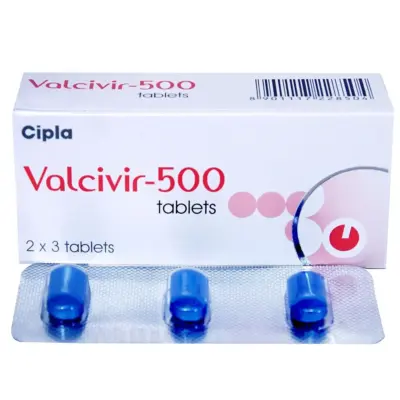
- Valcivir 500 mg Tablets (Valacyclovir — lower dose for genital herpes)
- Micogel 2 Gel (Miconazole — antifungal)
- Minoz 100 mg Tablets (Minocycline — antibacterial/anti-inflammatory)
- Voltaflam 50 mg Tablets (Diclofenac — for post-herpetic pain management)
References
- DailyMed. Valacyclovir hydrochloride tablets — prescribing information. U.S. National Library of Medicine. Available at: https://dailymed.nlm.nih.gov/dailymed/
- MedlinePlus. Valacyclovir. U.S. National Library of Medicine. Available at: https://medlineplus.gov/druginfo/meds/a695010.html
- Mayo Clinic. Valacyclovir (Oral Route) — Proper Use. Available at: https://www.mayoclinic.org/
- Beutner KR, Friedman DJ, Forszpaniak C, Andersen PL, Wood MJ. Valaciclovir compared with acyclovir for improved therapy for herpes zoster in immunocompetent adults. Antimicrobial Agents and Chemotherapy. 1995;39(7):1546–1553. PMID: 7492102
- Lowance D, Neumayer HH, Legendre CM, et al. Valacyclovir for the prevention of cytomegalovirus disease after renal transplantation. New England Journal of Medicine. 1999;340(19):1462–1470. PMID: 10320384
Reviews
There are no reviews yet.