Description
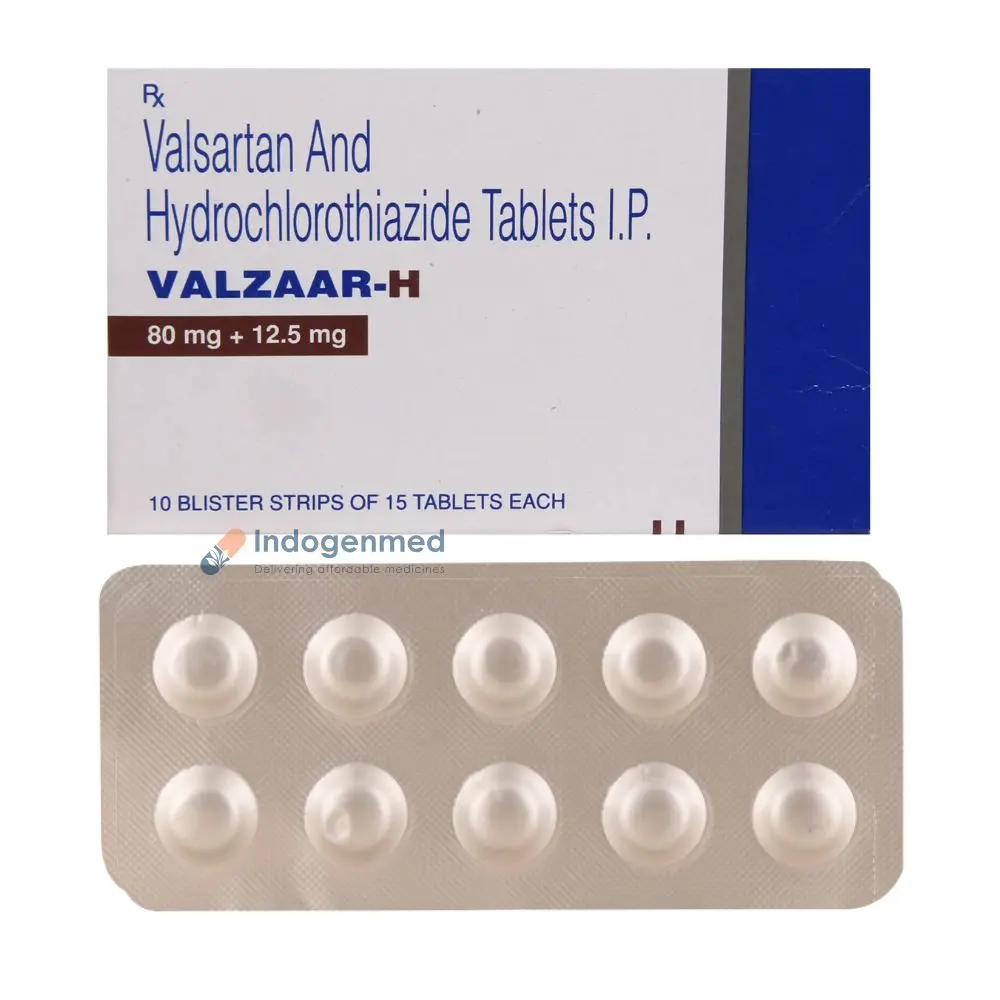
Valzaar H 12.5/80 Mg Tablets
Valzaar H 12.5/80 Mg Tablets are a combination product containing valsartan 80 mg and hydrochlorothiazide 12.5 mg. Valsartan is an angiotensin II receptor blocker (ARB) that relaxes blood vessels. Hydrochlorothiazide is a thiazide diuretic that helps the kidneys remove excess salt and water. Together they lower blood pressure more effectively than either medicine alone, and the combination is prescribed for patients whose blood pressure is not adequately controlled on valsartan by itself.
Composition
| Ingredient | Strength |
|---|---|
| Valsartan | 80 mg per tablet |
| Hydrochlorothiazide | 12.5 mg per tablet |
| Excipients | As listed on the pack insert |
Product Details
Valzaar H 12.5/80 Mg Tablets are oral tablets. The combination is a prescription-only medicine in most countries, so a valid prescription and the advice of a qualified doctor or pharmacist are needed before use. Valzaar H is a separate product from Valzaar (valsartan alone) and from the other Valzaar H strengths listed in the range. Do not substitute strengths without medical advice.
Mechanism of Action
Valsartan blocks the AT1 receptor, preventing angiotensin II from narrowing blood vessels and from stimulating aldosterone release. Hydrochlorothiazide acts on the distal kidney tubule to increase sodium and water excretion, reducing blood volume and blood pressure. The two actions complement each other: the diuretic reduces fluid load, while the ARB relaxes vessels and limits the hormonal response that would otherwise retain salt.
Indications
- Hypertension (high blood pressure) in patients whose blood pressure is not adequately controlled on valsartan alone
- Replacement therapy in patients whose blood pressure is already controlled on valsartan and hydrochlorothiazide given separately, as the prescriber decides
Dosage and Administration
The dose is one tablet once daily, with or without food, taken at about the same time each day. The prescriber sets the dose according to blood pressure response, kidney function and other medicines. Blood tests for sodium, potassium, kidney function and uric acid are usually checked after starting treatment or changing the dose. Do not stop the tablet without medical advice, as blood pressure may rise again. If you feel dizzy when standing, get up slowly and sit down if needed.
Special Populations
Older adults: dizziness, low sodium and falls are more likely, so monitoring is important.
Kidney impairment: the combination is not suitable in severe kidney disease, and the prescriber must check kidney function before and during treatment.
Liver disease: not recommended in severe liver disease, and the dose should be reviewed in moderate impairment.
Gout: hydrochlorothiazide can raise uric acid, so people with gout should be monitored.
Pregnancy: valsartan must not be used in pregnancy, particularly in the second and third trimesters. Women who could become pregnant should use effective contraception and tell the doctor immediately if pregnancy occurs.
Breastfeeding: not recommended.
Children: not recommended without specialist supervision.
Precautions
- Dizziness and low blood pressure can occur, especially in dehydration, sweating or vomiting. Stop and seek advice if these persist.
- Thiazides can lower sodium and potassium levels. Report muscle cramps, weakness, confusion or irregular heartbeat promptly.
- Sun sensitivity: hydrochlorothiazide can increase sensitivity to sunlight. Use sun protection.
- Sulphonamide allergy: the hydrochlorothiazide component can cause reactions in people with sulphonamide allergy.
- Tell your surgeon or anaesthetist that you take this combination before any operation.
- Seek urgent help for swelling of the face, lips, tongue or throat.
Contraindications
- Known hypersensitivity to valsartan, hydrochlorothiazide, other sulphonamide-derived medicines or any excipient
- Pregnancy (particularly second and third trimesters)
- Severe hepatic impairment, biliary cirrhosis or cholestasis
- Anuria (no urine output)
- Concomitant use with aliskiren in patients with diabetes or moderate to severe kidney impairment
Side Effects
Common: dizziness, headache, tiredness, back pain, nausea, raised potassium levels on blood tests, low sodium levels.
Uncommon: low blood pressure with fainting, increased urination, muscle cramps, rash, kidney function changes, raised uric acid.
Rare: angioedema, pancreatitis, liver problems, low platelets, severe skin reactions, photosensitivity.
Seek urgent medical help for swelling of the face, lips, tongue or throat, fainting, severe weakness, irregular heartbeat, or yellowing of the skin or eyes.
Drug Interactions
- Potassium-sparing diuretics, potassium supplements and salt substitutes: may raise potassium to dangerous levels.
- NSAIDs such as ibuprofen and naproxen: may reduce the blood pressure lowering effect and affect kidney function.
- Lithium: levels may rise, so lithium monitoring is needed.
- Digoxin: low potassium from the thiazide can increase the risk of digoxin toxicity.
- Corticosteroids and other medicines that lower potassium: may add to electrolyte imbalance.
- Aliskiren: avoid the combination in people with diabetes or kidney impairment.
Tell your doctor or pharmacist about every medicine, herbal product and supplement you take.
Storage
Store below 30 degrees Celsius in the original package, protected from moisture and light. Keep out of the reach of children. Do not use after the expiry date on the pack.
Related Products
- Valzaar 80 Mg Tablets: valsartan alone, without the diuretic. Different product; not interchangeable without medical advice.
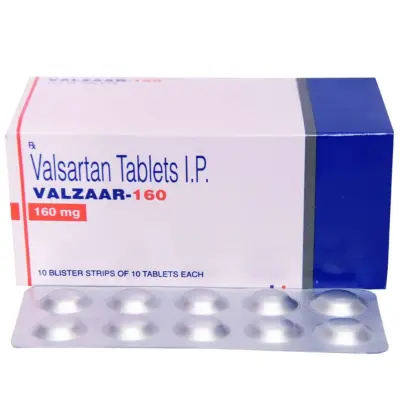
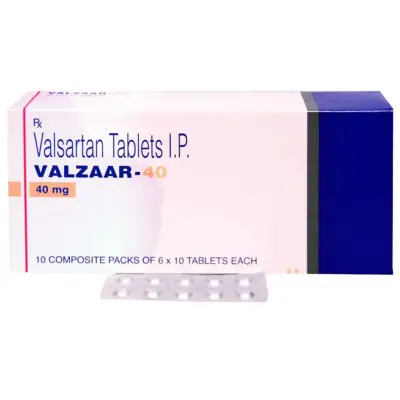
- Valzaar 40 Mg Tablets: valsartan alone at a lower strength.
Frequently Asked Questions
Why does this combination need blood tests?
The diuretic can change sodium, potassium and uric acid levels, and the ARB can affect potassium and kidney function. Regular checks help keep treatment safe.
Will I need to pass more urine?
Yes, somewhat more, especially in the first few hours after the tablet. Plan timing around daily activities.
Can I stop it when my blood pressure is normal?
No. Speak to your doctor before stopping, as blood pressure may rise again.
Can I drink alcohol?
Alcohol can add to dizziness and lower blood pressure. Limit it and check with your doctor.
References
- NHS: Valsartan. https://www.nhs.uk/medicines/valsartan/
- NHS: Hydrochlorothiazide. https://www.nhs.uk/medicines/hydrochlorothiazide/
- electronic Medicines Compendium (emc): Valsartan and hydrochlorothiazide summary of product characteristics. https://www.medicines.org.uk/emc
- U.S. National Library of Medicine, DailyMed: Valsartan and hydrochlorothiazide labelling. https://dailymed.nlm.nih.gov
Disclaimer
This information is for general education and does not replace advice from a qualified doctor or pharmacist. Check dosing, electrolyte monitoring, contraindications and pregnancy warnings against the pack insert and the prescriber’s instructions. Do not start, stop or change this medicine without medical advice.




Reviews
There are no reviews yet.