
Description
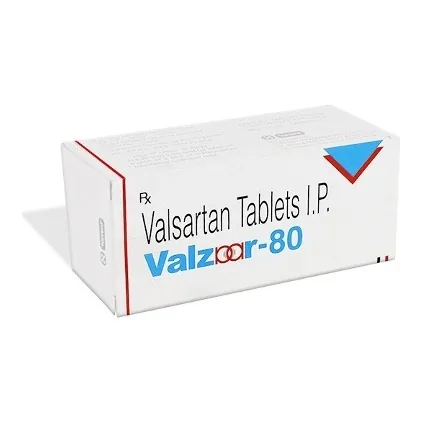
Valzaar 80 Mg Tablets
Valzaar 80 Mg Tablets contain valsartan 80 mg, an angiotensin II receptor blocker (ARB). Valsartan blocks the receptor through which angiotensin II narrows blood vessels, which lowers blood pressure. It is prescribed for high blood pressure (hypertension), and in some patients for heart failure or for heart function problems after a heart attack, under specialist supervision. The 80 mg tablet is the usual starting dose for hypertension in many patients, and it is also used as a maintenance dose.
Composition
| Ingredient | Strength |
|---|---|
| Valsartan | 80 mg per tablet |
| Excipients | As listed on the pack insert |
Product Details
Valzaar 80 Mg Tablets are oral tablets. Valsartan is a prescription-only medicine in most countries, so a valid prescription and the advice of a qualified doctor or pharmacist are needed before use. Valzaar is also available in lower and higher valsartan strengths, and in a combination with hydrochlorothiazide. These are separate products and must not be substituted without medical advice.
Mechanism of Action
Angiotensin II is a powerful hormone that narrows blood vessels and raises blood pressure. Valsartan selectively blocks the AT1 receptor, preventing angiotensin II from acting on it. This relaxes blood vessels, reduces the amount of aldosterone released, and lowers blood pressure. Valsartan is in the same class as ACE inhibitors but works at a different step in the same pathway, which is why it is often better tolerated for people who develop a persistent cough on ACE inhibitors.
Indications
- Hypertension (high blood pressure), alone or with other antihypertensive medicines
- Heart failure in selected patients, under specialist supervision
- Heart function problems after a heart attack, as directed by a specialist
Dosage and Administration
For hypertension, the usual starting dose is 80 mg once daily, with the dose adjusted according to blood pressure response. The maximum dose is set by the prescriber, and the dose depends on kidney function, other medicines and the condition being treated. Take the tablet once daily, with or without food, at about the same time each day. Do not stop valsartan without medical advice, as blood pressure may rise again. Blood tests for potassium and kidney function are usually checked after starting treatment or changing the dose.
Special Populations
Older adults: dizziness and low blood pressure are more likely, so the prescriber may start at a lower dose.
Kidney impairment: the dose may need adjusting, and blood tests are important, particularly in people with severe kidney disease.
Liver disease: valsartan is generally not recommended in severe liver disease, and the dose should be reviewed in moderate impairment.
Pregnancy: valsartan must not be used in pregnancy, particularly in the second and third trimesters, because it can harm the developing baby. Women who could become pregnant should use effective contraception and tell the doctor immediately if pregnancy occurs.
Breastfeeding: not recommended.
Children: use only under specialist supervision.
Precautions
- Dizziness or fainting can occur, especially when standing up quickly, after the first dose, or when dehydrated. Get up slowly.
- Check potassium levels if you take potassium supplements or salt substitutes, as valsartan can raise potassium.
- Avoid excessive sweating, vomiting or diarrhoea, which can lower blood pressure too far. Contact a doctor if these persist.
- Tell your surgeon or anaesthetist that you take an ARB before any operation.
- Seek urgent help for swelling of the face, lips or tongue, which can signal a serious allergic reaction.
Contraindications
- Known hypersensitivity to valsartan or any excipient
- Pregnancy (particularly second and third trimesters)
- Severe hepatic impairment, biliary cirrhosis or cholestasis
- Concomitant use with aliskiren in patients with diabetes or moderate to severe kidney impairment
Side Effects
Common: dizziness, headache, tiredness, joint or back pain, raised potassium levels on blood tests.
Uncommon: low blood pressure with fainting, kidney function changes, cough, nausea, diarrhoea, rash, muscle pain.
Rare: angioedema (swelling of the face, lips or throat), liver problems, low platelets.
Seek urgent medical help for swelling of the face, lips, tongue or throat, fainting, yellowing of the skin or eyes, or very low urine output.
Drug Interactions
- Potassium-sparing diuretics, potassium supplements and salt substitutes: may raise potassium to dangerous levels.
- NSAIDs such as ibuprofen and naproxen: may reduce the blood pressure lowering effect and affect kidney function.
- Lithium: levels may rise, so lithium monitoring is needed.
- Aliskiren: avoid the combination in people with diabetes or kidney impairment.
- Other antihypertensives and diuretics: additive blood pressure lowering.
Tell your doctor or pharmacist about every medicine, herbal product and supplement you take.
Storage
Store below 30 degrees Celsius in the original package, protected from moisture and light. Keep out of the reach of children. Do not use after the expiry date on the pack.
Related Products
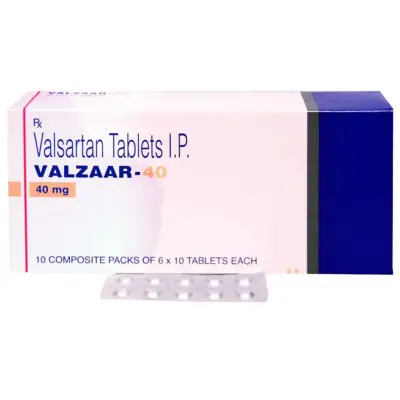
- Valzaar 40 Mg Tablets: a lower valsartan strength, for patients who need a gentler effect or have a lower dose requirement.
- Valzaar H 12.5/80 Mg Tablets: valsartan combined with hydrochlorothiazide; a different product that must be prescribed separately.
Frequently Asked Questions
How long does it take to work?
Blood pressure begins to fall within a few hours, but the full effect develops over 2 to 4 weeks of daily use.
Can I stop it when my blood pressure is normal?
No. Blood pressure often rises again after stopping, so speak to your doctor before making any change.
What if I miss a dose?
Take it when you remember, unless it is nearly time for the next dose. Do not take two doses together.
Can I drink alcohol?
Alcohol can add to dizziness and lower blood pressure further. Limit it and check with your doctor.
References
- NHS: Valsartan. https://www.nhs.uk/medicines/valsartan/
- electronic Medicines Compendium (emc): Valsartan summary of product characteristics. https://www.medicines.org.uk/emc
- U.S. National Library of Medicine, DailyMed: Valsartan labelling. https://dailymed.nlm.nih.gov
Disclaimer
This information is for general education and does not replace advice from a qualified doctor or pharmacist. Check dosing, contraindications and pregnancy warnings against the pack insert and the prescriber’s instructions. Do not start, stop or change this medicine without medical advice.




Reviews
There are no reviews yet.