Description
What is Flexura 400 Mg Tablets?
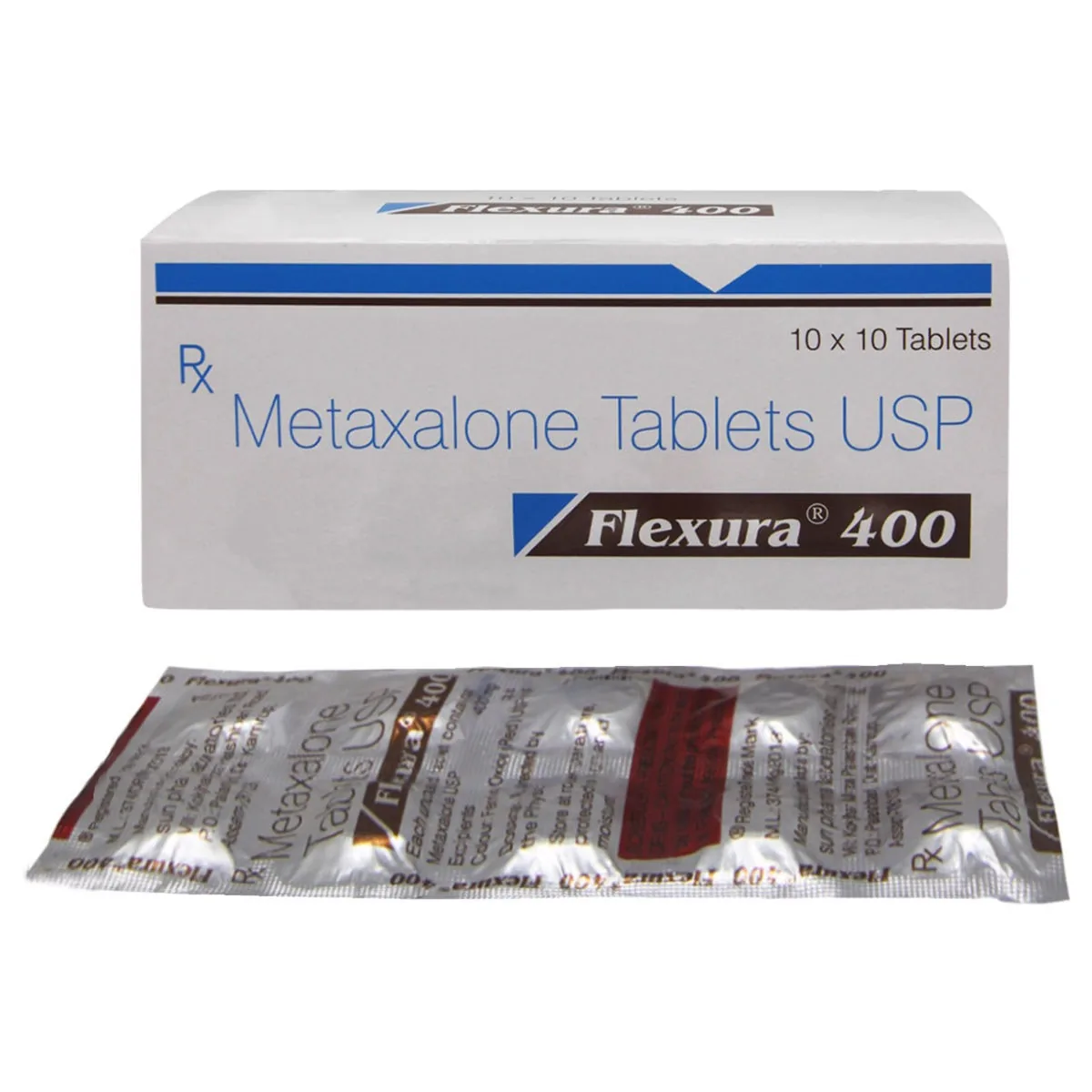
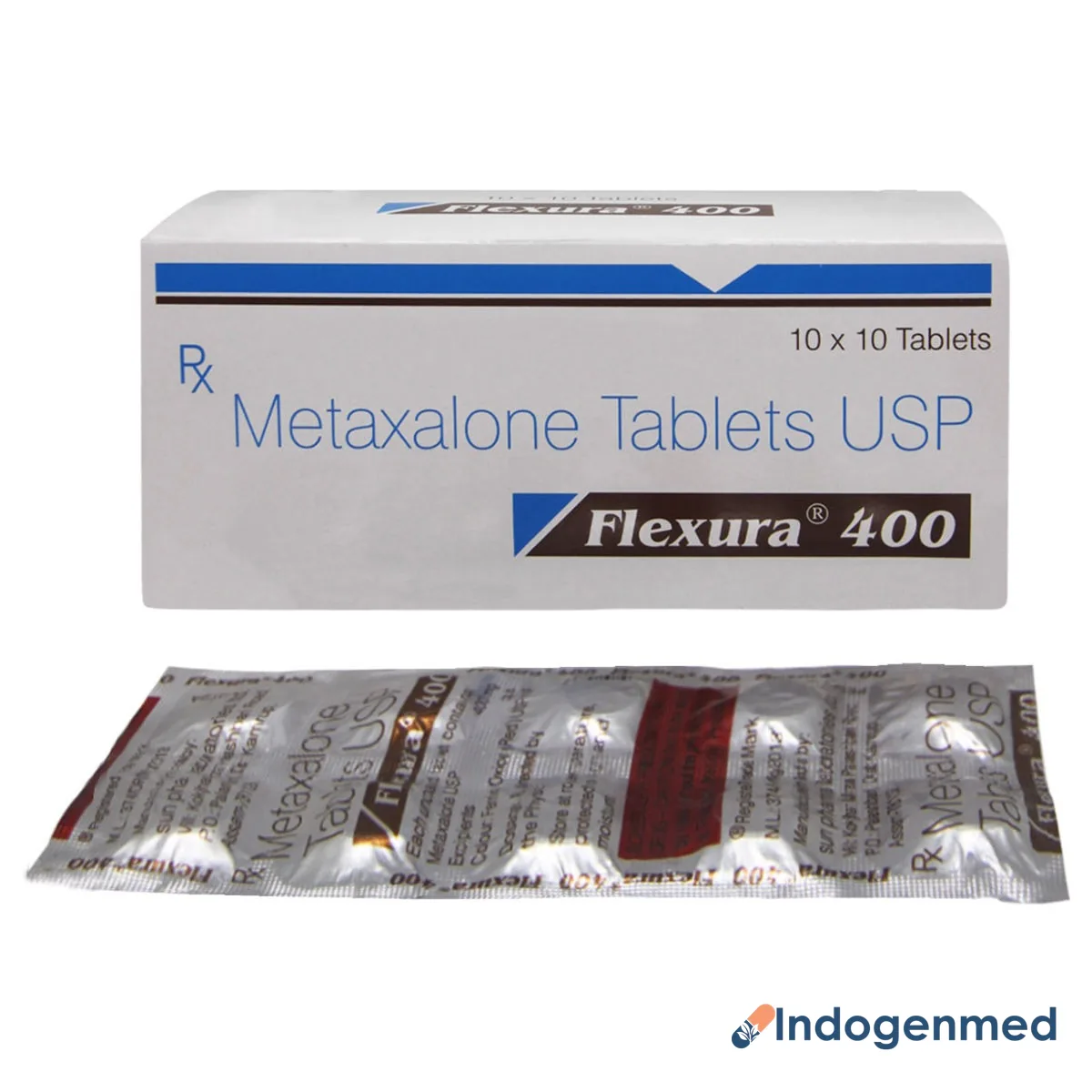
Flexura 400 Mg Tablets is a triple-combination analgesic and muscle relaxant formulation used for the relief of acute musculoskeletal pain, particularly pain accompanied by muscle spasm and inflammation. Each tablet contains three active ingredients: Chlorzoxazone 400 mg (a centrally acting skeletal muscle relaxant), Diclofenac Sodium (a non-steroidal anti-inflammatory drug, NSAID), and Paracetamol (an analgesic and antipyretic).
This combination is designed so that each component targets a different component of musculoskeletal pain: Chlorzoxazone relieves painful muscle spasm by acting on the central nervous system; Diclofenac Sodium reduces inflammation and pain by inhibiting prostaglandin synthesis; and Paracetamol provides additional analgesic and antipyretic action. Together, these three mechanisms offer broader pain relief than any single agent alone for conditions where muscle spasm, inflammation, and pain coexist.
Flexura 400 Mg Tablets are manufactured by Sun Pharmaceutical Industries Ltd., one of India’s largest and most internationally recognised pharmaceutical companies. Each strip contains 10 tablets.
Prescription only (Rx). Use only as directed by your doctor.
Composition
| Component | Detail |
|---|---|
| Active ingredients | Chlorzoxazone 400 mg + Diclofenac Sodium + Paracetamol |
| Drug classes | Centrally acting skeletal muscle relaxant + NSAID + Non-opioid analgesic |
| Formulation | Oral tablet |
| Pack size | 10 tablets per strip |
| Manufacturer | Sun Pharmaceutical Industries Ltd., India |
| Medicine type | Generic (Rx — prescription required) |
About Sun Pharmaceutical Industries Ltd.
Sun Pharmaceutical Industries Ltd. (Sun Pharma) is India’s largest pharmaceutical company by revenue and one of the top five generic pharmaceutical companies globally. Headquartered in Mumbai, Maharashtra, Sun Pharma was founded in 1983 by Dilip Shanghvi and has grown into a multinational with operations in more than 100 countries. The company’s manufacturing facilities are approved by major international regulatory authorities, including the US FDA, the UK Medicines and Healthcare products Regulatory Agency (MHRA), the European Medicines Agency (EMA), and WHO. Sun Pharma’s portfolio spans branded generics, specialty medicines, and complex generics across a wide range of therapy areas, including pain management, cardiology, psychiatry, neurology, and oncology. Flexura is one of Sun Pharma’s established branded combination analgesic products widely prescribed in India for musculoskeletal pain.
How Flexura’s Three Active Ingredients Work
Flexura 400 Mg Tablets combines three distinct pharmacological mechanisms to address the multiple components of acute musculoskeletal pain:
1. Chlorzoxazone — Skeletal Muscle Relaxant (400 mg)
Chlorzoxazone is a centrally acting skeletal muscle relaxant. It acts primarily at the level of the spinal cord and subcortical areas of the brain to depress multisynaptic reflex arcs that are responsible for producing and maintaining painful muscle spasm. By inhibiting these pathways, chlorzoxazone reduces skeletal muscle hypertonicity and involuntary muscle contraction without directly acting on skeletal muscle fibres or neuromuscular junctions. The result is relief from the muscle spasm that commonly amplifies pain in musculoskeletal conditions. Chlorzoxazone is metabolised predominantly by the liver (CYP2E1 pathway) and excreted in the urine as a glucuronide conjugate.
2. Diclofenac Sodium — NSAID (Anti-inflammatory and Analgesic)
Diclofenac Sodium is a non-steroidal anti-inflammatory drug (NSAID) with analgesic, anti-inflammatory, and antipyretic properties. Its primary mechanism involves the inhibition of cyclooxygenase (COX) enzymes — both COX-1 and COX-2, with some preferential activity at COX-2. This reduces the synthesis of prostaglandins and thromboxanes from arachidonic acid in inflamed tissues. Prostaglandins are key mediators of inflammation, pain sensitisation (peripheral and central), and fever. By reducing their production, diclofenac alleviates the inflammatory component of musculoskeletal pain — particularly useful in conditions where tissue injury, sprains, or strains have caused local inflammation. Diclofenac is rapidly absorbed following oral administration, highly protein-bound, and undergoes hepatic metabolism.
3. Paracetamol — Non-opioid Analgesic and Antipyretic
Paracetamol (Acetaminophen) is a widely used non-opioid analgesic and antipyretic. Its mechanism of action is not fully characterised but involves inhibition of prostaglandin synthesis primarily in the central nervous system (brain and spinal cord), modulation of the endocannabinoid system, and interaction with serotonergic descending pain pathways. Unlike diclofenac, paracetamol has minimal anti-inflammatory effect in peripheral tissues and does not cause the gastrointestinal side effects associated with NSAIDs. The combination of paracetamol with diclofenac in Flexura provides additive analgesic effects at safe individual doses of each agent. Paracetamol is rapidly absorbed, metabolised in the liver (primarily via glucuronidation and sulphation), and excreted in the urine.
Indications: When Is Flexura 400 Mg Prescribed?
Flexura 400 Mg Tablets is indicated for the short-term symptomatic treatment of musculoskeletal pain, particularly when muscle spasm is a significant component:
- Acute low back pain (lumbago): One of the most common indications — acute lower back pain with associated muscle spasm and stiffness, whether due to poor posture, heavy lifting, or sprain.
- Cervical spondylosis and neck pain: Degenerative changes in the cervical spine causing neck pain, stiffness, and muscle spasm.
- Musculoskeletal sprains and strains: Soft tissue injuries to muscles, tendons, and ligaments from physical activity, falls, or accidents — accompanied by local pain, inflammation, and reflex muscle spasm.
- Sports injuries: Post-exertional or post-traumatic muscle soreness and spasm in athletes and active individuals.
- Fibromyalgia: As part of a broader pain management plan for widespread musculoskeletal pain with associated muscle tenderness.
- Post-operative or post-traumatic musculoskeletal pain: Short-term pain relief following surgery or trauma involving muscles, joints, or the musculoskeletal system.
- Shoulder and limb pain with spasm: Periarthritis, frozen shoulder, or limb pain where a muscular component is identified.
Flexura 400 Mg Tablets is intended for short-term use only. Prolonged use of NSAIDs or muscle relaxants carries increased risk of side effects and does not substitute for physiotherapy, rehabilitation, or treatment of underlying structural causes of pain. Your doctor will determine whether and for how long this medication is appropriate for your condition.
Dosage and Administration
Dosage is determined by your doctor based on the severity of your condition, your age, weight, and other medications you are taking. Follow the prescribed dose strictly.
- Swallow tablets whole with a full glass of water.
- Take with or shortly after food to reduce the risk of gastric side effects from Diclofenac.
- Do not exceed the prescribed dose. The combination of Diclofenac (NSAID) and Paracetamol means that taking additional NSAIDs, aspirin, or paracetamol-containing products alongside Flexura can lead to overdose of these components.
- For short-term use as directed. If symptoms do not improve within a few days, or if they worsen, consult your doctor.
Do not take Flexura 400 Mg Tablets with other NSAID-containing medicines, aspirin (except low-dose aspirin 75–100 mg for cardiovascular protection, only if your doctor has prescribed it), or with other paracetamol-containing products (including cold and flu remedies, which often contain paracetamol), as this risks exceeding safe doses.
Special Populations
Elderly Patients
Elderly patients are at increased risk of NSAID-related adverse effects — including GI bleeding and renal impairment — and may also be more sensitive to the sedating effects of chlorzoxazone. The lowest effective dose should be used for the shortest duration in this group. Close monitoring of renal function is advised during NSAID therapy in elderly patients, particularly those with pre-existing renal disease, hypertension, or heart failure.
Pregnancy
Diclofenac (NSAID) use is associated with significant risks in pregnancy. NSAIDs are associated with increased risk of miscarriage in early pregnancy, and are contraindicated from 20 weeks of gestation onwards (risk of foetal renal dysfunction, oligohydramnios) and especially from 30 weeks (risk of premature closure of the ductus arteriosus). Paracetamol is generally considered safer in pregnancy when used at the lowest effective dose for the shortest duration, under medical supervision. Flexura should not be used in pregnancy unless specifically advised by a doctor who is aware of the pregnancy.
Breastfeeding
Both diclofenac and paracetamol pass into breast milk in small amounts. Short-term use of paracetamol is generally compatible with breastfeeding; NSAID use in breastfeeding requires medical assessment. Consult your doctor before taking Flexura while breastfeeding.
Renal and Hepatic Impairment
Use with caution in patients with impaired renal function — NSAIDs can reduce renal blood flow and worsen renal impairment. Avoid in severe renal impairment. Both paracetamol and chlorzoxazone are hepatically metabolised; use with caution in hepatic impairment and avoid in severe liver disease. Chlorzoxazone has been associated with rare cases of hepatotoxicity — though uncommon, patients with liver disease should avoid it, and any signs of liver dysfunction during use (jaundice, dark urine, right upper abdominal pain) warrant immediate medical evaluation.
Precautions
- GI risk: Diclofenac sodium, like all NSAIDs, can cause gastric irritation, peptic ulcers, and gastrointestinal bleeding — even without prior symptoms. The risk is higher in elderly patients, those with a history of GI ulcers, those on anticoagulants, and those who use alcohol or tobacco. Taking Flexura with food reduces but does not eliminate this risk. Report any stomach pain, dark or tarry stools, or blood in vomit to your doctor immediately.
- Cardiovascular risk: NSAIDs including diclofenac may increase the risk of serious cardiovascular events — myocardial infarction (heart attack) and stroke — particularly with prolonged use and in patients with existing cardiovascular disease or risk factors (hypertension, diabetes, smoking, high cholesterol). Use the lowest effective dose for the shortest duration.
- Drowsiness: Chlorzoxazone can cause drowsiness and sedation. Do not drive, operate machinery, or engage in activities requiring full alertness until you know how this medication affects you.
- Alcohol: Avoid alcohol while taking Flexura. Alcohol potentiates both the hepatotoxic potential of chlorzoxazone and paracetamol, and increases the GI irritation risk of diclofenac.
- Paracetamol dose monitoring: As paracetamol is contained in Flexura, check all other medicines you take (including OTC cold/flu preparations, other pain relievers) to avoid inadvertently exceeding the maximum daily paracetamol dose. Paracetamol overdose causes serious and potentially fatal liver damage.
- Chlorzoxazone colour change in urine: Chlorzoxazone may cause an orange or red-purple discolouration of urine. This is harmless, but patients should be informed to avoid unnecessary alarm.
Contraindications
Flexura 400 Mg Tablets must not be used in patients with:
- Known hypersensitivity to chlorzoxazone, diclofenac, paracetamol, or any excipient in the formulation
- Aspirin-exacerbated respiratory disease (NSAID-induced asthma, nasal polyps, urticaria triggered by aspirin or other NSAIDs)
- Active peptic ulcer disease or gastrointestinal bleeding
- Severe heart failure
- Severe renal impairment (eGFR <30 mL/min)
- Severe hepatic impairment or active liver disease
- Coronary artery bypass surgery (peri-operative use)
- Pregnancy from 20 weeks gestation onwards
Side Effects
Side effects may arise from any of the three active components. Report any unusual or persistent symptoms to your doctor.
Common Side Effects (from the Diclofenac component)
- Nausea, vomiting, stomach pain, dyspepsia (indigestion)
- Diarrhoea or constipation
- Headache
- Dizziness
- Elevated liver enzymes (usually reversible; rarely progresses to hepatitis)
Common Side Effects (from the Chlorzoxazone component)
- Drowsiness, sedation
- Dizziness, lightheadedness
- Orange or red-purple discolouration of urine (harmless)
- Nausea, stomach upset
Serious Side Effects — Seek Urgent Medical Help
- GI bleeding (signs: vomiting blood, black/tarry stools, severe stomach pain)
- Signs of liver injury: jaundice (yellow skin/eyes), dark urine, severe fatigue, right upper abdominal pain — report immediately; may be from chlorzoxazone, diclofenac, or paracetamol at excess doses
- Severe allergic reactions: facial swelling, throat swelling, severe rash, difficulty breathing (anaphylaxis)
- Cardiovascular events: chest pain, shortness of breath, weakness, sudden vision changes, difficulty speaking (signs of heart attack or stroke)
- Severe skin reactions: Stevens-Johnson syndrome, toxic epidermal necrolysis — NSAID rare but serious reaction; discontinue immediately at first signs of skin blistering, peeling, or severe rash with fever
- Kidney problems: significant reduction in urine output, swelling in the legs
Drug Interactions
Flexura contains three pharmacologically active compounds, each with its own interaction profile. Inform your doctor of all medicines, supplements, and herbal products you are currently taking.
- Anticoagulants (warfarin, acenocoumarol): Diclofenac inhibits platelet aggregation and may potentiate the anticoagulant effect of warfarin, increasing bleeding risk. Close monitoring of INR is required; the combination is generally avoided unless necessary.
- Other NSAIDs and aspirin (analgesic doses): Combination of Flexura with other NSAIDs significantly increases the risk of GI ulceration and bleeding. Avoid concomitant use. Low-dose aspirin (75–100 mg) for cardiovascular protection may be continued only under medical supervision.
- Lithium: Diclofenac reduces renal clearance of lithium, leading to increased plasma lithium levels and risk of lithium toxicity. Monitor lithium levels and adjust dose if needed.
- Methotrexate: NSAIDs reduce the renal elimination of methotrexate and can dramatically increase its plasma levels, leading to methotrexate toxicity. Avoid concomitant use with therapeutic methotrexate doses.
- Diuretics (furosemide, thiazides) and ACE inhibitors/ARBs: NSAIDs can reduce the antihypertensive and diuretic effects of these agents, and increase the risk of renal impairment (the “triple whammy” interaction: NSAID + ACE inhibitor/ARB + diuretic). Monitor renal function and blood pressure.
- Corticosteroids: Combined use with NSAIDs markedly increases the risk of GI ulceration and bleeding. Avoid or use with gastroprotective agents (e.g., proton pump inhibitors) only under medical supervision.
- Selective serotonin reuptake inhibitors (SSRIs): Concomitant use with NSAIDs increases the risk of GI bleeding. Patients on SSRIs taking Flexura should be aware of this additive risk.
- Alcohol: Increases the risk of GI bleeding (with diclofenac), hepatotoxicity (with paracetamol and chlorzoxazone), and sedation (with chlorzoxazone). Avoid alcohol during treatment.
- Other paracetamol-containing products: Do not take additional paracetamol-containing medicines (cold/flu remedies, other combination analgesics) alongside Flexura, as this can lead to paracetamol overdose and serious liver damage.
- CNS depressants (benzodiazepines, opioids, sedatives, antihistamines): Chlorzoxazone’s sedative effects are additive with other CNS depressants. Use with caution; do not drive if combining with other sedating medicines.
- CYP2E1 inducers/inhibitors: Chlorzoxazone is metabolised by CYP2E1. Alcohol is a CYP2E1 inducer (with chronic heavy use); drugs that induce or inhibit this enzyme may alter chlorzoxazone metabolism and plasma levels.
Storage Instructions
- Store below 25°C (77°F) in a cool, dry place away from heat and humidity.
- Protect from direct sunlight and moisture.
- Keep in the original strip packaging until use.
- Keep out of the reach of children.
- Do not use after the expiry date printed on the strip or carton.
Related Products
Patients with pain conditions may also be prescribed related medicines available on Indogenmed. For cardiovascular pain management co-prescriptions, see Ciplar 20 Mg Tablets (propranolol, for anxiety-related conditions). Patients on blood pressure medicines alongside NSAIDs should see Cipril H 5+12.5 Mg Tablets. Browse the full Pain Management range for other analgesic and anti-inflammatory options available on Indogenmed.
Frequently Asked Questions (FAQs)
1. What is the purpose of combining Chlorzoxazone, Diclofenac, and Paracetamol in one tablet?
Musculoskeletal pain rarely involves a single mechanism — it typically involves muscle spasm, local tissue inflammation, and pain signal transmission. Treating only one of these with a single agent often produces incomplete relief. The three-component combination in Flexura is designed so each drug targets a different component: Chlorzoxazone relieves the spasm through central muscle relaxation; Diclofenac reduces local inflammation and prostaglandin-mediated pain sensitisation; and Paracetamol provides additional central analgesic effect. This multi-target approach can offer more comprehensive relief at doses of each individual component that are lower than would be needed if used alone, potentially reducing individual dose-related side effects.
2. Can I take Flexura 400 Mg Tablets with food?
Yes — and it is generally recommended to take Flexura with or shortly after food. The Diclofenac component (NSAID) can irritate the stomach lining, and food buffers gastric acid and reduces the risk of nausea and stomach upset. Taking NSAIDs on an empty stomach is associated with higher rates of GI side effects. Food does not significantly affect the absorption of chlorzoxazone or paracetamol.
3. Can Flexura 400 Mg make me drowsy?
Yes — Chlorzoxazone (400 mg), the muscle relaxant component of Flexura, has a central sedative effect and commonly causes drowsiness, particularly when starting treatment. Do not drive a vehicle, operate machinery, or engage in activities requiring mental alertness until you know how Flexura affects you. The sedative effect may be additive with alcohol and other CNS-depressant medicines (benzodiazepines, antihistamines, sleeping pills). Inform your doctor if drowsiness significantly affects your daily functioning.
4. How long can I take Flexura 400 Mg Tablets?
Flexura is intended for short-term use only — typically the shortest course necessary to control acute pain. Long-term use of NSAIDs (the Diclofenac component) carries escalating risks of GI ulceration, cardiovascular events, and renal impairment. Prolonged use of chlorzoxazone carries a risk of hepatotoxicity. Your doctor will advise on duration. If your pain has not improved within a few days of use, or if it is chronic or recurring, consult your doctor for reassessment — long-term pain management should not rely on combination NSAIDs/muscle relaxants without regular medical review.
5. Can I take paracetamol tablets separately while on Flexura 400 Mg?
No — Flexura already contains Paracetamol as one of its three active ingredients. Taking additional paracetamol tablets or paracetamol-containing products (such as cold/flu medicines, combination analgesics) on top of Flexura means you will be taking more than the recommended safe daily paracetamol dose. Paracetamol overdose is one of the most common causes of acute liver failure. Always check the labels of any other medicines you take while on Flexura, and inform your pharmacist about all the medicines you are using.
References
- MedlinePlus (US National Library of Medicine). Diclofenac. Available at: https://medlineplus.gov/druginfo/meds/a689002.html [Accessed November 2026].
- US National Library of Medicine, DailyMed. Chlorzoxazone — Drug Label Information. Available at: https://dailymed.nlm.nih.gov/dailymed/ [Accessed November 2026].
- European Medicines Agency (EMA). Diclofenac-containing medicines — Assessment Report. EMA/CHMP/513298/2012. Available at: https://www.ema.europa.eu/ [Accessed November 2026].
- US FDA. NSAIDs: Drug Safety Communication — Strengthened Warning. Available at: https://www.fda.gov/ [Accessed November 2026].
Disclaimer: This information is for educational purposes only and does not replace professional medical advice, diagnosis, or treatment. Flexura 400 Mg Tablets contains active medicines that carry significant risks — including GI bleeding, cardiovascular events, hepatotoxicity, and sedation. Use only under the supervision of a qualified doctor. Report any concerning symptoms to your doctor promptly. Do not exceed the prescribed dose and do not take alongside other NSAID or paracetamol-containing products.




Reviews
There are no reviews yet.