
Description
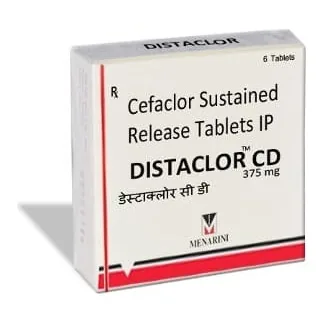
Distaclor CD 375 mg Tablets (Cefaclor 375 mg Extended-Release)
Distaclor CD 375 mg Tablets is a prescription oral antibiotic containing cefaclor 375 mg in a sustained-release tablet. Cefaclor is a second-generation cephalosporin, and this product is manufactured in India by A. Menarini India Pvt Ltd. It is used to treat bacterial infections only. It has no effect on viral illnesses such as flu or the common cold. Indogenmed supplies this product for patients who have a valid prescription and who will use it under medical supervision.
Composition
| Active ingredient | Cefaclor 375 mg |
| Dosage form | Sustained-release (extended-release) tablet |
| Route of administration | Oral |
| Manufacturer | A. Menarini India Pvt Ltd |
| Prescription status | Prescription medicine |
Product Details
The 375 mg strength is a single-tablet formulation designed to release cefaclor gradually. Because the tablet is an extended-release form, it should be swallowed whole. Do not crush or chew it, since this can change how much drug is released at once. Pack sizes differ between suppliers, so check the label on the pack you receive for the number of tablets and the batch details.
Mechanism of Action
Cefaclor works by interfering with the formation of the bacterial cell wall, a protective layer that bacteria need to survive and multiply. Without an intact cell wall, the bacteria are damaged and die. The drug acts against many common gram-positive and gram-negative organisms, which is why it is used for a range of infections across different body sites.
Indications
Distaclor CD 375 mg is prescribed for bacterial infections of several body systems. Commonly treated conditions include urinary tract infections, where it helps clear the bacteria that cause bladder and kidney infections, along with infections of the respiratory tract such as pharyngitis, bronchitis and tonsillitis. It is also used for infections of the ears, nose, throat, skin and soft tissue. The prescribing doctor decides whether this product is appropriate for a given infection and confirms the diagnosis before treatment starts.
Dosage and Administration
The dose and duration are set by the prescribing doctor, based on the type and severity of the infection, kidney function and the patient’s overall health. Do not change the dose or stop early without medical advice, even if symptoms improve, because stopping early can allow the infection to return. Take the tablet with meals. Food improves absorption of cefaclor from the gastrointestinal tract. Antacids that contain magnesium hydroxide or aluminium hydroxide reduce absorption if they are taken within one hour of the dose, so keep a gap between the two.
Special Populations
Children: The tablet form is not recommended for children. The suspension form may be used in children above one month of age, but only at doses set by a doctor. Dosing for children should always come from a paediatric prescriber.
Kidney disease and dialysis: Patients with reduced kidney function may need a lower dose or a different schedule. Patients on regular haemodialysis may need a loading dose before a dialysis session, so they should tell their doctor about dialysis before starting treatment.
Pregnancy: Use during pregnancy only if the doctor considers it clearly necessary. Tell the doctor about any pregnancy before starting the medicine.
Breastfeeding: Small amounts of cefaclor pass into breast milk. Breastfeeding mothers should discuss the risks and benefits with their doctor before taking the drug.
Older adults: Older patients are more likely to have reduced kidney function, so the doctor may adjust the dose.
Precautions
Tell the doctor before starting if you have ever had an allergic reaction to penicillins or any other medicine, because cross-reactions can occur. Inform the doctor if you have kidney disease, diabetes, or a stomach or bowel disorder such as inflammation of the large intestine. Cefaclor can cause diarrhoea, and in some cases a more serious bowel inflammation, so report persistent or bloody diarrhoea to a doctor promptly. Cefaclor can also interfere with some urine glucose tests and give unusual results, so tell the laboratory that you are taking it.
Contraindications
Do not use Distaclor CD 375 mg if you have a known allergy to cefaclor or to other cephalosporin antibiotics. Use with particular care in people with a history of penicillin allergy.
Side Effects
The most commonly reported side effects include diarrhoea, nausea, vomiting, vaginal itching, fever and rash. Most of these are mild and settle without treatment, but they should still be reported if they persist or worsen. In clinical trials of the prolonged-release cefaclor tablet, rash, hives or itching occurred in about 1.7% of patients, and serum sickness-like reactions were rare. Stop the medicine and seek urgent medical help if you develop swelling of the face or throat, difficulty breathing, severe skin blistering, or severe or bloody diarrhoea.
Drug Interactions
Antacids containing magnesium hydroxide or aluminium hydroxide reduce cefaclor absorption, so they should be separated from the dose by at least one hour. Tell your doctor about every medicine you take, including other antibiotics, blood thinners and any other prescription or over-the-counter products, before starting treatment. Your doctor can judge whether any combination needs a dose change or extra monitoring.
Storage
Store the tablets as directed on the pack label, keep them in the original packaging, and keep them out of the reach and sight of children. Do not use tablets after the expiry date printed on the pack.
Frequently Asked Questions
Does Distaclor CD 375 mg treat colds or flu?
No. It only works against bacterial infections, so a doctor must confirm a bacterial cause before it is prescribed.
Can children take this tablet?
The tablet form is not recommended for children. A paediatric suspension may be used in children above one month, but only as directed by a doctor.
Can the tablet be split or crushed?
No. Swallow it whole, with food, as an extended-release tablet.
What should I do if I miss a dose?
Take the missed dose as soon as you remember, unless it is almost time for the next one. Do not double the dose. Ask your doctor or pharmacist if you are unsure.
References
- Medicines.org.uk, Summary of Product Characteristics for Distaclor MR Tablets (cefaclor prolonged-release 375 mg): https://www.medicines.org.uk/emc/product/15783/smpc
- HPRA Ireland, Summary of Product Characteristics for Distaclor LA 375 mg Prolonged Release Tablets: https://assets.hpra.ie/products/Human/25520/Licence_PA1226-001-004_22052024153934.pdf
- Apollo Pharmacy, Distaclor CD 375 Tablet product information: https://www.apollopharmacy.in/medicine/distaclor-cd-375mg-tablet
Disclaimer
This information is for general education and does not replace advice from a qualified doctor or pharmacist. Use Distaclor CD 375 mg Tablets only under a valid prescription and follow the dose and duration your doctor sets.



Reviews
There are no reviews yet.