Description
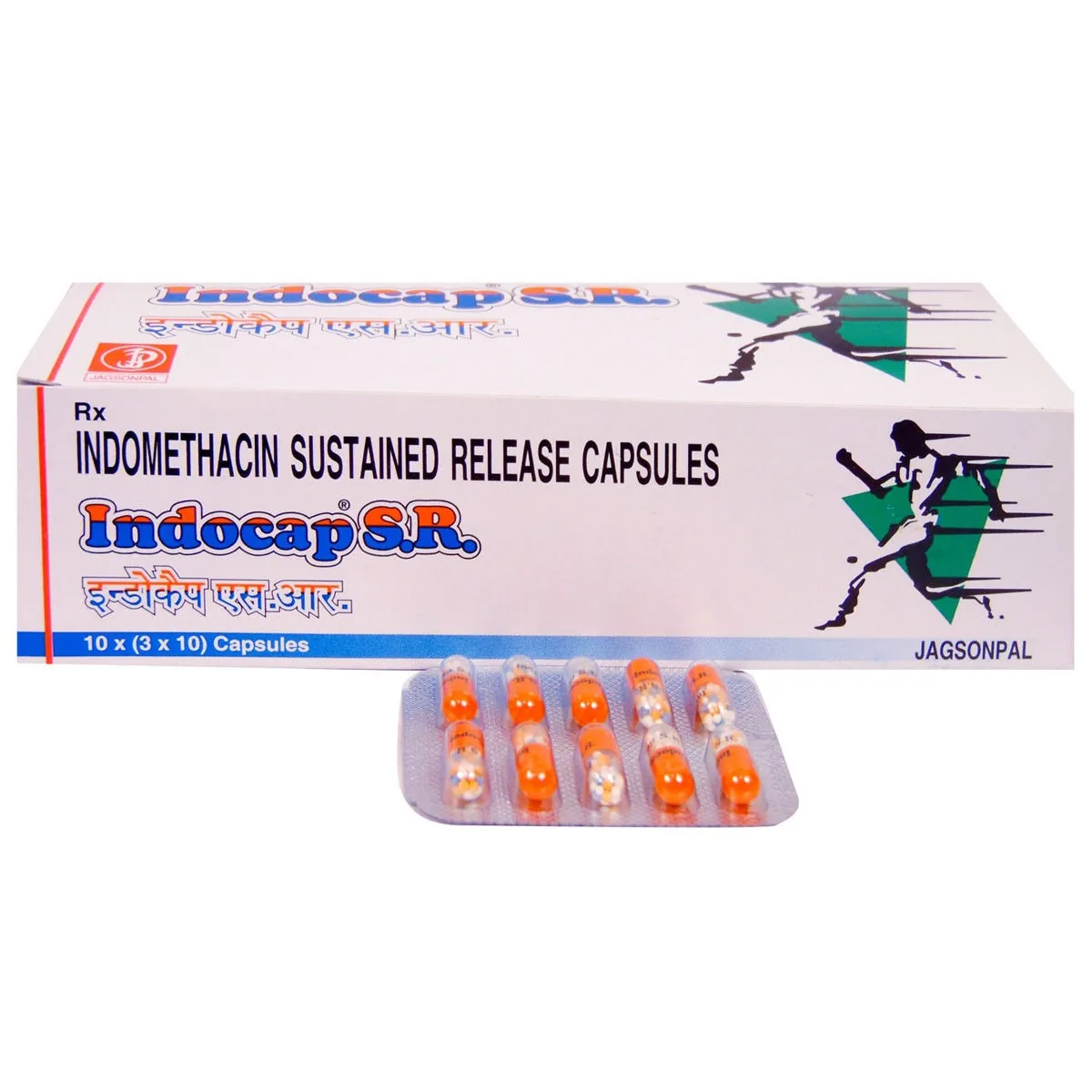
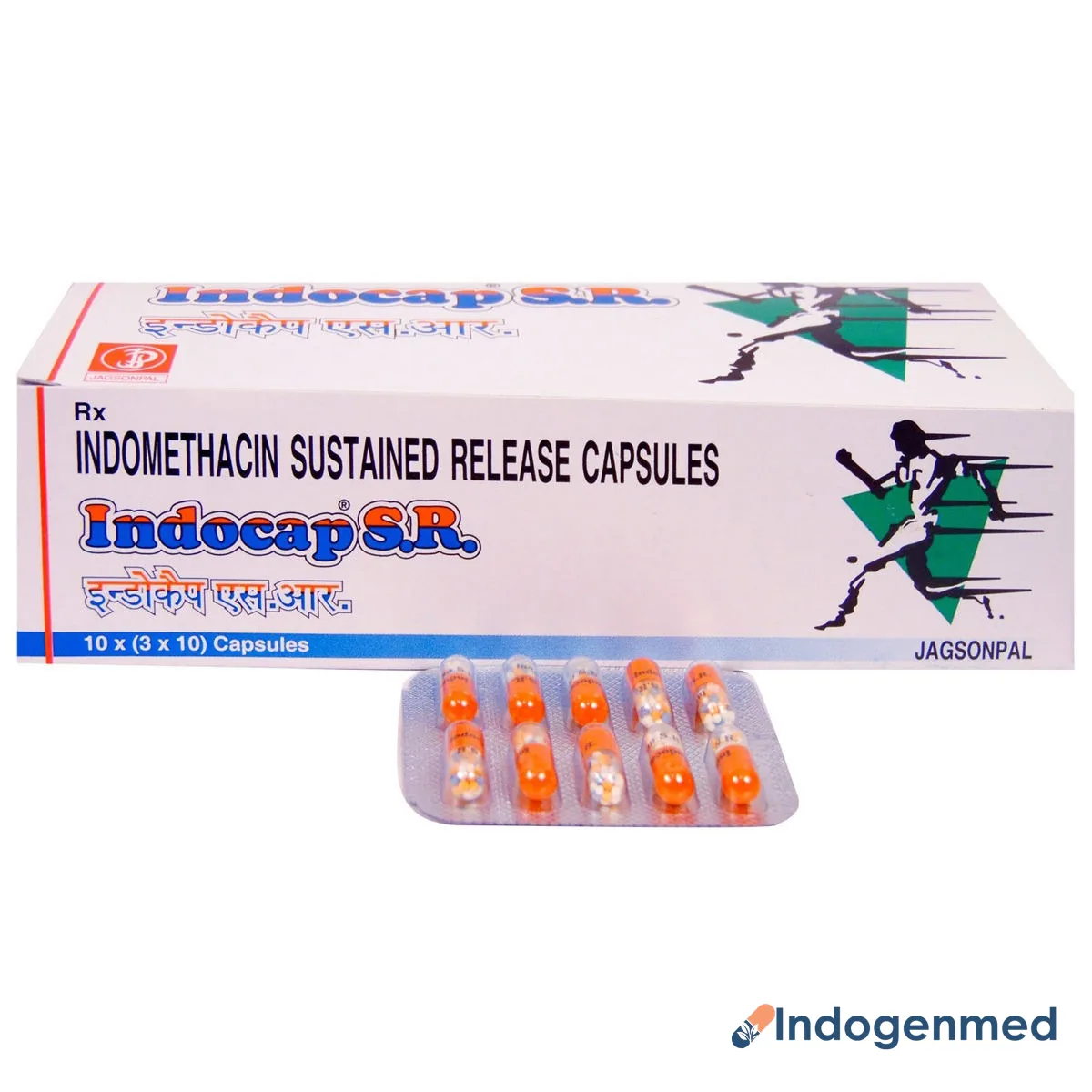
Indocap SR 75 Mg Capsules
Indocap SR 75 Mg Capsules contain indomethacin 75 mg in a sustained-release (SR) formulation. Indomethacin is a potent non-steroidal anti-inflammatory drug (NSAID) of the indole acetic acid class, used for the relief of moderate-to-severe pain and inflammation associated with arthritis, gout, musculoskeletal disorders, and other inflammatory conditions. The sustained-release capsule provides prolonged pain relief with twice-daily dosing.
Composition
| Active Ingredient | Strength |
|---|---|
| Indomethacin (Sustained Release) | 75 mg per capsule |
About the Manufacturer
Indocap SR is manufactured by Pfizer Limited, a subsidiary of Pfizer Inc., one of the world’s largest biopharmaceutical companies. Pfizer has an extensive pain and anti-inflammatory medicines portfolio and distributes pharmaceutical products globally.
Mechanism of Action
Indomethacin is a potent, non-selective inhibitor of cyclo-oxygenase enzymes COX-1 and COX-2. By inhibiting these enzymes, indomethacin reduces the synthesis of prostaglandins — the key mediators of pain, inflammation, and fever. It also inhibits the migration of leucocytes into areas of inflammation. Among NSAIDs, indomethacin is one of the most potent COX inhibitors, which accounts for both its strong anti-inflammatory efficacy and its relatively greater risk of gastrointestinal side effects.
Indications
- Moderate-to-severe rheumatoid arthritis, including acute flares
- Osteoarthritis (moderate-to-severe symptomatic relief)
- Ankylosing spondylitis
- Acute gouty arthritis
- Acute musculoskeletal injuries and periarticular inflammation (bursitis, tendinitis)
- Pericarditis (specialist use)
Dosage & Administration
- Swallow capsules whole with a full glass of water or milk; do not crush or chew
- Take with or immediately after food to reduce gastrointestinal side effects
- Usual adult dose: 75 mg SR once or twice daily (maximum 150–200 mg daily)
- Acute gout: Higher initial doses may be prescribed by a physician for rapid symptom control
- Use the lowest effective dose for the shortest duration necessary
Special Populations
- Elderly: More susceptible to GI, renal, and cardiovascular side effects; use the lowest effective dose and monitor closely
- Renal impairment: Use with caution; monitor renal function; avoid in severe renal impairment
- Hepatic impairment: Use with caution; avoid in severe hepatic impairment
- Children <14 years: Not recommended unless specifically prescribed by a specialist
- Pregnancy: Avoid from 20 weeks (oligohydramnios risk); contraindicated from 30 weeks (premature ductal closure risk)
- Breastfeeding: Avoid; indomethacin passes into breast milk
Precautions
- Always take with food or milk to minimise gastric irritation; consider a gastroprotective agent (e.g. proton pump inhibitor) in high-risk patients
- Monitor blood pressure, renal function, and signs of fluid retention, particularly in patients with cardiac, renal, or hepatic disease
- Indomethacin can mask the signs of infection (fever, inflammation); use with caution in patients with active infection
- Psychiatric side effects (depression, hallucinations, confusion) are more common with indomethacin than with other NSAIDs; monitor mental state
- Avoid in patients with a history of peptic ulcer disease, GI bleeding, or aspirin/NSAID-sensitive asthma
Contraindications
- Hypersensitivity to indomethacin, aspirin, or other NSAIDs (risk of cross-reactivity)
- Active or recurrent peptic ulcer or GI bleeding
- Severe heart failure, severe renal or hepatic impairment
- Aspirin-sensitive asthma or NSAID-induced bronchospasm
- Third trimester of pregnancy
- Proctitis (for rectal formulations)
Side Effects
- Very common: GI discomfort, nausea, dyspepsia, abdominal pain
- Common: Headache, dizziness, fluid retention, increased blood pressure, peptic ulceration
- Less common: GI bleeding, elevated liver enzymes, renal impairment
- Rare (but potentially serious): Psychiatric effects (depression, confusion, hallucinations), blood dyscrasias, severe skin reactions (Stevens-Johnson syndrome), cardiovascular events (heart attack, stroke) with long-term use
Drug Interactions
- Aspirin and other NSAIDs: Increased risk of GI toxicity; avoid combination
- Anticoagulants (warfarin, heparin): Increased bleeding risk; monitor INR carefully
- SSRIs: Additive risk of GI bleeding
- Antihypertensives (ACE inhibitors, beta-blockers, diuretics): NSAIDs may reduce antihypertensive efficacy and increase risk of renal impairment
- Lithium: Indomethacin reduces renal lithium clearance, increasing plasma levels and toxicity risk; avoid if possible
- Methotrexate: NSAIDs may reduce methotrexate clearance; serious toxicity risk; use with caution
- Corticosteroids: Increased risk of GI ulceration and bleeding
Storage
Store below 30°C in a dry place, protected from light and moisture. Keep the capsules in their original blister pack. Keep out of reach of children. Do not use after the expiry date printed on the pack.
Related Products
- Voveran SR 100 Mg Tablets – diclofenac sustained-release for arthritis and pain
- Cobix 200 Mg Capsules – celecoxib COX-2 selective for arthritis
- Fexopen 180 Mg Tablets – fexofenadine for allergic conditions
Frequently Asked Questions
- What is Indocap SR 75 Mg used for?
- Indocap SR 75 Mg is used to relieve moderate-to-severe pain and inflammation associated with rheumatoid arthritis, osteoarthritis, ankylosing spondylitis, and acute gout. It is a potent NSAID used when milder analgesics have been insufficient.
- What does SR mean in Indocap SR?
- SR stands for Sustained Release. The capsule releases indomethacin gradually over several hours, maintaining anti-inflammatory blood levels longer than immediate-release formulations and allowing twice-daily dosing rather than 3–4 times daily.
- Can I take Indocap SR on an empty stomach?
- No. Indocap SR should always be taken with or immediately after food to reduce the risk of gastric irritation, stomach ulcers, and nausea. If stomach symptoms are persistent, inform your doctor, as a protective stomach medicine may be prescribed.
- Why can indomethacin affect mood and mental health?
- Indomethacin is known to occasionally cause psychiatric side effects such as depression, confusion, and hallucinations, particularly at higher doses or with prolonged use. This is more common than with most other NSAIDs. If you notice mood changes or unusual thoughts while taking this medicine, contact your doctor promptly.
- How is Indocap SR different from other NSAIDs like ibuprofen or diclofenac?
- Indomethacin is generally considered more potent than ibuprofen or diclofenac as an anti-inflammatory agent. This makes it effective for conditions like acute gout and ankylosing spondylitis, but it also carries a higher risk of gastrointestinal and central nervous system side effects, which is why it is usually reserved for moderate-to-severe cases where other NSAIDs have not provided sufficient relief.
References
- NHS – Indomethacin
- MedlinePlus – Indomethacin
- FDA – Indomethacin Prescribing Information
- EMA – Indomethacin-Containing Medicinal Products Assessment
Disclaimer: This page is for informational purposes only and does not constitute medical advice. Indocap SR 75 Mg Capsules should be used under the guidance of a qualified healthcare professional. NSAIDs carry risks of serious gastrointestinal, cardiovascular, and renal side effects. Always use the lowest effective dose for the shortest time necessary.
Reviews
There are no reviews yet.