Description
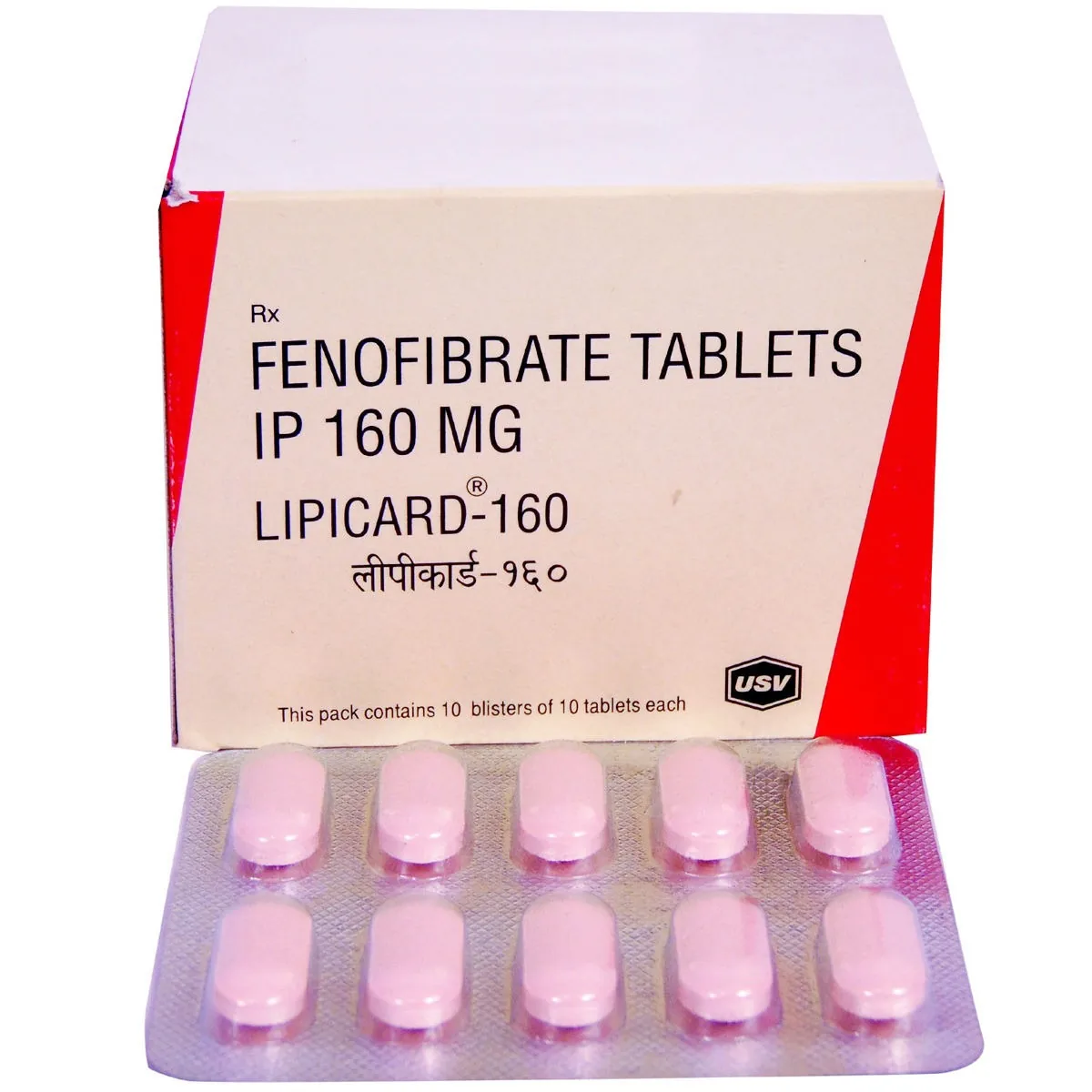
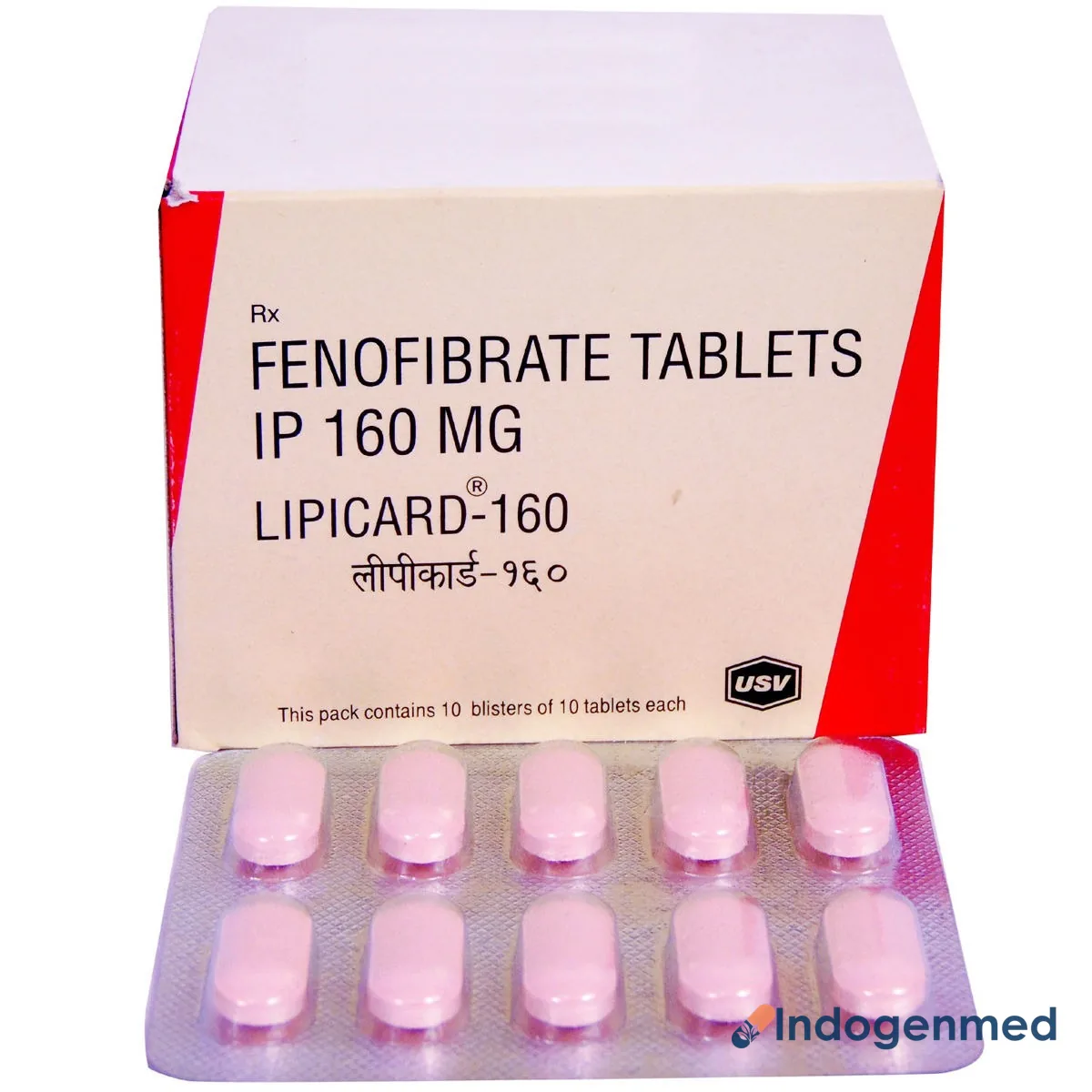
Lipicard 160 mg Tablets – Fenofibrate 160 mg
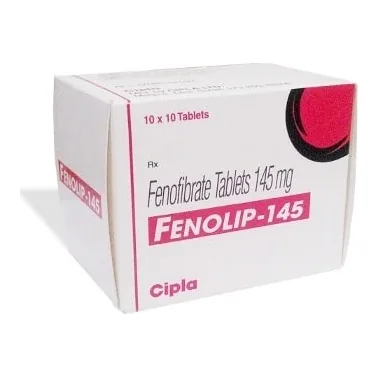
Lipicard 160 mg Tablets contain fenofibrate 160 mg, a lipid-regulating agent belonging to the fibrate class of drugs. Fenofibrate is a prodrug that is hydrolysed in vivo to fenofibric acid, its active metabolite. Fenofibric acid is a potent agonist of peroxisome proliferator-activated receptor alpha (PPAR-alpha), through which it exerts its primary lipid-modifying effects: substantial reduction in serum triglycerides and modest to moderate elevation of high-density lipoprotein cholesterol (HDL-C). The 160 mg strength is the standard adult therapeutic dose for the treatment of hypertriglyceridaemia and mixed dyslipidaemia.
Composition
Each Lipicard tablet contains fenofibrate 160 mg as the active ingredient. Fenofibrate is an isopropyl ester of fenofibric acid, formulated to improve bioavailability. Excipients typically include lactose monohydrate, microcrystalline cellulose, sodium lauryl sulphate, crospovidone, colloidal silicon dioxide, and magnesium stearate. Micronised or nanoparticle fenofibrate formulations have been developed to increase dissolution rate and bioavailability, allowing bioequivalent exposure at the 160 mg dose compared with earlier 200 mg non-micronised formulations.
Mechanism of Action
Fenofibric acid, the active metabolite of fenofibrate, is a ligand and agonist of PPAR-alpha (peroxisome proliferator-activated receptor alpha), a nuclear transcription factor expressed primarily in liver, skeletal muscle, heart, and kidney. Activation of PPAR-alpha regulates the transcription of genes involved in fatty acid oxidation and lipoprotein metabolism. Key consequences include:
- Increased lipoprotein lipase (LPL) synthesis: LPL hydrolyses triglycerides from VLDL and chylomicrons, lowering circulating triglyceride levels. Fenofibrate can reduce triglycerides by 30–60% from baseline.
- Decreased apolipoprotein C-III (Apo C-III) synthesis: Apo C-III inhibits LPL and delays clearance of triglyceride-rich lipoproteins; reducing its production accelerates VLDL clearance.
- Increased apolipoprotein A-I and A-II synthesis: These HDL structural proteins increase HDL-C levels, typically by 5–20% from baseline.
- Reduced hepatic VLDL secretion via increased beta-oxidation of fatty acids in the liver, decreasing the hepatic substrate for VLDL synthesis.
- Modest LDL-C reduction in patients with normal or elevated LDL; in hypertriglyceridaemia, fenofibrate may paradoxically increase LDL-C as VLDL particles are converted to LDL.
- Anti-inflammatory effects via PPAR-alpha activation: reduced production of fibrinogen, C-reactive protein, and inflammatory cytokines.
Indications
Lipicard 160 mg is indicated for:
- Severe hypertriglyceridaemia: Primary treatment for very high triglycerides (above 500 mg/dL or 5.6 mmol/L) to reduce the risk of acute pancreatitis.
- Mixed dyslipidaemia: As adjunct to diet in patients with combined (mixed) hyperlipidaemia characterised by elevated triglycerides and low HDL-C, often in the context of metabolic syndrome or type 2 diabetes mellitus.
- Primary hypercholesterolaemia and combined hyperlipidaemia: As monotherapy when statins are not tolerated, or as add-on therapy to statin treatment when triglycerides remain elevated or HDL is very low despite adequate LDL-C control.
- Cardiovascular risk reduction: In patients with type 2 diabetes, fenofibrate has been shown to reduce the progression of diabetic retinopathy and reduce cardiovascular events in those with atherogenic dyslipidaemia (high TG, low HDL-C, elevated small dense LDL) based on the ACCORD Lipid and FIELD trials.
Dosage and Administration
The usual adult dose is fenofibrate 160 mg once daily. Lipicard 160 mg should be taken with or immediately after the main meal of the day to maximise absorption, as food increases bioavailability substantially for many fenofibrate formulations. Dose reduction to 54–67 mg/day is required in patients with mild to moderate renal impairment (creatinine clearance 30–59 mL/min). Fenofibrate is contraindicated in severe renal impairment (creatinine clearance below 30 mL/min). Lipid levels should be reassessed after 2–3 months; if an adequate response is not achieved, the drug should be discontinued.
Pharmacokinetics
Fenofibrate itself is rapidly hydrolysed to fenofibric acid by tissue and plasma esterases following absorption; parent fenofibrate is not detectable in plasma under normal conditions. After oral administration with food, peak plasma concentrations of fenofibric acid are reached within 2–4 hours. Micronised and nanoparticle formulations have improved bioavailability, reducing the influence of food on absorption compared with older non-micronised products. Fenofibric acid is highly protein-bound (approximately 99%), primarily to albumin. The elimination half-life of fenofibric acid is approximately 20 hours, allowing once-daily dosing. Metabolism is by glucuronide conjugation; the glucuronide and unchanged fenofibric acid are renally excreted. Renal clearance is the primary elimination pathway, which is the basis for contraindication in severe renal impairment and dose reduction in mild-to-moderate impairment.
Drug Interactions
- Statins: Concurrent use of fenofibrate and statins increases the risk of myopathy and rhabdomyolysis, particularly with higher statin doses. If co-prescribed, patients should be monitored for muscle symptoms and creatine kinase (CK) elevation. Gemfibrozil carries a higher myopathy risk with statins than fenofibrate and should be avoided; fenofibrate is the preferred fibrate when statin co-therapy is necessary.
- Warfarin and coumarin anticoagulants: Fenofibrate potentiates the anticoagulant effect of warfarin, likely by inhibiting its CYP2C9-mediated metabolism. INR should be closely monitored and warfarin dose reduced as needed when fenofibrate is started.
- Ciclosporin: Potential for increased ciclosporin-induced nephrotoxicity; renal function should be monitored closely during concomitant use.
- Bile acid sequestrants (cholestyramine, colestipol): May reduce fenofibrate absorption; fenofibrate should be taken 1 hour before or 4–6 hours after a bile acid sequestrant.
- Colchicine: Increased risk of myopathy.
Contraindications
Lipicard 160 mg is contraindicated in: known hypersensitivity to fenofibrate, fenofibric acid, or any formulation excipient; severe renal impairment (creatinine clearance below 30 mL/min); active liver disease, including unexplained persistent liver function test elevations; pre-existing gallbladder disease (fenofibrate increases biliary cholesterol secretion and can cause or worsen cholelithiasis); and in combination with another fibrate.
Adverse Effects
Fenofibrate is generally well tolerated. Common adverse effects include gastrointestinal symptoms (nausea, dyspepsia, abdominal pain), headache, and mild elevations of serum transaminases (AST, ALT). The following adverse effects of clinical significance may occur:
- Myopathy and rhabdomyolysis: muscle pain, weakness, and elevated CK. Risk is increased in patients with hypothyroidism, renal impairment, and those taking statins.
- Hepatotoxicity: elevations in liver enzymes occur in up to 5–10% of patients; hepatitis is rare. Liver function tests should be monitored during treatment.
- Cholelithiasis: fibrates increase biliary cholesterol concentration and lithogenicity, increasing gallstone risk.
- Pulmonary embolism and deep vein thrombosis: observed at higher rates in fenofibrate-treated patients in the FIELD trial; mechanism unclear.
- Pancreatitis: rare; paradoxical in a drug used to prevent pancreatitis in hypertriglyceridaemia.
- Increases in serum creatinine: a reversible rise in serum creatinine without declining GFR has been reported and is not an indication for discontinuation in most patients.
Special Precautions
Liver function tests should be measured at baseline and periodically during treatment; fenofibrate should be discontinued if transaminase elevations exceed three times the upper limit of normal. CK should be measured at baseline and if myopathic symptoms develop. Hypothyroidism should be corrected before initiating fenofibrate, as hypothyroidism itself causes hypertriglyceridaemia and increases myopathy risk. Lipicard 160 mg should not be used in pregnancy or during breastfeeding.
Storage
Store below 30°C in a dry place, protected from moisture and light. Keep in the original container. Keep out of reach of children. Do not use after the expiry date printed on the pack.
Related Products
- Lipvas 20 mg Tablets (Atorvastatin) – Moderate-intensity statin commonly combined with fenofibrate for mixed dyslipidaemia (high LDL-C + high triglycerides)
- Lipvas 40 mg Tablets (Atorvastatin) – High-intensity statin; combined with fenofibrate in patients with established ASCVD and elevated triglycerides
- Rosubest 20 mg Tablets (Rosuvastatin) – Alternative statin for combination lipid-lowering therapy in high cardiovascular risk patients with hypertriglyceridaemia
- Janumet 50/500 mg Tablets (Sitagliptin/Metformin) – Type 2 diabetes commonly presents with mixed dyslipidaemia; fenofibrate and antidiabetics are frequently co-prescribed
- Telma-H 40/12.5 mg Tablets (Telmisartan/HCTZ) – Antihypertensive co-medication in metabolic syndrome patients where dyslipidaemia and hypertension coexist
References
- U.S. Food and Drug Administration. Tricor (fenofibrate) Prescribing Information. AbbVie. FDA.gov
- National Library of Medicine – DailyMed. Fenofibrate Tablets Label. dailymed.nlm.nih.gov
- MedlinePlus. Fenofibrate. U.S. National Library of Medicine. medlineplus.gov
- Scott R, O’Brien R, Fulcher G, et al. Effects of fenofibrate treatment on cardiovascular disease risk in 9,795 people with type 2 diabetes and various components of the metabolic syndrome: the FIELD study. Cardiovasc Diabetol. 2009;8:43. PMID: 19799790.




Reviews
There are no reviews yet.