Description
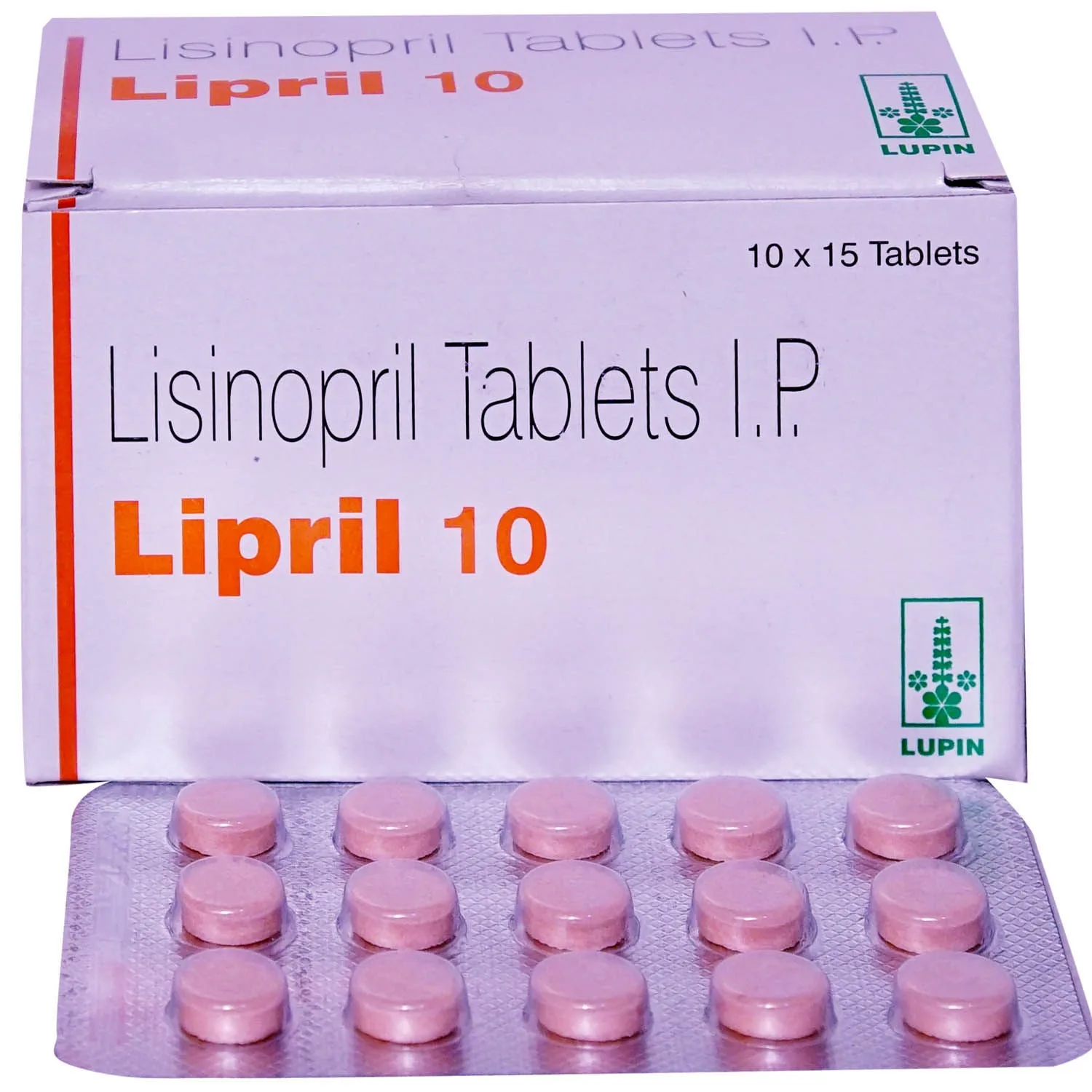
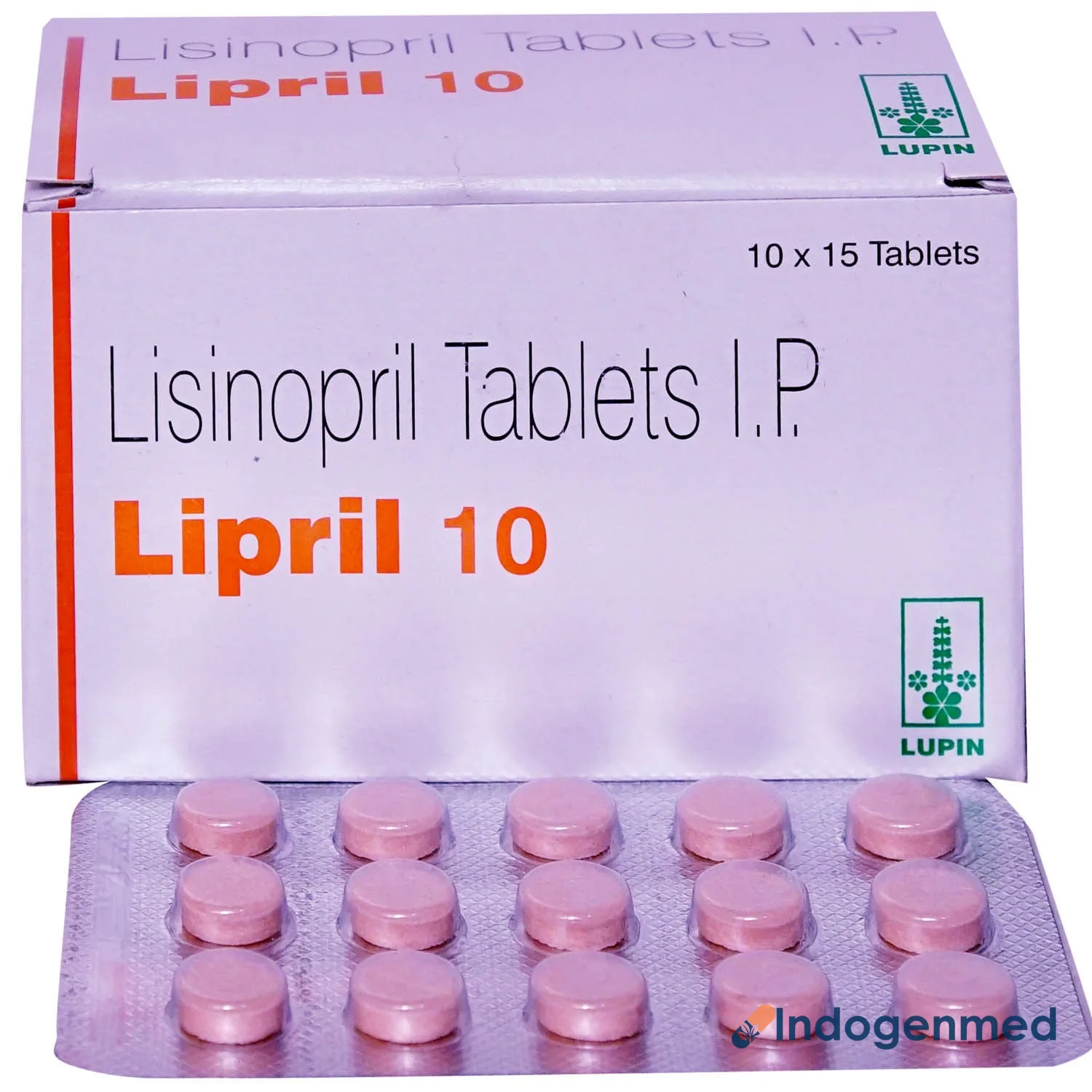
What Is Lipril 10 mg Tablet?
Lipril 10 mg Tablet contains lisinopril 10 mg, an angiotensin-converting enzyme (ACE) inhibitor of the lysine class. Lisinopril is a first-line antihypertensive and cardioprotective agent used across multiple cardiovascular and renal indications. Unlike many other ACE inhibitors, lisinopril is not a prodrug — it is active as administered, without requiring hepatic conversion to an active metabolite. The 10 mg dose is a widely used maintenance dose for hypertension (after initiation at 5 mg), a standard dose for chronic heart failure, and an important therapeutic level for post-myocardial infarction cardioprotection and diabetic nephropathy. Lipril is a branded Indian generic formulation of lisinopril providing access to ACE inhibitor therapy for patients requiring blood pressure control, heart failure management, or renal and cardiovascular protection in diabetes.
Mechanism of Action
Lisinopril acts through a well-characterised mechanism centred on blockade of the renin-angiotensin-aldosterone system (RAAS):
- ACE inhibition: Lisinopril competitively inhibits angiotensin-converting enzyme (ACE, kininase II), which converts angiotensin I to angiotensin II and also degrades bradykinin. By blocking ACE, lisinopril reduces circulating and tissue levels of angiotensin II — a potent vasoconstrictor and stimulator of aldosterone secretion — and simultaneously increases bradykinin levels (a vasodilator and natriuretic peptide).
- Haemodynamic effects: Reduced angiotensin II causes systemic arteriolar vasodilation (reducing peripheral vascular resistance and afterload), venous dilation (reducing preload), and reduced aldosterone-mediated sodium and water retention. The net result is a reduction in blood pressure without reflex tachycardia (unlike direct vasodilators), making lisinopril well tolerated haemodynamically.
- Renal effects: Angiotensin II preferentially constricts the efferent glomerular arteriole. By blocking this, lisinopril reduces intraglomerular hypertension, decreases proteinuria, and slows progression of diabetic and non-diabetic nephropathy — effects that are independent of and additional to its blood pressure-lowering action.
- Cardiac remodelling: In heart failure and post-MI settings, lisinopril inhibits pathological ventricular remodelling (hypertrophy, fibrosis, dilatation) driven by angiotensin II and aldosterone, improving long-term cardiac function and reducing mortality.
- Bradykinin accumulation — ACE inhibitor cough: Bradykinin is degraded by ACE; inhibiting ACE raises bradykinin levels, which is responsible for the class-specific dry, persistent cough that develops in a significant minority of patients (more common in Asian patients: 10–30%; lower in Caucasian patients: 5–10%).
Indications
- Hypertension: Treatment of essential hypertension as monotherapy or in combination with other antihypertensives (particularly thiazide diuretics and calcium channel blockers)
- Heart failure: Adjunctive therapy in symptomatic heart failure with reduced ejection fraction (HFrEF), to reduce mortality and hospitalisations
- Post-myocardial infarction: Short-term treatment initiated within 24 hours of acute MI to reduce mortality and prevent development of heart failure
- Diabetic nephropathy: Prevention of deterioration of renal function and reduction of proteinuria in normotensive or hypertensive patients with type 1 diabetes and diabetic nephropathy
Dosage and Administration
Key principle — indication-specific dosing: Lisinopril dosing differs substantially across its indications. The 10 mg dose is a standard maintenance dose for hypertension and an important level across cardiovascular and renal protection indications.
Hypertension
- Starting dose: 5–10 mg once daily (5 mg in patients at risk of hypotension: diuretic-treated, elderly, renal impairment)
- Lipril 10 mg once daily ← standard maintenance dose
- Titrate every 2–4 weeks based on blood pressure response
- Usual maintenance range: 10–40 mg once daily
- Maximum dose: 40 mg once daily (some guidelines up to 80 mg)
Heart Failure (HFrEF)
- Starting dose: 2.5–5 mg once daily (under close monitoring for hypotension, especially in diuretic-treated patients)
- Titrate every 2 weeks, targeting highest tolerated dose
- Lipril 10 mg once daily — common intermediate maintenance dose during titration
- Target dose (mortality evidence): up to 35 mg once daily (ATLAS trial)
Post-Myocardial Infarction
- Start within 24 hours of MI: 5 mg, then 5 mg at 24 hours, 10 mg at 48 hours
- Maintenance: 10 mg once daily ← Lipril 10 mg used here for at least 6 weeks
- If initial systolic BP <120 mmHg: initiate at 2.5 mg; if SBP <100 mmHg: withhold until haemodynamically stable
Diabetic Nephropathy
- Dose: 10 mg once daily ← Lipril 10 mg
- Increase to 20 mg if blood pressure not adequately controlled
Renal Impairment — Mandatory Dose Adjustment
Lisinopril is entirely renally eliminated without hepatic metabolism, making renal dose adjustment essential:
- eGFR ≥30 mL/min/1.73 m²: standard dosing (10–40 mg once daily)
- eGFR 10–29 mL/min/1.73 m²: starting dose 2.5–5 mg once daily; maximum 40 mg once daily with close monitoring
- eGFR <10 mL/min/1.73 m² (including haemodialysis patients): starting dose 2.5 mg once daily; adjust by response; lisinopril is dialysable
Hepatic Impairment
No dose adjustment is required for hepatic impairment since lisinopril is not metabolised by the liver and is excreted renally unchanged. This distinguishes it from prodrug ACE inhibitors such as enalapril and ramipril, which require hepatic activation.
Administration
Lisinopril may be taken at any time of day, with or without food — absorption is not affected by food. Once-daily dosing is appropriate and supports adherence. Blood pressure monitoring is advisable after the first dose and after each dose increase, particularly in high-risk patients (diuretic-treated, heart failure, sodium-depleted), who are at risk of first-dose hypotension.
Contraindications
- History of angioedema related to previous ACE inhibitor therapy or hereditary/idiopathic angioedema
- Hypersensitivity to lisinopril, any ACE inhibitor, or formulation excipients
- Pregnancy (all trimesters) — ACE inhibitors are absolutely contraindicated; foetotoxic in second and third trimesters (renal dysfunction, oligohydramnios, foetal hypotension, skull ossification defects, neonatal death)
- Concomitant use of aliskiren in patients with diabetes or renal impairment (eGFR <60 mL/min/1.73 m²)
- Concomitant use with sacubitril/valsartan (Entresto): risk of angioedema; a 36-hour washout between discontinuing sacubitril/valsartan and starting lisinopril is mandatory
Warnings and Precautions
Angioedema
Angioedema is a rare but potentially life-threatening adverse effect of ACE inhibitors, occurring in approximately 0.1–0.5% of patients. It may affect the face, lips, tongue, larynx, glottis, or intestines. Laryngeal angioedema is a medical emergency requiring immediate discontinuation of the ACE inhibitor, airway management, and administration of epinephrine if airway compromise occurs. Black patients are at higher risk (3–4× higher than white patients). Any episode of angioedema mandates permanent discontinuation of all ACE inhibitors. Angiotensin receptor blockers (ARBs) may be used as alternatives but are not entirely safe from angioedema in patients with ACE inhibitor-induced angioedema — specialist guidance is advisable.
Hypotension — First-Dose and Subsequent
Symptomatic hypotension can occur, particularly in patients with high renin states: volume-depleted patients (diuretic therapy, low-sodium diet, diarrhoea, vomiting), severe heart failure, renovascular hypertension, and patients on dialysis. First-dose hypotension risk is managed by initiating at 2.5–5 mg in high-risk patients and monitoring blood pressure and clinical status for the first 1–2 hours after initiation. Diuretic doses should be reduced before initiating lisinopril where possible.
Renal Function and Hyperkalaemia
ACE inhibitors reduce angiotensin II-mediated efferent arteriolar tone, which is the primary driving force for glomerular filtration in patients with bilateral renal artery stenosis or heart failure with low cardiac output. In such patients, lisinopril can precipitate acute kidney injury. Renal function should be checked before initiation and 1–2 weeks after initiation or dose change. A rise in serum creatinine of up to 30% from baseline is acceptable and expected; a rise >30% requires dose reduction and investigation for renal artery stenosis. Hyperkalaemia (serum potassium >5.5 mmol/L) can occur with ACE inhibitors, particularly in patients with renal impairment, diabetes, or on potassium-sparing diuretics or potassium supplements; electrolytes should be monitored.
Bilateral Renal Artery Stenosis
Lisinopril is contraindicated in bilateral renal artery stenosis or single functioning kidney with renal artery stenosis, as it may cause acute and irreversible renal failure in this setting.
Pregnancy
ACE inhibitors must be stopped as soon as pregnancy is confirmed and urgently if the patient becomes pregnant on therapy. Exposure in the second and third trimesters is associated with foetotoxicity: oligohydramnios (due to foetal renal failure), limb contractures, craniofacial deformities, neonatal hypotension, and neonatal death. First-trimester exposure may increase the risk of cardiac defects. Women of childbearing potential should be counselled about pregnancy risks before starting ACE inhibitor therapy and should use effective contraception.
Neutropenia / Agranulocytosis
Rare cases of neutropenia and agranulocytosis have been reported with ACE inhibitors, particularly in patients with collagen vascular diseases or renal impairment. Periodic white blood cell monitoring is advisable in high-risk patients.
Adverse Effects
- Very common (≥10%): Dry persistent cough (class effect of ACE inhibitors due to bradykinin accumulation; more common in Asian patients 10–30%, lower in others 5–10%); dizziness
- Common (1–10%): Headache, hypotension (including orthostatic), nausea, diarrhoea, fatigue, elevated serum creatinine and potassium (particularly in renal impairment), rash, impaired renal function
- Uncommon: Syncope, palpitations, angina, dysgeusia (taste disturbance), dyspepsia, abdominal pain, elevated liver enzymes, pruritus, urticaria, alopecia, hyperkalaemia, hyponatraemia
- Rare: Angioedema (face, tongue, larynx — medical emergency), hepatic failure, pancreatitis, toxic epidermal necrolysis, Stevens-Johnson syndrome, neutropenia, agranulocytosis, thrombocytopenia, haemolytic anaemia (in patients with G6PD deficiency)
Drug Interactions
Potassium-elevating drugs (additive hyperkalaemia risk):
- Potassium-sparing diuretics (spironolactone, eplerenone, amiloride, triamterene): additive hyperkalaemia; monitor potassium closely; combination may be used in heart failure under specialist supervision
- Potassium supplements: avoid unless specifically indicated; monitor potassium
- Other RAAS agents (ARBs, aliskiren): dual RAAS blockade increases hyperkalaemia, hypotension, and renal impairment risk; generally avoid; aliskiren contraindicated in diabetes or eGFR <60
- NSAIDs (ibuprofen, naproxen, diclofenac): reduce ACE inhibitor antihypertensive efficacy and increase risk of acute kidney injury; additive hyperkalaemia risk; avoid regular combined use in patients with hypertension or heart failure
- Trimethoprim and co-trimoxazole: additive hyperkalaemia risk
Hypotension-potentiating interactions:
- Diuretics: first-dose hypotension risk markedly increased; reduce diuretic dose before starting lisinopril or initiate at 2.5–5 mg
- Antihypertensives, nitrates, alpha-blockers, PDE-5 inhibitors (sildenafil, tadalafil): additive blood pressure lowering; monitor and counsel patients
- General anaesthetics: additive hypotension; inform anaesthetist of ACE inhibitor use; consider holding lisinopril on the day of elective surgery (controversial — discuss with specialist)
Drugs affecting renal function:
- NSAIDs: reduce renal prostaglandin synthesis and increase risk of ACE inhibitor-induced renal impairment; the “triple whammy” combination of ACE inhibitor + diuretic + NSAID carries a high risk of acute kidney injury and should be avoided
- Metformin: ACE inhibitor-induced renal impairment can increase metformin accumulation and lactic acidosis risk; monitor renal function closely
Other notable interactions:
- Lithium: ACE inhibitors can increase lithium levels by reducing renal lithium clearance; monitor lithium levels when initiating or changing lisinopril dose
- Sacubitril/valsartan: mandatory 36-hour washout before starting lisinopril to avoid additive ACE-inhibitory effect and increased angioedema risk
- Gold (sodium aurothiomalate): rare nitritoid reactions (facial flushing, nausea, hypotension) reported with IV gold and ACE inhibitors
- Antidiabetic agents (insulin, sulphonylureas): ACE inhibitors may enhance hypoglycaemic effect; glucose monitoring advisable after initiating lisinopril in diabetic patients
Use in Special Populations
Pregnancy: Absolutely contraindicated in all trimesters. ACE inhibitors are foetotoxic in the second and third trimesters and may increase cardiac defect risk in the first trimester. Discontinue immediately on confirmation of pregnancy. For management of hypertension in pregnancy, seek specialist input (methyldopa, labetalol, or nifedipine are preferred alternatives).
Breastfeeding: Lisinopril is not recommended during breastfeeding; it is excreted in breast milk. Alternative antihypertensives with established safety profiles in lactation should be used (e.g., nifedipine, labetalol).
Elderly: Renal function declines with age; monitor eGFR and potassium closely. Elderly patients are at greater risk of first-dose hypotension; initiate at 2.5–5 mg. The 10 mg maintenance dose is widely used in elderly patients once tolerability is established.
Renal impairment: As noted above, lisinopril’s entirely renal elimination makes dose adjustment and close monitoring essential. Renal function and electrolytes must be checked 1–2 weeks after initiation and after dose changes.
Diabetes: Lisinopril is recommended in diabetes with microalbuminuria or macroalbuminuria regardless of blood pressure, to reduce progression of nephropathy and cardiovascular risk. The 10 mg dose is the standard dose for diabetic nephropathy. Blood glucose may be modestly enhanced by ACE inhibitors; monitor glucose and HbA1c.
Storage
Store Lipril 10 mg Tablets below 30°C in a dry place away from moisture and direct sunlight. Keep in the original blister packaging. Store out of the reach and sight of children. Do not use after the expiry date printed on the outer packaging.
Related Products
References
- DailyMed. Lisinopril tablets — prescribing information. U.S. National Library of Medicine. Available at: https://dailymed.nlm.nih.gov/dailymed/
- MedlinePlus. Lisinopril. U.S. National Library of Medicine. Available at: https://medlineplus.gov/druginfo/meds/a692051.html
- Mayo Clinic. Lisinopril (Oral Route) — Description and Brand Names. Available at: https://www.mayoclinic.org/
- Electronic Medicines Compendium (EMC). Lisinopril 10 mg tablets — Summary of Product Characteristics. Available at: https://www.medicines.org.uk/emc/
- Pfeffer MA, et al. Effect of captopril on mortality and morbidity in patients with left ventricular dysfunction after myocardial infarction — results of the survival and ventricular enlargement trial. N Engl J Med. 1992;327(10):669–677. (SAVE trial — foundational ACE inhibitor post-MI evidence)

Reviews
There are no reviews yet.