Description
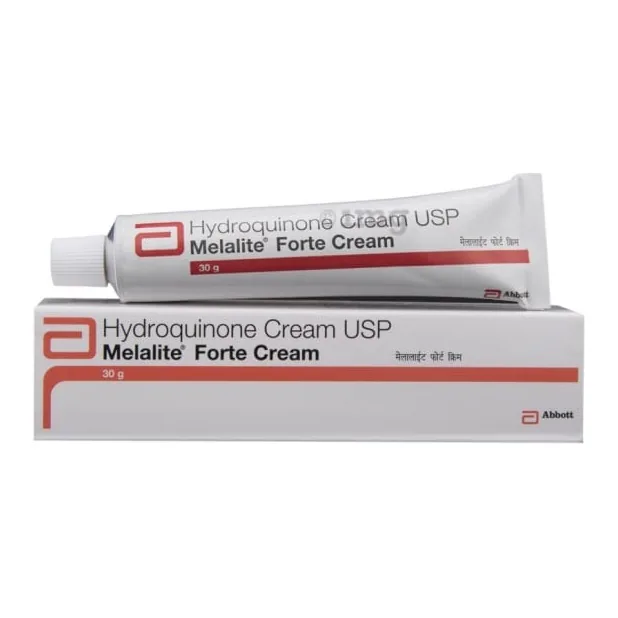
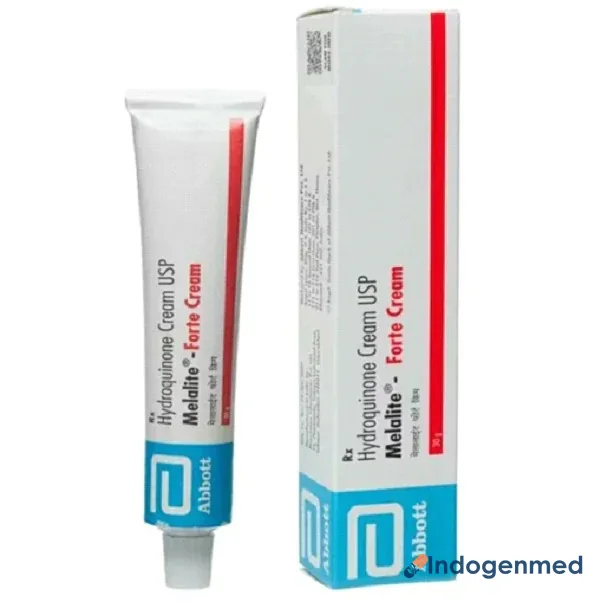
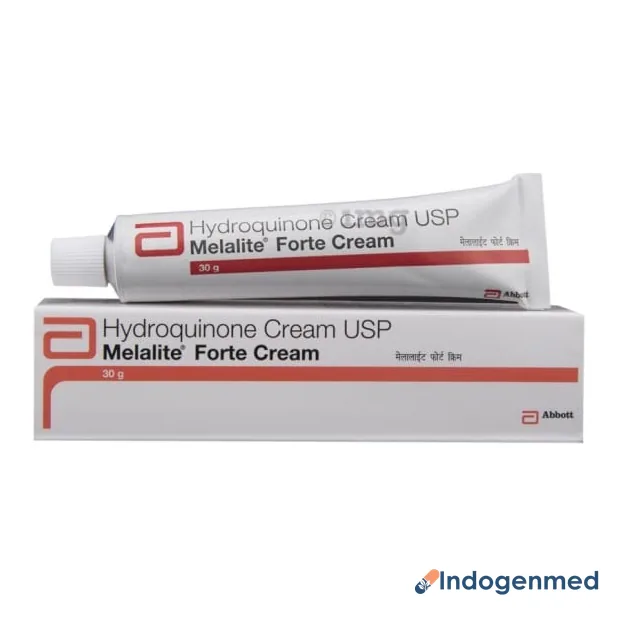
Melalite 4% 30 Gm Cream
Melalite 4% 30 Gm Cream contains hydroquinone 4% in a topical cream base. Hydroquinone is a skin-lightening (depigmenting) agent used to reduce the appearance of hyperpigmentation, such as melasma and post-inflammatory dark spots. It works by inhibiting melanin production in melanocytes. Results usually take several weeks of consistent use, and the cream does not remove deeper pigmentation or treat other skin conditions. Because of the safety concerns described below, it should only be used under medical or pharmacist supervision and for limited periods.
Composition
| Active Ingredient | Strength |
|---|---|
| Hydroquinone | 4% w/w (40 mg per gram) in a cream base |
About the Manufacturer
Manufacturer details are printed on the tube carton and in the patient information leaflet supplied with each pack. Check the leaflet for the current prescribing information and any local regulatory notices before use.
Mechanism of Action
Hydroquinone inhibits tyrosinase, the key enzyme in melanin synthesis, reducing the production of melanin in melanocytes. Over time, this lightens existing pigmented lesions. It can also be cytotoxic to melanocytes at higher concentrations, which is one reason for its restricted use and for the risks of long-term application described below.
Indications
- Treatment of hyperpigmentation, including melasma, under medical or pharmacist supervision
- Lightening of localised post-inflammatory hyperpigmentation
Dosage & Administration
- For external use only. Apply a thin layer to the affected area once or twice daily, as directed by your prescriber or pharmacist
- Apply to clean, dry skin and avoid the surrounding normal skin where possible
- Use daily sunscreen with broad-spectrum protection (UVA and UVB), as sun exposure can worsen pigmentation and reduce results
- Do not use continuously for longer than the period advised by your prescriber. Long-term use is not recommended because of the risk of ochronosis and skin changes
- Results typically take several weeks; if there is no improvement after the advised period, seek review rather than extending use
Special Populations
- Children: Not recommended for use in children without specialist advice
- Pregnancy: Not recommended unless clearly needed and advised by a doctor, as safety data are limited
- Breastfeeding: Avoid application to the breast area; discuss with a doctor before use
- Darker skin types: Higher risk of post-treatment hyperpigmentation or irritation; close supervision is advised
Precautions
- Ochronosis: Prolonged use can cause a bluish-black pigmentation (exogenous ochronosis), which can be permanent. Limit use and follow up with a clinician
- Regulatory status: Hydroquinone is restricted or banned in some countries and in some cosmetic products. Check local rules, and buy only from licensed sources
- Skin irritation and sensitisation: Redness, burning, dryness, or allergic contact dermatitis can occur. Stop use and seek advice if they develop
- Eyes and mucous membranes: Avoid contact. Rinse with water if contact occurs
- Test patch: Consider applying a small amount to a small area for 24 to 48 hours before full use
- Sun protection: Essential during and after treatment
Contraindications
- Known hypersensitivity to hydroquinone or any excipient in the cream base
- Broken, infected, or severely inflamed skin at the site of application
Side Effects
- Common: Mild irritation, redness, dryness, stinging, or burning at the application site
- Less common: Contact dermatitis, rash, itching, increased sensitivity to sunlight
- Rare: Exogenous ochronosis (bluish-black pigmentation), paradoxical hyperpigmentation, depigmentation of surrounding skin
- Seek medical help for: Spreading rash, blistering, persistent redness, or dark, bluish pigmentation developing in the treated area
Drug Interactions
- Topical retinoids and strong exfoliants: May increase irritation; use with caution and ask your prescriber about timing
- Other skin-lightening products (including those containing mercury or steroids): Avoid combining; mercury-containing products are unsafe
- Oxidising agents such as benzoyl peroxide: May cause discolouration of the treated skin
Storage
Store below 25°C in a dry place, away from direct sunlight and heat. Keep the tube tightly closed. Keep out of reach of children. Do not use after the expiry date printed on the tube.
Related Products
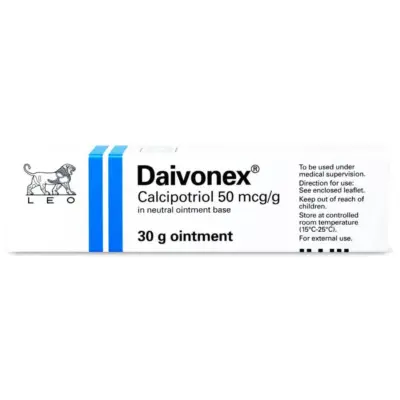
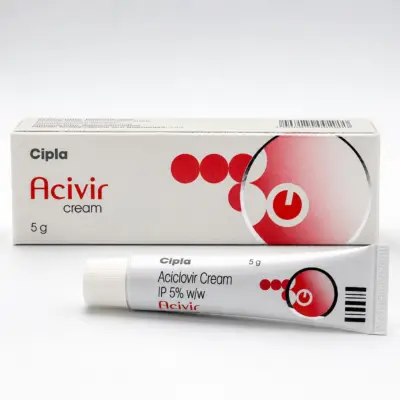
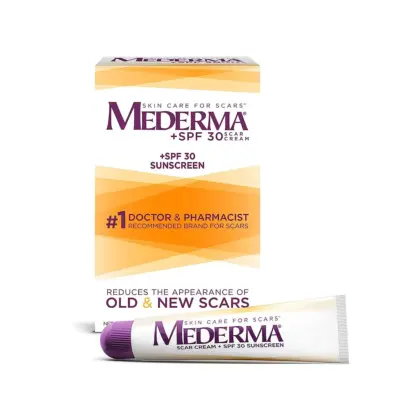
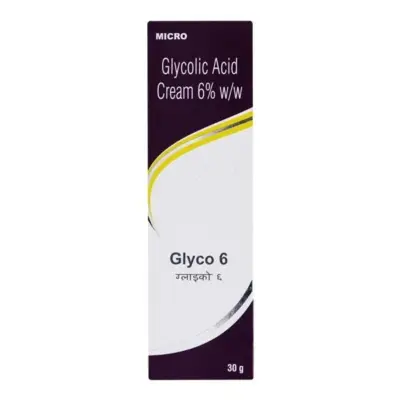
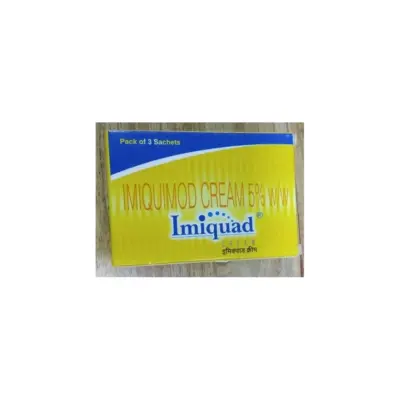
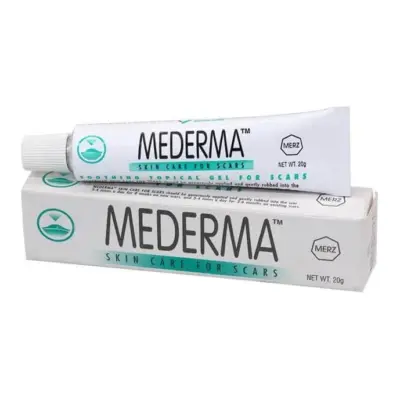
- Tacroz 0.03% 10 Gm – tacrolimus ointment for skin conditions
- Persol 2.5% 20 Gm Gel – topical treatment for skin conditions
- Erytop 1% 20 Gm Gel – topical erythromycin gel for acne
Frequently Asked Questions
- What is Melalite 4% used for?
- It is used to lighten dark patches of skin, such as melasma and dark spots left after inflammation. It is used under medical supervision and for limited periods, because of safety concerns with long-term use.
- How long does it take to work?
- Improvement usually takes several weeks. Consistent daily use together with sunscreen gives the best chance of results. If there is no visible change after the period advised by your doctor, do not extend use without review.
- Why do I need sunscreen?
- Sunlight stimulates melanin production, which can undo the cream’s effect and make pigmentation darker. Daily broad-spectrum sunscreen is essential during treatment.
- What is ochronosis?
- Ochronosis is a rare, sometimes permanent bluish-black discolouration of the skin caused by prolonged hydroquinone use. It is one of the main reasons the product should not be used continuously without medical review. Stop using the cream and see a doctor if you notice this change.
References
- NHS – Melasma
- MedlinePlus – Drug Information Index (hydroquinone topical)
- FDA – Drugs (hydroquinone prescribing information and regulatory notices)
- EMA – Medicines (hydroquinone regulatory status in cosmetic and medicinal products)
Disclaimer: This page is for informational purposes only and does not constitute medical advice. Melalite 4% 30 Gm Cream should be used only under the guidance of a qualified dermatologist or pharmacist, and only where legally available in your country. Stop use and seek medical advice if you notice dark bluish pigmentation, spreading irritation, or rash.
Reviews
There are no reviews yet.