Description
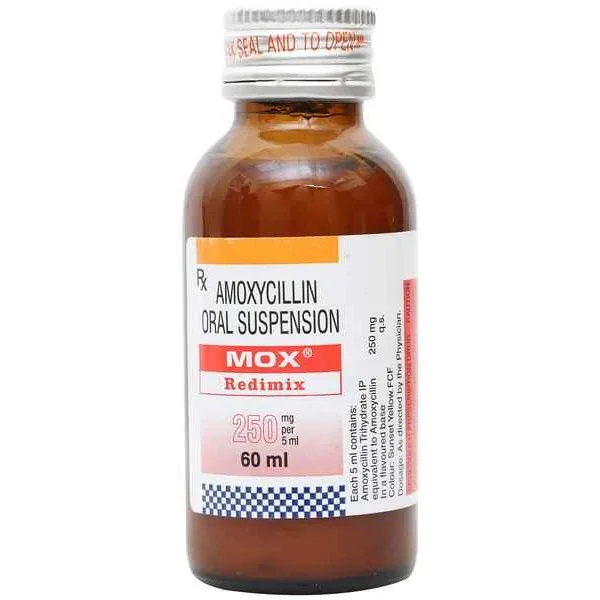
What Is Mox Dry 250 mg/60 ml Suspension?
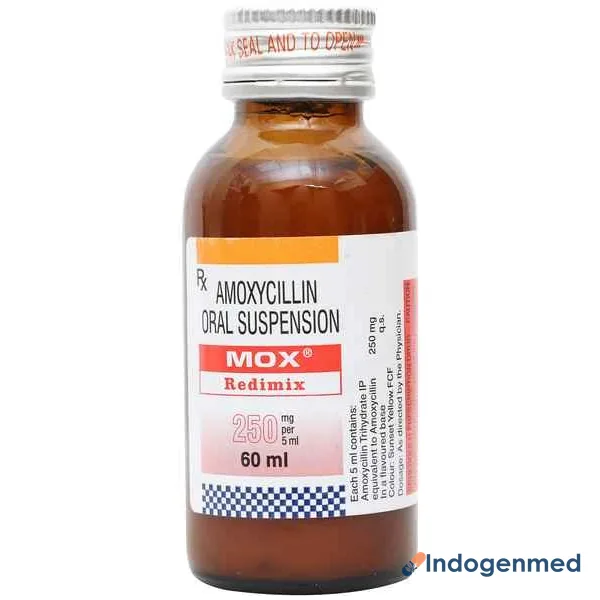
Mox Dry 250 mg/60 ml Suspension is an oral antibiotic preparation containing amoxicillin trihydrate — a broad-spectrum aminopenicillin antibiotic — in powder form for reconstitution as a suspension. When reconstituted with water as directed, each 5 ml of the suspension contains 250 mg of amoxicillin. This formulation is specifically designed for children and patients who cannot swallow tablets or capsules, making amoxicillin — one of the most widely prescribed antibiotics in the world — accessible for paediatric use. Mox Dry suspension is used to treat a wide range of bacterial infections including ear, nose, and throat infections, respiratory tract infections, urinary tract infections, and skin and soft-tissue infections caused by susceptible bacteria.
Amoxicillin is a first-line or preferred antibiotic for many common community-acquired bacterial infections. It was developed as an improvement on ampicillin, with better oral bioavailability (approximately 90% compared to 40% for ampicillin), and remains on the WHO Essential Medicines List as a core antibiotic for primary healthcare settings. The dry powder for suspension formulation offers an extended shelf life before reconstitution (typically 2 years) and a shorter usable period after reconstitution (usually 7–14 days), making it ideal for tropical climates and settings where refrigeration is limited before use.
Mechanism of Action
Beta-Lactam Inhibition of Peptidoglycan Synthesis
Amoxicillin belongs to the aminopenicillin class of β-lactam antibiotics. Its bactericidal action depends on binding to penicillin-binding proteins (PBPs) on the bacterial cell membrane — specifically the transpeptidases and carboxypeptidases responsible for the final cross-linking step in peptidoglycan biosynthesis. Peptidoglycan is the essential structural polymer of the bacterial cell wall that confers mechanical strength and maintains cell integrity against osmotic lysis.
Bacteriolysis
By covalently and irreversibly binding to the active site of PBPs, amoxicillin blocks peptidoglycan cross-link formation, leaving the growing bacterial cell wall with structural defects. These defects activate bacterial autolysins — enzymes that normally participate in regulated cell wall remodelling during cell division. With impaired new wall synthesis and continued autolytic activity, bacteria undergo osmotic lysis (bacteriolysis), resulting in bactericidal killing. This time-dependent, bactericidal mechanism means that optimising the time above minimum inhibitory concentration (T>MIC) — not peak drug concentration — drives therapeutic efficacy.
Spectrum of Activity
Amoxicillin has activity against a broad range of Gram-positive and Gram-negative bacteria: Streptococcus pyogenes, Streptococcus pneumoniae, Enterococcus faecalis, Listeria monocytogenes, Helicobacter pylori (in combination regimens), Haemophilus influenzae, Escherichia coli, Proteus mirabilis, Salmonella spp., and Shigella spp. It does not cover β-lactamase-producing strains of H. influenzae or E. coli, Staphylococcus aureus (unless used in combination with a β-lactamase inhibitor such as clavulanate), or Pseudomonas aeruginosa.
Indications
Ear, Nose, and Throat Infections
Amoxicillin is a first-line or guideline-preferred antibiotic for acute otitis media (AOM) in children — NICE, AAP, and WHO guidelines recommend it as first-line treatment. It is also used for streptococcal pharyngitis (Group A Streptococcus), acute bacterial sinusitis (when antibiotic therapy is indicated), and tonsillitis.
Respiratory Tract Infections
Community-acquired pneumonia (CAP) in children: amoxicillin is the first-line oral antibiotic for non-severe CAP in children in most national and international guidelines (including BTS and WHO). Used for mild-to-moderate lower respiratory tract infections caused by S. pneumoniae.
Urinary Tract Infections
Uncomplicated lower urinary tract infections (cystitis) in children, particularly those caused by susceptible E. coli or Proteus mirabilis. Due to increasing amoxicillin resistance among community E. coli isolates, local susceptibility patterns should guide empirical use.
Skin and Soft Tissue Infections
Mild-to-moderate skin and soft-tissue infections (impetigo, cellulitis) caused by susceptible streptococcal or staphylococcal organisms in children who are not allergic to penicillin.
Helicobacter pylori Eradication
Amoxicillin is a component of standard triple therapy for H. pylori eradication (combined with clarithromycin and a proton pump inhibitor) and of bismuth quadruple therapy, used for peptic ulcer disease associated with H. pylori infection.
Dosage and Administration
Reconstitution: Add the volume of cooled boiled water specified on the label to the dry powder. Shake vigorously until all powder is dissolved. This yields 60 ml of suspension at 250 mg/5 ml concentration. Use the oral syringe or measuring spoon provided to measure doses accurately.
Paediatric dosing (standard infections):
- Children 1 month–1 year (3–10 kg): 125 mg (2.5 ml) three times daily
- Children 1–5 years (10–18 kg): 250 mg (5 ml) three times daily
- Children 5–12 years (18–40 kg): 250–500 mg three times daily
Community-acquired pneumonia (higher dose): Up to 40–90 mg/kg/day in divided doses (depending on severity and guideline) — higher dose amoxicillin is recommended for CAP to overcome intermediate penicillin resistance in S. pneumoniae.
Adults: 250–500 mg three times daily for most infections; 1 g three times daily for severe infections.
Duration:
- Otitis media: 5–7 days (10 days for children under 2 or with severe disease)
- Streptococcal pharyngitis: 10 days
- Pneumonia: 5–7 days
- UTI: 3–7 days (uncomplicated paediatric)
Administration: Shake well before each use. May be taken with or without food. Store reconstituted suspension in the refrigerator and use within 7–14 days (see labelling). Discard any unused suspension after this period.
Contraindications
- Known hypersensitivity (allergy) to amoxicillin, any penicillin antibiotic, or severe hypersensitivity to any β-lactam antibiotic.
- Previous history of amoxicillin/penicillin-associated severe skin reactions (Stevens-Johnson syndrome, toxic epidermal necrolysis) or anaphylaxis.
Warnings and Precautions
Penicillin allergy and cross-reactivity: Serious and potentially fatal hypersensitivity reactions can occur. Take a full allergy history before prescribing. Cross-reactivity with cephalosporins is approximately 1–2% — use with caution in patients with cephalosporin allergy.
Infectious mononucleosis (glandular fever): Ampicillin and amoxicillin cause a characteristic non-allergic maculopapular rash in almost all patients with concurrent Epstein-Barr virus (EBV) infection (infectious mononucleosis). Avoid amoxicillin if mononucleosis is suspected or confirmed — the rash is not a true allergy but can be misdiagnosed as one.
C. difficile-associated diarrhoea: As with all antibiotics, amoxicillin can disrupt gut flora and precipitate C. difficile colitis. Consider this diagnosis in patients with diarrhoea during or after treatment.
Renal impairment: Reduce dose frequency in severe renal impairment (GFR <30 ml/min/1.73m²).
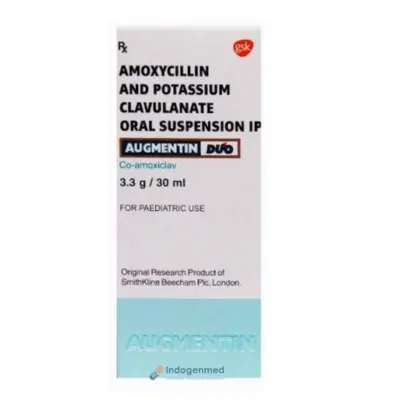
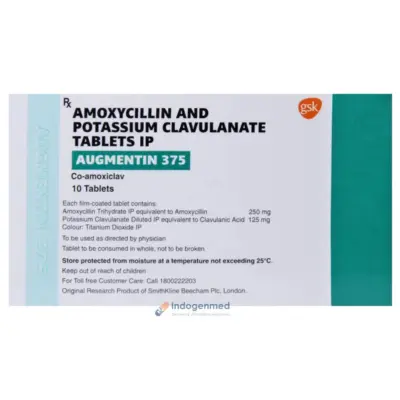
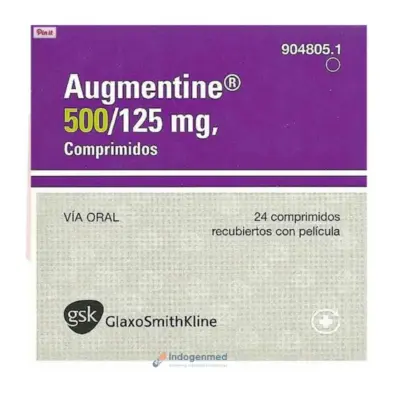
Resistance: Amoxicillin is inactive against β-lactamase-producing strains. When coverage of these organisms is needed, amoxicillin-clavulanate (co-amoxiclav) is preferred.
Adverse Effects
- Common (1–10%): Diarrhoea, nausea, skin rash (maculopapular, non-allergic rash is common, especially in viral illness).
- Uncommon: Vomiting, urticaria (true allergic rash), headache.
- Rare: Elevated liver enzymes, cholestatic jaundice (more common with amoxicillin-clavulanate than amoxicillin alone), pseudomembranous colitis.
- Very rare: Anaphylaxis, Stevens-Johnson syndrome, toxic epidermal necrolysis, haemolytic anaemia, thrombocytopenia, interstitial nephritis.
- Superinfection: Oral candidiasis (thrush) can develop, especially with prolonged use — consider prophylactic antifungal in susceptible patients.
Drug Interactions
- Warfarin and anticoagulants: Amoxicillin may potentiate anticoagulant effects by altering gut flora vitamin K production. Monitor INR closely in patients on warfarin during amoxicillin therapy.
- Methotrexate: Penicillins may reduce renal clearance of methotrexate, leading to increased methotrexate levels and risk of toxicity. Use with caution and consider monitoring methotrexate levels.
- Allopurinol: Concurrent use significantly increases the risk of ampicillin/amoxicillin-induced skin rash (up to 20%). This is not a true allergy but can be misinterpreted as one.
- Oral contraceptives: Broad-spectrum antibiotics may theoretically reduce oral contraceptive efficacy. Use additional contraceptive precautions during treatment.
- Probenecid: Reduces renal tubular secretion of amoxicillin, increasing and prolonging plasma concentrations — not usually clinically problematic.
Storage
Before reconstitution: Store below 30°C in a cool, dry place. Keep away from sunlight and moisture. Shelf life up to 2 years in original sealed packaging.
After reconstitution: Store in a refrigerator (2–8°C). Use within 7 days (some formulations up to 14 days — check the product label). Do not freeze. Shake well before each use. Discard remaining suspension after the stated period.
Keep out of reach of children. Do not use after the expiry date.
Related Products
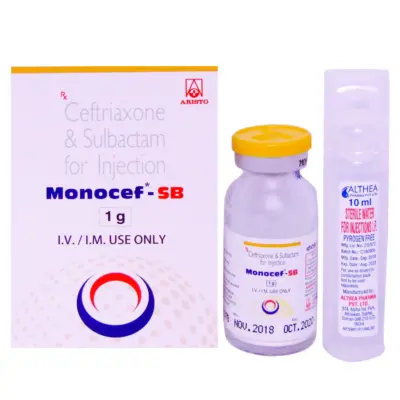
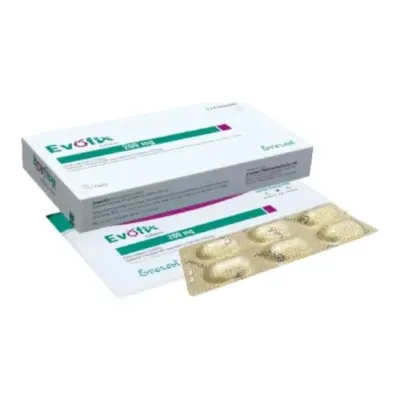
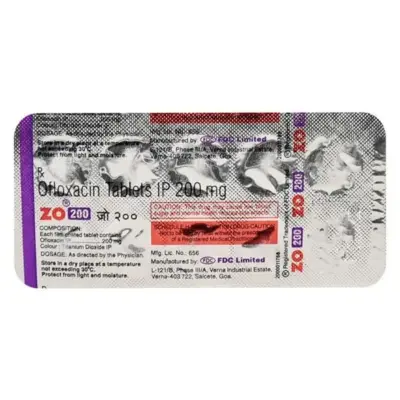
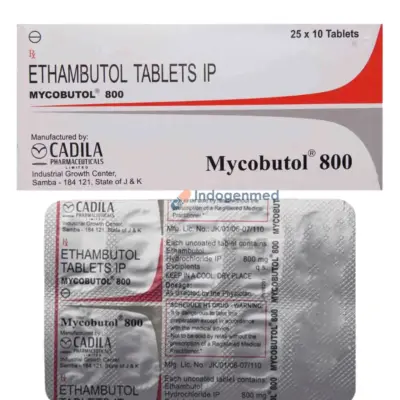
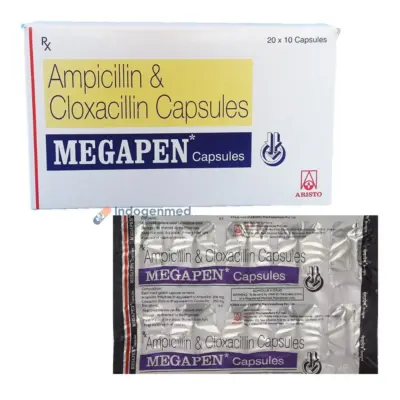
For respiratory, ear, and sinus infections where amoxicillin resistance from β-lactamase-producing organisms (H. influenzae, M. catarrhalis, S. aureus) is suspected or confirmed, a broader antibiotic may be required. Moxif 400 mg Tablets (moxifloxacin) provides broad-spectrum fluoroquinolone activity including atypical respiratory pathogens for adult patients. For intestinal parasitic co-infections in children in endemic regions — which can present alongside bacterial infections — Mebex 100 mg Tablets (mebendazole) addresses concurrent helminthic infection.
References
- U.S. Food and Drug Administration / DailyMed. Amoxicillin for Oral Suspension — Prescribing Information. National Library of Medicine. Available at: https://dailymed.nlm.nih.gov
- National Library of Medicine MedlinePlus. Amoxicillin. Available at: https://medlineplus.gov/druginfo/meds/a685001.html
- Mayo Clinic. Amoxicillin (Oral Route) — Description and Brand Names. Available at: https://www.mayoclinic.org
- Electronic Medicines Compendium (EMC). Amoxicillin 125 mg/5 ml Powder for Oral Suspension — Summary of Product Characteristics. Available at: https://www.medicines.org.uk/emc
- World Health Organization. WHO Model List of Essential Medicines — 23rd edition. WHO. 2023. Available at: https://www.who.int/publications/i/item/WHO-MHP-HPS-EML-2023.02
Reviews
There are no reviews yet.