Description
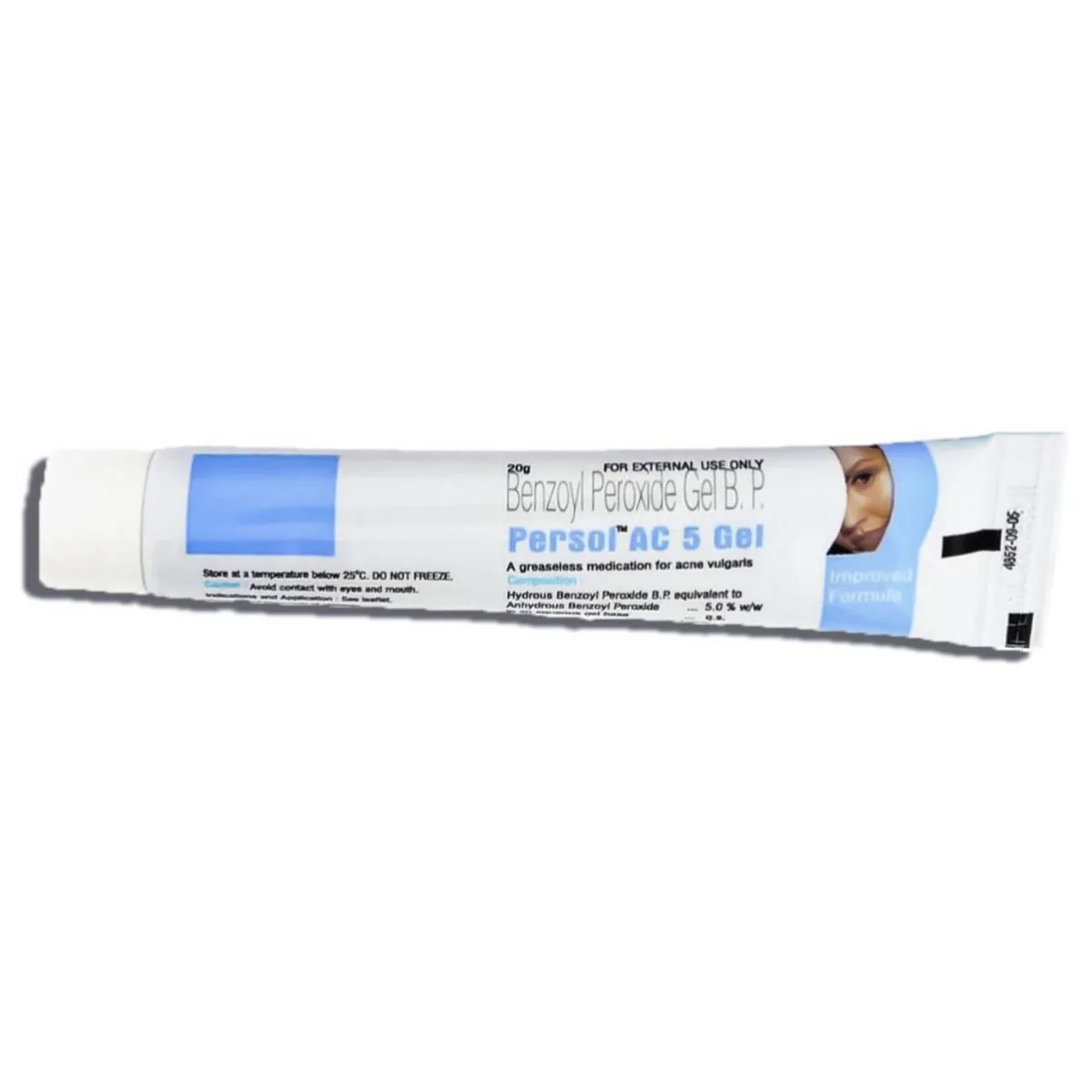
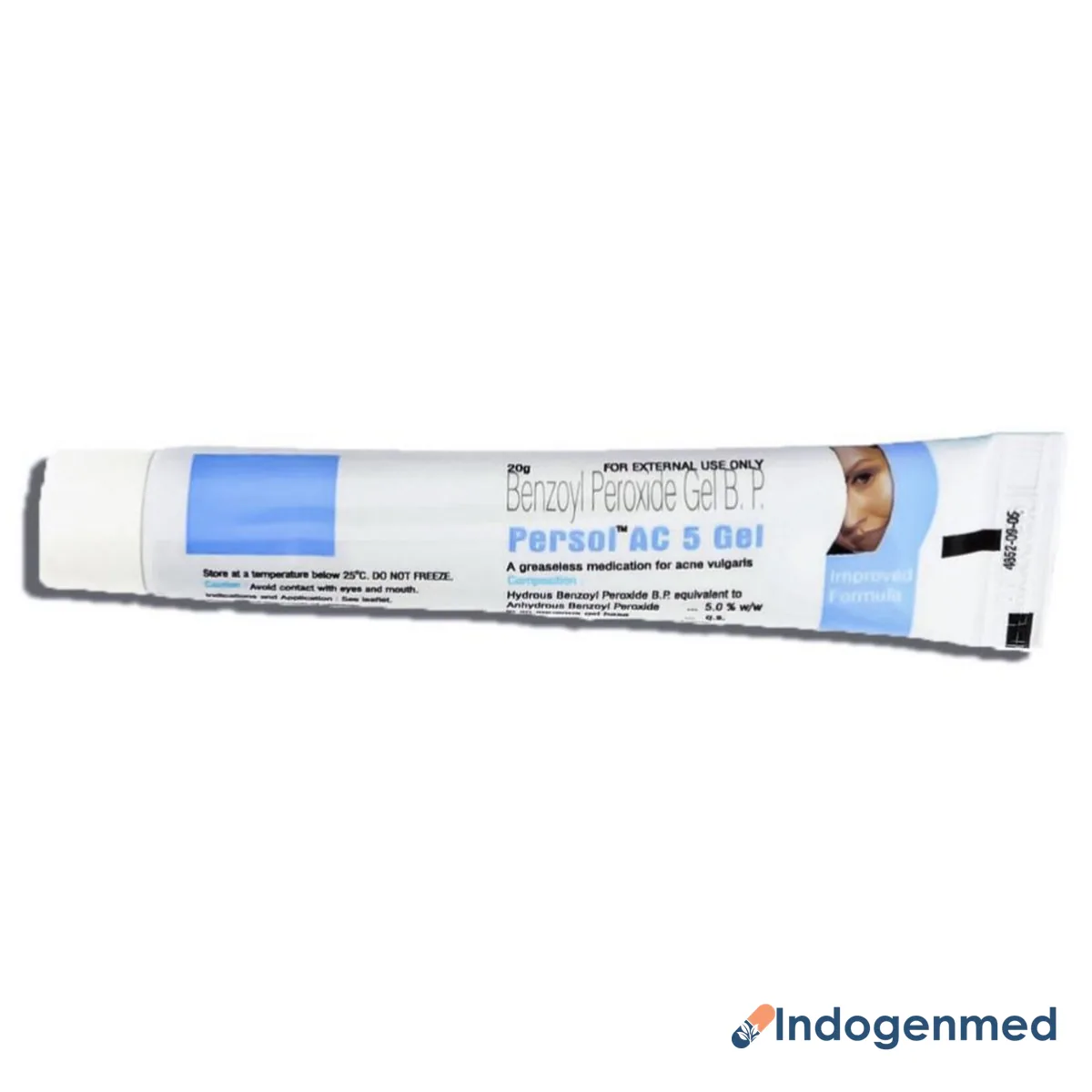
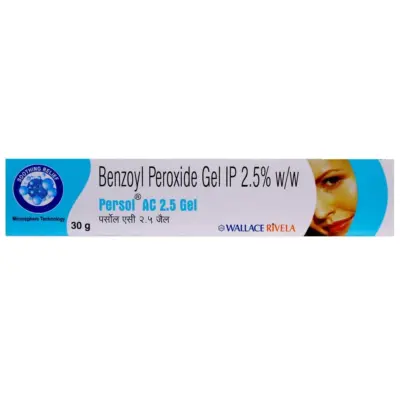
What Is Persol 5% Gel?
Persol 5% Gel contains benzoyl peroxide 5% in a topical gel formulation. Benzoyl peroxide is a first-line, evidence-based topical agent for acne vulgaris, available in concentrations ranging from 2.5% to 10%. The 5% concentration is widely regarded as the optimal balance between efficacy and tolerability — achieving similar acne reduction to 10% with significantly less skin irritation. Benzoyl peroxide acts as both an antibacterial agent and a keratolytic (mild peeling agent), and is unique among topical acne treatments in having no documented risk of inducing bacterial resistance after decades of widespread use. It is a component of international treatment guidelines (American Academy of Dermatology, European Dermatology Forum) for mild-to-moderate acne, and is recommended as monotherapy or in combination with topical retinoids and topical/oral antibiotics. Persol is a branded Indian generic formulation of benzoyl peroxide 5% gel widely available in IndoGenMed’s market.
Mechanism of Action
Benzoyl peroxide exerts its therapeutic effects through multiple complementary mechanisms:
- Antimicrobial activity: Benzoyl peroxide is a potent oxidising agent. It is rapidly reduced in the skin to benzoic acid, releasing reactive oxygen species (free radicals). These highly reactive oxygen intermediates are bactericidal against Cutibacterium acnes (formerly Propionibacterium acnes) — the primary pathogenic bacterium in acne vulgaris — through oxidation of bacterial membrane proteins and lipids. Crucially, benzoyl peroxide kills C. acnes through a non-antibiotic oxidative mechanism; therefore, no resistance has ever been documented, unlike topical antibiotics (clindamycin, erythromycin) where resistance rates now exceed 50% in many populations
- Keratolytic effect: Benzoyl peroxide promotes desquamation (shedding) of the follicular epithelium, reducing comedone (blackhead and whitehead) formation by preventing the impaction of keratinocytes and sebum that initiates the acne lesion. This mild peeling action helps to open blocked follicles and prevent new microcomedo formation
- Sebostatic effect: At higher concentrations, benzoyl peroxide has a modest sebum-reducing effect
- Resistance prevention: When used in combination with topical antibiotics (clindamycin, erythromycin), benzoyl peroxide prevents the emergence of antibiotic-resistant C. acnes strains. For this reason, guidelines strongly recommend that topical antibiotics should always be used with benzoyl peroxide and never as monotherapy
Indications
- Acne vulgaris (mild-to-moderate): Primary indication. Effective against inflammatory papules and pustules (through its bactericidal action against C. acnes) and comedonal acne (through its keratolytic action). The 5% concentration is typically used for mild-to-moderate inflammatory and mixed acne
- Acne maintenance therapy: Benzoyl peroxide 5% gel is recommended for long-term maintenance after a course of treatment to prevent relapse and maintain clearance — particularly important because, unlike topical antibiotics (which are limited to 3-month courses to prevent resistance), benzoyl peroxide can be used indefinitely
- Combination acne therapy: Used in combination with topical retinoids (adapalene, tretinoin) for enhanced efficacy targeting different pathogenic mechanisms simultaneously — benzoyl peroxide targets bacteria and superficial keratin plugs, while retinoids target follicular keratinisation and inflammation. The combination is a cornerstone of guideline-recommended acne treatment
- Adjunct to oral or topical antibiotics: Used concurrently with or alternating with topical antibiotics to prevent resistance induction. Many guidelines state: “if a topical antibiotic is used, benzoyl peroxide must be included in the regimen”
Dosage and Administration
Benzoyl peroxide 5% gel is a topical treatment applied to affected areas of skin, not a systemic medication.
How to Apply
- Wash the affected area gently with a mild, non-comedogenic cleanser and pat dry
- Apply a thin layer of Persol 5% Gel to the entire affected area (not just individual spots) once or twice daily as directed
- Allow to dry before applying other skincare or makeup products
- Wash hands after application
Dosing Schedule
- Initial use — start slowly: Apply once daily (preferably at bedtime, so skin can recover overnight) for the first 1–2 weeks, then increase to twice daily if tolerated. Starting at once daily markedly reduces initial irritation and dryness, improving adherence
- Established treatment: Once or twice daily to affected areas
- Maintenance: May be used indefinitely at once-daily or alternate-day dosing to maintain clearance
- Duration: Improvement typically seen at 4–6 weeks; full benefit at 8–12 weeks. Continue for at least 3 months before assessing treatment adequacy
Practical Tips
- Avoid the eyes, nostrils, mouth, and mucous membranes — rinse immediately if contact occurs
- Benzoyl peroxide bleaches fabrics — avoid contact with clothing, towels, and bed linen; use white or old towels
- Use non-comedogenic moisturiser to manage dryness and peeling, especially in the first weeks of use
- Apply sunscreen (SPF ≥30) during the day — benzoyl peroxide can increase photosensitivity
- Do not apply to broken, eczematous, or sunburned skin
Contraindications
- Known hypersensitivity or allergy to benzoyl peroxide or any formulation excipient
- Not intended for ophthalmic, oral, or intranasal use
- Avoid on acutely inflamed, broken, or eczematous skin
Warnings and Precautions
Skin Irritation and Dryness
Benzoyl peroxide commonly causes dryness, peeling, redness, and a burning or stinging sensation, especially on first use. These effects are concentration-dependent (5% causes less irritation than 10%) and reduce with continued use as the skin adapts. To minimise initial irritation: start with once-daily application, use a gentle non-comedogenic moisturiser, and reduce frequency temporarily if irritation is severe. If significant allergic contact dermatitis (oedema, urticaria, intense pruritus extending beyond the application site) develops, discontinue use — this is a true allergy, not an irritant effect.
Fabric and Hair Bleaching
Benzoyl peroxide is a potent bleaching agent. It will permanently discolour coloured fabrics, towels, and bed linen. Patients should allow the gel to dry completely before dressing, use white or old towels, and sleep on white or old pillowcases. Hair bleaching may occur if the product contacts the scalp or hair.
Photosensitivity
Benzoyl peroxide may increase sensitivity to sunlight. Apply a broad-spectrum sunscreen (SPF ≥30) daily during treatment, particularly to facial skin. Avoid prolonged sun exposure, sunbeds, or tanning lamps.
Interaction with Other Topicals
Avoid concomitant use with other potentially irritating topical products (tretinoin, adapalene, salicylic acid, alcohol-based products, astringents) on the same area at the same time — apply at different times of day (e.g., benzoyl peroxide in the morning, tretinoin at night) to avoid excessive irritation. Direct mixing of benzoyl peroxide with tretinoin on the skin inactivates tretinoin — use them at separate times.
Adverse Effects
- Very common (>10%): Skin dryness, peeling/desquamation, erythema, burning sensation — these are expected irritant effects, usually mild-to-moderate and transient with continued use
- Common (1–10%): Stinging, itching, oiliness or shininess, mild oedema at application site
- Uncommon: Allergic contact dermatitis (true allergy — characterised by oedema, blistering, or urticaria; requires discontinuation)
- Rare: Generalised urticaria or other systemic hypersensitivity reactions (very rare)
Drug Interactions (Topical)
- Tretinoin/adapalene (topical retinoids): Direct concurrent application inactivates tretinoin and increases irritation; apply at different times (benzoyl peroxide AM / tretinoin PM). Combination is clinically effective and guideline-endorsed when used at separate times
- Topical antibiotics (clindamycin, erythromycin): Combined use is beneficial — benzoyl peroxide prevents antibiotic resistance development and provides additive bactericidal activity. Fixed-dose combinations containing both are available. Sequential use is preferred where separate products are used
- Salicylic acid, alpha-hydroxy acids, alcohol-based products: Combined use increases skin irritation; use at separate times or reduce frequency
- Hydrogen peroxide: Avoid concurrent use — not additive; increased risk of skin irritation
Use in Special Populations
Pregnancy: Benzoyl peroxide is classified as a low systemic-exposure topical agent (approximately 2% of an applied dose is absorbed percutaneously). It is generally considered safe for topical use during pregnancy; no teratogenic effect has been documented. Use the minimum effective amount on small areas as a precaution.
Breastfeeding: Systemic absorption is minimal. Avoid application to the breast or nipple area during breastfeeding. No significant risk to breastfed infants from maternal topical use on other skin sites.
Children and adolescents: Benzoyl peroxide is widely used in adolescents (the most affected acne population). Start with once-daily application; monitor for irritation. Children under 12 years: use only under medical supervision.
Elderly: Acne is less common in the elderly; benzoyl peroxide is tolerated at standard doses but elderly skin may be more susceptible to dryness and irritation — use once daily with moisturiser.
Storage
Store Persol 5% Gel below 25°C, away from heat and direct sunlight. Keep the tube tightly closed when not in use. Do not freeze. Keep out of reach and sight of children. Do not use after the expiry date printed on the tube or carton.
Related Products
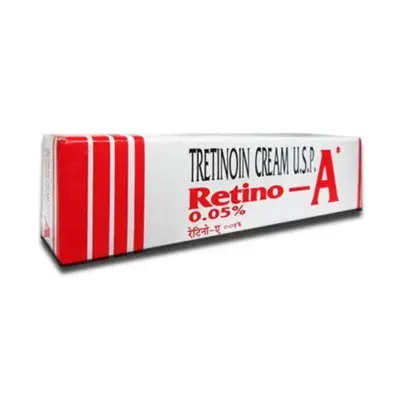
- Retino-A 0.05% Cream (tretinoin 0.05% — retinoid first-line for comedonal and inflammatory acne; classically combined with benzoyl peroxide in guideline-based regimens)
- Retino-A 0.025% Cream (tretinoin 0.025% — lower-strength retinoid for sensitive skin or those new to retinoid therapy)
References
- DailyMed. Benzoyl peroxide gel 5% — prescribing information. U.S. National Library of Medicine. Available at: https://dailymed.nlm.nih.gov/dailymed/
- MedlinePlus. Benzoyl Peroxide Topical. U.S. National Library of Medicine. Available at: https://medlineplus.gov/druginfo/meds/a601026.html
- Mayo Clinic. Benzoyl Peroxide (Topical Route) — Description and Brand Names. Available at: https://www.mayoclinic.org/
- Electronic Medicines Compendium (EMC). Benzoyl peroxide 5% gel — Summary of Product Characteristics. Available at: https://www.medicines.org.uk/emc/
- Zaenglein AL, et al. Guidelines of care for the management of acne vulgaris. J Am Acad Dermatol. 2016;74(5):945–973. (American Academy of Dermatology)
Reviews
There are no reviews yet.