Description
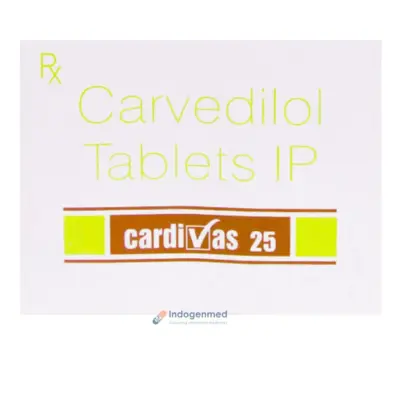
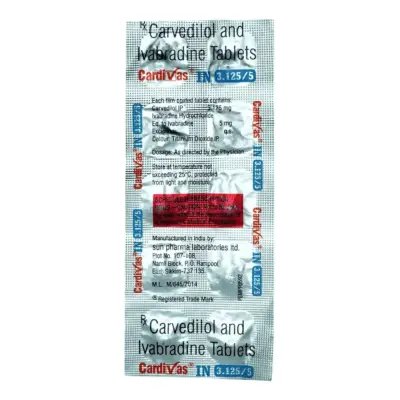
What are Cardivas CR 40 Mg Tablets?
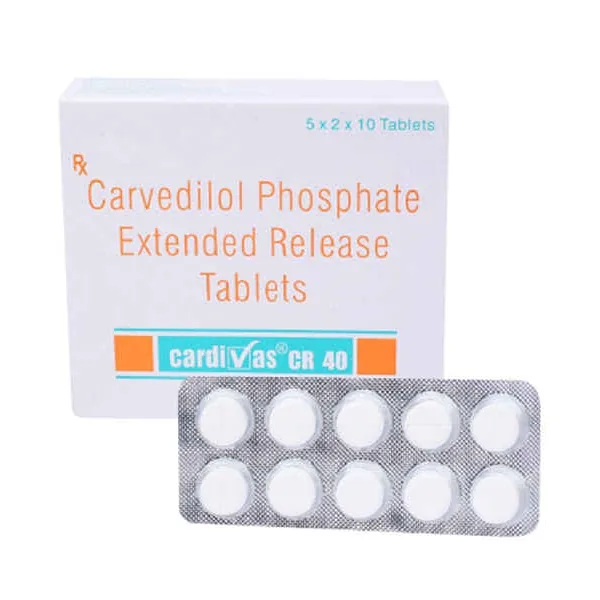
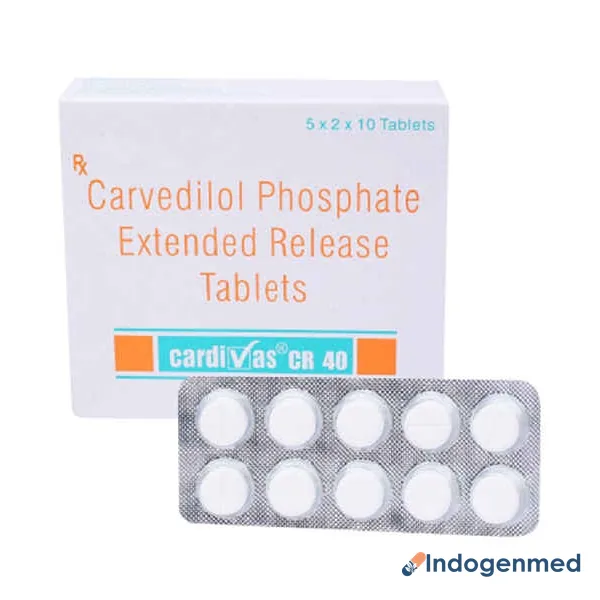
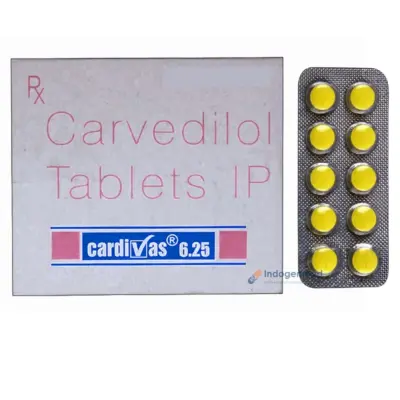
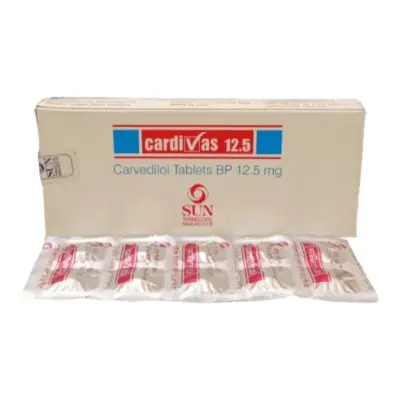
Cardivas CR 40 Mg Tablets contain Carvedilol 40 mg in a Controlled Release (CR) formulation. Carvedilol is a dual-action cardiovascular medicine that blocks both alpha-1 and beta (β1 and β2) adrenergic receptors in the heart and blood vessels. This unique dual-blockade mechanism lowers blood pressure, reduces the workload on the heart, and protects cardiac muscle — benefits not offered by single-mechanism beta-blockers alone.
Cardivas CR 40 Mg Tablets are manufactured by Sun Pharmaceutical Industries Ltd., one of India’s largest and most internationally accredited pharmaceutical companies. Each film-coated CR tablet is formulated for once-daily administration, releasing carvedilol gradually over 24 hours to maintain stable blood levels and minimise peak-dose side effects such as dizziness.
Prescription only (Rx). Use only under a doctor’s supervision. Do not start, stop, or change the dose without medical advice. Never stop this medicine abruptly — sudden withdrawal may cause dangerous rebound effects including worsening angina or heart attack.
What Does “CR” Mean?
CR stands for Controlled Release — a tablet technology that slowly releases the active ingredient throughout the day rather than all at once.
- Immediate-release carvedilol must be taken twice daily and produces rapid peaks in blood levels that can cause dizziness or low blood pressure shortly after each dose.
- Cardivas CR releases carvedilol steadily over 24 hours, enabling once-daily dosing and maintaining smoother, more consistent blood levels throughout the day and night. This translates to better tolerability and, for many patients, improved adherence.
The CR tablet should be swallowed whole with food — do not crush, chew, or split it, as doing so would destroy the controlled-release mechanism and deliver the full dose immediately.
Composition
| Component | Detail |
|---|---|
| Active ingredient | Carvedilol 40 mg |
| Formulation type | Controlled Release (CR) oral tablet |
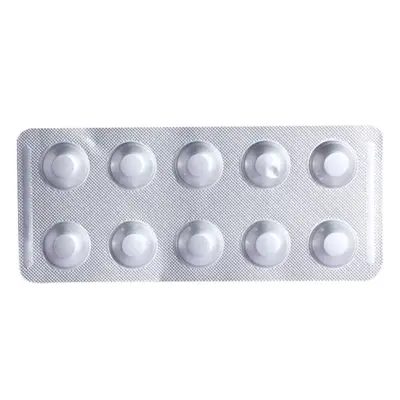
| Pack size | 10 tablets per strip |
| Manufacturer | Sun Pharmaceutical Industries Ltd., India |
| Medicine type | Generic (Rx — prescription required) |
About Sun Pharmaceutical Industries Ltd.
Sun Pharmaceutical Industries Ltd. is India’s largest pharmaceutical company by revenue and the fourth-largest speciality generic pharmaceutical company globally. Headquartered in Mumbai, Sun Pharma operates manufacturing facilities across India, USA, Canada, and other countries — the majority of which have received regulatory approval from the US FDA, the UK MHRA, and comparable international bodies. The company is listed on the BSE and NSE and supplies medicines to more than 100 countries worldwide.
How Carvedilol Works
Carvedilol is classified as a non-selective beta-blocker with additional alpha-1 adrenergic receptor blocking activity. Its cardiovascular effects arise from three complementary actions:
Step 1 — Alpha-1 Receptor Blockade: Vasodilation
Carvedilol blocks alpha-1 adrenoceptors in the walls of peripheral blood vessels. This prevents the binding of noradrenaline (norepinephrine), causing the vessel walls to relax (vasodilation). Vasodilation reduces systemic vascular resistance — the “afterload” the heart must pump against — lowering blood pressure without triggering the reflex rapid heartbeat (reflex tachycardia) that pure alpha-blockers can cause.
Step 2 — Beta-1 Receptor Blockade: Reduced Cardiac Workload
By blocking beta-1 adrenoceptors in the heart, carvedilol reduces heart rate (negative chronotropy) and the force of each contraction (negative inotropy). This decreases myocardial oxygen demand — a critical benefit in heart failure and angina — and also lowers blood pressure by reducing cardiac output.
Step 3 — Long-Term Cardioprotective Remodelling
In chronic heart failure, sustained neurohormonal activation (excess adrenaline and noradrenaline) progressively damages the myocardium. By blocking both alpha-1 and beta receptors, carvedilol dampens this harmful neurohormonal drive. Over months of treatment, carvedilol has been shown in large clinical trials to reverse adverse cardiac remodelling — improving left ventricular ejection fraction, reducing heart size, and significantly reducing the risk of death and hospitalisation in patients with systolic heart failure.
Additional Property: Antioxidant Activity
Unlike most beta-blockers, carvedilol also has free-radical scavenging (antioxidant) activity. This may contribute additional cardioprotection beyond its receptor-blocking effects, although the clinical significance is still being studied.
Indications: When Is Cardivas CR 40 Prescribed?
Doctors prescribe Cardivas CR 40 Mg Tablets for the following conditions, always as part of a comprehensive treatment plan:
- Hypertension (high blood pressure): As monotherapy or in combination with other antihypertensives to reduce systolic and diastolic blood pressure and the associated risk of stroke, heart attack, and kidney disease.
- Chronic heart failure with reduced ejection fraction (HFrEF / systolic heart failure): Carvedilol is one of only three beta-blockers proven in large randomised trials (COPERNICUS, US Carvedilol HF Program) to reduce all-cause mortality and hospitalisation in stable systolic heart failure. It is used alongside ACE inhibitors/ARBs and diuretics, not as a replacement.
- Left ventricular dysfunction following myocardial infarction (post-MI LV dysfunction): After a heart attack, carvedilol reduces the risk of further cardiac death and recurrent cardiovascular events in patients with left ventricular impairment, even in the absence of overt heart failure symptoms.
- Angina pectoris (stable angina): By reducing heart rate and contractility, carvedilol lowers the heart’s oxygen demand, reducing the frequency and severity of angina episodes. Note: Some carvedilol formulations are not licensed for angina in all markets — the prescribing doctor will confirm suitability.
The exact indication, dose, and duration for your treatment will be determined by your doctor based on your diagnosis, clinical status, and other medicines you are taking.
Dosage and Administration
Cardivas CR 40 Mg must be taken ONCE DAILY WITH FOOD (to slow absorption and reduce the risk of dizziness or low blood pressure when standing up). Swallow whole — do not crush, chew, or halve the tablet.
Typical dosing for CR carvedilol (all once-daily regimens):
| Indication | Starting Dose (CR) | Target / Maintenance Dose (CR) | Notes |
|---|---|---|---|
| Hypertension | 20 mg once daily | 40 mg once daily (may increase after 1–2 weeks if tolerated) | Maximum dose: 80 mg once daily |
| Chronic heart failure (stable) | 10 mg once daily for 2 weeks | Uptitrate every 2 weeks: 10 → 20 → 40 → 80 mg; target 40–80 mg once daily based on tolerance | Patient must be clinically stable before starting; slow titration is essential |
| Post-MI left ventricular dysfunction | 10–20 mg once daily | Uptitrate to 40 mg once daily as tolerated | Initiated after haemodynamic stabilisation |
Never stop Cardivas CR abruptly. Sudden discontinuation of any beta-blocker — especially in patients with coronary artery disease — can trigger rebound angina, serious cardiac arrhythmias, or myocardial infarction. If stopping is necessary, the dose should be gradually reduced over 1–2 weeks under medical supervision.
Special Populations
Renal Impairment
No dose adjustment is required for patients with impaired kidney function. Carvedilol is predominantly metabolised in the liver, and only negligible amounts are excreted unchanged in urine. However, patients with renal impairment may be more sensitive to the blood-pressure-lowering effects; clinical monitoring is advised.
Hepatic (Liver) Impairment
Contraindicated in severe hepatic impairment. Carvedilol is extensively metabolised by the liver (via CYP2D6 and CYP2C9 enzymes). Severe liver disease greatly increases carvedilol exposure and the risk of serious side effects. Mild-to-moderate hepatic impairment requires caution and possible dose reduction — use only under specialist guidance.
Elderly Patients
Older adults may experience greater blood-pressure-lowering effects and are at higher risk of dizziness and falls, particularly on standing (orthostatic hypotension). Therapy should start at the lowest effective dose and be titrated slowly, with regular blood pressure and heart rate monitoring.
Paediatric Use
The safety and efficacy of carvedilol CR in children under 18 years have not been established. It is not recommended for use in this age group unless specifically directed by a paediatric cardiologist.
Pregnancy (Category C)
Animal studies have shown potential adverse effects on the foetus. No adequate, well-controlled human studies are available. Cardivas CR should be used during pregnancy only if the potential benefit to the mother clearly justifies the potential risk to the foetus. Beta-blockers used near term can cause foetal and neonatal bradycardia, hypotension, hypoglycaemia, and respiratory depression; neonates should be monitored after delivery. Inform your doctor immediately if you are pregnant or plan to become pregnant.
Breastfeeding
It is not known whether carvedilol passes into human breast milk in significant quantities. Breastfeeding is not recommended during treatment. Discuss the risks and benefits with your doctor.
Precautions and Warnings
- Asthma and severe reactive airway disease: Carvedilol’s non-selective beta-2 blockade can provoke life-threatening bronchospasm. It must not be used in patients with asthma or severe chronic obstructive pulmonary disease (COPD) unless no alternative exists and under close specialist supervision. Patients with mild-to-moderate COPD should be monitored carefully.
- Bradycardia: Carvedilol can slow the heart rate. If resting heart rate falls below 55 beats per minute, the dose should be reduced. Contact your doctor immediately if you feel your heart is beating very slowly, or if you experience unusual fatigue, light-headedness, or near-fainting.
- Low blood pressure (hypotension): Particularly orthostatic hypotension (dizziness on standing) can occur, especially after the first dose or after dose increases. Sitting or standing slowly reduces this risk. Falls risk is increased, particularly in elderly patients.
- Diabetes mellitus: Beta-blockers may mask the warning signs of hypoglycaemia (low blood sugar), particularly tachycardia. Sweating, a non-adrenergic symptom, is usually preserved. Patients with diabetes on insulin or oral hypoglycaemics should monitor blood glucose more frequently during Cardivas CR therapy and at every dose change.
- Peripheral arterial disease: Non-selective beta-blockade may worsen symptoms of peripheral arterial disease (e.g., Raynaud’s phenomenon, claudication). Use with caution; monitor peripheral perfusion.
- Thyrotoxicosis: Carvedilol may mask the symptoms of overactive thyroid (e.g., rapid heart rate). Abrupt withdrawal in a patient with undiagnosed hyperthyroidism can precipitate thyroid storm.
- First-degree heart block: Use with caution. Do not use in second- or third-degree block (unless a functioning pacemaker is in place).
- Pheochromocytoma: Carvedilol may be used only after adequate alpha-adrenergic blockade has been established. Using a beta-blocker alone in pheochromocytoma can cause paradoxical severe hypertension.
- Surgery and anaesthesia: Inform your anaesthetist that you are taking a beta-blocker. Cardivas CR therapy is generally continued up to surgery; interactions with anaesthetic agents and muscle relaxants require careful haemodynamic monitoring.
- Contact lens wearers: Beta-blockers may reduce tear production; contact lens wearers should monitor for dry eye symptoms.
Contraindications
Cardivas CR 40 Mg Tablets must not be used in patients with:
- Known hypersensitivity to carvedilol or any component of the formulation
- Decompensated heart failure requiring intravenous inotropic therapy
- Clinically significant bradycardia (resting heart rate <50 bpm)
- Second- or third-degree atrioventricular (AV) block (without a functioning pacemaker)
- Sick sinus syndrome (without a functioning pacemaker)
- Cardiogenic shock
- Severe hepatic impairment
- Bronchial asthma or a history of asthma
- Severe reactive airway disease / severe obstructive airway disease
- Metabolic acidosis
- Severe peripheral arterial disease or uncontrolled Raynaud’s syndrome
- Untreated phaeochromocytoma
Side Effects
Like all medicines, Cardivas CR 40 Mg may cause side effects, although not everyone experiences them. The controlled-release formulation generally reduces the incidence and severity of peak-related side effects compared to immediate-release carvedilol.
Common Side Effects (may affect up to 1 in 10 people)
- Dizziness or light-headedness, especially when standing up quickly (orthostatic hypotension)
- Fatigue and lack of energy
- Slow heart rate (bradycardia)
- Headache
- Nausea, vomiting, or diarrhoea
- Peripheral oedema (swelling of ankles and feet)
- Weight gain
- Cold extremities (hands and feet)
Less Common Side Effects (may affect up to 1 in 100 people)
- Worsening of pre-existing heart failure symptoms
- Hypoglycaemia (low blood sugar), particularly in diabetic patients
- Visual disturbances or dry eyes
- Sleep disturbances, vivid dreams, or depression
- Erectile dysfunction (male patients)
- Raised blood creatinine or worsening renal function (in patients with underlying renal disease or severe heart failure)
Rare but Serious — Seek Immediate Medical Help
- Severe bronchospasm (difficulty breathing, wheezing) — particularly in susceptible patients
- Severe AV block or cardiac arrest
- Severe skin reactions (including Stevens-Johnson syndrome — blistering, peeling skin)
- Thrombocytopenia (low platelet count — unusual bruising or bleeding)
- Allergic reaction (rash, swelling of face, lips, tongue, or throat; anaphylaxis)
If you notice any side effects not listed here, or if a listed side effect worsens or concerns you, contact your doctor or pharmacist.
Drug Interactions
Tell your doctor and pharmacist about all medicines you are taking — including prescription medicines, over-the-counter products, vitamins, and herbal supplements — before starting Cardivas CR. Important interactions include:
- Calcium channel blockers (verapamil, diltiazem): Combining with carvedilol substantially increases the risk of severe bradycardia, AV block, and heart failure. Intravenous verapamil or diltiazem must not be given to patients on carvedilol. Oral non-dihydropyridine CCBs require close monitoring; specialist supervision is essential.
- Digoxin: Carvedilol increases digoxin plasma concentrations by approximately 15–16%. Both medicines also slow the heart rate. When carvedilol is initiated or the dose changed, digoxin levels should be checked and heart rate monitored closely.
- Antidiabetic medicines (insulin, metformin, sulfonylureas, DPP-4 inhibitors): Carvedilol may potentiate the blood-glucose-lowering effect and mask tachycardia — the earliest and most recognisable symptom of hypoglycaemia. Patients with diabetes need more frequent blood glucose monitoring during carvedilol therapy.
- Clonidine (antihypertensive): If both medicines need to be stopped, the beta-blocker (carvedilol) must be withdrawn several days before gradually tapering clonidine, to avoid life-threatening rebound hypertension.
- CYP2D6 inhibitors (fluoxetine, paroxetine, quinidine, amiodarone): These inhibit the primary hepatic enzyme responsible for carvedilol metabolism, leading to increased carvedilol exposure and risk of bradycardia or hypotension. Monitor closely when these are co-administered.
- Rifampicin: A potent CYP inducer that significantly reduces carvedilol plasma levels, potentially reducing its therapeutic effect. Consider dose adjustment and monitoring.
- Other antihypertensives, diuretics, or nitrates: Additive blood-pressure-lowering effects increase the risk of symptomatic hypotension. Dose adjustment of one or more agents may be required.
- General anaesthetics: Beta-blockers potentiate the hypotensive effects of most general anaesthetics. The anaesthetist must be informed that the patient is taking carvedilol.
- NSAIDs (ibuprofen, naproxen): May reduce the antihypertensive effect of carvedilol and worsen fluid retention; avoid regular use where possible.
- Monoamine oxidase inhibitors (MAOIs): Concurrent use should be avoided due to risk of severe hypertension or hypotension.
Storage Instructions
- Store below 30°C (86°F) in a cool, dry place.
- Protect from light and moisture. Do not store in a bathroom or above a kitchen sink.
- Keep in the original strip packaging until use.
- Keep all medicines out of the sight and reach of children.
- Do not use after the expiry date printed on the strip or carton.
- Do not dispose of medicines in wastewater or household waste. Ask your pharmacist how to dispose of unused medicines.
Related Products
Patients managing cardiovascular and metabolic conditions may also be interested in:
- Bigomet 500 Mg Tablets (Metformin) — widely used first-line medicine for type 2 diabetes, which frequently coexists with hypertension and heart failure.
- Bigomet 250 Mg Tablets (Metformin 250 mg) — lower-strength option for patients beginning metformin therapy or requiring dose titration.
- Ceebis 20 Mg Tablets (Tadalafil) — prescribed for pulmonary arterial hypertension in eligible patients; note important interactions with antihypertensives.
Frequently Asked Questions (FAQs)
1. Can I take Cardivas CR 40 Mg on an empty stomach?
No. Cardivas CR 40 Mg must be taken with food. Taking the tablet with a meal slows the rate of carvedilol absorption, which significantly reduces the risk of orthostatic hypotension (dizziness when standing). The CR formulation is designed to be taken once daily with the same meal each day for consistency.
2. Can I stop taking Cardivas CR if I feel better?
No — never stop Cardivas CR 40 Mg suddenly without your doctor’s advice. Abrupt withdrawal of carvedilol — particularly in patients with coronary artery disease or angina — can trigger a dangerous rebound effect including worsening chest pain, cardiac arrhythmias, or myocardial infarction (heart attack). If stopping is necessary for any reason, your doctor will reduce the dose gradually over 1–2 weeks while monitoring your heart and blood pressure closely.
3. What is the difference between Cardivas CR and regular (immediate-release) carvedilol?
Both products contain carvedilol and have the same clinical effects, but they differ in how the drug is released. Immediate-release carvedilol must be taken twice daily and can cause more pronounced dizziness shortly after each dose. Cardivas CR releases carvedilol gradually over 24 hours, allowing once-daily dosing and producing more stable blood levels — which means fewer peak-related side effects and, for many patients, easier adherence to therapy. The two formulations are not interchangeable on a milligram-for-milligram basis; conversion must be supervised by a doctor.
4. I have type 2 diabetes. Is it safe to take Cardivas CR?
Cardivas CR can be used in patients with type 2 diabetes, but with important precautions. Carvedilol may mask the tachycardia (rapid heart rate) that is often the earliest warning sign of hypoglycaemia (low blood sugar). You will need to monitor your blood glucose more frequently, especially when starting treatment or changing the dose. Unlike some older non-selective beta-blockers, carvedilol appears to have a more neutral effect on glycaemic control and lipid profile, which makes it a preferred option when a beta-blocker is needed in diabetic patients. Always tell your doctor about all diabetes medicines you are taking.
5. Can I take ibuprofen or other painkillers alongside Cardivas CR?
Over-the-counter NSAIDs such as ibuprofen, naproxen, or aspirin (at anti-inflammatory doses) can reduce the blood-pressure-lowering effect of carvedilol and may cause fluid retention, which is particularly dangerous in heart failure patients. For occasional mild pain, paracetamol (acetaminophen) is generally the safer choice for patients taking carvedilol. Always check with your doctor or pharmacist before taking any new medicine — including those sold without a prescription.
References
- National Health Service (NHS). Beta-blockers. Available at: https://www.nhs.uk/conditions/beta-blockers/ [Accessed November 2026].
- MedlinePlus (US National Library of Medicine). Carvedilol. Available at: https://medlineplus.gov/druginfo/meds/a697045.html [Accessed November 2026].
- US Food and Drug Administration (FDA). Coreg CR (carvedilol phosphate) Extended-Release Capsules — Prescribing Information. Available at: FDA Prescribing Information [Accessed November 2026].
- European Medicines Agency (EMA). Carvedilol — Summary of Product Characteristics. Available at: https://www.ema.europa.eu/ [Accessed November 2026].
- Packer M, et al. Effect of carvedilol on survival in severe chronic heart failure. N Engl J Med. 2001;344(22):1651–1658. (COPERNICUS Trial)
Disclaimer: This information is provided for educational purposes only. It does not replace professional medical advice, diagnosis, or treatment. Always consult your doctor, cardiologist, or pharmacist before starting, stopping, or changing any medicine. If you experience a medical emergency, contact emergency services immediately.


Reviews
There are no reviews yet.