Description
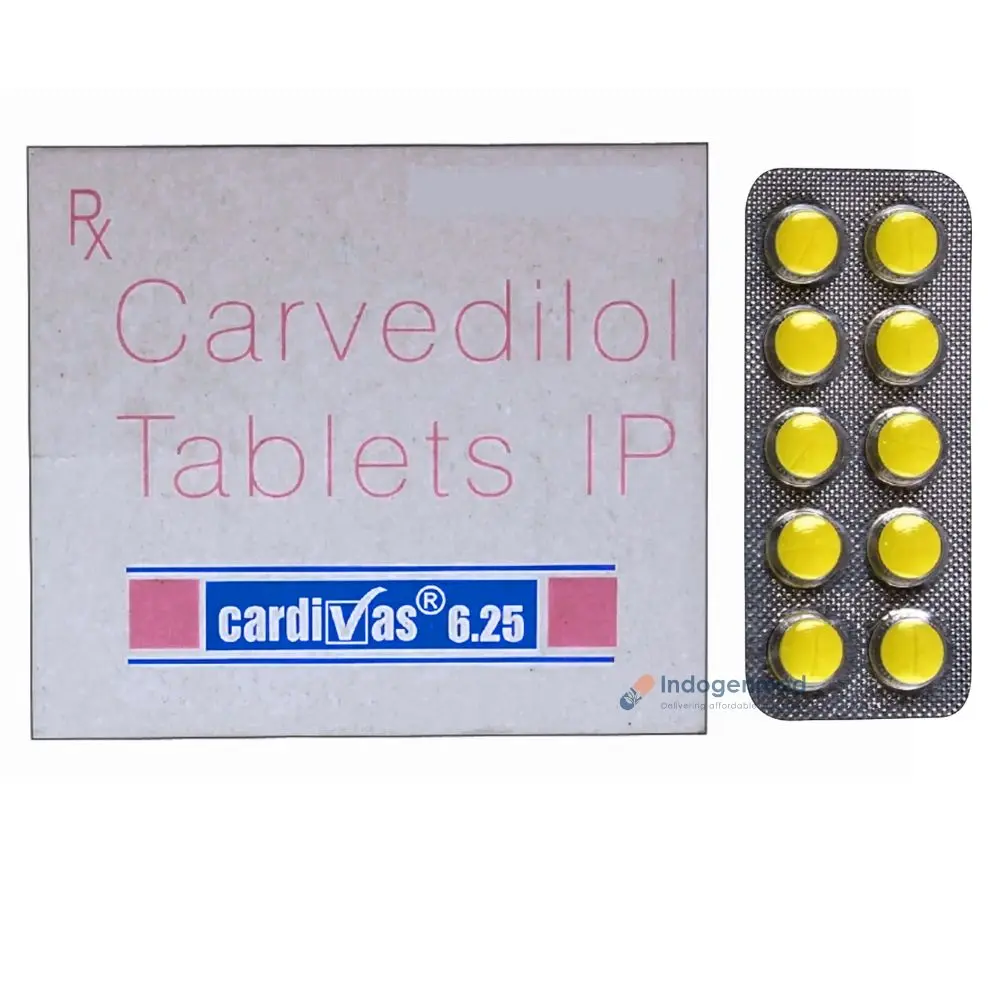
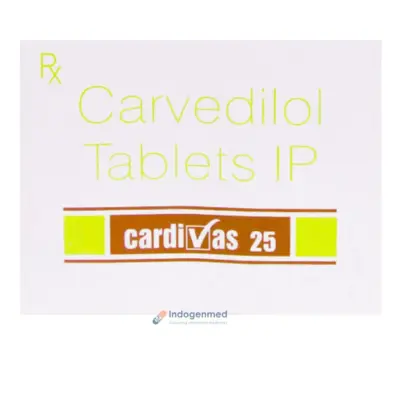
What Is Cardivas 6.25 mg Tablets?
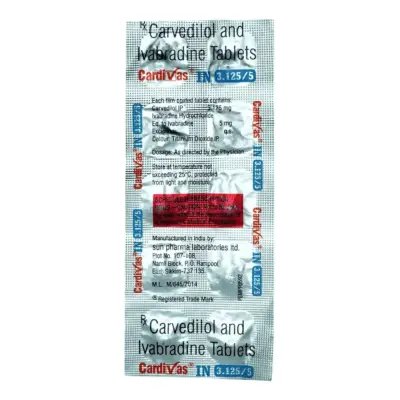
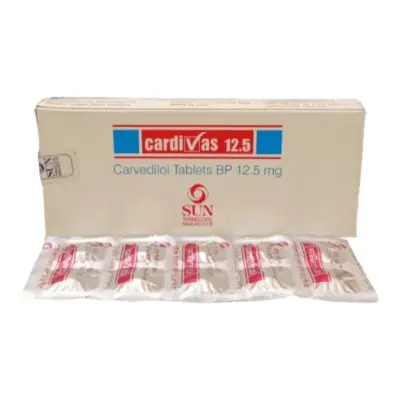
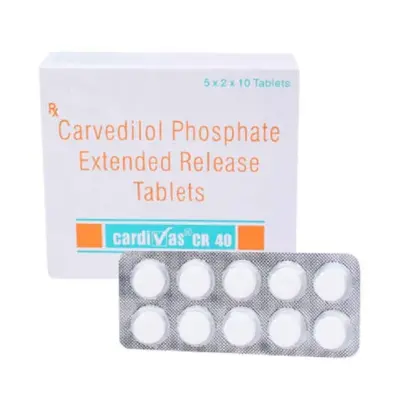
Cardivas 6.25 mg Tablets contain carvedilol 6.25 mg per tablet. Carvedilol is a unique third-generation, non-selective beta-adrenoceptor blocker (beta-blocker) with additional alpha-1 adrenoceptor blocking activity. This dual mechanism distinguishes carvedilol from conventional beta-blockers — the alpha-1 blockade provides vasodilation, partially offsetting the increased peripheral resistance that can occur with pure beta-blockade, and contributing to improved haemodynamics in heart failure.
Carvedilol is one of only three beta-blockers with robust evidence for reducing mortality in heart failure with reduced ejection fraction (HFrEF), alongside bisoprolol and metoprolol succinate (extended-release). It is also indicated for hypertension and left ventricular dysfunction post-myocardial infarction. The 6.25 mg dose is the standard starting dose for HFrEF — clinical trials (COPERNICUS, US Carvedilol HF Trial) established that up-titration from 3.125 mg or 6.25 mg to target doses of 25–50 mg twice daily reduces all-cause mortality by approximately 35% in symptomatic HFrEF. Cardivas is a widely used brand of carvedilol in South and Southeast Asia.
Mechanism of Action
Carvedilol’s pharmacological profile combines multiple mechanisms that make it particularly suited to heart failure management:
Non-Selective Beta-Adrenoceptor Blockade
- Beta-1 blockade (cardiac): Reduces heart rate, AV nodal conduction velocity, and myocardial contractility → decreases myocardial oxygen demand; in HFrEF, chronic sympathetic stimulation drives adverse cardiac remodelling — beta-blockade interrupts this by reducing catecholamine-mediated myocyte injury, apoptosis, and fibrosis
- Beta-2 blockade: Contributes to peripheral vasoconstriction and can impair bronchodilation; risk of bronchospasm in asthma/COPD (absolute contraindication)
Alpha-1 Adrenoceptor Blockade
Carvedilol blocks alpha-1 adrenoceptors on vascular smooth muscle, causing arterial and venous vasodilation. This reduces afterload (systemic vascular resistance) and preload (venous capacitance), improving cardiac output and reducing cardiac filling pressures — effects that are haemodynamically beneficial in both hypertension and HFrEF.
Antioxidant Properties
Carvedilol and its metabolites have demonstrated antioxidant activity in experimental models, reducing oxidative stress in myocardial tissue. The clinical relevance of this property is not fully established but may contribute to its cardioprotective effects in HFrEF.
No Intrinsic Sympathomimetic Activity (ISA)
Carvedilol is a pure antagonist with no partial agonist activity — unlike pindolol — which is important for its mortality-reducing effects in HFrEF and post-MI.
Indications
- Heart failure with reduced ejection fraction (HFrEF) — carvedilol is a cornerstone of guideline-directed medical therapy (GDMT) for stable symptomatic HFrEF (NYHA Class II–IV); reduces all-cause mortality, cardiovascular mortality, and HF hospitalisations when titrated from starting doses (3.125–6.25 mg twice daily) to target doses (25–50 mg twice daily) in clinically stable patients
- Hypertension — reduces blood pressure through combined beta-blockade (reduced cardiac output and renin release) and alpha-1–mediated vasodilation; effective as monotherapy or in combination therapy
- Left ventricular dysfunction post-myocardial infarction — in haemodynamically stable patients with LV ejection fraction ≤40% following acute MI, carvedilol reduces mortality and recurrent cardiovascular events
- Angina pectoris — reduces myocardial oxygen demand through heart rate and contractility reduction; suitable for patients with angina who also have HF or hypertension
Dosage and Administration
Heart failure (HFrEF) — CRITICAL: Must be initiated only in clinically stable patients who are euvolaemic (not fluid-overloaded) and not in decompensated HF. Begin at 3.125 mg twice daily for 2 weeks. If tolerated (no symptomatic hypotension, significant bradycardia, or worsening fluid retention), increase to 6.25 mg twice daily for 2 weeks, then 12.5 mg, then 25 mg twice daily at 2-week intervals. Target dose: 25 mg twice daily in patients ≤85 kg; 50 mg twice daily in patients >85 kg. Up-titration should not proceed if the patient has a resting heart rate <55 bpm, symptomatic hypotension (SBP <90 mmHg), or worsening HF symptoms. Withdrawal of a diuretic and ACE inhibitor before starting is usually not required.
Hypertension: 12.5 mg once daily for 2 weeks; increase to 25 mg once daily. If needed, increase to 50 mg once daily (maximum). Some patients benefit from twice daily dosing.
Post-MI LV dysfunction: Begin at 6.25 mg twice daily at least 3 days after stabilisation post-MI; double the dose every 3–10 days as tolerated, aiming for 25 mg twice daily.
Renal impairment: No dose adjustment required. Carvedilol is primarily hepatically metabolised; renal impairment does not significantly alter drug exposure.
Hepatic impairment: Carvedilol is extensively metabolised by CYP2D6 and CYP2C9 in the liver. Dose reductions are required in significant hepatic impairment; carvedilol is contraindicated in severe hepatic impairment (Child-Pugh C).
Elderly: No specific dose adjustment required; apply standard titration protocol. Monitor carefully for hypotension and bradycardia.
Administration: Take with food to slow absorption and reduce the risk of orthostatic hypotension. Tablets may be halved if necessary (scored). Do not stop abruptly — taper over 1–2 weeks to avoid rebound.
Contraindications
- Decompensated heart failure requiring inotropic therapy (IV inotropes) or IV diuretics — carvedilol must not be started or continued through acute decompensation
- Asthma or severe COPD with significant reversibility — non-selective beta-2 blockade can precipitate fatal bronchospasm
- Severe bradycardia (resting heart rate <50 bpm) or sick sinus syndrome without a functioning pacemaker
- Second- or third-degree AV block without a functioning pacemaker
- Severe hepatic impairment (Child-Pugh C)
- Cardiogenic shock
- Severe hypotension (systolic blood pressure <90 mmHg)
- Hypersensitivity to carvedilol or any excipient
Warnings and Precautions
Heart Failure — Worsening on Initiation
Fluid retention and worsening HF can occur during the first few weeks of carvedilol therapy, particularly if the patient was not fully euvolaemic at initiation. Patients should be assessed for weight gain, increasing oedema, or worsening dyspnoea. If worsening fluid retention occurs, increase the diuretic dose and defer carvedilol up-titration until the patient is re-stabilised. Do not stop carvedilol abruptly in a patient with HFrEF — this carries a high risk of acute decompensation and MI.
Hypotension
The alpha-1 blocking property of carvedilol causes vasodilation and can produce orthostatic hypotension, particularly in the first hours after the first dose or after a dose increase. Take with food, advise patients to rise slowly, and monitor blood pressure after dose changes. If systolic BP falls below 90 mmHg, reduce dose or pause up-titration.
Respiratory Disease
Contraindicated in asthma. In mild, stable COPD without reversibility (purely obstructive), carvedilol can be used with caution if the cardiovascular benefit (HFrEF mortality reduction) outweighs the respiratory risk; however, cardioselective agents (bisoprolol, metoprolol) carry lower bronchospasm risk and are generally preferred in COPD.
Diabetes and Hypoglycaemia
Non-selective beta-blockade masks the tachycardia of hypoglycaemia in insulin-dependent diabetics and impairs glycogenolysis. The vasodilatory alpha-1 blockade can mask sweating. Use with caution in insulin-dependent diabetes and increase glucose monitoring frequency.
Adverse Effects
- Very common (≥10%): Dizziness (particularly postural, due to alpha-1 blockade), fatigue, bradycardia
- Common (1–10%): Hypotension (orthostatic), fluid retention (oedema, weight gain — particularly in HFrEF during initiation), headache, nausea, diarrhoea, impotence/sexual dysfunction, cold extremities, blurred vision
- Less common (0.1–1%): Worsening HF during initiation, AV block, bronchospasm (in susceptible patients), peripheral vascular disease worsening (Raynaud’s), hyperglycaemia, elevated liver enzymes
- Rare (<0.1%): Severe hepatotoxicity (reversible on withdrawal), thrombocytopenia, skin reactions, alopecia
Drug Interactions
CYP2D6 and CYP2C9 Inhibitors
Carvedilol is primarily metabolised by CYP2D6 and CYP2C9. Potent CYP2D6 inhibitors (fluoxetine, paroxetine, quinidine, amiodarone) can significantly increase carvedilol plasma concentrations, leading to excessive bradycardia and hypotension. Monitor closely and reduce carvedilol dose as needed.
Digoxin
Carvedilol increases digoxin plasma levels by approximately 15% (P-glycoprotein inhibition). Both agents slow AV conduction — the combination increases the risk of bradycardia and AV block. Monitor heart rate and digoxin levels when both are prescribed.
Insulin and Oral Hypoglycaemics
Non-selective beta-blockade masks hypoglycaemia symptoms. Carvedilol also impairs counter-regulatory glycogenolysis. Increase glucose monitoring frequency in insulin-dependent diabetics.
Antihypertensives and Vasodilators
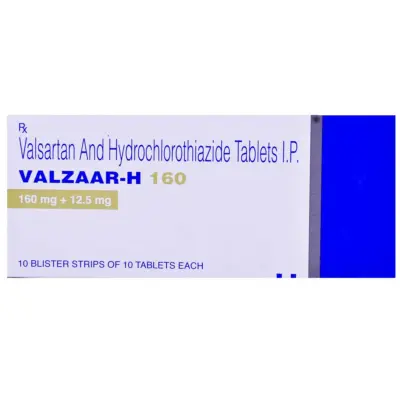
Carvedilol’s alpha-1 blocking effect is additive with other antihypertensives (ACE inhibitors, ARBs, diuretics, CCBs). Additive effects are generally beneficial in HFrEF management but require monitoring for hypotension, particularly during initiation.
Calcium Channel Blockers (Diltiazem, Verapamil)
Combined use with rate-limiting CCBs (verapamil, diltiazem) substantially increases the risk of bradycardia, AV block, and hypotension. This combination requires specialist oversight and careful ECG monitoring.
Rifampicin
Rifampicin induces CYP2D6 and significantly reduces carvedilol plasma levels (by approximately 70%), potentially abolishing its therapeutic effect. Avoid this combination if possible; if necessary, monitor for loss of efficacy and consider dose increase.
Storage
Store Cardivas 6.25 mg Tablets below 30°C in a dry place, protected from light and moisture. Keep in the original blister pack until use. Store out of the reach of children. Do not use after the expiry date printed on the pack.
Related Products
- Ciplar 10 mg Tablets (Propranolol — non-selective beta-blocker for hypertension, angina, essential tremor)
- Rami-Race 5 mg Tablets (Ramipril — ACE inhibitor for hypertension, HFrEF, and CV risk reduction)
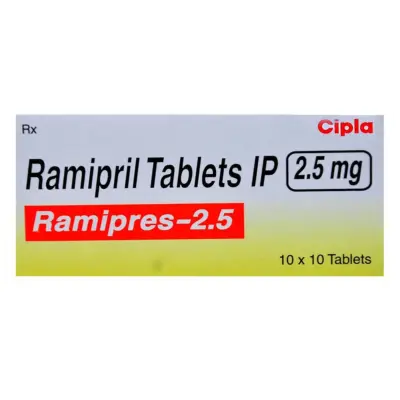
- Ramipres 5 mg Tablets (Ramipril — ACE inhibitor for hypertension and post-MI protection)
- Calaptin SR 120 mg Tablets (Verapamil SR — calcium channel blocker for hypertension, angina, and arrhythmias)
References
- DailyMed. Carvedilol tablets — prescribing information. U.S. National Library of Medicine. Available at: https://dailymed.nlm.nih.gov/dailymed/
- MedlinePlus. Carvedilol. U.S. National Library of Medicine. Available at: https://medlineplus.gov/druginfo/meds/a697042.html
- Mayo Clinic. Carvedilol (Oral Route). Available at: https://www.mayoclinic.org/
- Packer M, et al. Effect of carvedilol on survival in severe chronic heart failure (COPERNICUS). N Engl J Med. 2001;344(22):1651–8. PMID: 11386263
- Electronic Medicines Compendium (EMC). Carvedilol 6.25 mg tablets — Summary of Product Characteristics. Available at: https://www.medicines.org.uk/emc/
Reviews
There are no reviews yet.