Description
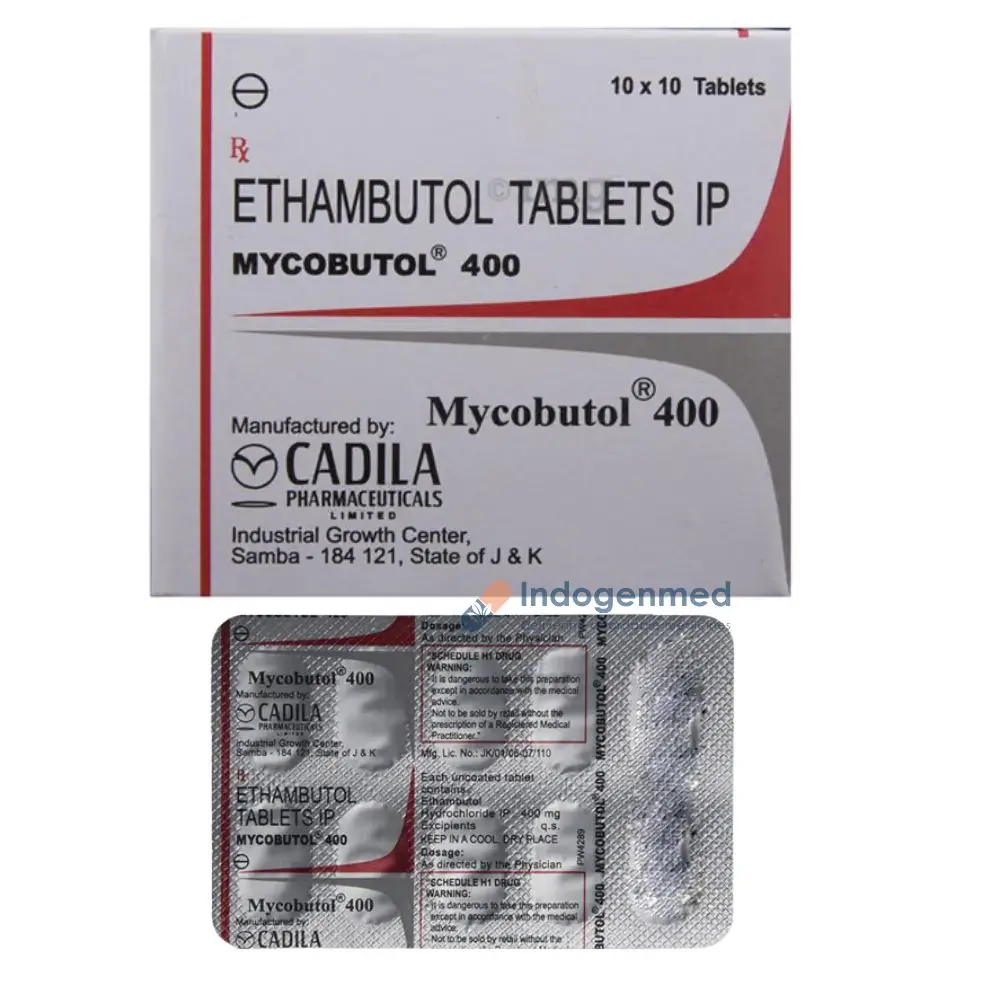
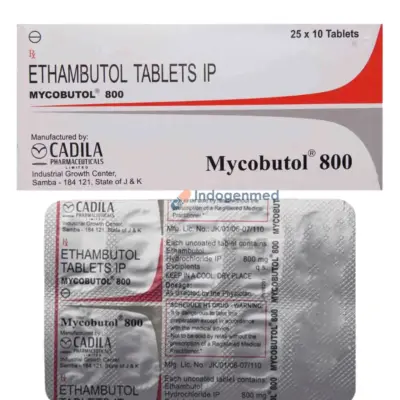
Mycobutol 400 Mg Tablets
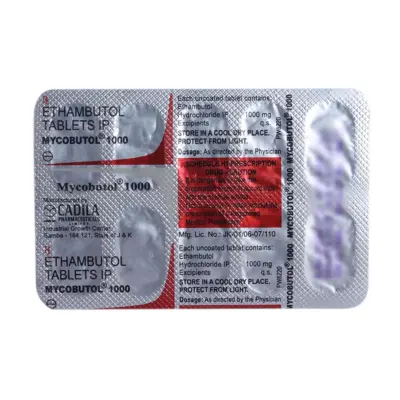
Mycobutol 400 Mg Tablets contain ethambutol hydrochloride 400 mg. Ethambutol is a first-line antituberculosis medicine. It works against Mycobacterium tuberculosis and is always used in combination with other TB medicines, never alone. It is prescribed by specialists as part of a supervised treatment regimen for pulmonary tuberculosis, and the dose is usually calculated by body weight. Because of its eye side effects, ethambutol needs regular monitoring of vision for as long as it is taken.
Composition
| Ingredient | Strength |
|---|---|
| Ethambutol hydrochloride | 400 mg per tablet |
| Excipients | As listed on the pack insert |
Product Details
Mycobutol 400 Mg Tablets are oral tablets. Ethambutol is a prescription-only medicine. It must be started and monitored by a doctor, usually a TB specialist or a supervised public health programme, and should not be self-started or stopped.
Mechanism of Action
Ethambutol inhibits arabinosyl transferases involved in building the mycobacterial cell wall. This interferes with the synthesis of arabinogalactan and lipoarabinomannan, which are essential components of the mycobacterial cell wall. The drug is bacteriostatic against actively dividing tuberculosis bacteria and is used to prevent the emergence of resistance when combined with other agents.
Indications
- Pulmonary tuberculosis, as part of a combination regimen
- Other mycobacterial infections, where the specialist considers ethambutol appropriate
Dosage and Administration
The dose is calculated by body weight and set by the treating specialist. Ethambutol is usually taken once daily, with or without food, and is often given with other TB medicines at the same time. Swallow the tablet whole with water. Do not take it with antacids or aluminium-containing products, which reduce absorption; take those at least 4 hours apart. Do not stop the medicine without medical advice, because interrupted TB treatment can lead to drug resistance.
Special Populations
Children: may be used in children when the specialist judges it necessary, with the dose set by weight and close monitoring of vision, which can be difficult to assess in very young children.
Kidney impairment: ethambutol is cleared by the kidneys, so the dose is reduced in moderate to severe impairment.
Pregnancy and breastfeeding: the benefit of treating TB is generally considered to outweigh the risks, but the decision should be made by a specialist.
Older adults: more sensitive to the eye and nerve side effects, so monitoring is important.
Precautions
- Vision: ethambutol can damage the optic nerve (optic neuritis), which can reduce visual acuity or affect colour vision (especially red and green). Report any change in vision promptly. Baseline and regular eye tests are needed.
- Kidney function should be checked, as reduced kidney function increases the risk of side effects.
- Gout: ethambutol can raise uric acid levels and may trigger gout attacks.
- Liver function should be monitored, particularly when used with other TB medicines.
- Do not drive or operate machinery if your vision is blurred.
Contraindications
- Known hypersensitivity to ethambutol or any excipient
- Pre-existing optic neuritis, unless the specialist has specifically reviewed the risk
- Severe kidney impairment, unless the dose has been adjusted by a specialist
Side Effects
Common: nausea, vomiting, loss of appetite, abdominal discomfort, dizziness, headache, joint pain.
Uncommon: numbness or tingling in the hands or feet (peripheral neuropathy), rash, itching, gout attacks.
Rare: optic neuritis with blurred vision, loss of colour vision, reduced visual field, allergic reactions, liver inflammation, low platelets.
Stop the medicine and contact your doctor urgently if vision becomes blurred, colours look different, or you develop yellow skin or eyes, dark urine or a severe rash.
Drug Interactions
- Aluminium and magnesium antacids: reduce ethambutol absorption; take them at least 4 hours apart.
- Other antituberculosis medicines, such as isoniazid, rifampicin and pyrazinamide: used together on purpose, under specialist supervision.
- Medicines that affect vision or nerves: may add to visual or nerve side effects.
- Medicines that raise uric acid levels: may increase the risk of gout.
Tell your doctor or pharmacist about every medicine, herbal product and supplement you take.
Storage
Store below 30 degrees Celsius in the original package, protected from moisture and light. Keep out of the reach of children. Do not use after the expiry date on the pack.
Related Products
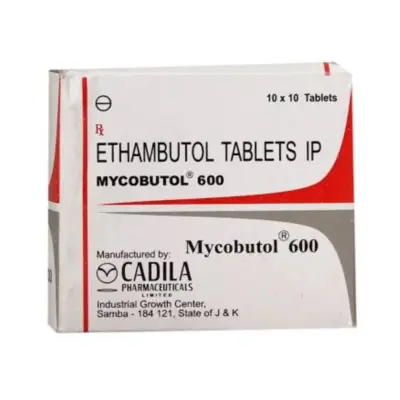
- Mycobutol 600 Mg Tablet: a different strength; the dose must be set by the specialist, not by the strength on the pack.
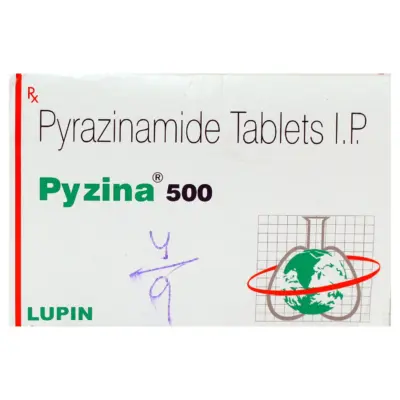
- Pyzina 750 Mg Tablets: pyrazinamide, another first-line TB medicine used in combination regimens.
Frequently Asked Questions
Why do I need eye tests?
Ethambutol can affect the optic nerve. Regular vision and colour tests help detect early changes, which are usually reversible if the medicine is stopped in time.
How long is the treatment?
TB treatment usually lasts several months and is set by the specialist. Finish the full course, even if you feel better.
What if I miss a dose?
Take it as soon as you remember, unless it is nearly time for the next dose. Tell your doctor or TB clinic about missed doses.
References
- NHS: Tuberculosis (TB). https://www.nhs.uk/conditions/tuberculosis-tb/
- electronic Medicines Compendium (emc): Ethambutol summary of product characteristics. https://www.medicines.org.uk/emc
- U.S. National Library of Medicine, DailyMed: Ethambutol hydrochloride labelling. https://dailymed.nlm.nih.gov
Disclaimer
This information is for general education and does not replace advice from a qualified doctor or TB specialist. Check dosing, monitoring and contraindications against the pack insert and the prescriber’s instructions. Do not start, stop or change this medicine without medical advice.


Reviews
There are no reviews yet.