Description
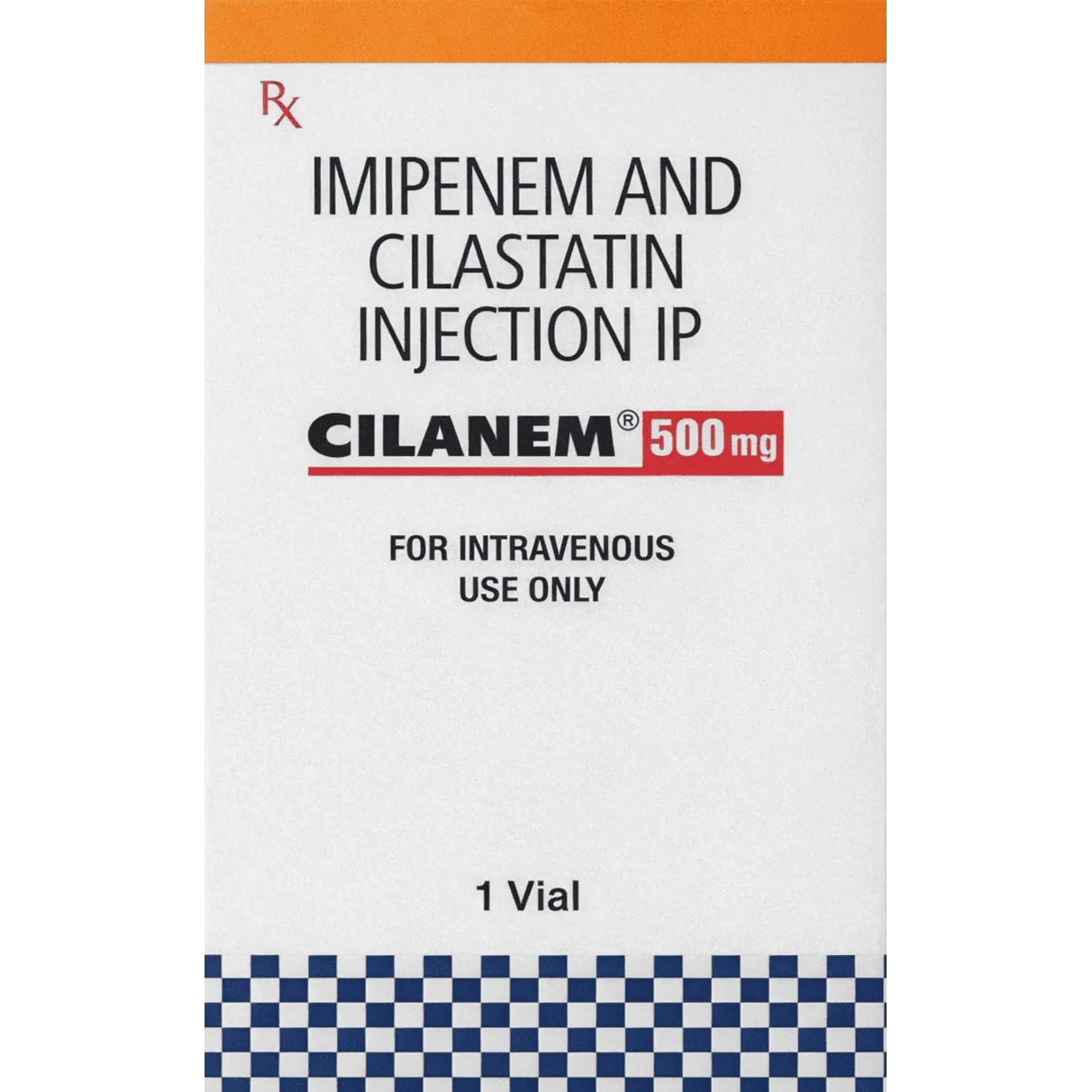
What is Cilanem 500+500 Mg(100 Ml) Injection?
Cilanem 500+500 Mg(100 Ml) Injection is a hospital-grade intravenous (IV) antibiotic containing two components: Imipenem 500 mg and Cilastatin 500 mg, combined in a 100 mL vial for intravenous infusion. Imipenem is a carbapenem antibiotic — the broadest-spectrum class of beta-lactam antibiotics available — used to treat severe, complicated, and multidrug-resistant (MDR) bacterial infections. Cilastatin is not an antibiotic; it is a specific renal enzyme inhibitor that protects imipenem from metabolic breakdown in the kidneys, ensuring effective drug delivery and preventing nephrotoxicity.
Cilanem is reserved for serious hospital-acquired infections caused by gram-positive, gram-negative, and anaerobic bacteria, including organisms resistant to other antibiotic classes. It is administered exclusively in clinical settings under medical supervision by trained healthcare professionals via intravenous infusion.
Cilanem 500+500 Mg(100 Ml) Injection is manufactured by Sun Pharmaceutical Industries Ltd., India’s largest pharmaceutical company. Each pack contains one 100 mL vial.
Prescription only (Rx). Hospital use — administered by healthcare professionals only. Not for self-administration.
Composition
| Component | Detail |
|---|---|
| Active ingredient 1 | Imipenem 500 mg (carbapenem antibiotic) |
| Active ingredient 2 | Cilastatin 500 mg (renal DHP-I enzyme inhibitor) |
| Drug class | Carbapenem antibiotic + renal protector combination |
| Formulation | Intravenous infusion (IV), 100 mL vial/bottle |
| Pack size | 1 vial × 100 mL |
| Manufacturer | Sun Pharmaceutical Industries Ltd., India |
| Medicine type | Generic (Rx — prescription required; hospital use) |
About Sun Pharmaceutical Industries Ltd.
Sun Pharmaceutical Industries Ltd. is India’s largest pharmaceutical company by market capitalisation and one of the world’s top five specialty generic pharmaceutical companies. Founded in 1983 and headquartered in Mumbai, Sun Pharma manufactures and supplies medicines across more than 100 countries. Its manufacturing facilities are approved by the US FDA, the UK MHRA, the WHO, and other international regulatory authorities. Sun Pharma is listed on both the Bombay Stock Exchange (BSE) and the National Stock Exchange (NSE) of India.
How Imipenem-Cilastatin Works
Imipenem: The Antibiotic Component
Imipenem is a carbapenem beta-lactam antibiotic with one of the broadest antibacterial spectra of any available antibiotic class. Its mechanism of action is to inhibit bacterial cell wall synthesis:
- Imipenem crosses the bacterial outer membrane (gram-negative organisms) and binds irreversibly to penicillin-binding proteins (PBPs) — particularly PBP-1 and PBP-2 — located on the inner bacterial membrane.
- PBPs are the enzymes responsible for the final step in bacterial cell wall (peptidoglycan) synthesis: cross-linking the peptidoglycan chains that form the structural lattice of the cell wall.
- By blocking PBPs, imipenem prevents proper cell wall assembly. The resulting structurally defective cell wall cannot withstand osmotic pressure → the bacterial cell ruptures and dies.
- Imipenem is bactericidal — it kills bacteria, rather than merely inhibiting their growth.
- Unlike older penicillins and cephalosporins, imipenem has inherent stability against most bacterial beta-lactamases (including extended-spectrum beta-lactamases, ESBLs, and AmpC beta-lactamases), though carbapenemase-producing organisms (KPC, NDM, OXA-48) can confer resistance.
Cilastatin: The Renal Protector
Cilastatin has no antibacterial activity of its own. Its role is purely pharmacokinetic and nephroprotective:
- Imipenem alone is rapidly metabolised in the kidney tubules by an enzyme called dehydropeptidase-I (DHP-I), located on the brush border of the renal proximal tubular cells. Without protection, this metabolism yields nephrotoxic metabolites and results in very low urinary drug concentrations — making imipenem ineffective for urinary tract infections.
- Cilastatin is a specific, competitive inhibitor of DHP-I. By blocking this enzyme, cilastatin prevents the renal breakdown of imipenem, allowing it to reach therapeutic concentrations in urine and protecting the kidneys from the nephrotoxic metabolites.
- The fixed 1:1 weight ratio of imipenem to cilastatin (500 mg : 500 mg) is the pharmacologically optimised combination for maximum renal protection and optimal imipenem bioavailability.
Spectrum of Activity
Imipenem-cilastatin covers an exceptionally wide range of clinically important pathogens:
- Gram-positive aerobic bacteria: Staphylococcus aureus (methicillin-susceptible; MSSA), Streptococcus pneumoniae, Streptococcus pyogenes, Enterococcus faecalis
- Gram-negative aerobic bacteria: Escherichia coli, Klebsiella pneumoniae (including ESBL-producing strains), Pseudomonas aeruginosa, Acinetobacter baumannii, Enterobacter spp., Proteus mirabilis, Haemophilus influenzae, Serratia marcescens
- Anaerobic bacteria: Bacteroides fragilis and other Bacteroides, Peptostreptococcus, Fusobacterium, Clostridium spp. (though NOT C. difficile)
Not covered by imipenem-cilastatin:
- Methicillin-resistant Staphylococcus aureus (MRSA) — requires vancomycin or linezolid
- Vancomycin-resistant Enterococcus faecium (VRE)
- Stenotrophomonas maltophilia — intrinsically resistant; treat with trimethoprim-sulfamethoxazole
- Carbapenem-resistant organisms expressing carbapenemases (KPC, NDM, OXA-48)
- Atypical organisms (Mycoplasma, Chlamydia, Legionella)
- Clostridioides difficile — imipenem-cilastatin use may precipitate C. diff colitis
Indications: When Is Cilanem Prescribed?
Imipenem-cilastatin is a WHO AWaRe “Watch” category antibiotic — a reserve agent to be used judiciously when other antibiotics are insufficient, especially for multidrug-resistant infections. It is used for serious, complicated infections where:
- Complicated intra-abdominal infections: Including peritonitis, appendicitis with perforation, biliary tract infections, and polymicrobial intra-abdominal sepsis requiring activity against both aerobes and anaerobes.
- Hospital-acquired / ventilator-associated pneumonia (HAP/VAP): Nosocomial pneumonia caused by gram-negative organisms (including Pseudomonas, Acinetobacter, ESBL-producing Enterobacteriaceae) not responsive to narrower-spectrum agents.
- Complicated urinary tract infections: Upper UTIs and urosepsis caused by multidrug-resistant gram-negative pathogens (ESBL-producing E. coli or Klebsiella) where oral or simpler IV antibiotics are inappropriate.
- Bacteraemia and septicaemia: Serious bloodstream infections caused by susceptible organisms, particularly where polymicrobial aetiology or MDR pathogens are suspected.
- Bone and joint infections: Osteomyelitis and septic arthritis caused by MDR gram-negative organisms.
- Complicated skin and soft tissue infections: Including necrotising fasciitis and other severe polymicrobial deep tissue infections requiring broad anaerobic and gram-negative coverage.
- Febrile neutropenia (empirical therapy): Empirical antibiotic treatment in immunocompromised patients (cancer patients on chemotherapy) with suspected bacterial infection and severe neutropenia.
- Infective endocarditis: In selected cases where coverage against resistant organisms or polymicrobial infection is required.
Cilanem should only be used for confirmed or strongly suspected bacterial infections. Antibiotic selection should be guided by culture and sensitivity results wherever possible. Carbapenems are critical agents for infection control; their appropriate use helps preserve efficacy for future patients.
Dosage and Administration
Cilanem 500+500 Mg(100 Ml) Injection is administered by intravenous (IV) infusion only in a hospital or clinical setting, by trained healthcare professionals. The solution must not be given as a rapid IV bolus, subcutaneously, or intramuscularly (this IV formulation is not designed for IM use).
| Indication | Typical adult dose (imipenem/cilastatin) | Frequency |
|---|---|---|
| Mild-to-moderate infections | 500 mg/500 mg | Every 6 hours |
| Moderate-to-severe infections | 1000 mg/1000 mg | Every 6–8 hours |
| Life-threatening infections (e.g., febrile neutropenia, severe sepsis) | 1000 mg/1000 mg | Every 6 hours |
| Maximum daily dose (normal renal function) | 4000 mg/4000 mg per day | — |
Infusion duration: 500 mg dose over 20–30 minutes; 1000 mg dose over 40–60 minutes. Extended infusions (3–4 hours) may be used in some protocols to optimise pharmacodynamic target attainment against less susceptible organisms — as directed by the prescribing clinician.
All doses are determined by the treating doctor based on infection severity, culture and susceptibility results, body weight, and renal function. Never adjust doses yourself. Treatment duration varies by indication and clinical response, typically 5–14 days or longer.
Special Populations
Renal Impairment
Imipenem and cilastatin are both primarily renally eliminated. Dose reduction is mandatory in patients with renal impairment (creatinine clearance <70 mL/min) to avoid drug accumulation and the associated risk of seizures and other adverse effects. The dose and frequency are adjusted according to the patient’s actual creatinine clearance. Haemodialysis patients require dose supplementation after each dialysis session; specialist guidance is essential.
Hepatic (Liver) Impairment
Hepatic impairment does not significantly affect imipenem-cilastatin pharmacokinetics, as elimination is primarily renal. Standard doses are used in liver impairment unless renal function is also compromised.
Elderly Patients
Elderly patients frequently have reduced renal function (lower eGFR/CrCl) even when serum creatinine appears normal. Renal function must be formally assessed and doses adjusted accordingly. The risk of CNS adverse effects (confusion, myoclonus, seizures) is higher in elderly patients, especially those with pre-existing cerebrovascular disease.
Pregnancy
Imipenem-cilastatin is classified Pregnancy Category C. Animal studies have shown adverse effects on the foetus. There are no adequate controlled studies in pregnant women. Use only if the potential benefit justifies the potential risk to the foetus. Inform your doctor if you are or may be pregnant.
Breastfeeding
Imipenem is excreted in breast milk. The clinical significance for a breastfeeding infant is uncertain. The treating physician should weigh the benefit of treatment against any potential risk to the infant; temporary interruption of breastfeeding during therapy may be advised.
Paediatric Use
Imipenem-cilastatin is used in paediatric patients (children aged ≥3 months and body weight ≥30 kg) for approved indications. It is not recommended in infants below 3 months of age or in children with CNS infections (due to increased seizure risk) or severe renal impairment. Paediatric dosing is weight-based and requires specialist supervision.
Important Safety Warnings
Seizures and CNS Toxicity
Seizures are the most clinically important adverse effect of imipenem-cilastatin. They have been reported, particularly with high doses, excessive plasma concentrations (from inadequate renal dose adjustment), or in patients with pre-existing CNS disorders, cerebrovascular disease, or a history of epilepsy. If seizures, myoclonus (muscle jerking), or altered consciousness occur during treatment, stop the infusion immediately and seek emergency medical help. Anti-epileptic therapy may be required.
Valproic Acid / Sodium Valproate Interaction — CRITICAL
The combination of imipenem-cilastatin with valproic acid (or sodium valproate) is a potentially dangerous interaction that must not be overlooked. Imipenem-cilastatin can reduce serum valproate levels by 60–83% within 48 hours, through both reduced absorption and increased clearance. This can cause breakthrough seizures in patients with epilepsy who are reliant on valproate for seizure control. Alternative antibiotics should be used wherever possible in patients on valproate. If imipenem-cilastatin cannot be avoided, close monitoring of valproate levels and seizure activity is essential — do not assume that increasing the valproate dose alone will restore seizure control.
Hypersensitivity Reactions
Serious anaphylactic or severe allergic reactions, including anaphylactic shock, have been reported with imipenem-cilastatin. Patients with known hypersensitivity to any beta-lactam antibiotic (penicillins, cephalosporins, other carbapenems) carry a risk of cross-reactive allergy. Before starting treatment, inform the medical team of any known drug allergies. Resuscitation equipment and medicines should be immediately available during IV infusion.
Clostridioides difficile Colitis
As with all broad-spectrum antibiotics, imipenem-cilastatin disrupts the normal gut flora and can predispose patients to C. difficile-associated diarrhoea (CDAD). If severe, persistent, or bloody diarrhoea develops during or following treatment, contact the medical team immediately. Antidiarrhoeal agents should not be used, as they may worsen the condition.
Renal Function Monitoring
Renal function (serum creatinine, eGFR) should be monitored at baseline and during prolonged courses of treatment to ensure appropriate dose adjustment and to detect any change in renal function that would require a dose review.
Precautions
- History of seizures or CNS disorders: Use with extreme caution; anti-seizure prophylaxis may be considered in high-risk patients. Doses must be strictly adjusted to renal function.
- Penicillin or cephalosporin allergy: There is a small but real risk of cross-reactivity between carbapenems and other beta-lactam antibiotics. A careful allergy history must be taken before use; skin testing may be appropriate in selected patients with a significant prior history.
- Sodium content: The IV formulation contains sodium; patients on sodium-restricted diets should be monitored accordingly. Relevant for patients with heart failure or hypertension.
- Superinfection: Prolonged use of broad-spectrum antibiotics like imipenem-cilastatin can allow resistant organisms (including fungi and VRE) to multiply, causing secondary infections. Monitor for new fever, signs of infection, or failure to respond to treatment.
- Antibiotic stewardship: Carbapenems are a last-resort antibiotic class. Use should be guided by sensitivity testing and restricted to appropriate indications to preserve their effectiveness for future patients.
Contraindications
Cilanem 500+500 Mg(100 Ml) Injection must not be used in patients with:
- Known hypersensitivity to imipenem, cilastatin, or any other carbapenem (relative — risk of severe anaphylaxis)
- Known severe hypersensitivity to any beta-lactam antibiotic (penicillins, cephalosporins) — use with caution and only after risk–benefit assessment
- Severe renal impairment — dose reduction mandatory; use with extreme caution and close monitoring
Side Effects
Like all antibiotics, Cilanem can cause side effects. Because it is given intravenously in hospital settings, patients are monitored by healthcare professionals throughout treatment.
Common Side Effects (may affect up to 1 in 10 people)
- Nausea and vomiting
- Diarrhoea
- Elevated liver enzymes (AST, ALT, alkaline phosphatase) on blood tests — usually reversible on stopping treatment
- Local reactions at the infusion site (phlebitis, pain, erythema)
- Skin rash or pruritus (itching)
Less Common Side Effects (may affect up to 1 in 100 people)
- Thrombophlebitis (vein inflammation at infusion site)
- Elevated serum creatinine or blood urea nitrogen (indicating renal stress)
- Leukopenia or thrombocytopenia (reduced white cell or platelet count) on blood tests
- Headache or dizziness
- Fungal superinfection (oral or genital thrush)
- Urticaria (hives) or other skin reactions
Rare but Serious — Seek Immediate Medical Help
- Seizures, myoclonus (muscle twitching/jerking), or encephalopathy (confusion, altered consciousness)
- Anaphylaxis or severe hypersensitivity reaction (difficulty breathing, facial or throat swelling, rapid heart rate, hypotension)
- Severe Clostridioides difficile colitis (severe abdominal cramps, bloody diarrhoea)
- Serious hepatotoxicity (jaundice, severe liver enzyme elevation)
- Severe haematological effects (agranulocytosis)
Because Cilanem is administered in a clinical setting, healthcare professionals monitor patients closely for adverse effects and can intervene promptly if they occur.
Drug Interactions
Healthcare professionals managing Cilanem therapy will review all current medications for interactions. Key interactions to be aware of include:
- Valproic acid / sodium valproate (epilepsy medicines): Major interaction — avoid combination if at all possible. Imipenem-cilastatin dramatically reduces valproate plasma levels (by 60–83%), which can cause breakthrough seizures in epileptic patients. If combination is unavoidable, valproate levels must be monitored very closely; a change of antibiotic is strongly preferable.
- Ganciclovir or valganciclovir (antiviral agents for CMV): Concurrent use with imipenem-cilastatin significantly increases the risk of generalised seizures. Avoid co-administration unless the benefit clearly outweighs the risk.
- Cyclosporine (immunosuppressant): Cases of increased CNS side effects (including confusion and tremor) have been reported with concurrent use; likely additive CNS toxicity. Monitor closely.
- Probenecid (used for gout): Increases and prolongs imipenem plasma levels by inhibiting tubular secretion. Although dose adjustment is not usually required, the combination may increase the risk of adverse effects.
- Other nephrotoxic drugs (aminoglycosides, amphotericin B, ciclosporin): Combined use may increase the risk of renal toxicity. Renal function should be monitored closely.
Storage Instructions
- Store below 25°C (77°F) in a cool, dry place.
- Protect from light. Do not freeze.
- Keep the vial in its original packaging until use.
- Keep out of the reach of children.
- Do not use after the expiry date printed on the vial label or carton.
- Once reconstituted or opened, the solution has a limited stability window — follow the product’s preparation and storage instructions as per hospital pharmacy protocols.
- Dispose of unused medicine and vials through hospital pharmaceutical waste disposal procedures — do not discard in household waste.
Related Products
Patients with infections requiring antibiotic treatment may also be interested in the following related antibiotic products available on Indogenmed:
- Cefoprox 200 Mg Tablets (Cefpodoxime) — a third-generation oral cephalosporin antibiotic used for respiratory, urinary, and ear infections. Often used as an oral step-down antibiotic following IV treatment for gram-negative infections, in clinically stable patients where oral therapy is appropriate.
- Cefadur DT 250 Mg Tablets (Cefadroxil) — a first-generation oral cephalosporin used for skin and soft tissue infections, pharyngitis, and uncomplicated urinary tract infections, as an oral continuation option after IV antibiotic therapy in appropriate patients.
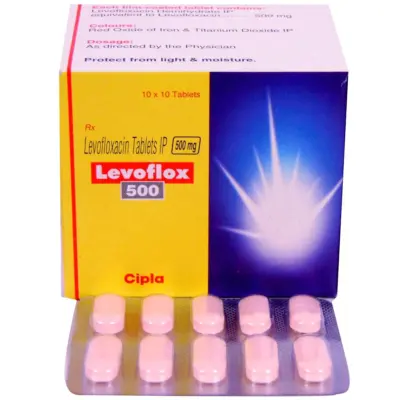
- Cifran OD 1000 Mg Tablets (Ciprofloxacin XR) — a fluoroquinolone antibiotic used once daily for complicated urinary tract infections, pyelonephritis, and chronic bacterial prostatitis; an oral option for susceptible gram-negative urinary and prostate infections where IV therapy is no longer required.
Frequently Asked Questions (FAQs)
1. Why does imipenem need to be combined with cilastatin?
Imipenem alone is rapidly broken down by an enzyme called dehydropeptidase-I (DHP-I) found on the surface of kidney tubule cells. This metabolic breakdown serves two unwanted purposes: it destroys most of the imipenem before it can exert antibacterial activity in the urine, and the metabolites it produces can cause kidney damage (nephrotoxicity). Cilastatin is a specific inhibitor of DHP-I — it blocks this enzyme, preventing imipenem from being metabolised in the kidneys. The result is that imipenem reaches therapeutic concentrations in urine (making it effective for urinary infections), and the kidney is protected from nephrotoxic metabolites. Cilastatin itself has no antibacterial properties; its entire role is to make imipenem safer and more effective.
2. Can Cilanem be used to treat MRSA infections?
No — imipenem-cilastatin is not effective against MRSA (methicillin-resistant Staphylococcus aureus). MRSA produces altered penicillin-binding proteins (PBP-2a, encoded by the mecA gene) that have very low affinity for all beta-lactam antibiotics, including carbapenems. Infections due to MRSA require antibiotics specifically active against it, most commonly vancomycin, teicoplanin, or linezolid. Cilanem covers methicillin-susceptible S. aureus (MSSA) but must not be relied upon for MRSA. Culture and sensitivity testing is essential to confirm the organism and its resistance profile before selecting an antibiotic.
3. Why is the interaction between Cilanem and valproate so dangerous?
Valproic acid (and sodium valproate) is an anticonvulsant drug used by many patients with epilepsy. The combination of imipenem-cilastatin with valproate causes a dramatic and rapid fall in valproate blood levels — typically by 60–83% within 24–48 hours — through a mechanism that is not fully understood but involves both reduced intestinal absorption and accelerated clearance of valproate. This steep fall in valproate levels can completely remove seizure protection and cause breakthrough seizures that can be life-threatening. The interaction persists throughout the course of imipenem-cilastatin treatment. This is why prescribers will, wherever possible, choose a different antibiotic for epileptic patients on valproate — and why patients must always tell their doctors about all current medicines before starting any antibiotic.
4. Is Cilanem the same as Primaxin?
Cilanem (by Sun Pharmaceutical) and Primaxin (by MSD/Merck) both contain the same active pharmaceutical ingredients — Imipenem + Cilastatin — in the same 1:1 ratio. Cilanem is a generic version of the branded originator product Primaxin. Both contain the same molecules at the same strengths and produce equivalent pharmacological effects. The clinical difference between branded and generic versions is manufacturing source; generic products must meet the same regulatory standards for purity, potency, and sterility as the originator.
5. How long does a course of Cilanem last?
Treatment duration with imipenem-cilastatin varies widely depending on the type, site, and severity of infection, the patient’s clinical response, and the results of follow-up cultures. Typical courses range from 5 to 14 days, though some infections (such as infective endocarditis, osteomyelitis, or infections in severely immunocompromised patients) may require longer treatment. In many cases, patients start on IV imipenem-cilastatin and are then switched to an appropriate oral antibiotic (oral step-down therapy) once their condition has improved, cultures are available, and they can tolerate oral medications. The decision on duration and whether to switch to oral therapy rests entirely with the treating clinician.
References
- MedlinePlus (US National Library of Medicine). Imipenem and Cilastatin Injection. Available at: https://medlineplus.gov/druginfo/meds/a686006.html [Accessed November 2026].
- US Food and Drug Administration (FDA). Primaxin IV (Imipenem and Cilastatin for Injection) — Prescribing Information. Available at: FDA Prescribing Information — Primaxin IV [Accessed November 2026].
- European Medicines Agency (EMA). Imipenem/Cilastatin — Summary of Product Characteristics. Available at: https://www.ema.europa.eu/ [Accessed November 2026].
- World Health Organization (WHO). AWaRe Classification of Antibiotics. WHO, 2021. Available at: https://www.who.int/ [Accessed November 2026].
- Patel, N. et al. Interaction of imipenem with valproic acid: a clinical review. Pharmacotherapy, 2006. Available through NLM PubMed.
Disclaimer: This information is provided for educational purposes only. It does not replace professional medical advice, diagnosis, or treatment. Cilanem is a hospital-use intravenous antibiotic administered exclusively by trained healthcare professionals. Never attempt to self-administer IV medicines. Always follow the guidance of your doctor, pharmacist, and nursing team. If you experience an adverse reaction during or after treatment, seek immediate medical attention.
Reviews
There are no reviews yet.