Description
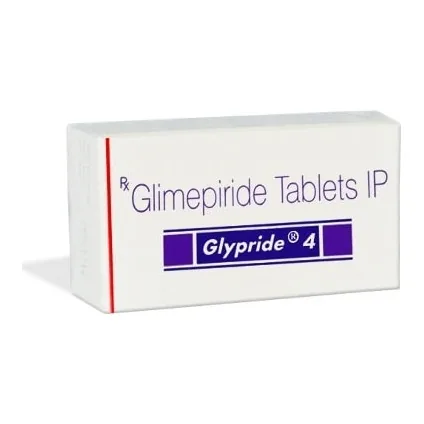
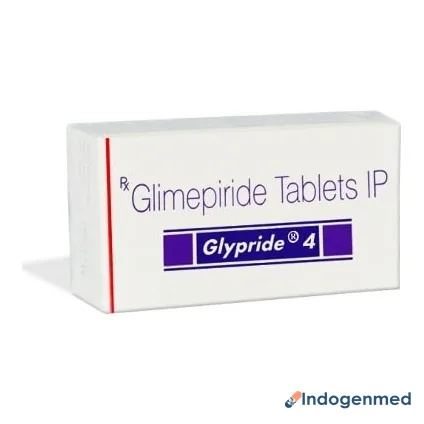
Glypride 4 Tablet — Glimepiride 4 mg
Glypride 4 Tablet contains glimepiride 4 mg as the active ingredient. Glimepiride is a third-generation sulphonylurea oral antidiabetic agent used in the management of type 2 diabetes mellitus in adults. It lowers blood glucose by stimulating the pancreatic beta cells to secrete insulin and by improving insulin sensitivity in peripheral tissues. The 4 mg strength is a mid-range dose within the glimepiride dosing spectrum and is typically used in patients who require a moderate-to-higher level of glycaemic control beyond what lower doses achieve.
Composition of Glypride 4 Tablet
Each tablet of Glypride 4 contains:
- Glimepiride — 4 mg (active ingredient)
- Typical inactive ingredients: lactose monohydrate, microcrystalline cellulose, povidone, croscarmellose sodium, magnesium stearate; film coat: hypromellose, polyethylene glycol, titanium dioxide (tablets are characteristically colour-coded — often green for 4 mg to distinguish strengths)
Glimepiride is a sulphonyl-urea derivative with the chemical name 1-[[4-[2-(3-ethyl-4-methyl-2-oxo-3-pyrroline-1-carboxamido)ethyl]phenyl]sulfonyl]-3-(trans-4-methylcyclohexyl)urea. Its molecular formula is C24H34N4O5S, molecular weight 490.62 g/mol.
How Glimepiride Works — Mechanism of Action
Glimepiride exerts its glucose-lowering action through two complementary mechanisms: pancreatic (insulin secretagogue) and extrapancreatic (insulin sensitiser) effects.
Pancreatic Mechanism — ATP-Sensitive Potassium Channel Closure
The primary mechanism involves binding to the sulphonylurea receptor 1 (SUR1), a subunit of ATP-sensitive potassium (KATP) channels on pancreatic beta-cell membranes. When glimepiride binds SUR1, the KATP channel closes, preventing potassium efflux. This causes membrane depolarisation, which opens voltage-dependent calcium channels (VDCCs). The resulting calcium influx triggers exocytosis of insulin-containing secretory granules.
Compared with earlier sulphonylureas such as glibenclamide, glimepiride has a distinctive binding profile. It dissociates from the SUR1 receptor more rapidly and with lower affinity, which is associated with a reduced risk of prolonged hypoglycaemia. Glimepiride acts preferentially during elevated glucose conditions — it does not stimulate insulin release in the absence of glucose as aggressively as older sulphonylureas, contributing to its improved hypoglycaemia profile.
Extrapancreatic Mechanism — Insulin Sensitisation
Glimepiride also increases the sensitivity of peripheral tissues (muscle and adipose) to insulin. It does this by:
- Increasing the number and activity of GLUT4 glucose transporters on muscle and adipose cell surfaces, facilitating glucose uptake
- Activating glycogen synthase, promoting glycogen storage in muscle
- Inhibiting hepatic glucose output (gluconeogenesis and glycogenolysis) to a modest degree
These extrapancreatic effects mean glimepiride can lower blood glucose without requiring as large an insulin secretory response as older-generation sulphonylureas, which may reduce the risk of weight gain and hypoglycaemia over time.
Pharmacokinetics
Absorption
Following oral administration, glimepiride is completely absorbed from the gastrointestinal tract, with oral bioavailability approaching 100%. Peak plasma concentrations (Cmax) are achieved within 2 to 3 hours of dosing. Food does not significantly reduce total absorption but may slow the rate of absorption slightly; glimepiride should be taken with or just before the first main meal of the day.
Distribution
Glimepiride is highly bound to plasma proteins, with protein binding exceeding 99%, primarily to albumin. The volume of distribution is approximately 8.8 litres, reflecting its restricted distribution. Glimepiride does not cross the blood-brain barrier significantly.
Metabolism
Glimepiride is completely metabolised in the liver, primarily by CYP2C9. The principal metabolite is cyclohexyl hydroxy methyl glimepiride (M1), which retains approximately one-third of the hypoglycaemic activity of the parent compound. M1 is further oxidised to M2 (cyclohexyl carboxy methyl glimepiride), which is pharmacologically inactive. Because glimepiride is a CYP2C9 substrate, drugs that inhibit or induce CYP2C9 can significantly alter its plasma levels.
Elimination
Approximately 60% of a dose is excreted in urine (primarily as M1 and M2 metabolites) and 40% in faeces. The plasma half-life of glimepiride is approximately 5 to 8 hours, supporting once-daily dosing. The duration of blood-glucose-lowering effect is 24 hours. Renal impairment can reduce clearance and prolong the hypoglycaemic effect, warranting careful dose adjustment or avoidance.
Uses of Glypride 4 Tablet
Glypride 4 Tablet is indicated for:
- Type 2 diabetes mellitus in adults: As monotherapy or in combination with other antidiabetic agents (metformin, thiazolidinediones, DPP-4 inhibitors, SGLT-2 inhibitors) when diet, exercise, and lower-dose glimepiride alone are insufficient to achieve target HbA1c. The 4 mg dose is typically used when 1–2 mg has not provided adequate glycaemic control, or when a physician has determined that a higher initial dose is appropriate based on baseline HbA1c and clinical status.
- Combination with insulin: Glimepiride can be added to basal insulin therapy in patients with type 2 diabetes who require the residual insulin secretagogue effect alongside exogenous insulin. This combination requires very careful monitoring due to increased hypoglycaemia risk.
- Combination with metformin: One of the most commonly used combinations in type 2 diabetes management; complementary mechanisms (sulphonylurea stimulates insulin secretion; metformin reduces hepatic glucose output and improves insulin sensitivity).
Dosage and Administration
Starting Dose
Treatment with glimepiride is typically initiated at the lowest available dose (1 mg once daily) and titrated upward. The 4 mg dose is not a starting dose for most patients; it is a maintenance or escalated dose for patients who have not achieved HbA1c target on lower doses.
Standard Dosing
- Glypride 4 Tablet: 4 mg once daily with or just before the first main meal of the day
- The maximum recommended dose is generally 6–8 mg per day (varies by regional guidelines)
- Doses above 4 mg rarely provide substantially greater glucose lowering; at this point, combination therapy is usually preferable
Dose Titration
Dose adjustments should be made in increments of 1–2 mg at intervals of 1–2 weeks, based on HbA1c and fasting blood glucose monitoring. The dose should not be increased rapidly due to the risk of hypoglycaemia.
Renal Impairment
Glimepiride is contraindicated in severe renal impairment (eGFR below 30 mL/min/1.73 m²). In moderate renal impairment, use with caution and reduce the dose, as reduced clearance increases hypoglycaemia risk. Regular renal function monitoring is essential.
Hepatic Impairment
Glimepiride is contraindicated in severe hepatic impairment. In moderate hepatic impairment, the reduced hepatic metabolism of glimepiride prolongs its action and increases hypoglycaemia risk; dose reduction and close monitoring are required.
Elderly Patients
Start at the lowest dose and titrate cautiously. Hypoglycaemia in elderly patients is dangerous — it can be prolonged, severe, and precipitate falls, cardiac events, or neurological injury. Many clinicians prefer lower doses (1–2 mg) in elderly patients or choose agents with lower hypoglycaemia risk (DPP-4 inhibitors, SGLT-2 inhibitors) instead.
Administration
Glypride 4 Tablets should be swallowed whole, with a sufficient volume of fluid, with or just before the first main meal. If a dose is missed and a meal is about to be taken, take the tablet at that point. If a meal is missed, skip the dose — do not double up. Never take on an empty stomach without the intention to eat, as hypoglycaemia may occur.
Side Effects of Glypride 4 Tablet
Common Side Effects
- Hypoglycaemia — the most important and common adverse effect; may present as sweating, tremor, palpitations, anxiety, hunger, dizziness, or confusion. Severe hypoglycaemia can cause loss of consciousness, seizures, and brain injury
- Nausea, vomiting, abdominal discomfort — usually mild and transient at initiation
- Weight gain — a class effect of sulphonylureas; glimepiride produces somewhat less weight gain than older agents
- Headache and dizziness
Uncommon and Rare Side Effects
- Allergic skin reactions: Urticaria, pruritus, rash — usually mild; rarely Stevens-Johnson syndrome or toxic epidermal necrolysis (discontinue immediately)
- Haematological effects: Thrombocytopenia, leucopenia, haemolytic anaemia, agranulocytosis — rare; monitor blood counts if unexplained symptoms arise
- Hepatic effects: Elevated liver enzymes, cholestatic jaundice — rare; reversible on discontinuation
- Hyponatraemia: Syndrome of inappropriate antidiuretic hormone secretion (SIADH) — rare, class effect of sulphonylureas
- Visual disturbances: Transient visual changes at initiation due to glucose fluctuations altering lens hydration
Precautions and Warnings
Hypoglycaemia Risk
Hypoglycaemia is the principal safety concern with glimepiride 4 mg. Risk factors include: skipping or delaying meals, excessive exercise, alcohol consumption, renal or hepatic impairment, advanced age, drug interactions (especially with other glucose-lowering agents, NSAIDs, warfarin, fluconazole, clarithromycin — all of which raise glimepiride levels via CYP2C9 inhibition), and concurrent illness. Patients and carers must be educated to recognise and treat hypoglycaemia promptly with fast-acting carbohydrates (glucose tablets, fruit juice, sugar).
Glucose-6-Phosphate Dehydrogenase (G6PD) Deficiency
Sulphonylureas including glimepiride can cause haemolytic anaemia in patients with G6PD deficiency. Exercise caution or use an alternative antidiabetic agent in affected patients.
Surgical Procedures and Illness
Glimepiride should be temporarily discontinued around major surgery or severe intercurrent illness, when the patient may be fasting or when glycaemic control becomes unpredictable. Insulin may be required to maintain glycaemic control in these circumstances.
Alcohol
Alcohol enhances the blood-glucose-lowering effect of glimepiride and can precipitate hypoglycaemia. Patients must be warned to consume alcohol only with food and in moderation.
Pregnancy and Breastfeeding
Glimepiride is contraindicated in pregnancy (teratogenic potential in animals; risk of neonatal hypoglycaemia). Women with type 2 diabetes who become pregnant should be switched to insulin. Glimepiride is excreted in breast milk; it is contraindicated during breastfeeding.
Drug Interactions
- CYP2C9 inhibitors (fluconazole, miconazole, clarithromycin, sulfonamides, warfarin): Increase glimepiride plasma levels and hypoglycaemia risk; dose reduction may be needed
- CYP2C9 inducers (rifampicin, carbamazepine, St John’s Wort): Reduce glimepiride plasma levels and may impair glycaemic control
- NSAIDs (especially ibuprofen, naproxen): Displace glimepiride from protein binding and inhibit renal clearance of metabolites; may enhance hypoglycaemia
- ACE inhibitors and angiotensin receptor blockers: May improve insulin sensitivity and enhance glucose-lowering effect; monitor for hypoglycaemia
- Beta-blockers: Mask the sympathetic warning signs of hypoglycaemia (tachycardia, tremor) while allowing sweating to persist as the only reliable warning sign
- Corticosteroids: Antagonise the hypoglycaemic effect; may require dose increase of glimepiride during steroid courses
- Thiazide diuretics: May reduce insulin secretion and impair glycaemic control; monitor blood glucose
- Coumarin anticoagulants (warfarin): Glimepiride may enhance or reduce anticoagulant effect; monitor INR when initiating or changing glimepiride dose
Contraindications
- Type 1 diabetes mellitus
- Diabetic ketoacidosis, diabetic pre-coma or coma
- Severe renal impairment (eGFR below 30 mL/min/1.73 m²)
- Severe hepatic impairment
- Known hypersensitivity to glimepiride, other sulphonylureas, or sulphonamides
- Pregnancy and breastfeeding
- Surgical periods requiring insulin control
Storage Instructions
Store Glypride 4 Tablets below 30°C. Protect from moisture and light. Store in the original blister pack or container. Keep out of reach and sight of children. Do not use after the expiry date printed on the packaging.
Related Products
Patients managing type 2 diabetes may also find the following products at IndoGenMed relevant:
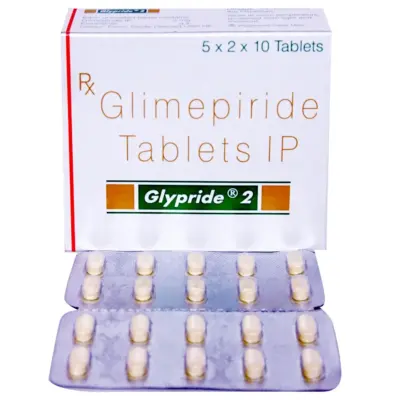
- Glypride 2 Tablet — Glimepiride 2 mg, the lower titration dose suitable for initial therapy or less severe hyperglycaemia
- Hipres 50 Tablet — Atenolol 50 mg for hypertension management (beta-blocker interaction with glimepiride requires awareness)
- Metolar 100 Tablet — Metoprolol succinate 100 mg, another beta-blocker commonly co-prescribed in diabetic patients with cardiovascular disease
- Lipicard Capsule — Fenofibrate 200 mg for dyslipidaemia, commonly co-morbid with type 2 diabetes
- Naprosyn 250 Mg Tablet — Naproxen 250 mg NSAID (interacts with glimepiride — enhances hypoglycaemia risk)
References
- U.S. Food and Drug Administration. Amaryl (glimepiride) Tablets — Prescribing Information. Sanofi-Aventis. Available at: https://www.accessdata.fda.gov/drugsatfda_docs/label/2009/020496s021lbl.pdf
- MedlinePlus (U.S. National Library of Medicine). Glimepiride. Available at: https://medlineplus.gov/druginfo/meds/a699055.html
- Mayo Clinic. Glimepiride (Oral Route) — Proper Use. Available at: https://www.mayoclinic.org/drugs-supplements/glimepiride-oral-route/proper-use/drg-20073153
- Electronic Medicines Compendium (UK EMC). Glimepiride 4 mg Tablets — Summary of Product Characteristics. Available at: https://www.medicines.org.uk/emc/search?q=glimepiride+4
- National Center for Biotechnology Information (NCBI). Glimepiride — PubChem Compound Summary (CID 3476). Available at: https://pubchem.ncbi.nlm.nih.gov/compound/Glimepiride
- StatPearls (NCBI Bookshelf). Glimepiride. Available at: https://www.ncbi.nlm.nih.gov/books/NBK559178/

Reviews
There are no reviews yet.