Molecule
    Brand Name

      6 MP Tablets

      Original price was: USD $ 20.00.Current price is: USD $ 10.00.Box

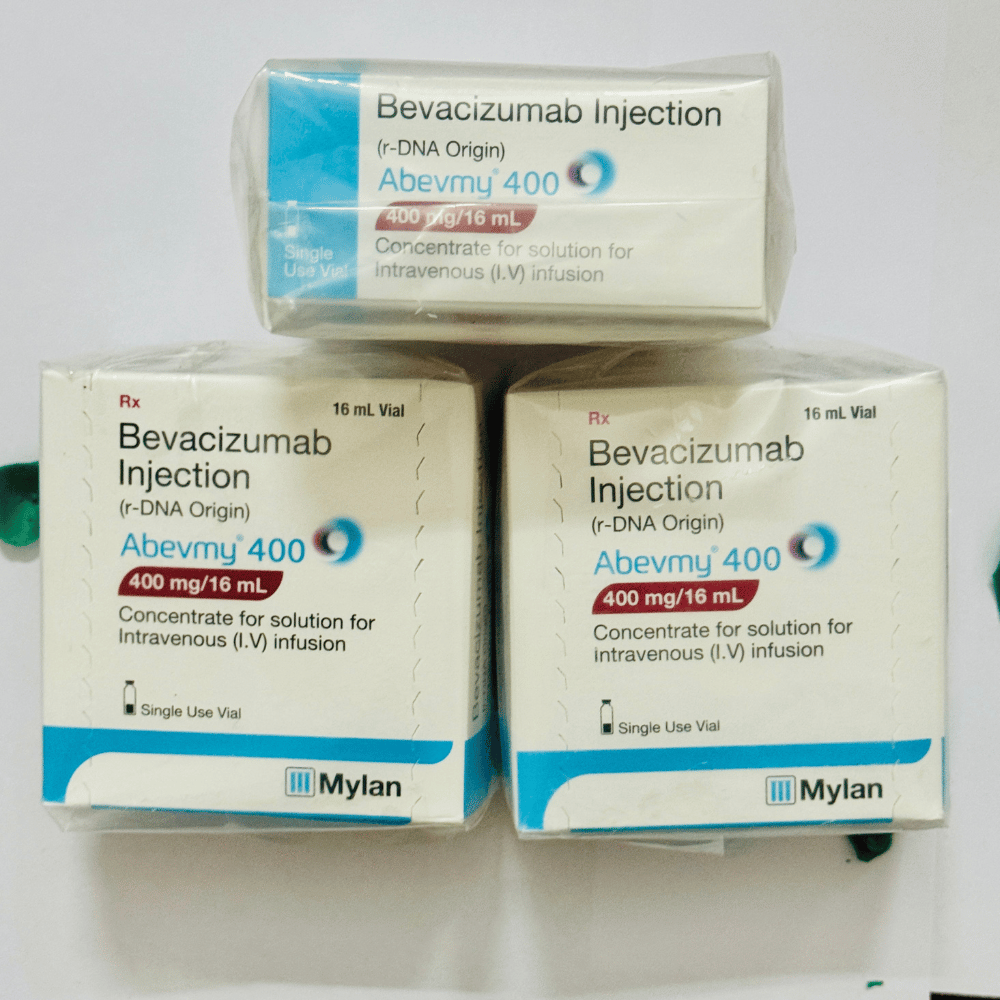
      Abevmy 100 Mg Injection

      Original price was: USD $ 150.00.Current price is: USD $ 80.00.Vial

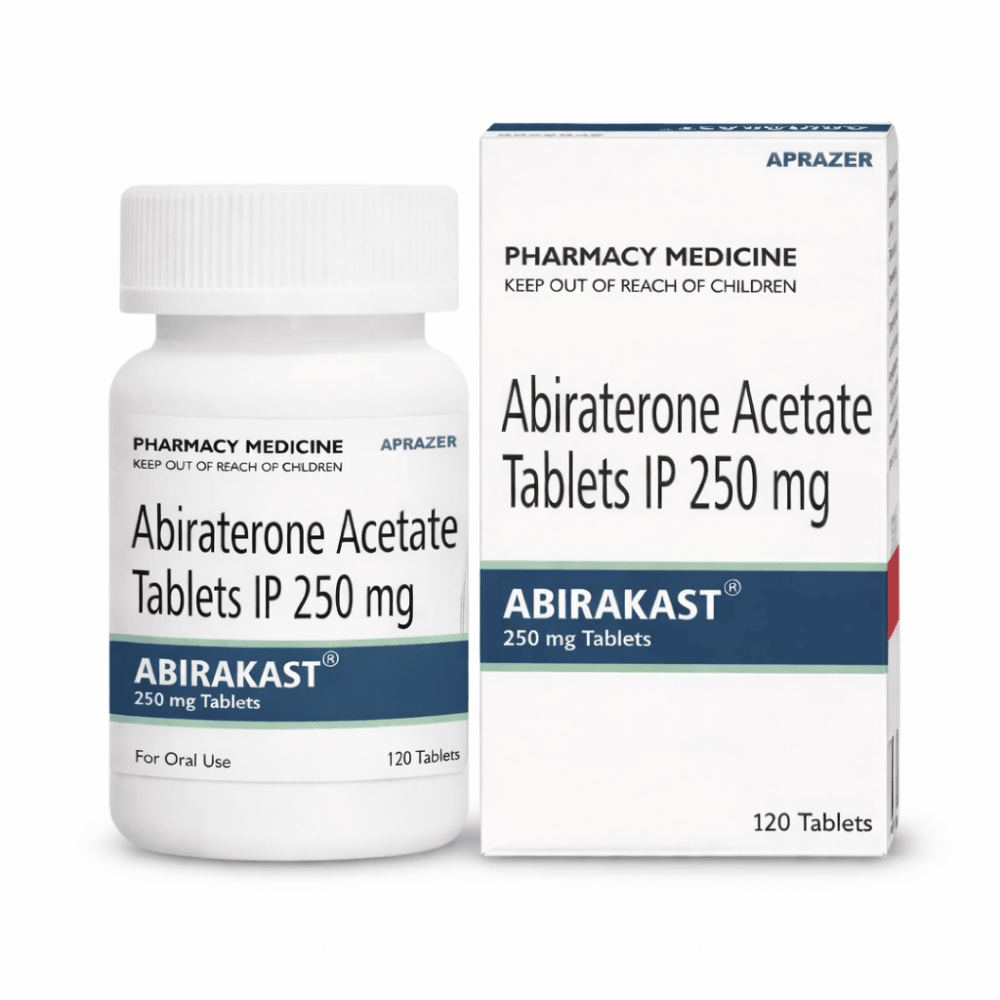
      Abirapro 250 Mg Tablets

      USD $ 199.00Bottle
      Select options This product has multiple variants. The options may be chosen on the product page
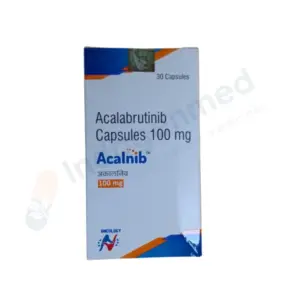
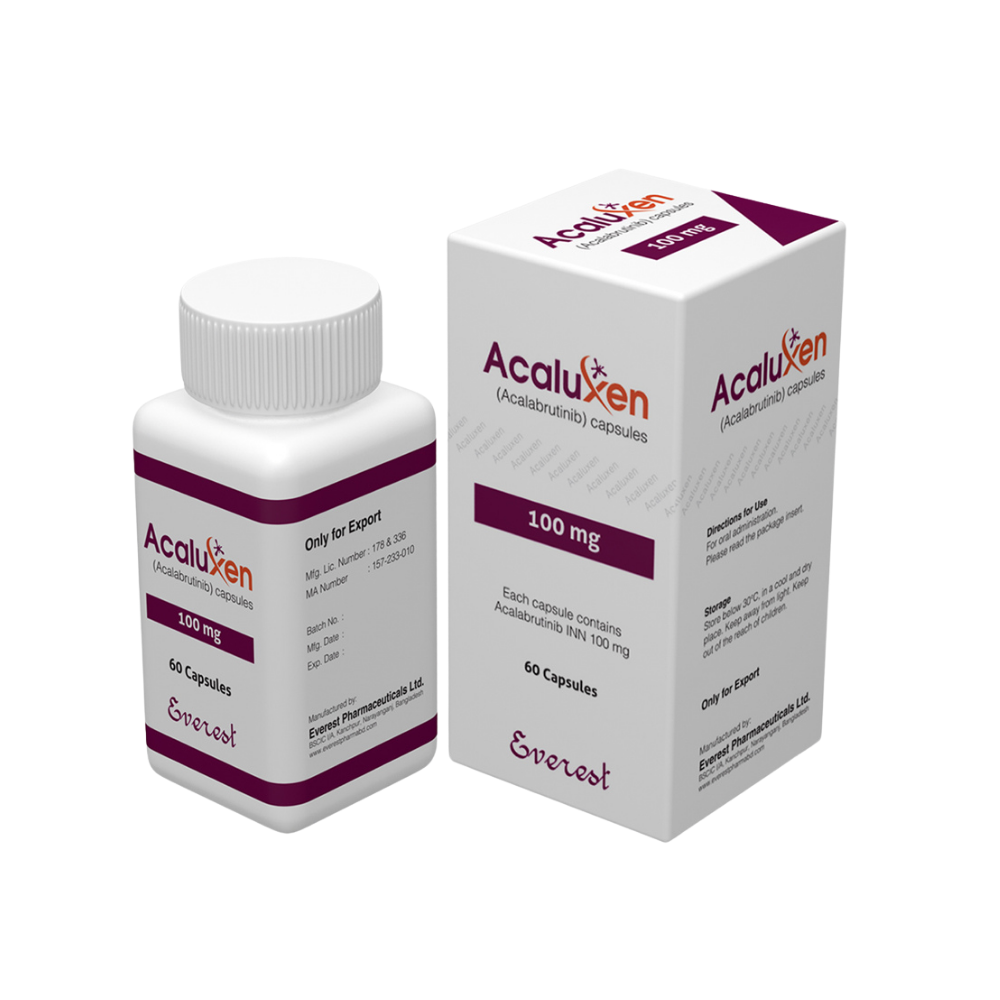
      Acalnib 100 Mg Capsule

      Original price was: USD $ 145.00.Current price is: USD $ 100.00.

      Actavis Bimatoprost 300 Mcg Eye Drops

      Original price was: USD $ 18.94.Current price is: USD $ 15.15.

      Recently Viewed Products

      Generic and branded medicines for Cancer treatment, management, and supportive care

      Oncology is the medical field that focuses on cancer. Cancer happens when abnormal cells in the body grow uncontrollably and may form a tumor or spread to other organs. Cancer can affect almost any part of the body, and early detection and the right treatment plan can improve outcomes.

      This category includes medicines used in cancer care, as well as products that help manage treatment side effects and support daily comfort.

      Cancer treatment is often a step-by-step process. Medicines may be used to:

      • Slow or stop cancer growth
      • Destroy cancer cells
      • Reduce the chance of cancer coming back
      • Improve symptoms and quality of life
      • Support the body during treatment (like nausea control, pain relief, immunity support)

      Common types of cancer

      Solid tumors

      Cancers that form a mass in organs like the breast, lung, colon, prostate, liver, or kidney.

      Blood cancers

      Cancers that affect blood or bone marrow, such as leukemia, lymphoma, and myeloma.

      Common signs and symptoms (vary by cancer type)

      • Unexplained weight loss
      • Constant tiredness
      • A lump or swelling that does not go away
      • Unusual bleeding (urine, stool, coughing blood, abnormal vaginal bleeding)
      • Long-lasting cough or hoarseness
      • Change in bowel habits or digestion
      • Pain that keeps getting worse
      • Skin changes or a mole that changes shape/color

      How cancer is usually diagnosed

      Doctors may use a combination of:

      Imaging tests

      CT, MRI, ultrasound, PET scan, X-ray (based on symptoms)

      Lab tests

      Blood tests and tumor markers (as needed)

      Biopsy

      A biopsy confirms cancer by checking tissue under a microscope

      Staging tests

      To check how far the cancer has spread and plan treatment

      Treatment approaches in oncology

      Treatment depends on cancer type, stage, and overall health.

      Chemotherapy

      Medicines that kill fast-growing cancer cells or stop them from multiplying.

      Targeted therapy

      Medicines that target specific proteins or signals that help cancer cells grow.

      Immunotherapy

      Medicines that help the immune system recognize and fight cancer cells.

      Hormone therapy

      Used for hormone-sensitive cancers like some breast and prostate cancers.

      Radiation therapy

      Uses high-energy rays to destroy cancer cells in a specific area.

      Surgery

      Removes the tumor when possible, often combined with other treatments.

      Supportive care during cancer treatment

      Many products in oncology care are used to manage side effects, such as:

      • Nausea and vomiting support
      • Pain management
      • Infection prevention support (as advised)
      • Mouth ulcer care, acidity care, and digestive support
      • Nutrition and energy support
      • Blood count support (in selected cases)

      When to seek urgent medical help

      Get medical help quickly if there is:

      • High fever or chills
      • Severe vomiting or inability to drink fluids
      • Bleeding that does not stop
      • Shortness of breath or chest pain
      • Severe weakness, confusion, or fainting
      • Sudden severe pain or swelling

      Explore Oncology products

      Browse this category to find medicines used for cancer treatment and treatment-related support, selected based on individual care plans and health needs.